

Commentary
Asia’s two largest nuclear powers have never threatened each other with nuclear weapons. How much will the recent deadly border clashes between China and India change the security landscape?
Toby Dalton, Tong Zhao, Rukmani Gupta
{
  "authors": [],
  "type": "pressRelease",
  "centerAffiliationAll": "dc",
  "centers": [
    "Carnegie Endowment for International Peace"
  ],
  "collections": [],
  "englishNewsletterAll": "",
  "nonEnglishNewsletterAll": "",
  "primaryCenter": "Carnegie Endowment for International Peace",
  "programAffiliation": "NPP",
  "programs": [
    "Nuclear Policy"
  ],
  "projects": [],
  "regions": [],
  "topics": [
    "Nuclear Policy"
  ]
}
REQUIRED IMAGE
FOR IMMEDIATE RELEASE: June 21, 2007
- NEWS RELEASE -
WASHINGTON, June 21— United Nations Resolution 1540 would make proliferation more difficult and less attractive, facilitate the dismantlement of proliferation networks, and create momentum to strengthen other aspects of the nonproliferation regime—but major challenges preventing actual implementation need to be comprehensively addressed, says a new paper from the Carnegie Endowment.
Resolution 1540, introduced in 2004, is the most comprehensive response by the UN Security Council following the exposure of the transnational nuclear smuggling network set up by Pakistani scientist A. Q. Khan. The resolution is exceptional in that it compels every UN member state to criminalize the proliferation of weapons of mass destruction (WMD) to non-state actors in its national legislation and to establish effective domestic controls to prevent proliferation.
In Implementing UN Security Council Resolution 1540: A Division of Labor Strategy, Monika Heupel, a former visiting scholar in the Carnegie Endowment’s Nonproliferation Program, argues that in light of the huge challenges it faces, implementation depends upon applying a division of labor strategy. In this strategy, international organizations, individual states, and NGOs would all utilize their comparative advantages to address the various implementation challenges.
Heupel urges policy makers to consider the following recommendations:
Notes:
###
Carnegie India does not take institutional positions on public policy issues; the views represented herein are those of the author(s) and do not necessarily reflect the views of Carnegie, its staff, or its trustees.

Asia’s two largest nuclear powers have never threatened each other with nuclear weapons. How much will the recent deadly border clashes between China and India change the security landscape?


Toby Dalton, Tong Zhao, Rukmani Gupta
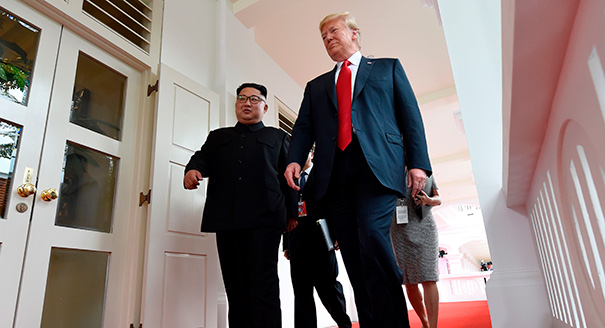
In the course of one morning in Singapore, U.S. President Donald Trump and the North Korean leader Kim Jong-un have begun to loosen a deeply entrenched and hostile relationship.
C. Raja Mohan
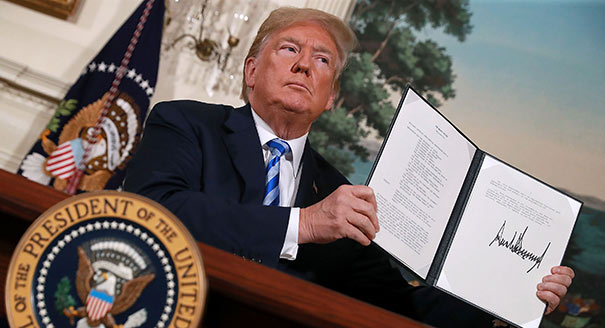
U.S. President Donald Trump’s decision to pull out of the Iran nuclear deal appears to have put regime change at the very center of the new American power play against Tehran.
C. Raja Mohan
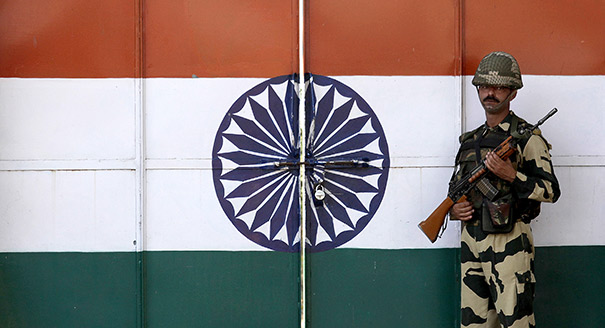
The South Asian stalemate is likely to endure even as South and North Korea appear poised to turn the page.
C. Raja Mohan

While the Trump administration’s efforts to get tough on Pakistan face challenges and potential dangers, the change in stance signals a new political will to pursue previously untried measures which offer some hope of success.
C. Raja Mohan