

Paper
James M. Acton, Ankit Panda
{
  "authors": [
    "James M. Acton"
  ],
  "type": "legacyinthemedia",
  "centerAffiliationAll": "dc",
  "centers": [
    "Carnegie Endowment for International Peace"
  ],
  "collections": [],
  "englishNewsletterAll": "ctw",
  "nonEnglishNewsletterAll": "",
  "primaryCenter": "Carnegie Endowment for International Peace",
  "programAffiliation": "NPP",
  "programs": [
    "Nuclear Policy"
  ],
  "projects": [],
  "regions": [],
  "topics": [
    "Nuclear Policy",
    "Nuclear Energy"
  ]
}
Source: Getty
The specter of nuclear proliferation must be understood as both a political issue and a technological one; the intent of would-be proliferators needs to be addressed together with the science.
Source: Bulletin of the Atomic Scientists

Forty years on, Hardin’s central thesis—that it is impossible to solve a political problem with a technical solution—is still salient and applicable to more than just managing population. At the moment, a number of initiatives promote a technological approach to solve—or at least ameliorate—the problem of nuclear proliferation through the misuse of civilian nuclear facilities (particularly reactors and reprocessing plants). Their aim is to make novel nuclear technologies "proliferation resistant."

Jessica T. Mathews Chair, Co-director, Nuclear Policy Program
Acton holds the Jessica T. Mathews Chair and is co-director of the Nuclear Policy Program at the Carnegie Endowment for International Peace.
Recent Work

James M. Acton, Ankit Panda
James M. Acton
Carnegie India does not take institutional positions on public policy issues; the views represented herein are those of the author(s) and do not necessarily reflect the views of Carnegie, its staff, or its trustees.

Asia’s two largest nuclear powers have never threatened each other with nuclear weapons. How much will the recent deadly border clashes between China and India change the security landscape?


Toby Dalton, Tong Zhao, Rukmani Gupta
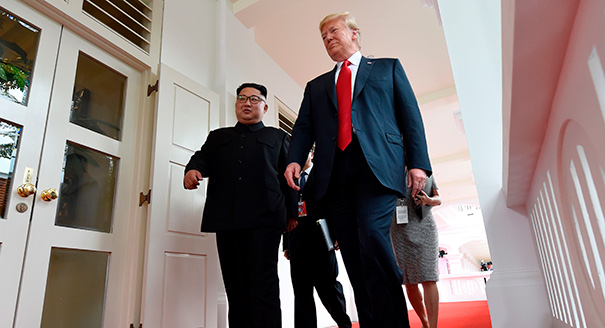
In the course of one morning in Singapore, U.S. President Donald Trump and the North Korean leader Kim Jong-un have begun to loosen a deeply entrenched and hostile relationship.
C. Raja Mohan
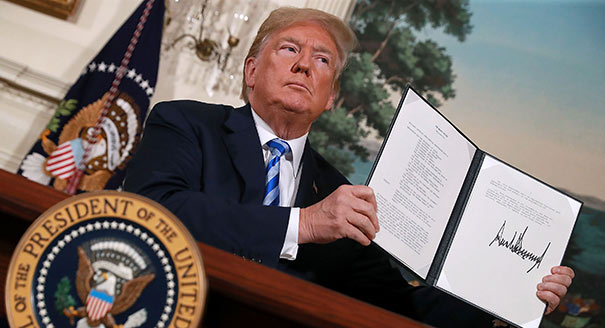
U.S. President Donald Trump’s decision to pull out of the Iran nuclear deal appears to have put regime change at the very center of the new American power play against Tehran.
C. Raja Mohan
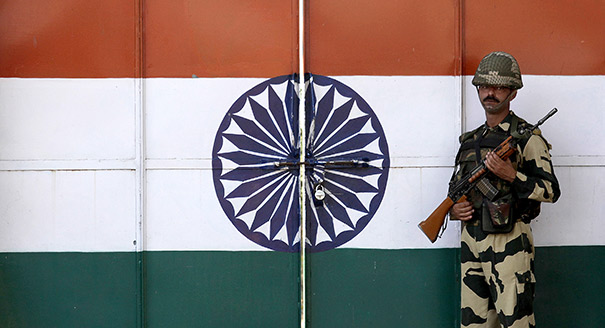
The South Asian stalemate is likely to endure even as South and North Korea appear poised to turn the page.
C. Raja Mohan
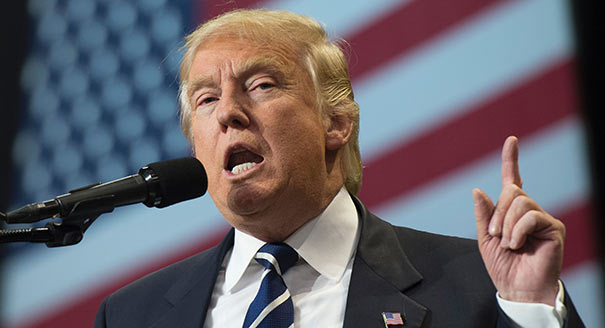
While the Trump administration’s efforts to get tough on Pakistan face challenges and potential dangers, the change in stance signals a new political will to pursue previously untried measures which offer some hope of success.
C. Raja Mohan