• Research
  • About
  • Experts
Carnegie India logoCarnegie lettermark logo
{
  "authors": [],
  "type": "pressRelease",
  "centerAffiliationAll": "",
  "centers": [
    "Carnegie Endowment for International Peace"
  ],
  "collections": [],
  "englishNewsletterAll": "",
  "nonEnglishNewsletterAll": "",
  "primaryCenter": "Carnegie Endowment for International Peace",
  "programAffiliation": "",
  "programs": [],
  "projects": [],
  "regions": [
    "North America"
  ],
  "topics": [
    "Economy"
  ]
}
REQUIRED IMAGE

REQUIRED IMAGE

Press Release

Wrong to target migrants during crisis

The global financial crisis disproportionately burdens migrants, but policy makers are still under pressure to enact new immigration restrictions. In the wake of the crisis, governments must resist these political pressures and instead recognize that migrants make a large economic contribution to both host and home countries.

Link Copied
Published on Dec 14, 2009

WASHINGTON, Dec 14—The global financial crisis disproportionately burdens migrants, but policy makers are still under pressure to enact new immigration restrictions. In the wake of the crisis, governments must resist these political pressures and instead recognize that migrants make a large economic contribution to both host and home countries, contends a new policy brief by Uri Dadush and Lauren Falcao.

Key Points

  • Migrants increase economic welfare in host countries by lowering the costs of crucial services, improving international competitiveness in industry, and strengthening domestic demand and investment.
  • Migration responds to the demand for labor in host countries. The number of migrants increases during economic booms and decreases during busts, thereby minimizing competition between migrants and native-born workers. Unemployment hits migrants hardest and deters their arrival.
  • New restrictions on immigration may be counterproductive as they are hard to overturn and can discourage migrants from returning home temporarily.
  • Migration restrictions hurt developing countries. Over 80 percent of migrants are from developing countries and their remittances—estimated to be $305 billion in 2008—are essential sources of foreign exchange and help countries fight poverty.

Policy Recommendations

  • Policy makers need to better explain migrants’ contribution to their own citizens’ economic welfare.
  • Host countries should avoid policies that punish migrants, as they are inefficient and will hurt firms and individuals that depend on migrants.
  • Governments should adopt policies that promote the integration of migrants because they will maximize economic benefits in the long term and minimize tensions during economic downturns.
  • Collaboration between host and home countries and temporary migration programs can help take full advantage of the economic benefits of migration and reduce frictions.

“Governments must recognize that migrants are an economic asset rather than a liability and thus shape their reaction to the global financial crisis, including migration and social policies, accordingly,” write Dadush and Falcao. “Failure to do this would result in both short- and long-term economic welfare losses and could lead to a disastrous escalation of social tensions.”

###


NOTES

  • Click here to read the policy brief online
  • The Carnegie International Economics Program monitors and analyzes short- and long-term trends in the global economy, including macroeconomic developments, trade, commodities, and capital flows, and draws out policy implications. The current focus of the Program is the global financial crisis and the policy issues raised. Among other research, the Program examines the ramifications of the rising weight of developing countries in the global economy.
  • The International Economic Bulletin draws on the expertise of Carnegie's global centers to provide a candid view of the economic crisis and its political implications. Addressing the momentous challenges of the economic downturn will require objectivity, and the ability to analyze the political dimensions of reforms around the world.
  • Press Contact: David Kampf, 202/939-2233, dkampf@ceip.org
EconomyNorth America

Carnegie India does not take institutional positions on public policy issues; the views represented herein are those of the author(s) and do not necessarily reflect the views of Carnegie, its staff, or its trustees.

More Work from Carnegie India

  • Commentary
    The Impact of U.S. Sanctions and Tariffs on India’s Russian Oil Imports

    This piece examines India’s response to U.S. sanctions and tariffs, specifically assessing the immediate market consequences, such as alterations in import costs, and the broader strategic implications for India’s energy security and foreign policy orientation.

      Vrinda Sahai

  • Paper
    India-China Economic Ties: Determinants and Possibilities

    This paper examines the evolution of India-China economic ties from 2005 to 2025. It explores the impact of global events, bilateral political ties, and domestic policies on distinct spheres of the economic relationship.

      Santosh Pai

  • Commentary
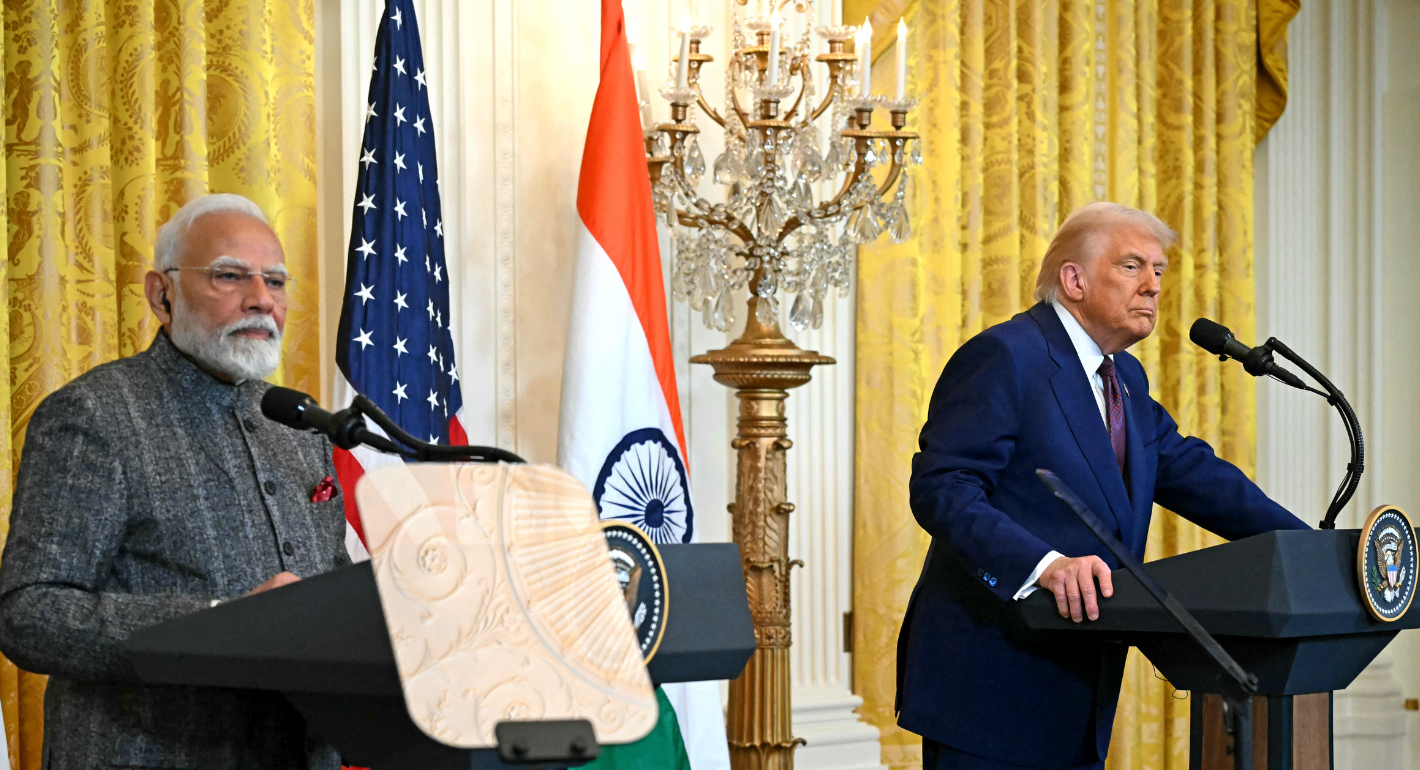
    TRUST and Tariffs

    The India-U.S. relationship currently appears buffeted between three “Ts”—TRUST, Tariffs, and Trump.

      Arun K. Singh

  • Article
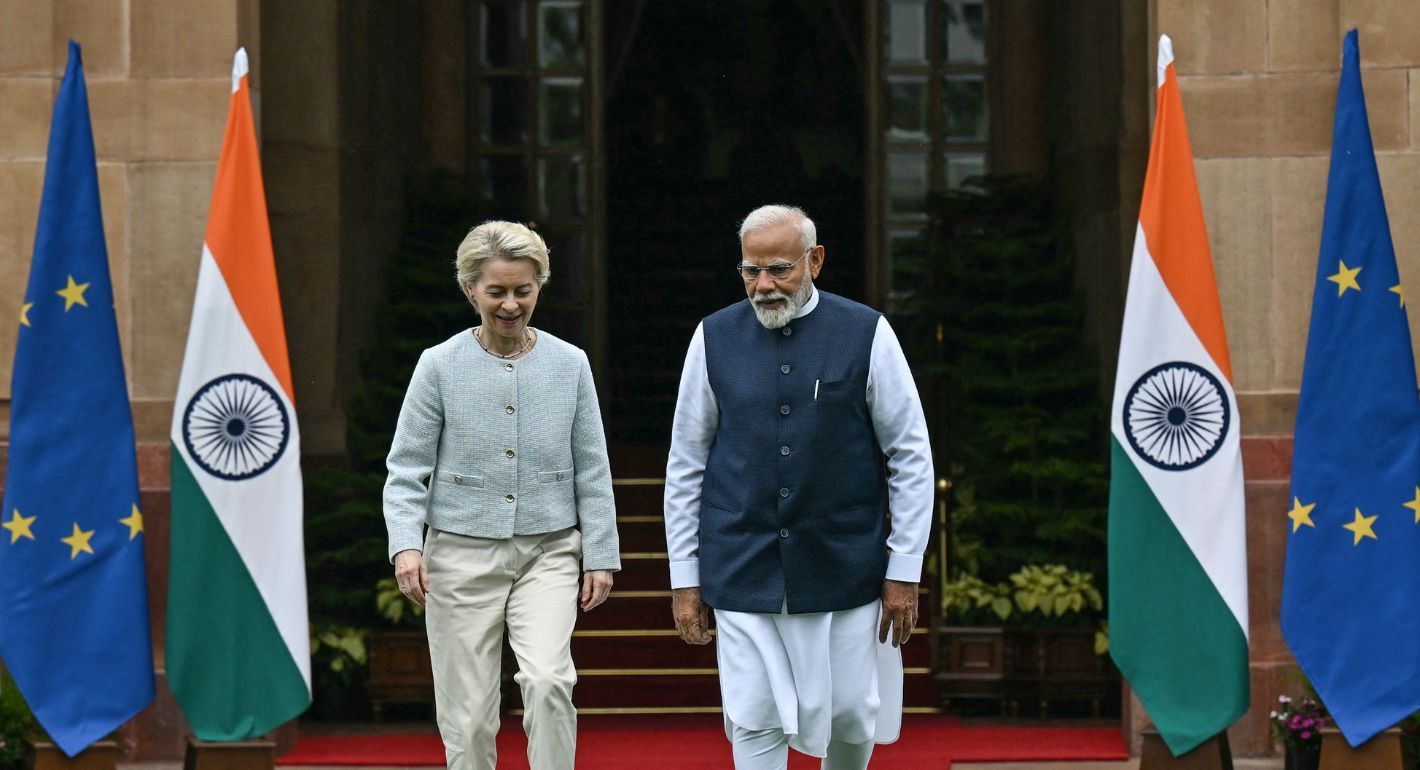
    Can Geopolitical Alignment Seal the India-EU FTA?

    This article argues that the geopolitical circumstances have never been more conducive, not merely for the early conclusion of the free trade agreement (FTA) between India and the EU, but also for crafting a substantive and comprehensive strategic partnership.

      Mohan Kumar

  • Source: iStock
    Commentary
    What’s Next for U.S. AI Policy?

    This commentary explores the likely actions of the Trump administration and driving forces on issues of deregulation, the United States’ leadership in AI, national security, and global engagements on AI safety.

      Shatakratu Sahu, Amlan Mohanty

Get more news and analysis from
Carnegie India
Carnegie India logo, white
Unit C-4, 5, 6, EdenparkShaheed Jeet Singh MargNew Delhi – 110016, IndiaPhone: 011-40078687
  • Research
  • About
  • Experts
  • Projects
  • Events
  • Contact
  • Careers
  • Privacy
  • For Media
Get more news and analysis from
Carnegie India
© 2026 Carnegie Endowment for International Peace. All rights reserved.