• Research
  • About
  • Experts
Carnegie India logoCarnegie lettermark logo
AI
{
  "authors": [
    "Stephen Tankel"
  ],
  "type": "legacyinthemedia",
  "centerAffiliationAll": "dc",
  "centers": [
    "Carnegie Endowment for International Peace"
  ],
  "collections": [],
  "englishNewsletterAll": "",
  "nonEnglishNewsletterAll": "",
  "primaryCenter": "Carnegie Endowment for International Peace",
  "programAffiliation": "SAP",
  "programs": [
    "South Asia"
  ],
  "projects": [],
  "regions": [
    "Afghanistan",
    "Pakistan"
  ],
  "topics": [
    "Security"
  ]
}

Source: Getty

In The Media

Lashkar-e-Taiba in Perspective

The Pakistani militant group Lashkar-e-Taiba (LeT) has had operational interests in Afghanistan since 2006, and the potential for collaboration between LeT, al-Qaeda, and various pro-Taliban elements is increasing.

Link Copied
By Stephen Tankel
Published on Apr 26, 2010

Source: Foreign Policy

Lashkar-e-Taiba in PerspectiveIn 2006, the Pakistani militant group Lashkar-e-Taiba entered the Afghan theater, necessitating its increased presence in Pakistan’s North-West Frontier Province and Federally Administered Tribal Areas. The group is often mentioned during discussions of the Punjabi Taliban, militants from Punjabi jihadi groups, who arrived in large numbers at approximately the same time. But these militants follow the Deobandi school of Islam and are close to the Afghan and Pakistani Taliban. Lashkar is also a Punjabi group, but its Ahl-e Hadith faith and close relationship with the Pakistani military establishment have contributed to a historically rocky relationship with Deobandi militant groups and other pro-Taliban elements.

Sharing physical space in the NWFP/FATA and operational interests in Afghanistan has created the opportunity for increased conflict and collaboration with al-Qaeda and the various pro-Taliban elements there. As collaboration increases, so too does Lashkar’s threat to Pakistan and the West.
 
This paper is divided into four sections. The first assesses Lashkar’s historical relations with the different actors operating in the NWFP/FATA. The second discusses the nature of Lashkar’s expansion in the area from roughly 2006 onward. The third explores its collaboration and conflicts with other groups operating there, and the nature of its involvement in anti-Western and anti-Pakistan activities emanating from the region. The paper concludes with a brief assessment of Lashkar’s threat to the West, particularly the impact of its presence in the NWFP/FATA.

About the Author

Stephen Tankel

Former Nonresident Scholar, South Asia Program

Tankel was a nonresident scholar at the Carnegie Endowment, where his research focuses on insurgency, terrorism, and the evolution of nonstate armed groups.

    Recent Work

  • Q&A
    Restoring Trust: U.S.-Pakistan Relations

      Stephen Tankel

  • Q&A
    LeT’s Global Rise

      Stephen Tankel

Stephen Tankel
Former Nonresident Scholar, South Asia Program
Stephen Tankel
SecurityAfghanistanPakistan

Carnegie India does not take institutional positions on public policy issues; the views represented herein are those of the author(s) and do not necessarily reflect the views of Carnegie, its staff, or its trustees.

More Work from Carnegie India

  • Commentary
    The Impact of U.S. Sanctions and Tariffs on India’s Russian Oil Imports

    This piece examines India’s response to U.S. sanctions and tariffs, specifically assessing the immediate market consequences, such as alterations in import costs, and the broader strategic implications for India’s energy security and foreign policy orientation.

      Vrinda Sahai
  • Article
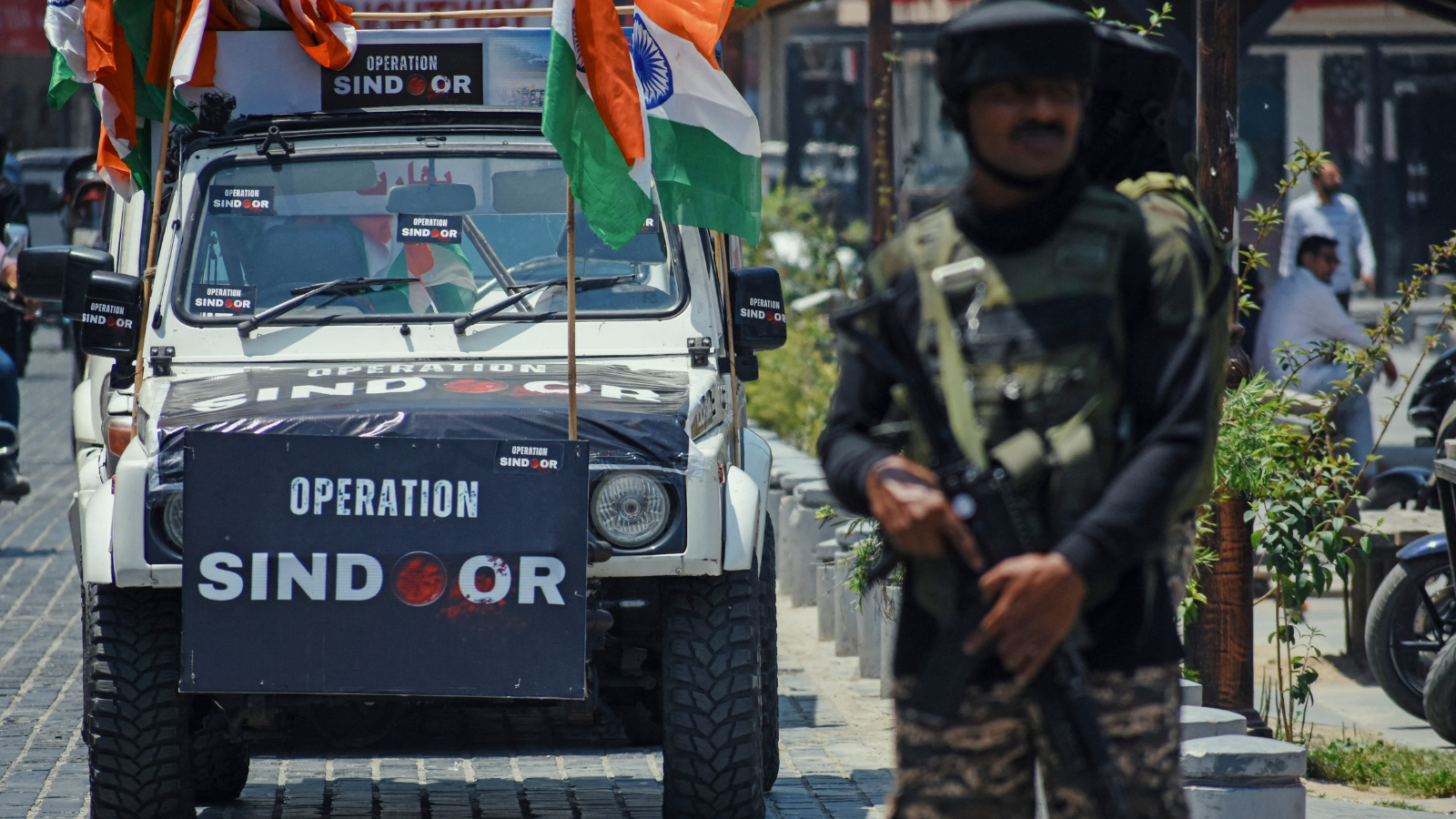
    Military Lessons from Operation Sindoor

    The India-Pakistan conflict that played out between May 6 and May 10, 2025, offers several military lessons. This article presents key takeaways from Operation Sindoor and breaks down how India’s preparations shaped the outcome and what more is needed to strengthen future readiness.

      Dinakar Peri
  • Book
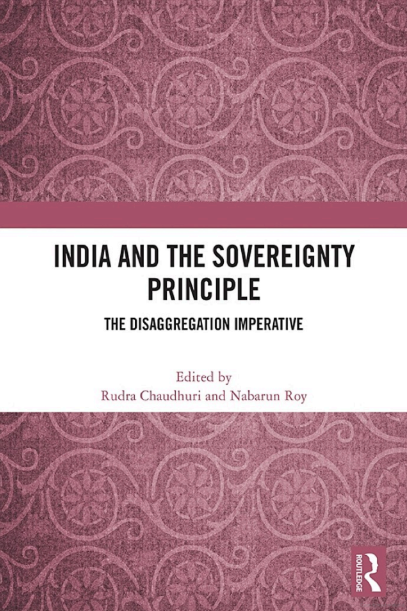
    India and the Sovereignty Principle: The Disaggregation Imperative

    This book offers a comprehensive analysis of India's evolving relationship with sovereignty in a complex global order. Moving beyond conventional narratives, it examines how the sovereignty principle shapes India's behavior across four critical domains—from traditional military power to contemporary data governance.

      Rudra Chaudhuri, Nabarun Roy
  • Article
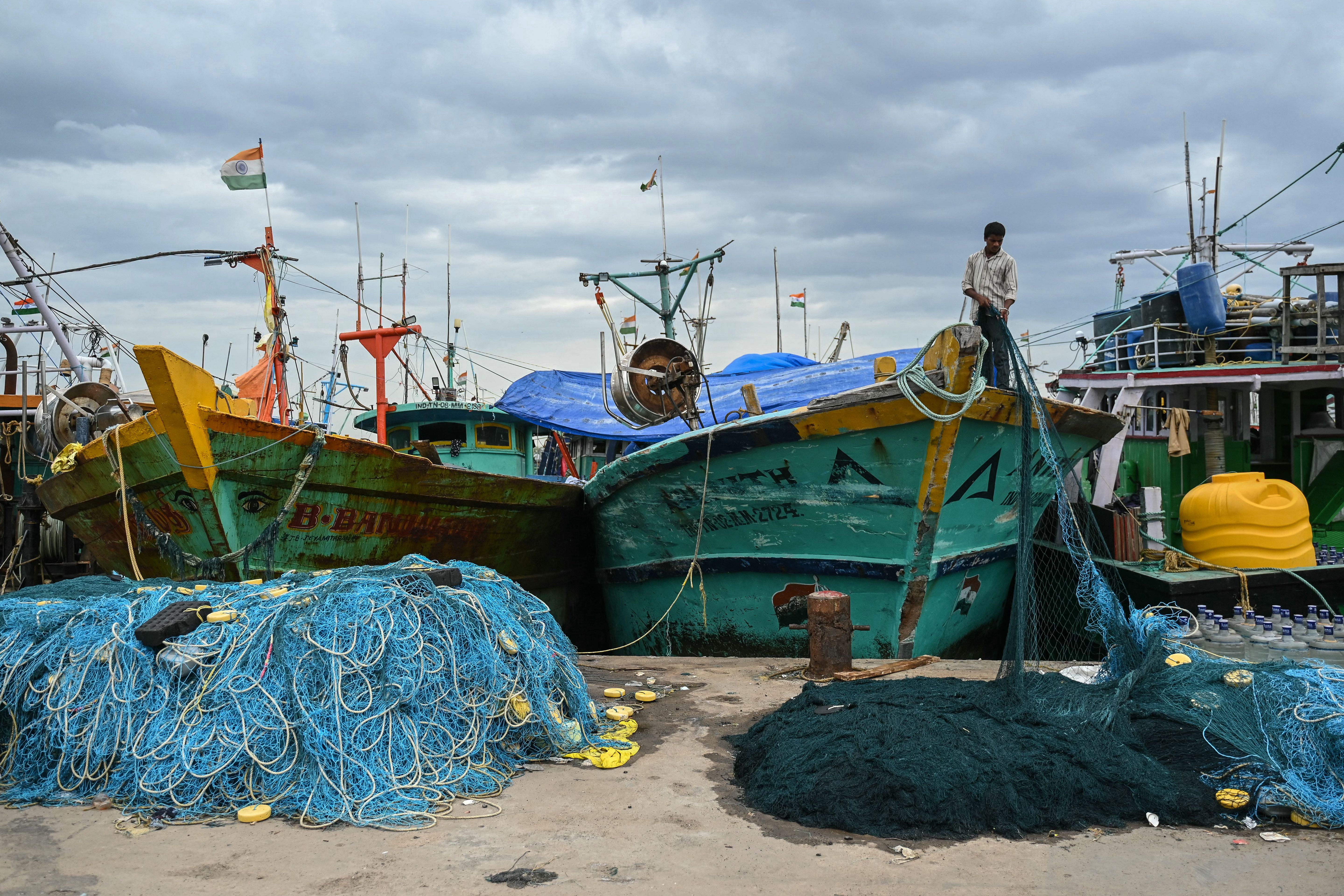
    Hidden Tides: IUU Fishing and Regional Security Dynamics for India

    This article examines the scale and impact of Chinese IUU fishing operations globally and identifies the nature of the challenge posed by IUU fishing in the Indian Ocean Region (IOR). It also investigates why existing maritime law and international frameworks have struggled to address this growing threat.


      Ajay Kumar, Charukeshi Bhatt

  • Book
    Violence and Development Along the India-Pakistan Border in Jammu and Kashmir

    This book examines the impact of cross-border violence on communities living along the Line of Control and the International Border in Jammu and Kashmir, India.

      Deep Pal, Surya Valliappan Krishna, Saheb Singh Chadha

Get more news and analysis from
Carnegie India
Carnegie India logo, white
Unit C-4, 5, 6, EdenparkShaheed Jeet Singh MargNew Delhi – 110016, IndiaPhone: 011-40078687
  • Research
  • About
  • Experts
  • Projects
  • Events
  • Contact
  • Careers
  • Privacy
  • For Media
Get more news and analysis from
Carnegie India
© 2026 Carnegie Endowment for International Peace. All rights reserved.