

Commentary
Asia’s two largest nuclear powers have never threatened each other with nuclear weapons. How much will the recent deadly border clashes between China and India change the security landscape?
Toby Dalton, Tong Zhao, Rukmani Gupta
{
  "authors": [
    "George Perkovich",
    "James M. Acton"
  ],
  "type": "legacyinthemedia",
  "centerAffiliationAll": "dc",
  "centers": [
    "Carnegie Endowment for International Peace"
  ],
  "collections": [],
  "englishNewsletterAll": "",
  "nonEnglishNewsletterAll": "",
  "primaryCenter": "Carnegie Endowment for International Peace",
  "programAffiliation": "NPP",
  "programs": [
    "Nuclear Policy"
  ],
  "projects": [],
  "regions": [],
  "topics": [
    "Nuclear Policy"
  ]
}
Source: Getty
The prospect of enforcing a ban on the possession or use of nuclear weapons would require addressing similar difficulties to those faced in abolishing nuclear weapons entirely.
Source: Abolition Debate Series

V. R. Raghavan presents a recent Indian government proposal to move in stages to outlaw nuclear weapon use, but he does not provide a rationale. Pan Zhenqiang goes even further and advocates outlawing nuclear weapons themselves, even before the details of abolition have been worked out. He writes that “[c]ountries without legal and moral pressure would always be able, one way or the other, to find excuses to keep a nuclear option.” “[P]erhaps nuclear weapons should be outlawed first in a form of a world convention, just as chemical and biological weapons were banned, so that a powerful legal and moral framework is created in which all the other measures on the path to zero are to be taken.” Sameh Aboul-Enein takes a similar view.
The potential benefits of outlawing the use of nuclear weapons deserve more analysis and international debate.
These arguments and the potential benefits of outlawing the use of nuclear weapons deserve more analysis and international debate. In Abolishing Nuclear Weapons we were deflected from this in part by space constraints, but more by the reality that global conventions historically have not succeeded in preventing the use or development of banned weapons. In spite of a global injunction against the use of chemical weapons, for instance, Iraq used them against Iran in the early 1980s. The major powers singly and through the United Nations Security Council did practically nothing to stop it or to punish Iraq. This inaction helped motivate Iran to start its clandestine efforts to acquire the capability to produce nuclear weapons. The same sorts of enforcement challenges we address in Abolishing Nuclear Weapons in regard to abolishing nuclear weapons would also determine the feasibility of any attempt to ban their use. For banning possession or use of nuclear weapons to be a realistic proposition, then, much greater effort must be dedicated to matters of enforcement, with the related challenges we have identified.
Prohibitions on the use of nuclear weapons could be an alternative way of effecting no-first-use declarations. This logic is implicit in the Indian government proposals described by V. R. Raghavan and could find receptivity in China, as indicated by Pan Zhenqiang. That is, as long as some states possess nuclear weapons, a prohibition on their use would in fact, if not explicitly in “law,” amount to a no-first-use commitment. This is so because the first use of nuclear weapons presumably would release others to retaliate in kind to punish and limit the gains of the nuclear aggressor.
Prohibitions on the use of nuclear weapons could be an alternative way of effecting no-first-use declarations.
In such a debate it is easy to predict that governments and experts who focus on continued political-security competition among nuclear-armed states would find little value in commitments to ban nuclear weapon use. As indicated in the comments of Frank Miller, Brad Roberts, Bruno Tertrais, and Harald Müller, declaring the use of nuclear weapons illegal while some states continued to possess them could invite destabilizing crises. If leaders of one or more states hinted at nuclear options, or took hedging steps to increase the readiness of nuclear forces in a crisis, the potential for escalation would grow. A regulatory regime to prevent or manage such moves would need to be built. The challenges of doing so would, in some respects, be similar to the difficulties of abolishing nuclear weapons entirely.

Japan Chair for a World Without Nuclear Weapons, Senior Fellow
George Perkovich is the Japan Chair for a World Without Nuclear Weapons and a senior fellow in the Carnegie Endowment for International Peace’s Nuclear Policy Program. He works primarily on nuclear deterrence, nonproliferation, and disarmament issues, and is leading a study on nuclear signaling in the 21st century.

Jessica T. Mathews Chair, Co-director, Nuclear Policy Program
Acton holds the Jessica T. Mathews Chair and is co-director of the Nuclear Policy Program at the Carnegie Endowment for International Peace.
Carnegie India does not take institutional positions on public policy issues; the views represented herein are those of the author(s) and do not necessarily reflect the views of Carnegie, its staff, or its trustees.
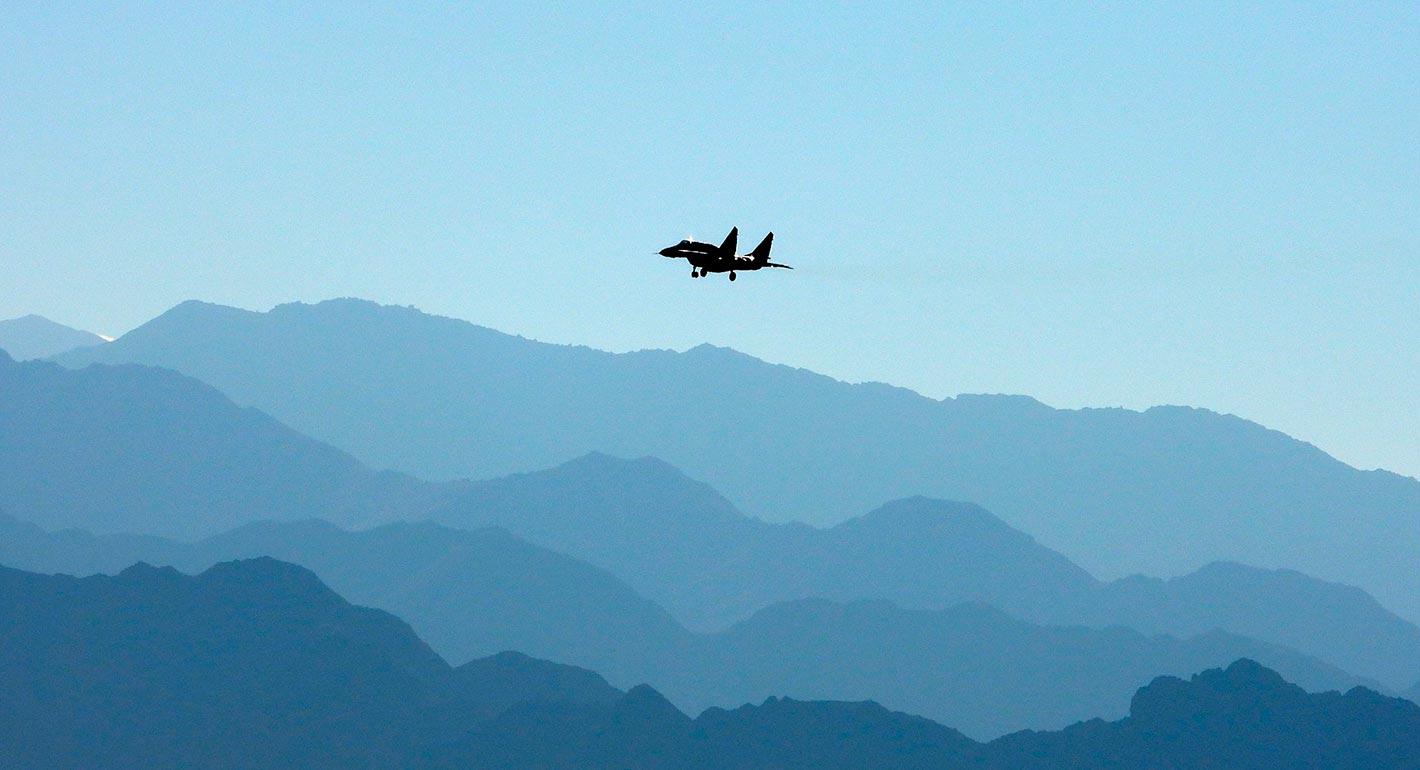
Asia’s two largest nuclear powers have never threatened each other with nuclear weapons. How much will the recent deadly border clashes between China and India change the security landscape?


Toby Dalton, Tong Zhao, Rukmani Gupta
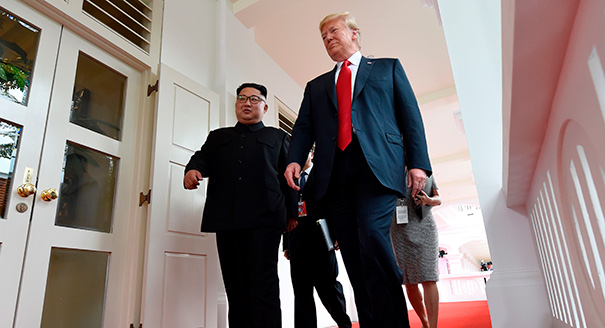
In the course of one morning in Singapore, U.S. President Donald Trump and the North Korean leader Kim Jong-un have begun to loosen a deeply entrenched and hostile relationship.
C. Raja Mohan
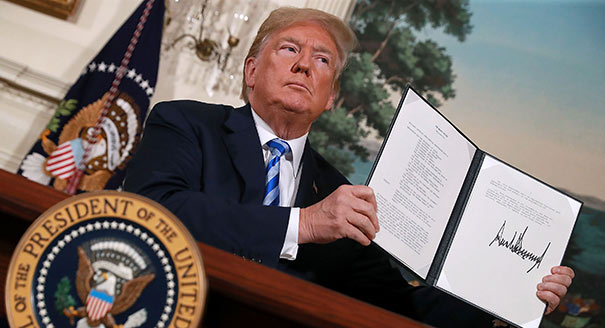
U.S. President Donald Trump’s decision to pull out of the Iran nuclear deal appears to have put regime change at the very center of the new American power play against Tehran.
C. Raja Mohan
The South Asian stalemate is likely to endure even as South and North Korea appear poised to turn the page.
C. Raja Mohan
While the Trump administration’s efforts to get tough on Pakistan face challenges and potential dangers, the change in stance signals a new political will to pursue previously untried measures which offer some hope of success.
C. Raja Mohan