

Commentary
Uri Dadush
{
  "authors": [
    "Uri Dadush"
  ],
  "type": "legacyinthemedia",
  "centerAffiliationAll": "",
  "centers": [
    "Carnegie Endowment for International Peace"
  ],
  "collections": [],
  "englishNewsletterAll": "",
  "nonEnglishNewsletterAll": "",
  "primaryCenter": "Carnegie Endowment for International Peace",
  "programAffiliation": "",
  "programs": [],
  "projects": [],
  "regions": [
    "North America"
  ],
  "topics": [
    "Economy"
  ]
}
Source: Getty
The Great Recession prompted a number of far-reaching government interventions. While those interventions did distort competition, they did not do so in an overly protectionist way that risks undermining markets in the longer-term.
Source: Europe's World

In his provocative account, Elie Cohen argues that go-it-alone national responses to the crisis in Europe have massively distorted competition, increased protectionism and resuscitated national industrial policies. All believers in the benefits of competition and trade – including myself – will have some sympathy for Cohen’s arguments, but in the specific case of international responses to the recession I tend towards a less negative assessment of the policy response in Europe.
There are five reasons for this. First, the crisis was almost without precedent in terms of the severity of the credit crunch and the depth and speed of decline of economic activity. Restoring macro-economic and financial stability was not only the overriding priority, it was also essential to avoid a repeat of the trade wars and destruction of competition that was one of the defining features of the Great Depression of the 1930s.
Second, governments had to respond quickly to such highly specific situations, as the rescue of large financial institutions and automobile manufacturers using limited and untested instruments. It is unlikely that a more centralised European approach, however well designed, could have coped with the need to extinguish so many fires at the same time without seriously affecting competition in many areas. Though the United States possesses federal institutions charged with these tasks, America’s many rescue operations also caused massive competitive distortions among banks both large and small in different states that to varying degrees had been affected by the housing bust. As to the three large automobile companies, each of these was treated differently.
Third, as more than a few commentators have argued, competition policy in the financial sector must take account of the fact that the health of individual banks has systemic implications. Preventing a systemically important bank from failing does not necessarily hurt its competitors, but may instead help avoid a chain of loan losses. That is why, for example, Lehman’s fiercest competitors tried very hard to save it even after the U.S. government refused to provide aid.
Fourth, in the circumstances that reigned a year ago, the large automobile companies on whose survival depended directly or indirectly millions of jobs also took on systemic significance. As consumers panicked and credit dried up, demand for automobiles collapsed. The failure of a large automobile company due to an exogenous and temporary credit shock would have been unjustified – and politically unjustifiable – and it would have had immediate consequences on the banking system.
Last, although Cohen places protectionism at the centre of his concerns, the fact is that despite the depth of the crisis and the massive government interventions, protectionism has remained within reasonable bounds. The evidence for this comes not only from the WTO sources referred to by Cohen, but from the very rapid recovery of world trade since March 2009, when the trough of the crisis was reached.
Anti-crisis policies may have been broadly appropriate, but that does not mean that the job is finished or that greater coordination across European countries is not needed. Once we’re over the crisis, we need a cold-eyed assessment of the competitive conditions in sectors that received state aid and where weak companies were merged with strong ones. Decisive steps to reduce structural overcapacity in the automobile sector are essential. Finally, the European Commission’s competition watchdogs should carefully examine what measures during the crisis worked, and what did not, thus drawing valuable lessons on how better to handle future crises.

Former Senior Associate, International Economics Program
Dadush was a senior associate at the Carnegie Endowment for International Peace. He focuses on trends in the global economy and is currently tracking developments in the eurozone crisis.
Recent Work
Uri Dadush
Uri Dadush
Carnegie India does not take institutional positions on public policy issues; the views represented herein are those of the author(s) and do not necessarily reflect the views of Carnegie, its staff, or its trustees.

On March 10, 2026, India’s Union Cabinet approved amendments to Press Note 3, a regulation that mandated government approval on all foreign direct investment (FDI) from countries sharing a land border with India. This amendment raises questions primarily about whether its stated benefits will materialize and if the risks have been adequately weighed. This piece will address the same.

Konark Bhandari

This piece examines India’s response to U.S. sanctions and tariffs, specifically assessing the immediate market consequences, such as alterations in import costs, and the broader strategic implications for India’s energy security and foreign policy orientation.

Vrinda Sahai

This paper examines the evolution of India-China economic ties from 2005 to 2025. It explores the impact of global events, bilateral political ties, and domestic policies on distinct spheres of the economic relationship.

Santosh Pai
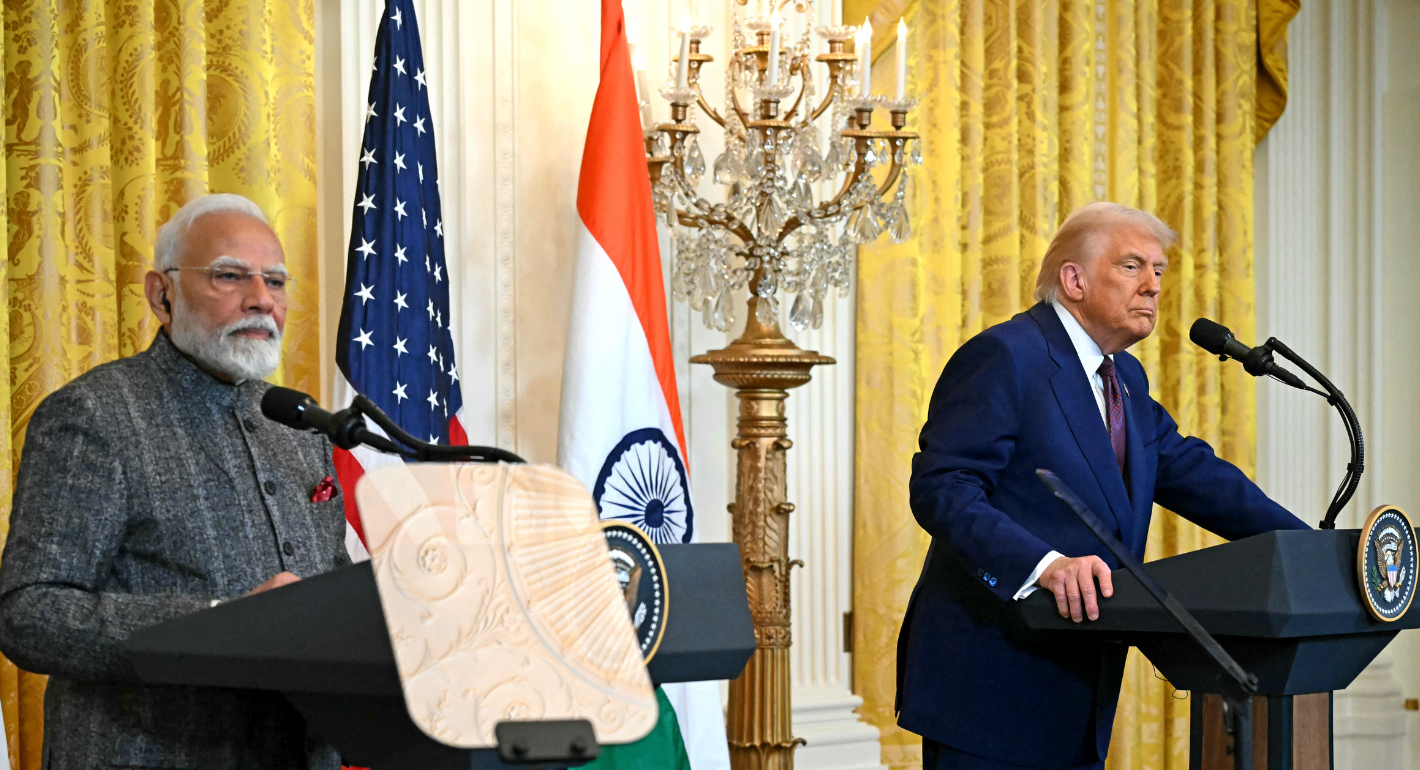
The India-U.S. relationship currently appears buffeted between three “Ts”—TRUST, Tariffs, and Trump.

Arun K. Singh
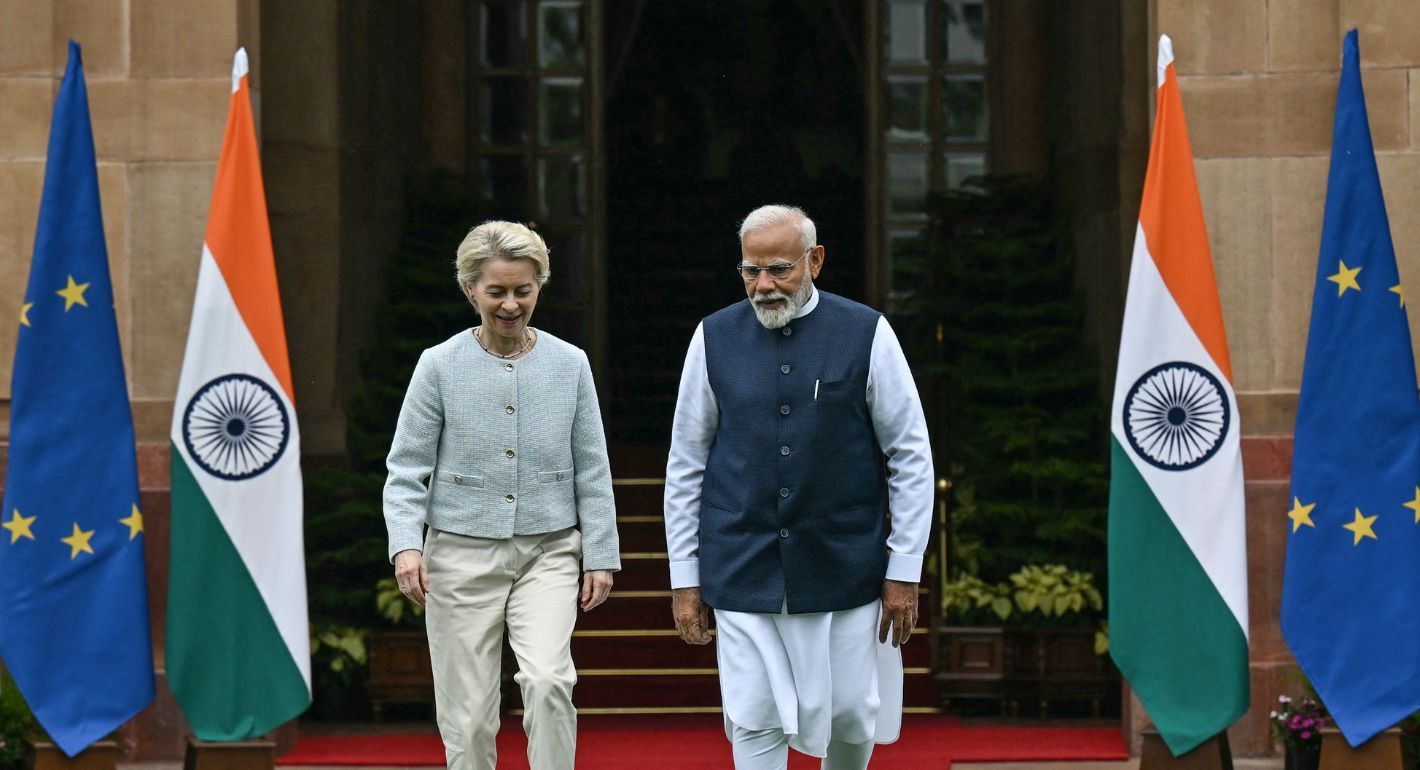
This article argues that the geopolitical circumstances have never been more conducive, not merely for the early conclusion of the free trade agreement (FTA) between India and the EU, but also for crafting a substantive and comprehensive strategic partnership.

Mohan Kumar