• Research
  • About
  • Experts
Carnegie India logoCarnegie lettermark logo
{
  "authors": [
    "Henri J. Barkey"
  ],
  "type": "legacyinthemedia",
  "centerAffiliationAll": "dc",
  "centers": [
    "Carnegie Endowment for International Peace"
  ],
  "collections": [],
  "englishNewsletterAll": "menaTransitions",
  "nonEnglishNewsletterAll": "",
  "primaryCenter": "Carnegie Endowment for International Peace",
  "programAffiliation": "MEP",
  "programs": [
    "Middle East"
  ],
  "projects": [],
  "regions": [
    "Middle East",
    "Israel",
    "Türkiye",
    "Palestine"
  ],
  "topics": [
    "Security"
  ]
}
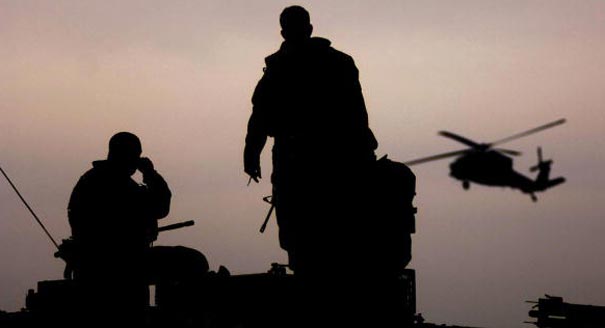
Source: Getty

In The Media

No Benefit of the Doubt for Israel?

The only good thing that can come out of this tragedy is that the Israeli public will hold the government accountable for poor decision-making and incompetent execution that has handed Hamas and its allies the victory of their lifetime.

Link Copied
By Henri J. Barkey
Published on Jun 1, 2010

Source: Politico

No Benefit of the Doubt for Israel?The real problem that this situation has made clear is that Israel has become insensitive to its own predicament. Even if Israel had every right to board the ship and detain its occupants, Israel should have expected that boarding the ship would result in such a confrontation and the resulting international backlash. It was obvious from the outset that the organizers of the flotilla were only interested in a physical clash with the Israelis and that aid supplies were just the excuse. Quite a bit was known about the primary organizer, a Turkish Islamist charity with deep ties to Hamas and other groups whose rhetoric was quite inflammatory. 

The decision process in this case is eerily reminiscent of group think, the inability to consider alternative explanations and courses of action. Seven cabinet members, without the participation of the whole cabinet, apparently met twice and made the decision. In light of Israel’s international isolation and its delicate relations with the United States, did anyone consider the ramifications of their decision? Moreover, Israel’s actions have diverted the attention of the UN Security Council right at the time they were to take up Iran’s nuclear program - Israel’s paramount concern.
 
Clearly, the current Israeli government lives in a cocoon. The only good thing that can come out of this tragedy is that the Israeli public will hold the government accountable for poor decision-making and incompetent execution that has handed Hamas and its allies the victory of their lifetime.

About the Author

Henri J. Barkey

Former Visiting Scholar, Middle East Program

Barkey served as a member of the U.S. State Department Policy Planning Staff, working primarily on issues related to the Middle East, the Eastern Mediterranean, and intelligence from 1998 to 2000.

    Recent Work

  • Article
    Winners and Losers in Turkey’s Election

      Henri J. Barkey

  • Article
    The Road to Turkey’s June Elections: Crises, Strategies, and Outcomes

      Henri J. Barkey

Henri J. Barkey
Former Visiting Scholar, Middle East Program
Henri J. Barkey
SecurityMiddle EastIsraelTürkiyePalestine

Carnegie India does not take institutional positions on public policy issues; the views represented herein are those of the author(s) and do not necessarily reflect the views of Carnegie, its staff, or its trustees.

More Work from Carnegie India

  • Commentary
    The Impact of U.S. Sanctions and Tariffs on India’s Russian Oil Imports

    This piece examines India’s response to U.S. sanctions and tariffs, specifically assessing the immediate market consequences, such as alterations in import costs, and the broader strategic implications for India’s energy security and foreign policy orientation.

      Vrinda Sahai
  • Article
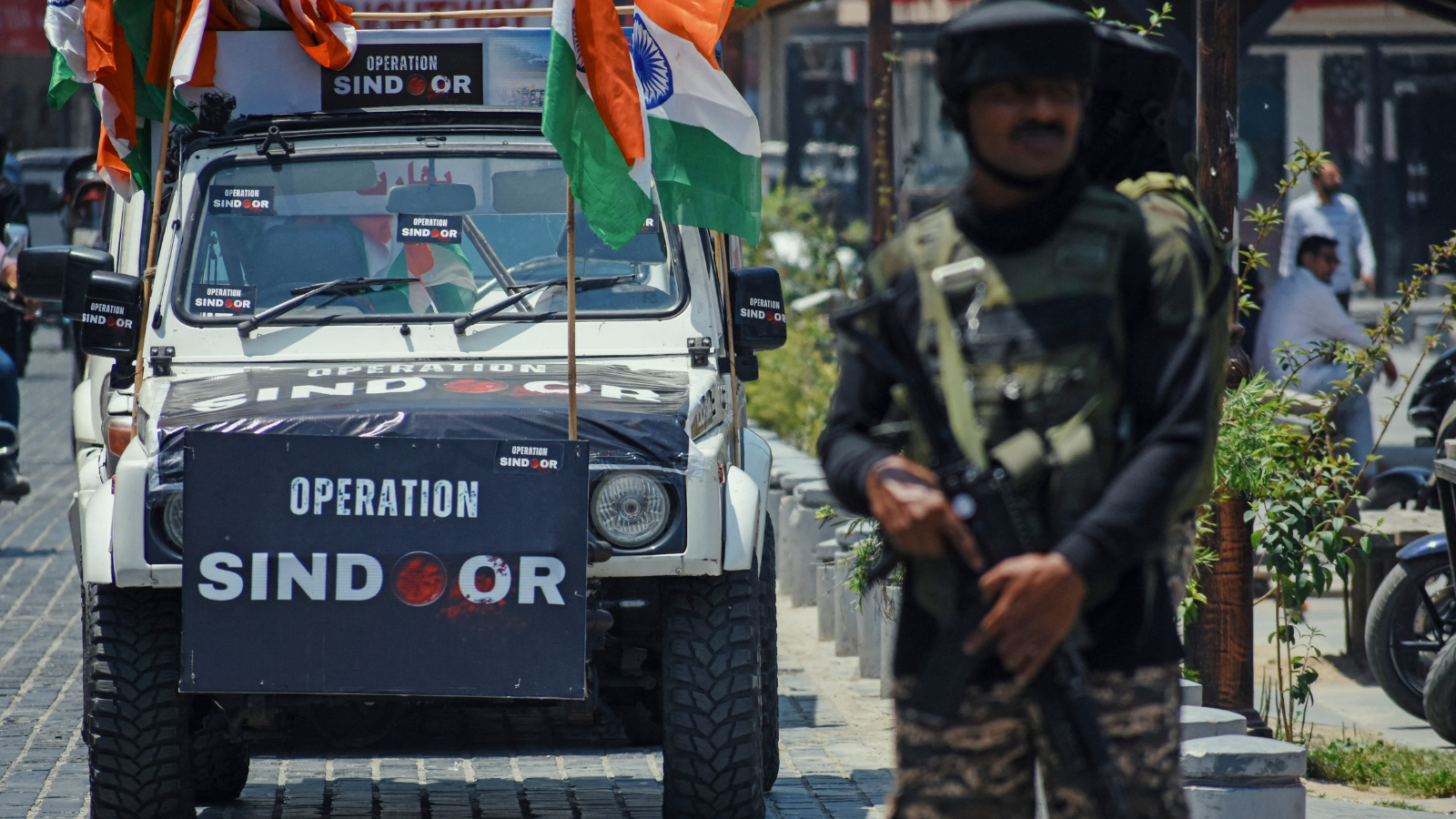
    Military Lessons from Operation Sindoor

    The India-Pakistan conflict that played out between May 6 and May 10, 2025, offers several military lessons. This article presents key takeaways from Operation Sindoor and breaks down how India’s preparations shaped the outcome and what more is needed to strengthen future readiness.

      Dinakar Peri

  • Book
    India and the Sovereignty Principle: The Disaggregation Imperative

    This book offers a comprehensive analysis of India's evolving relationship with sovereignty in a complex global order. Moving beyond conventional narratives, it examines how the sovereignty principle shapes India's behavior across four critical domains—from traditional military power to contemporary data governance.

      Rudra Chaudhuri, Nabarun Roy

  • Article
    Hidden Tides: IUU Fishing and Regional Security Dynamics for India

    This article examines the scale and impact of Chinese IUU fishing operations globally and identifies the nature of the challenge posed by IUU fishing in the Indian Ocean Region (IOR). It also investigates why existing maritime law and international frameworks have struggled to address this growing threat.

      Ajay Kumar, Charukeshi Bhatt

  • Book
    Violence and Development Along the India-Pakistan Border in Jammu and Kashmir

    This book examines the impact of cross-border violence on communities living along the Line of Control and the International Border in Jammu and Kashmir, India.

      Deep Pal, Surya Valliappan Krishna, Saheb Singh Chadha

Get more news and analysis from
Carnegie India
Carnegie India logo, white
Unit C-4, 5, 6, EdenparkShaheed Jeet Singh MargNew Delhi – 110016, IndiaPhone: 011-40078687
  • Research
  • About
  • Experts
  • Projects
  • Events
  • Contact
  • Careers
  • Privacy
  • For Media
Get more news and analysis from
Carnegie India
© 2026 Carnegie Endowment for International Peace. All rights reserved.