

Paper
David Burwell
{
  "authors": [
    "David Burwell"
  ],
  "type": "legacyinthemedia",
  "centerAffiliationAll": "dc",
  "centers": [
    "Carnegie Endowment for International Peace",
    "Carnegie Russia Eurasia Center"
  ],
  "collections": [],
  "englishNewsletterAll": "ctw",
  "nonEnglishNewsletterAll": "",
  "primaryCenter": "Carnegie Endowment for International Peace",
  "programAffiliation": "russia",
  "programs": [
    "Russia and Eurasia",
    "Sustainability, Climate, and Geopolitics"
  ],
  "projects": [],
  "regions": [
    "Caucasus",
    "Russia",
    "North America"
  ],
  "topics": [
    "Climate Change"
  ]
}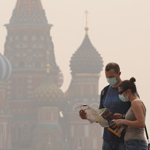
Source: Getty
Russia has acted to address climate change, but implementation remains problematic. The ongoing drought and forest fires are a wake-up call to the realities of climate change for both Russia’s public and its government officials.
Source: PRI's The World

“I think this is a wake-up call ... that action is needed," Burwell stated. "This may give the bureaucracy some incentive to move ahead and actually adopt and pursue the targets laid down by President Medvedev. They’re going to have to …modernize and diversify their economy. And if they do that, you can see that they are taking this new evidence and these events seriously.”
Former Nonresident Senior Fellow, Energy and Climate Program
Burwell focused on the intersection between energy, transportation, and climate issues, as well as policies and practice reforms to reduce global dependence on fossil fuels.
Recent Work
David Burwell
David Burwell
Carnegie India does not take institutional positions on public policy issues; the views represented herein are those of the author(s) and do not necessarily reflect the views of Carnegie, its staff, or its trustees.

This piece argues that India’s central challenge is not managing a single flashpoint but resolving the underlying tension between expansion and institutional coherency of the BRICS grouping.

Vrinda Sahai

This commentary explores the likely actions of the Trump administration and driving forces on issues of deregulation, the United States’ leadership in AI, national security, and global engagements on AI safety.

Shatakratu Sahu, Amlan Mohanty
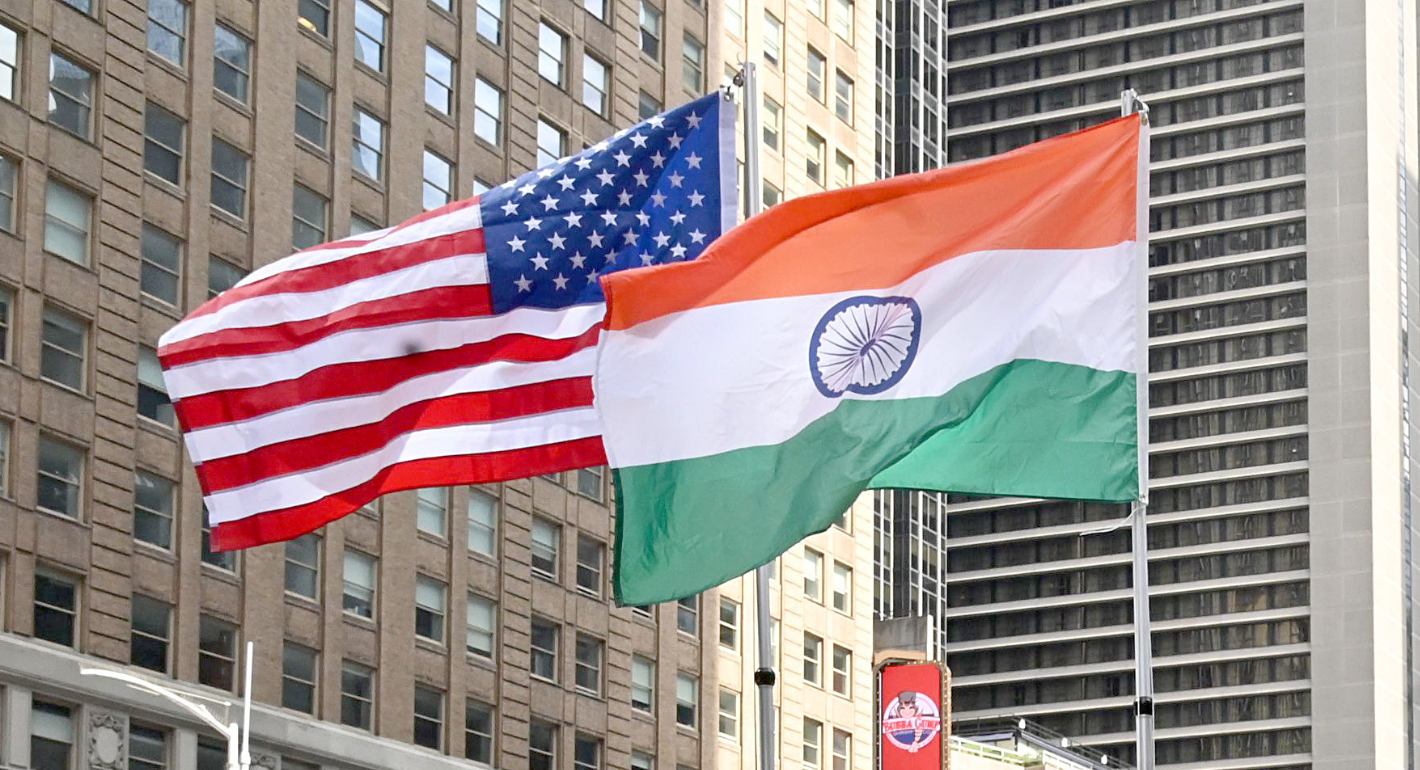
Since its launch nearly a year ago, the INDUS-X has marked many milestones in the India-U.S. relationship. Much has been achieved, but there is room to further enhance defense cooperation between the two countries in the coming years.

Ajay Kumar, Tejas Bharadwaj
This article explicates what iCET is and what it should not be mistaken for. The initiative is not designed to deliver a single deal. Instead, it involves multiple streams for cooperation and collaboration between the United States and India on critical and emerging technologies.

Rudra Chaudhuri
Based on preliminary research and stakeholder discussions, this article features four areas of biosafety and biosecurity that could potentially become concrete agenda items for collaboration between the United States and India under the iCET.

Shruti Sharma