

In The Media
David Rothkopf
{
  "authors": [
    "David Rothkopf"
  ],
  "type": "legacyinthemedia",
  "centerAffiliationAll": "",
  "centers": [
    "Carnegie Endowment for International Peace"
  ],
  "collections": [],
  "englishNewsletterAll": "",
  "nonEnglishNewsletterAll": "",
  "primaryCenter": "Carnegie Endowment for International Peace",
  "programAffiliation": "",
  "programs": [],
  "projects": [],
  "regions": [
    "Western Europe",
    "France"
  ],
  "topics": []
}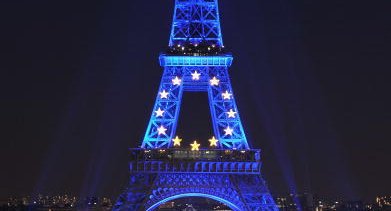
Source: Getty
France’s decision to ban burqas, combined with the government’s recent treatment of Romas, appears to reveal a deep seated insecurity about the strength of French culture and to reinforce intolerance.
Source: Foreign Policy

It is estimated that fewer than 2,000 Muslim women in France would be affected by this law. This only underscores the degree of fear driving French lawmakers. Do they really believe these 1,900 or so women can actually undermine thousands of years of national culture or threaten France's national identity? If so, the problem isn't burqas. It's paranoia. Or it's a sense that French culture is soufflé -- so fragile it will fall at the sound of the first whisper.
Combine this with the French government's recent treatment of Romas and you have a pattern of behavior that echoes many of the darkest motifs in European history. Forcing my father to wear a yellow star on the streets of Vienna when he was a boy is the flip side of this coin. Protecting social "purity" by identifying an ethnic minority or by denying that minority -- in this case members of France's second largest religious group -- the right of self-expression is the same appalling thing. (For this reason I would encourage every Jew or Jewish group to stand alongside Muslim leaders opposed to these actions, but I fear it would only further coalesce the supporters of the ban.)
If there is a place for intolerance in civilized society it must be limited to intolerance of intolerance itself. President Nicolas Sarkozy and the people of France should indeed be on their guard. There is a dire threat to France within their midsts, but it does not wear a burqa.
Former Visiting Scholar
David Rothkopf was a visiting scholar at the Carnegie Endowment as well as the former CEO and editor in chief of the FP Group.
Recent Work
David Rothkopf
David Rothkopf
Carnegie India does not take institutional positions on public policy issues; the views represented herein are those of the author(s) and do not necessarily reflect the views of Carnegie, its staff, or its trustees.
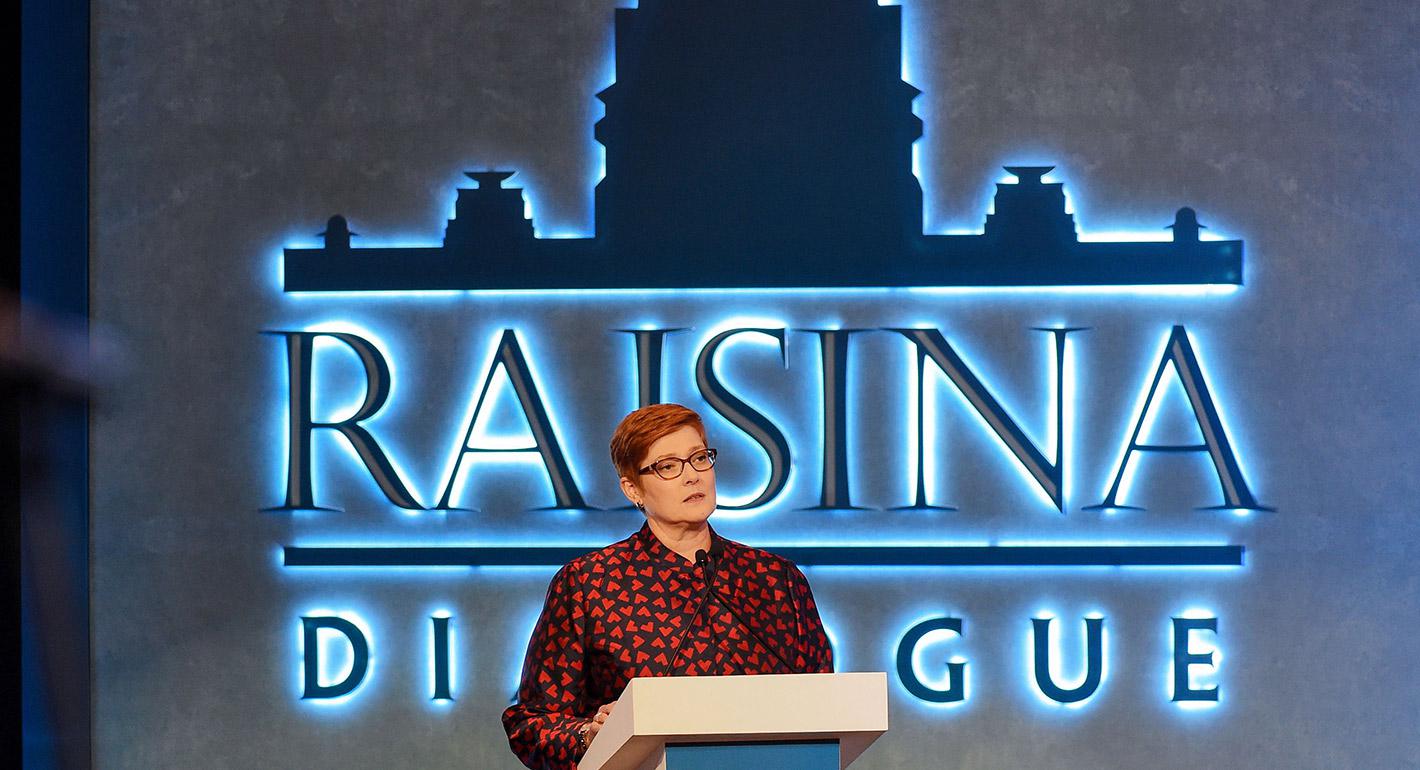
Foreign ministers from India, France, and Australia recently met (virtually) at the Raisina Dialogue, India’s flagship annual conference on geopolitics and geoeconomics. What can they get done if they work together?


Rudra Chaudhuri, Shibani Mehta
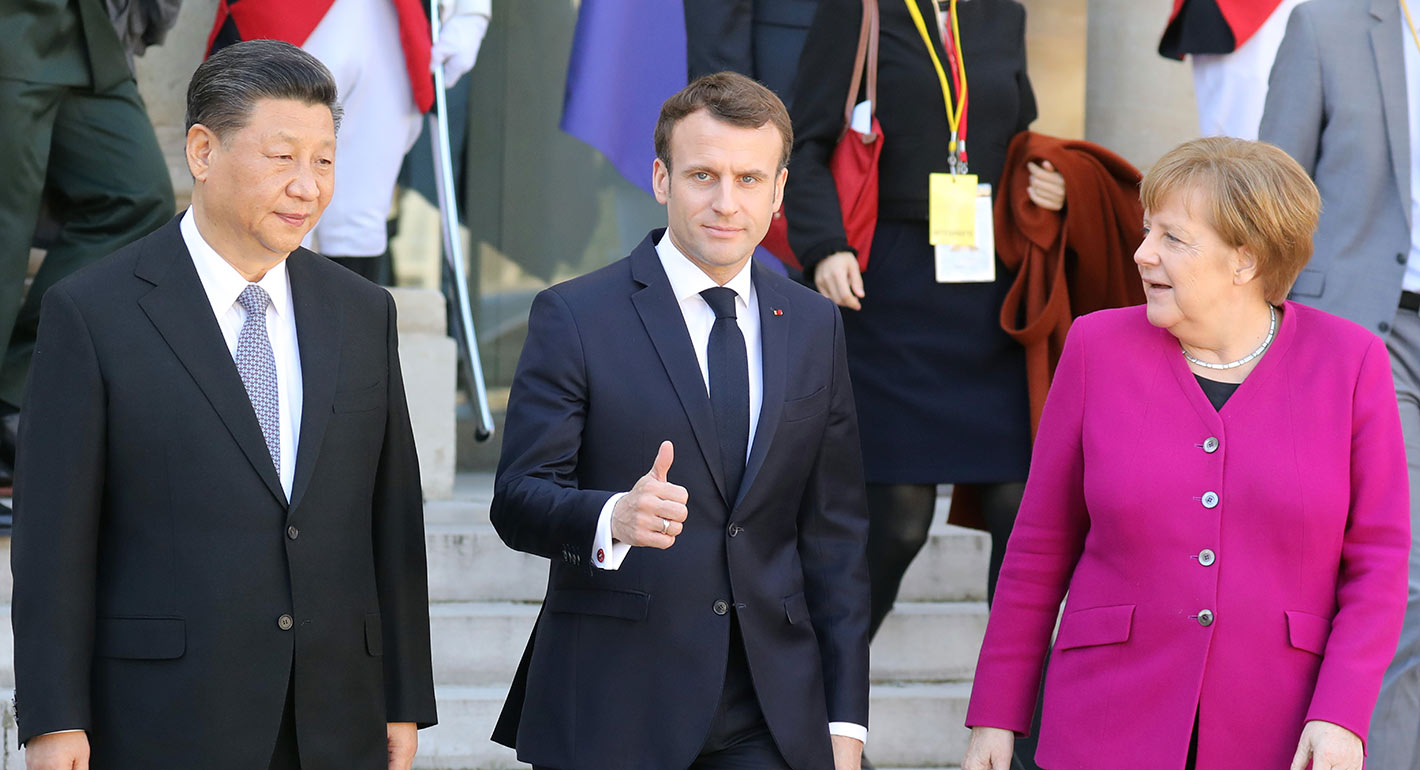
Europe’s huge stakes in the economic stability of Asia, the sea lines of communication connecting Europe and Asia through the Indo-Pacific, and threat of U.S. retrenchment may force Europe to reconsider its role in Asia. Asia needs a robust European contribution to connectivity and security.
C. Raja Mohan, John J. Vater
Pitched as a new Silk Road sweeping from Asia to Europe, China’s enormous Belt and Road Initiative is an ambitious, multinational infrastructure project. Experts from four Carnegie global centers explain other countries’ perspectives.


Paul Haenle, Dmitri Trenin, Alexander Gabuev, …
As countries debate an emerging security architecture in the Indo-Pacific, a key area is missing from the discussion: the role of islands. Much as they did in the past, islands will come to play a critical role in shaping the new order in the Indian Ocean region.

Darshana M. Baruah
Ending India’s amnesia about the two World Wars must now be followed by a more purposeful engagement with Europe in reordering the security architecture of Eurasia and the Indo-Pacific.
C. Raja Mohan