

Paper
James M. Acton, Ankit Panda
{
  "authors": [
    "James M. Acton"
  ],
  "type": "other",
  "centerAffiliationAll": "dc",
  "centers": [
    "Carnegie Endowment for International Peace"
  ],
  "collections": [],
  "englishNewsletterAll": "ctw",
  "nonEnglishNewsletterAll": "",
  "primaryCenter": "Carnegie Endowment for International Peace",
  "programAffiliation": "NPP",
  "programs": [
    "Nuclear Policy"
  ],
  "projects": [],
  "regions": [
    "United Kingdom"
  ],
  "topics": [
    "Nuclear Policy"
  ]
}
Source: Getty
While Britain is contributing productively to disarmament efforts, its fissile material records should be more transparent. A better means of tracking fissile materials is imperative as the world pursues mechanisms to verify nuclear weapons reductions.
Source: IPFM Report

In spite of these difficulties, Acton and his co-authors are able to present the most detailed accounting of UK military fissile materials available in the public domain, including a comprehensive analysis of its naval reactor program. They advocate for more detailed reports on the United Kingdom's fissile materials and argue that as the United Kingdom decommissions its production facilities there will be a valuable opportunity for international verification.

Jessica T. Mathews Chair, Co-director, Nuclear Policy Program
Acton holds the Jessica T. Mathews Chair and is co-director of the Nuclear Policy Program at the Carnegie Endowment for International Peace.
Recent Work
James M. Acton, Ankit Panda
James M. Acton
Carnegie India does not take institutional positions on public policy issues; the views represented herein are those of the author(s) and do not necessarily reflect the views of Carnegie, its staff, or its trustees.
The Technology and Security Initiative (TSI) ought to be more strategic, especially at a time of geopolitical displacement. This is an opportunity to fuse two deep technology ecosystems to co-produce and co-innovate solutions, products, and emerging technologies of the future.



Rudra Chaudhuri, Tejas Bharadwaj, Konark Bhandari, …
Asia’s two largest nuclear powers have never threatened each other with nuclear weapons. How much will the recent deadly border clashes between China and India change the security landscape?


Toby Dalton, Tong Zhao, Rukmani Gupta
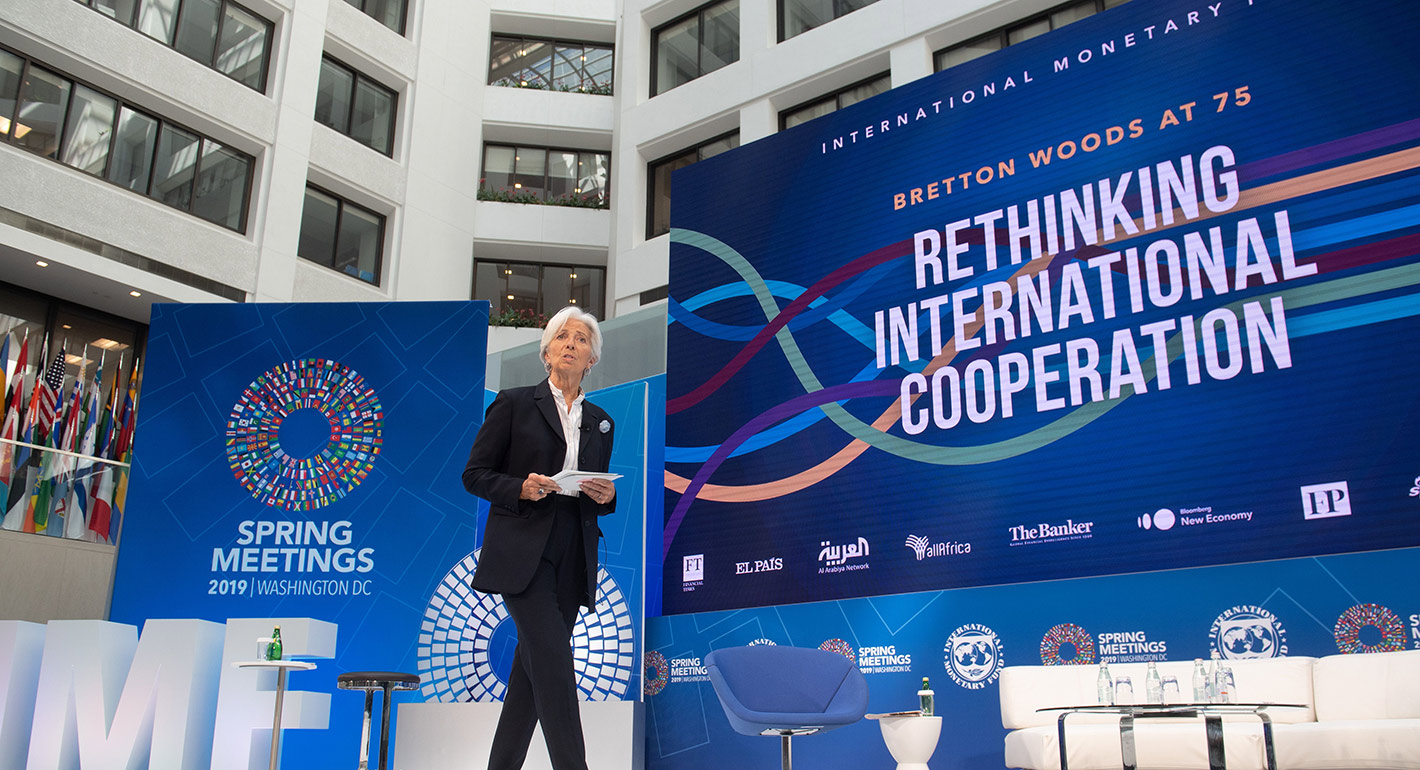
This week marks the seventy-fifth anniversary of the United Nations Monetary Conference held at Bretton Woods, New Hampshire.

Srinath Raghavan
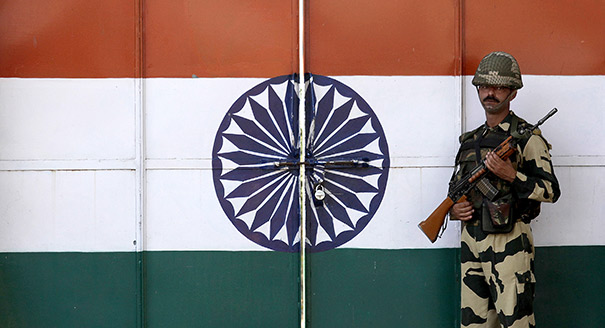
The period known as the “Emergency” in India—June 1975 to March 1977—is widely recognized as one of the darkest episodes in the nation’s 70-year history.
Rudra Chaudhuri
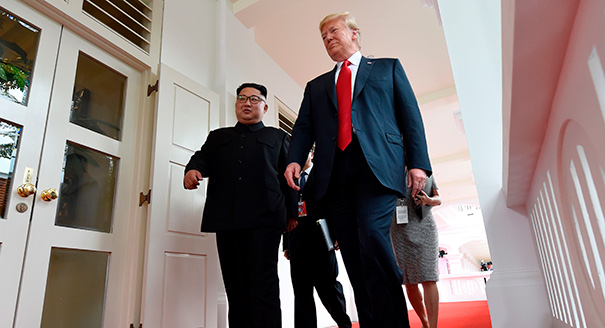
In the course of one morning in Singapore, U.S. President Donald Trump and the North Korean leader Kim Jong-un have begun to loosen a deeply entrenched and hostile relationship.
C. Raja Mohan