

Article
This piece argues that India’s central challenge is not managing a single flashpoint but resolving the underlying tension between expansion and institutional coherency of the BRICS grouping.
Vrinda Sahai
{
  "authors": [],
  "type": "pressRelease",
  "centerAffiliationAll": "dc",
  "centers": [
    "Carnegie Endowment for International Peace"
  ],
  "collections": [],
  "englishNewsletterAll": "ctw",
  "nonEnglishNewsletterAll": "",
  "primaryCenter": "Carnegie Endowment for International Peace",
  "programAffiliation": "russia",
  "programs": [
    "Russia and Eurasia"
  ],
  "projects": [],
  "regions": [
    "Caucasus",
    "Russia"
  ],
  "topics": []
}
REQUIRED IMAGE
While the reset in U.S.-Russia relations has led to significant security accomplishments, less progress has been made on improving Russia’s commitment to democratic reform.
WASHINGTON, November 30—While the reset in U.S.-Russia relations has led to significant security accomplishments, less progress has been made on improving Russia’s commitment to democratic reform. Rather than linking U.S.-Russia cooperation to Moscow’s human rights record or ignoring undemocratic practices, Washington should emphasize how the Kremlin’s actions affect concrete American interests in order to reduce differences on issues of transparency, rule of law, and human rights between the two countries, write Matthew Rojansky and Ambassador James F. Collins in a new paper.
Key Findings and Recommendations:
"By focusing on how Russian domestic policies affect U.S. interests, Washington has a better chance to influence change in Moscow than by holding cooperation hostage to unrealistic goals or by artificially delinking Russia’s domestic policies from the U.S.-Russia relationship," Rojansky and Collins write.
NOTES
Click here to read the full policy outlook
Matthew Rojansky is the deputy director of the Russia and Eurasia Program at the Carnegie Endowment. An expert on U.S. and Russian national security and nuclear weapons policies, his work focuses on relations among the United States, NATO, and the states of the former Soviet Union.
James F. Collins, director of the Carnegie Russia and Eurasia Program, is an expert on the former Soviet Union, its successor states, and on the Middle East. He was the U.S. ambassador to the Russian Federation from (1997–2001).
The Carnegie Russia and Eurasia Program has, since the end of the Cold War, led the field on Eurasian security, including strategic nuclear weapons and nonproliferation, development, economic and social issues, governance, and the rule of law.
Press Contact: Kendra Galante, 202-939-2233, pressoffice@ceip.org

This piece argues that India’s central challenge is not managing a single flashpoint but resolving the underlying tension between expansion and institutional coherency of the BRICS grouping.

Vrinda Sahai
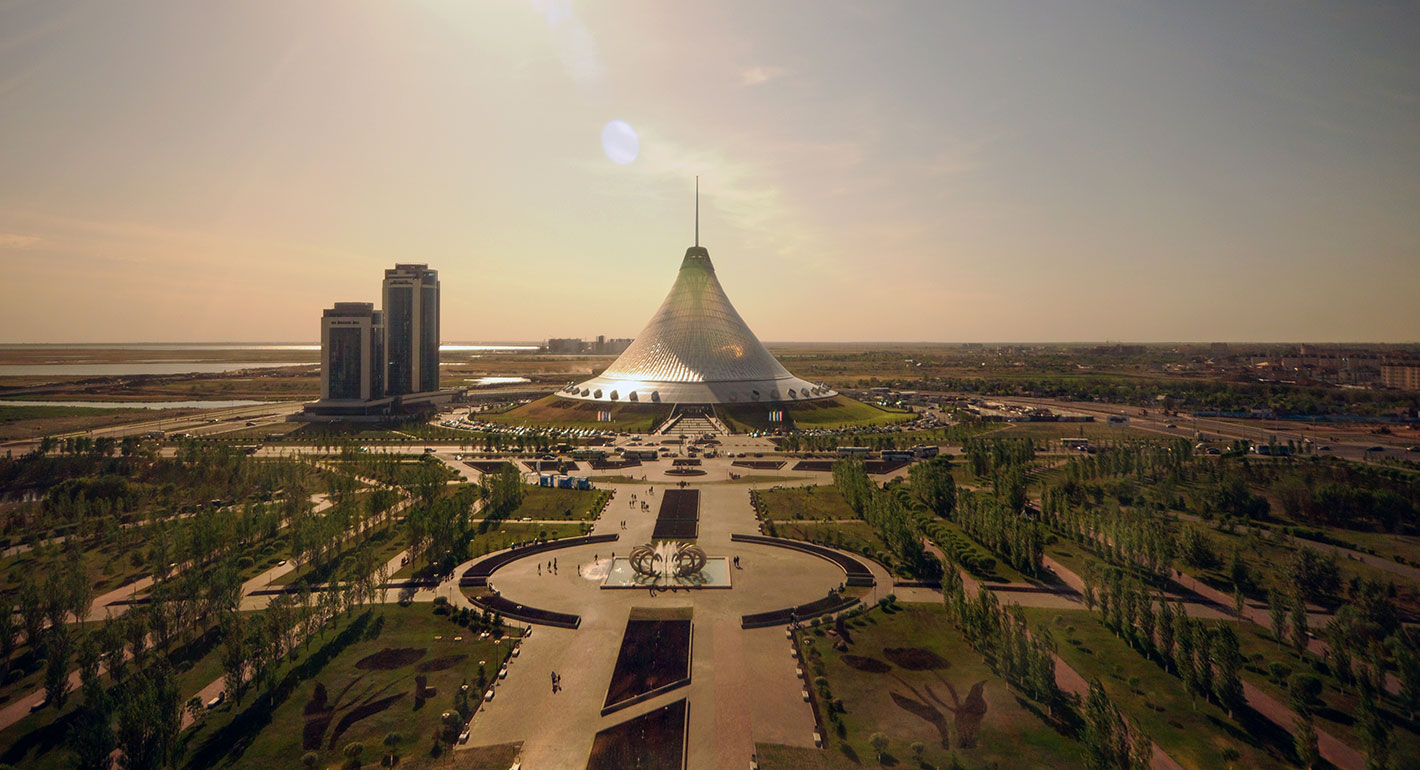
With contributors from various Central Asian nations and beyond, this issue of Seminar provides a selection of perspectives about the past, present, and future trajectory of Central Asia, and the growing role of external actors, particularly India, China, Russia, and the EU in this evolving and dynamic space.
Rhea Menon, Sharanya Rajiv, 64592
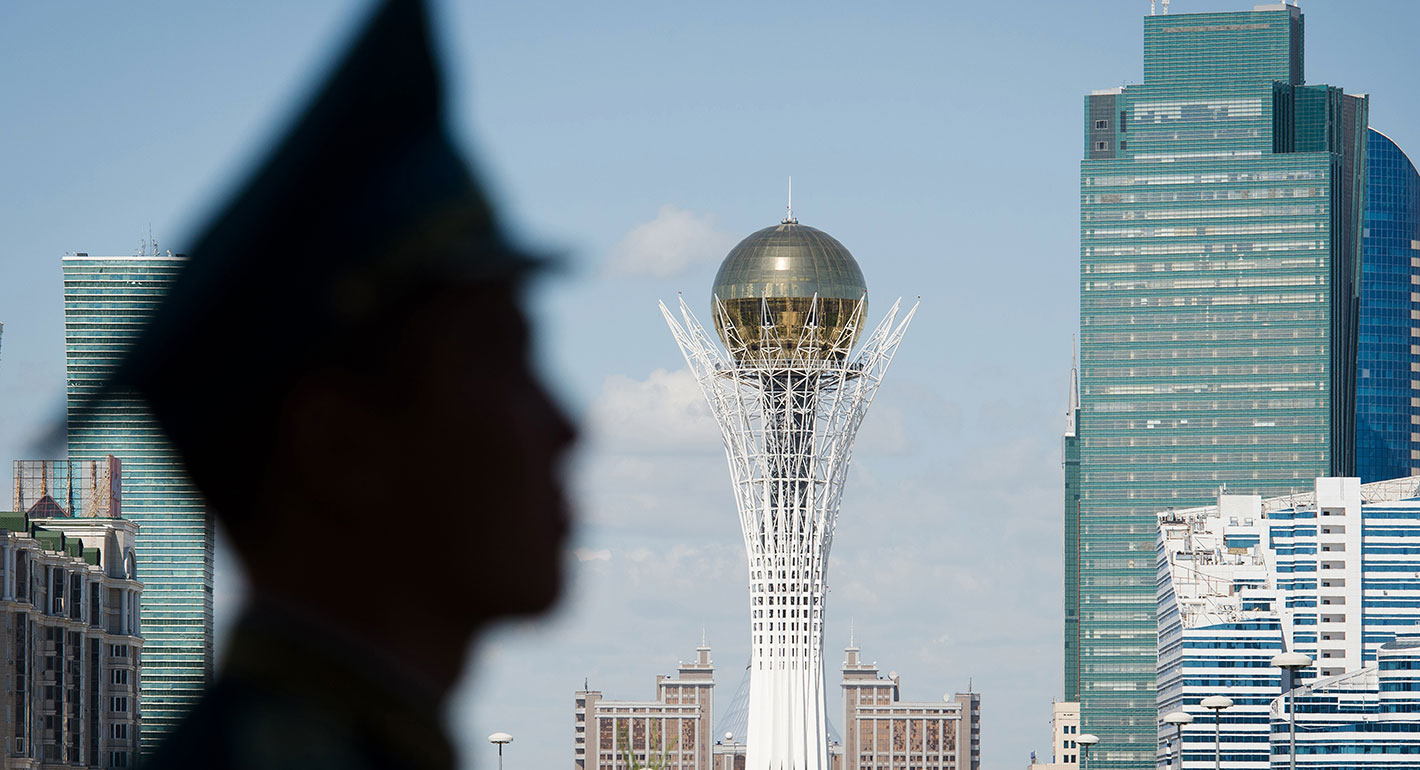
The rise of China as an economic powerhouse in Asia, along with rapid globalization, has brought Central Asia back in the limelight as a bridge connecting the established markets of the West with the emerging markets of the East.
Rhea Menon, Sharanya Rajiv
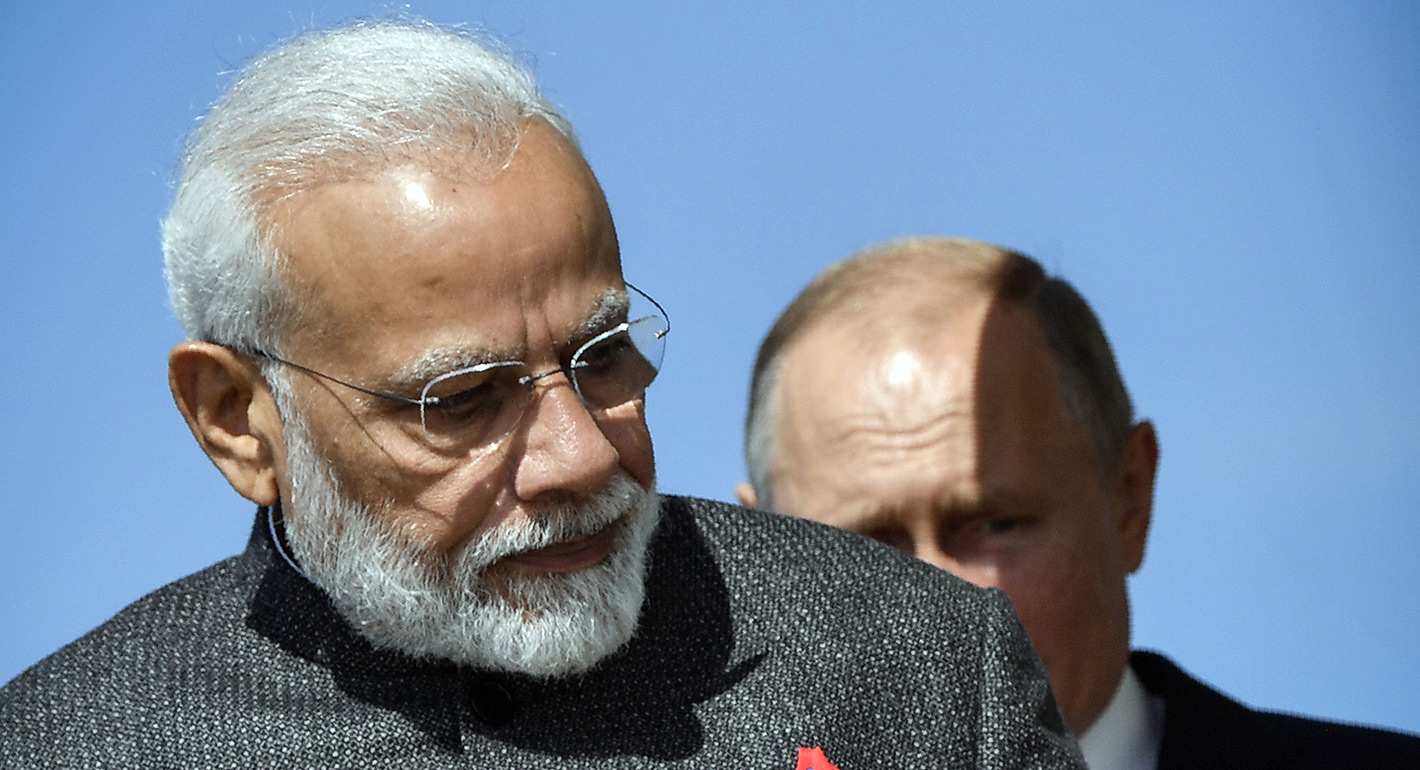
The special and privileged strategic partnership between India and Russia now spans across both Eurasia and the Indo-Pacific.
Sharanya Rajiv, 64592
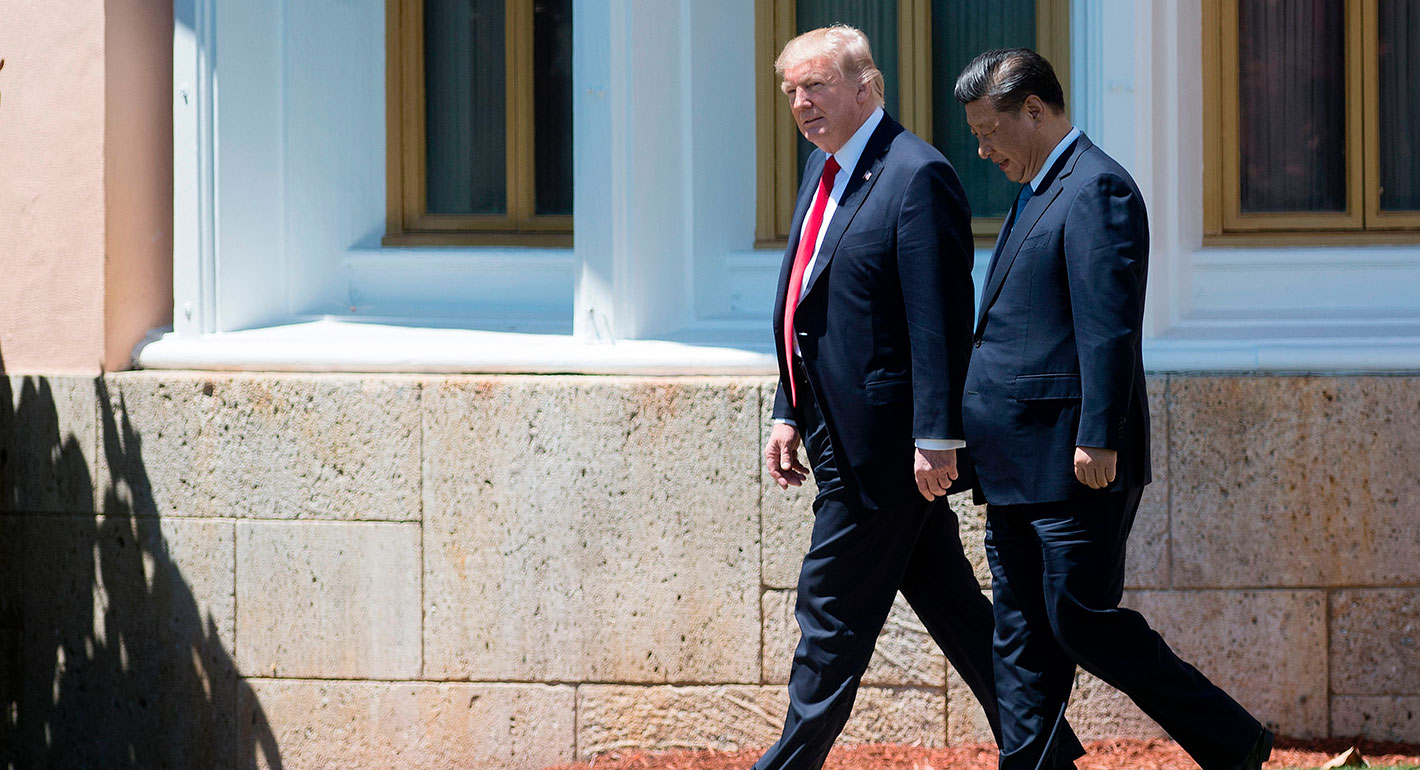
The rejigging of the political relations between the United States, China, and Russia might present New Delhi with fleeting strategic opportunities that need to be seized quickly.
C. Raja Mohan