

In The Media
Martha Brill Olcott
{
  "authors": [
    "Martha Brill Olcott"
  ],
  "type": "testimony",
  "centerAffiliationAll": "dc",
  "centers": [
    "Carnegie Endowment for International Peace",
    "Carnegie Russia Eurasia Center"
  ],
  "collections": [],
  "englishNewsletterAll": "",
  "nonEnglishNewsletterAll": "",
  "primaryCenter": "Carnegie Endowment for International Peace",
  "programAffiliation": "russia",
  "programs": [
    "Russia and Eurasia"
  ],
  "projects": [
    "Eurasia in Transition"
  ],
  "regions": [
    "Central Asia",
    "Kyrgyz Republic"
  ],
  "topics": [
    "Security"
  ]
}
Source: Getty
The international community should focus on pressing the Kyrgyz government to respect the basic human rights of all their citizens and emphasize the importance of equality and accountability before the law.
Source: June 22

Olcott concludes that the international community should focus on pressing the Kyrgyz government “to respect the basic human rights of all their citizens.” She argues that “this more limited approach might make us more effective in trying to ensure that peace prevails in Kyrgyzstan’s south. But there will be no guarantees.”

Former Senior Associate, Russia and Eurasia Program and, Co-director, al-Farabi Carnegie Program on Central Asia
Olcott is professor emerita at Colgate University, having taught political science there from 1974 to 2002. Prior to her work at the endowment, Olcott served as a special consultant to former secretary of state Lawrence Eagleburger.
Recent Work
Martha Brill Olcott
Martha Brill Olcott
Carnegie India does not take institutional positions on public policy issues; the views represented herein are those of the author(s) and do not necessarily reflect the views of Carnegie, its staff, or its trustees.

This piece examines India’s response to U.S. sanctions and tariffs, specifically assessing the immediate market consequences, such as alterations in import costs, and the broader strategic implications for India’s energy security and foreign policy orientation.
Vrinda Sahai
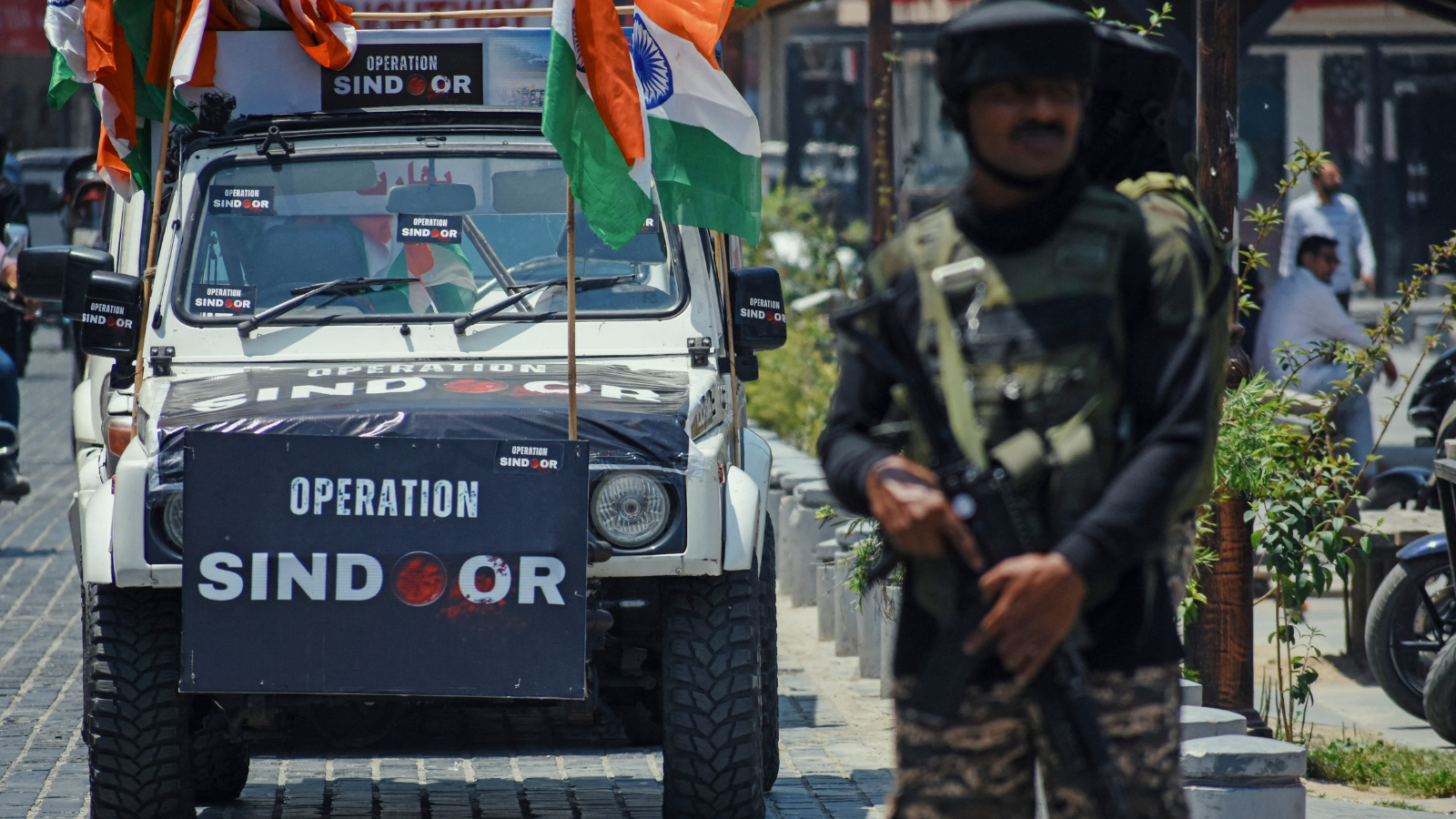
The India-Pakistan conflict that played out between May 6 and May 10, 2025, offers several military lessons. This article presents key takeaways from Operation Sindoor and breaks down how India’s preparations shaped the outcome and what more is needed to strengthen future readiness.

Dinakar Peri
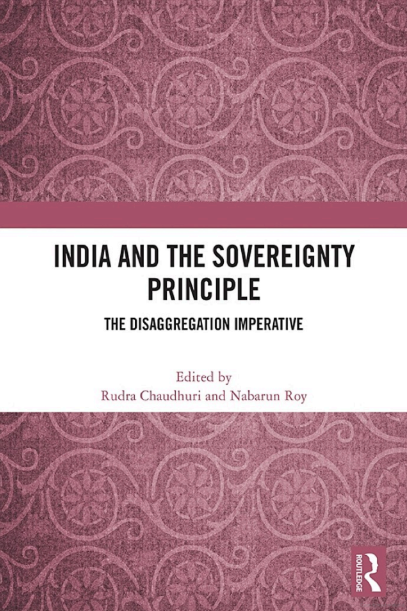
This book offers a comprehensive analysis of India's evolving relationship with sovereignty in a complex global order. Moving beyond conventional narratives, it examines how the sovereignty principle shapes India's behavior across four critical domains—from traditional military power to contemporary data governance.

Rudra Chaudhuri, Nabarun Roy
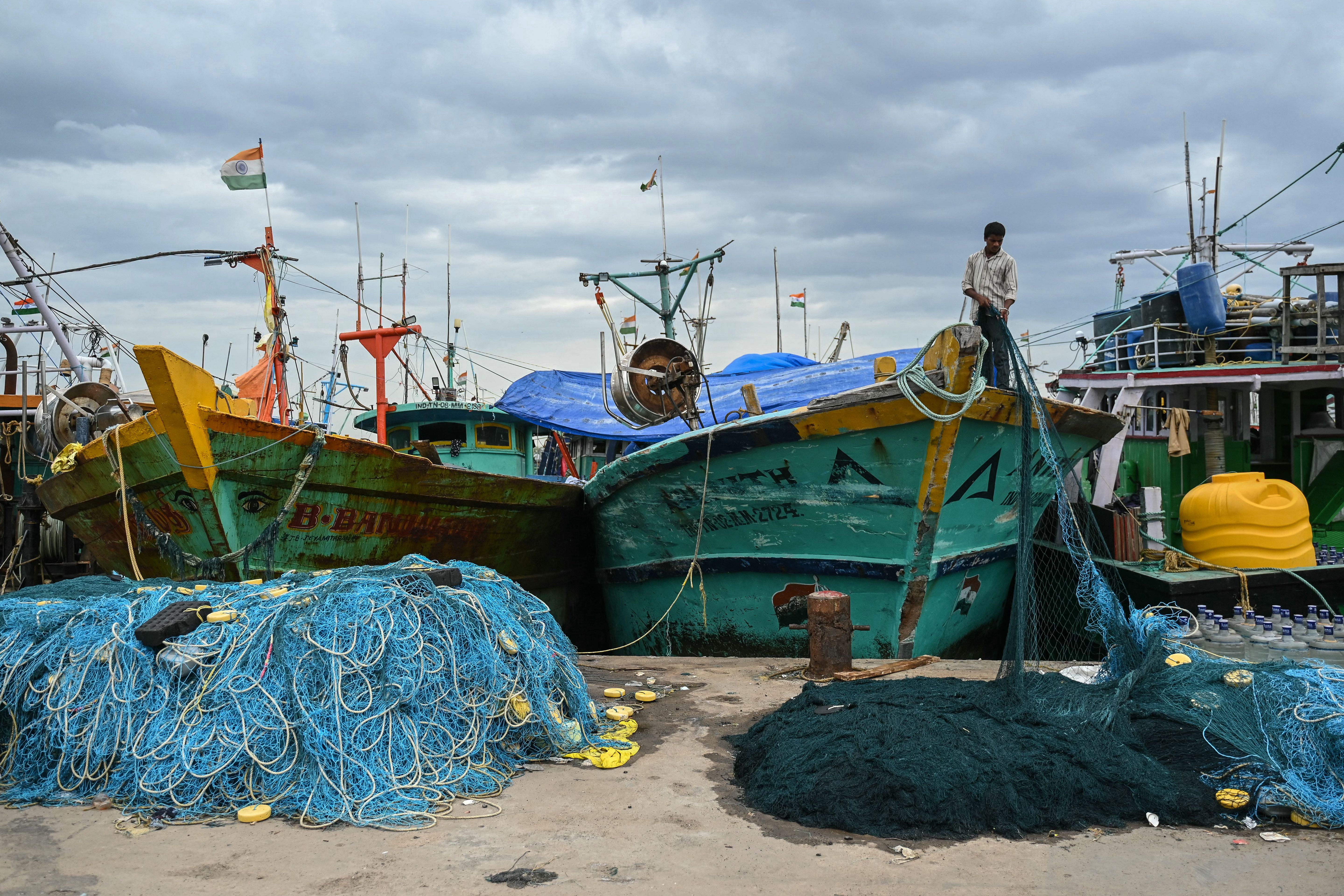
This article examines the scale and impact of Chinese IUU fishing operations globally and identifies the nature of the challenge posed by IUU fishing in the Indian Ocean Region (IOR). It also investigates why existing maritime law and international frameworks have struggled to address this growing threat.


Ajay Kumar, Charukeshi Bhatt
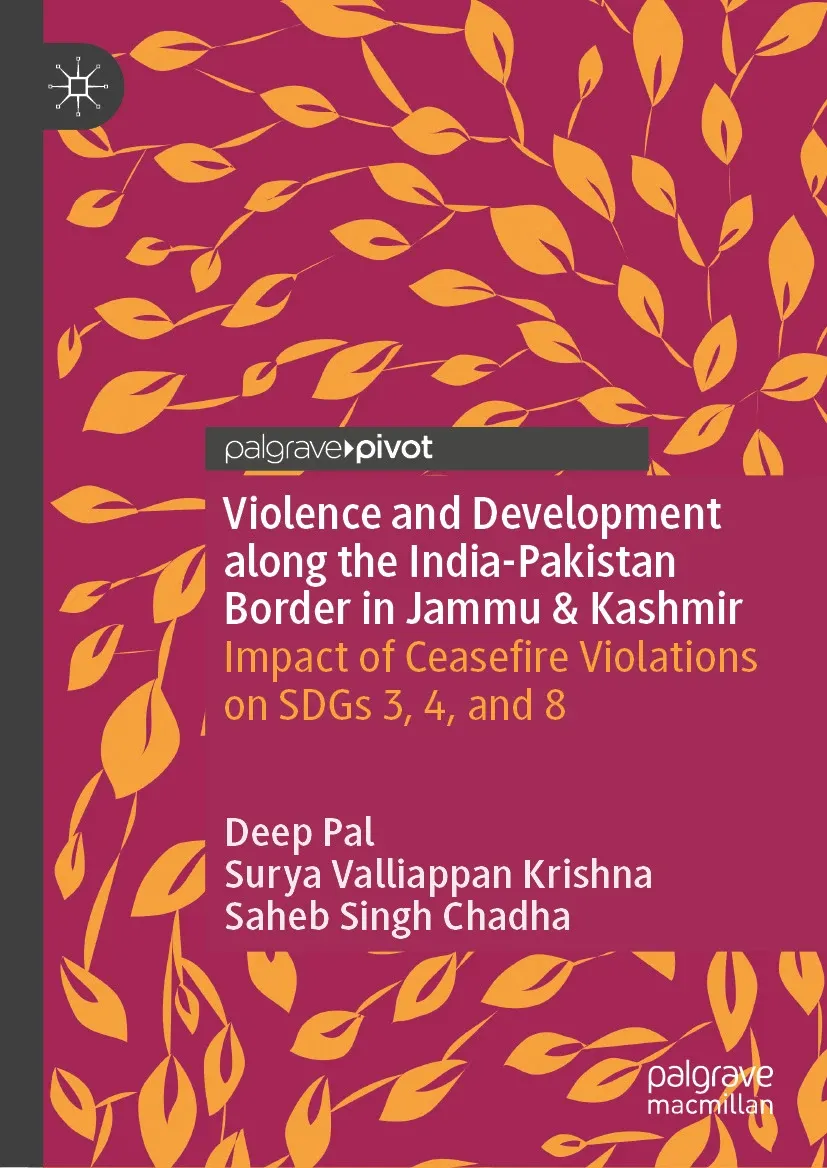
This book examines the impact of cross-border violence on communities living along the Line of Control and the International Border in Jammu and Kashmir, India.



Deep Pal, Surya Valliappan Krishna, Saheb Singh Chadha