• Research
  • About
  • Experts
Carnegie India logoCarnegie lettermark logo
{
  "authors": [
    "Michael Pettis"
  ],
  "type": "legacyinthemedia",
  "centerAffiliationAll": "dc",
  "centers": [
    "Carnegie Endowment for International Peace"
  ],
  "collections": [],
  "englishNewsletterAll": "asia",
  "nonEnglishNewsletterAll": "",
  "primaryCenter": "Carnegie Endowment for International Peace",
  "programAffiliation": "AP",
  "programs": [
    "Asia"
  ],
  "projects": [],
  "regions": [
    "Western Europe"
  ],
  "topics": [
    "Economy",
    "Trade"
  ]
}
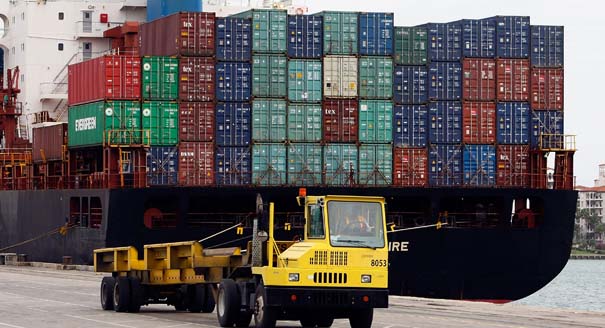
Source: Getty

In The Media

A Deficit Driven by Excess Consumption Must Eventually Reverse

Trade deficits generated by credit-fueled consumption are unsustainable, and can be reversed by either shifts in the policies of surplus-producing countries abroad or by crippling austerity at home.

Link Copied
By Michael Pettis
Published on Dec 16, 2011

Source: Economist

A Deficit Driven by Excess Consumption Must EventuTrade deficits, or more concretely current account deficits, have to be financed by net capital inflows, and it is really the cause of the deficit and the nature of the financing that determines whether or not persistent trade deficits are harmful. If a country is running a trade deficit mainly because domestic investment levels are very high, the high investment levels should generate enough growth in the economy that the costs of servicing the foreign capital inflow can easily be covered. In that case many years of trade deficits are unlikely to be a problem. 

If a country is running large and persistent trade deficits, however, because a surge in domestic credit has boosted consumption levels excessively and so reduced savings levels, then the resulting increase in debt is clearly unsustainable and will have eventually to be resolved by a reversal in the trade deficit. This is the problem countries like Spain are facing. What is often not recognised is that the credit-fueled consumer boom in Spain was actually caused as much by consumption-repressing policies in Germany as by domestic distortions, and so without a reversal in German polices (and surplus countries historically never accept their responsibility for having created trade distortions), the only way Spain can resolve the persistent trade deficits is via default, devaluation, or very high levels of unemployment for many years. This is a classic kind of "bad" persistent trade deficit.

About the Author

Michael Pettis

Nonresident Senior Fellow, Carnegie China

Michael Pettis is a nonresident senior fellow at the Carnegie Endowment for International Peace. An expert on China’s economy, Pettis is professor of finance at Peking University’s Guanghua School of Management, where he specializes in Chinese financial markets. 

    Recent Work

  • Commentary
    What’s New about Involution?

      Michael Pettis

  • Commentary
    Using China’s Central Government Balance Sheet to “Clean up” Local Government Debt Is a Bad Idea

      Michael Pettis

Michael Pettis
Nonresident Senior Fellow, Carnegie China
Michael Pettis
EconomyTradeWestern Europe

Carnegie India does not take institutional positions on public policy issues; the views represented herein are those of the author(s) and do not necessarily reflect the views of Carnegie, its staff, or its trustees.

More Work from Carnegie India

  • Commentary
    The Impact of U.S. Sanctions and Tariffs on India’s Russian Oil Imports

    This piece examines India’s response to U.S. sanctions and tariffs, specifically assessing the immediate market consequences, such as alterations in import costs, and the broader strategic implications for India’s energy security and foreign policy orientation.

      Vrinda Sahai

  • Paper
    India-China Economic Ties: Determinants and Possibilities

    This paper examines the evolution of India-China economic ties from 2005 to 2025. It explores the impact of global events, bilateral political ties, and domestic policies on distinct spheres of the economic relationship.

      Santosh Pai
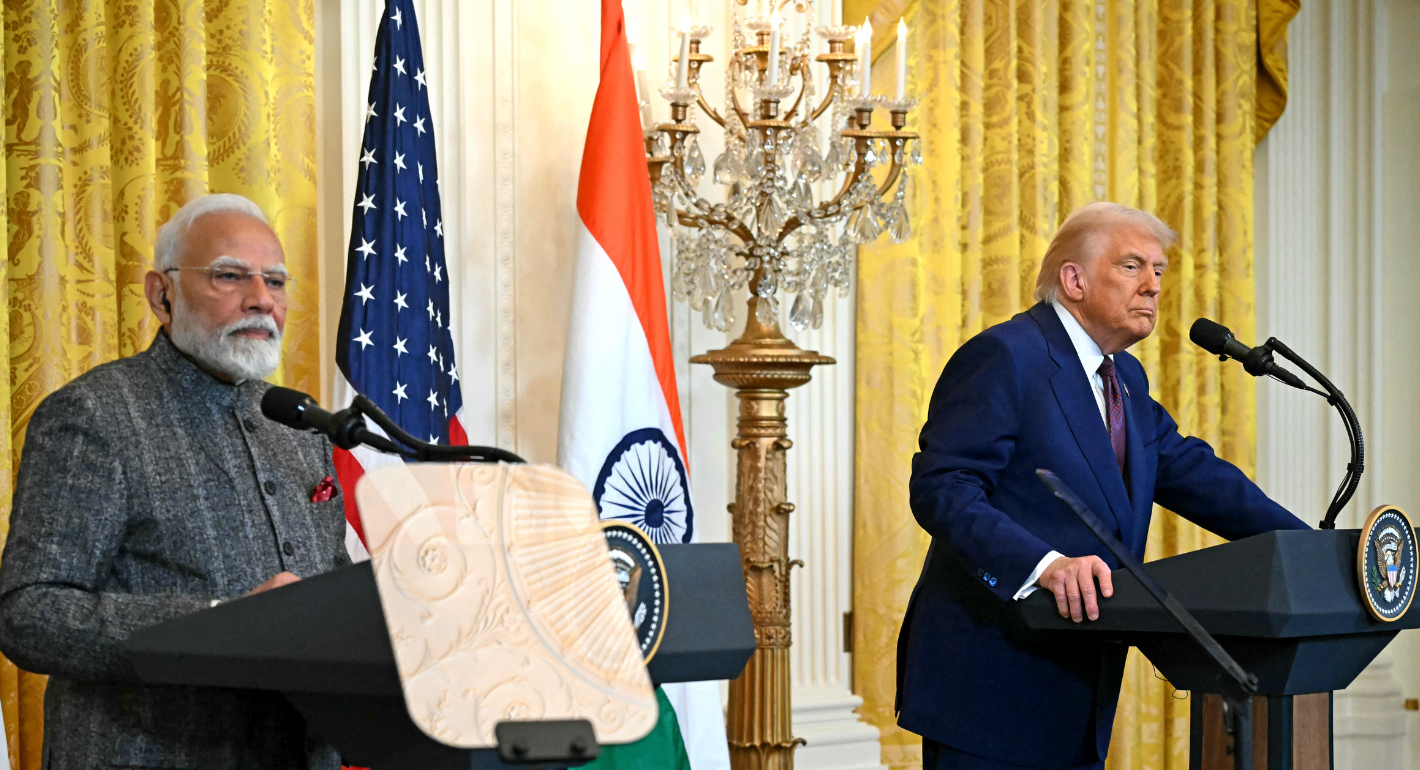
  • Commentary
    TRUST and Tariffs

    The India-U.S. relationship currently appears buffeted between three “Ts”—TRUST, Tariffs, and Trump.
      Arun K. Singh
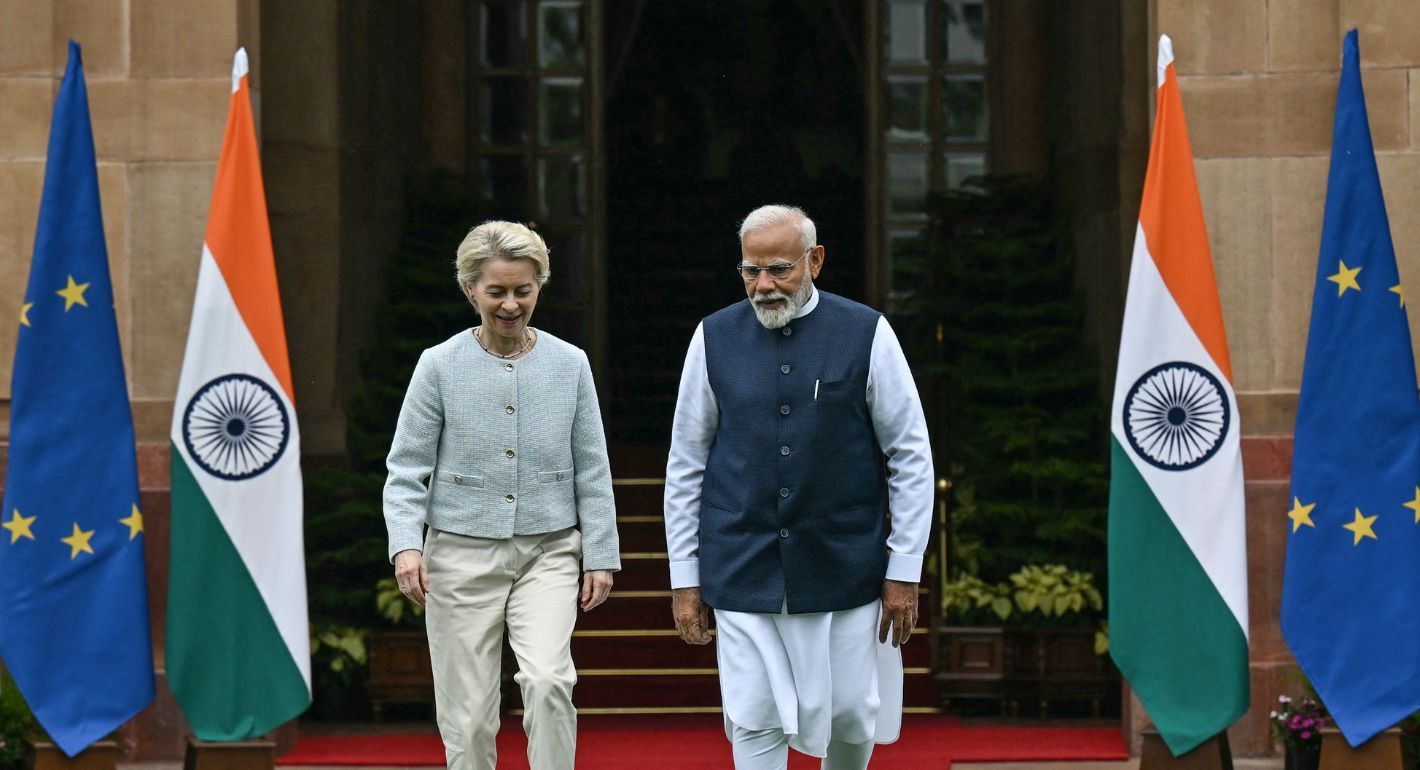
  • Article
    Can Geopolitical Alignment Seal the India-EU FTA?

    This article argues that the geopolitical circumstances have never been more conducive, not merely for the early conclusion of the free trade agreement (FTA) between India and the EU, but also for crafting a substantive and comprehensive strategic partnership.

      Mohan Kumar

  • Article
    A Path Out of Tunisia’s Economic Crisis

    President Kais Saied has won a second term in office, but his country is facing a host of problems that necessitate urgent reforms, above all preventing the possibility of a financial meltdown. 

      Ishac Diwan, Hachemi Alaya, Hamza Meddeb

Get more news and analysis from
Carnegie India
Carnegie India logo, white
Unit C-4, 5, 6, EdenparkShaheed Jeet Singh MargNew Delhi – 110016, IndiaPhone: 011-40078687
  • Research
  • About
  • Experts
  • Projects
  • Events
  • Contact
  • Careers
  • Privacy
  • For Media
Get more news and analysis from
Carnegie India
© 2026 Carnegie Endowment for International Peace. All rights reserved.


