• Research
  • About
  • Experts
Carnegie India logoCarnegie lettermark logo
Technology
{
  "authors": [
    "Pekka Sutela"
  ],
  "type": "other",
  "centerAffiliationAll": "",
  "centers": [
    "Carnegie Endowment for International Peace"
  ],
  "collections": [],
  "englishNewsletterAll": "",
  "nonEnglishNewsletterAll": "",
  "primaryCenter": "Carnegie Endowment for International Peace",
  "programAffiliation": "",
  "programs": [],
  "projects": [],
  "regions": [
    "Western Europe"
  ],
  "topics": [
    "Economy"
  ]
}
REQUIRED IMAGE

REQUIRED IMAGE

Other

Finland’s Approach

Finland sets the prospect of a European crisis against its own experiences two decades ago.

Link Copied
By Pekka Sutela
Published on Dec 6, 2011
What is Finland’s approach to the euro crisis?
Pekka Sutela
Finland sets the prospect of a European crisis against its own experiences two decades ago. A domestic bubble burst and Soviet trade collapsed. The country was met with a banking crisis, production collapsed, and unemployment rose to unprecedented levels. The crisis was overcome with a basket of policies combining fiscal stringency, bank industry rehabilitation, and by taking on some debt. This path was politically popular, and generally Finland sees this as the path others should take now.

Finland’s economy is in modestly good shape. Banks are solid and direct exposure to the crisis countries is limited. The national debt-to-GDP ratio is only now reaching 50 percent of GDP. As the population is quickly growing older, there is little will to increase debt, especially to finance countries seen as unwilling to take the pills Finland took to fight its crisis. Finland does not support eurobonds. National central banks should be the lenders of last resort. Giving that role officially to the European Central Bank would run against traditional Finnish anti-federalist attitudes.

Read more

Finland was, for domestic political reasons, the only country demanding guarantees for financing Greece. Leading center-right politicians have now called for a greater role in European policymaking for the European AAA rated countries like Germany, France, and Finland itself. Others would become second-class EU members, and might wish to exit the eurozone if not the Union. This may indicate a shift in Finnish opinion in favor of a smaller, more Northern-based euro area. The eventual stronger Northern euro would create havoc in Finnish industries mostly dependent on exports outside the eurozone. If last-minute attempts to save the status quo fail, this may still be the preferred alternative. A return to sovereign currency has very little support among the population or decision makers.
Pekka Sutela
Former Nonresident Senior Associate, Russia and Eurasia Program
EconomyWestern Europe

Carnegie India does not take institutional positions on public policy issues; the views represented herein are those of the author(s) and do not necessarily reflect the views of Carnegie, its staff, or its trustees.

More Work from Carnegie India

  • Commentary
    The Impact of U.S. Sanctions and Tariffs on India’s Russian Oil Imports

    This piece examines India’s response to U.S. sanctions and tariffs, specifically assessing the immediate market consequences, such as alterations in import costs, and the broader strategic implications for India’s energy security and foreign policy orientation.

      Vrinda Sahai

  • Paper
    India-China Economic Ties: Determinants and Possibilities

    This paper examines the evolution of India-China economic ties from 2005 to 2025. It explores the impact of global events, bilateral political ties, and domestic policies on distinct spheres of the economic relationship.

      Santosh Pai
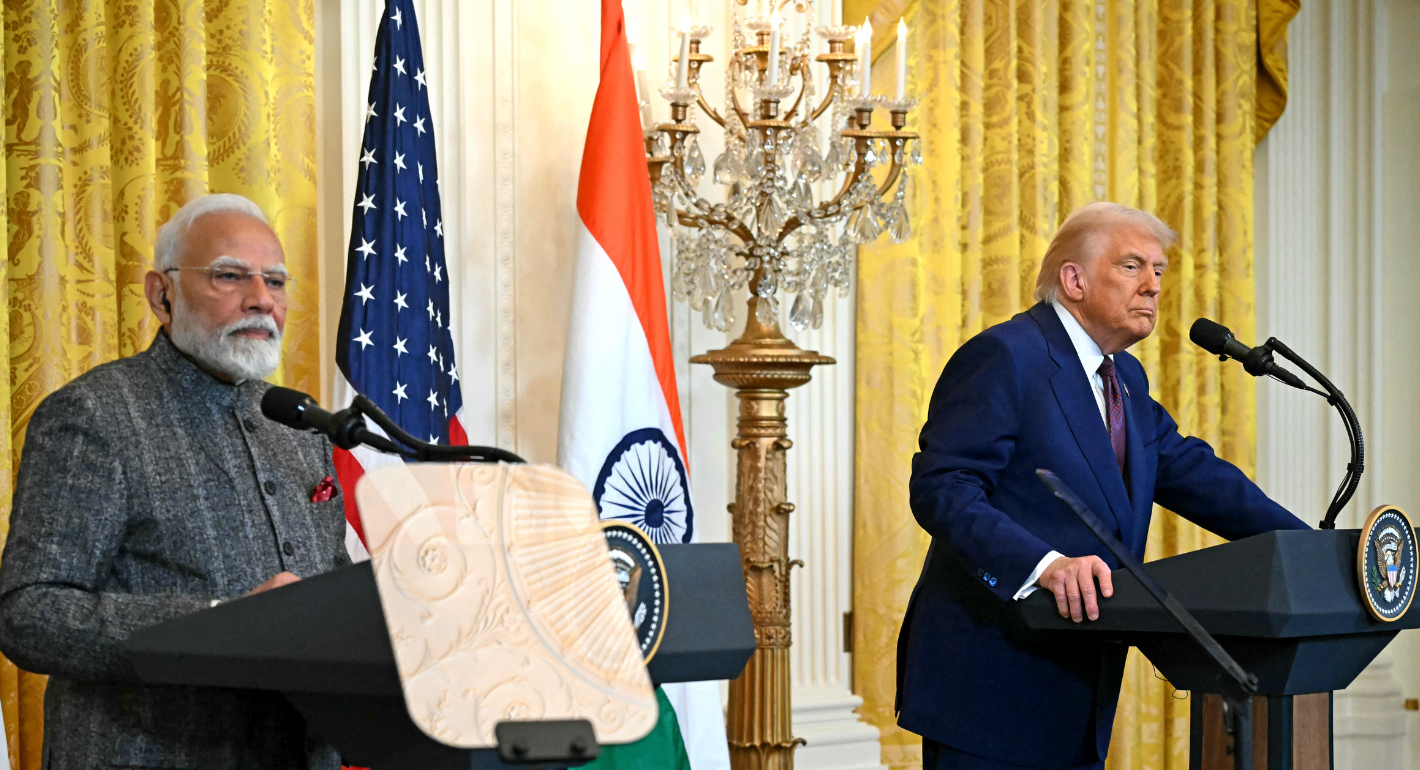
  • Commentary
    TRUST and Tariffs

    The India-U.S. relationship currently appears buffeted between three “Ts”—TRUST, Tariffs, and Trump.
      Arun K. Singh
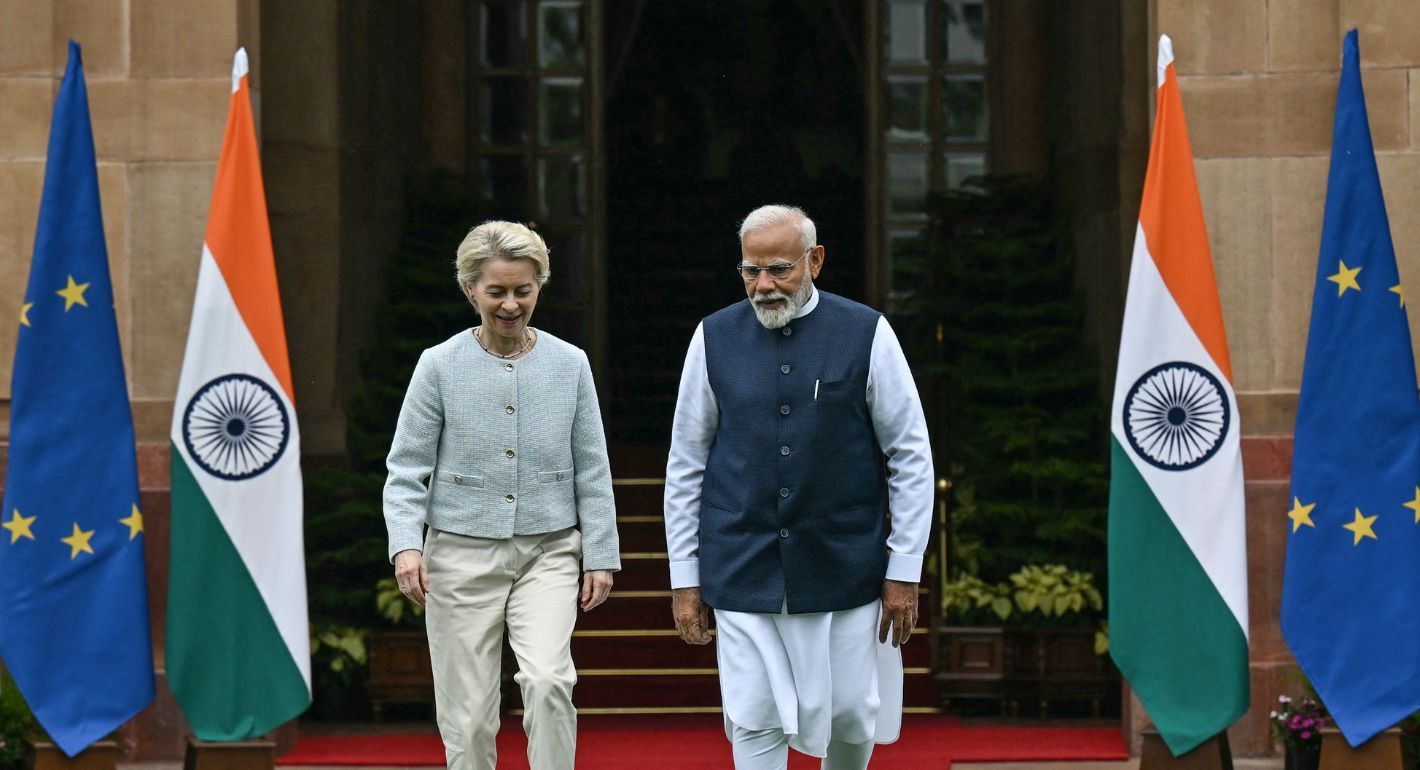
  • Article
    Can Geopolitical Alignment Seal the India-EU FTA?

    This article argues that the geopolitical circumstances have never been more conducive, not merely for the early conclusion of the free trade agreement (FTA) between India and the EU, but also for crafting a substantive and comprehensive strategic partnership.
      Mohan Kumar

  • Article
    A Path Out of Tunisia’s Economic Crisis

    President Kais Saied has won a second term in office, but his country is facing a host of problems that necessitate urgent reforms, above all preventing the possibility of a financial meltdown. 

      Ishac Diwan, Hachemi Alaya, Hamza Meddeb

Get more news and analysis from
Carnegie India
Carnegie India logo, white
Unit C-4, 5, 6, EdenparkShaheed Jeet Singh MargNew Delhi – 110016, IndiaPhone: 011-40078687
  • Research
  • About
  • Experts
  • Projects
  • Events
  • Contact
  • Careers
  • Privacy
  • For Media
Get more news and analysis from
Carnegie India
© 2026 Carnegie Endowment for International Peace. All rights reserved.

