

Commentary
Maria Lipman
{
  "authors": [
    "Maria Lipman"
  ],
  "type": "legacyinthemedia",
  "centerAffiliationAll": "",
  "centers": [
    "Carnegie Endowment for International Peace",
    "Carnegie Russia Eurasia Center"
  ],
  "collections": [],
  "englishNewsletterAll": "",
  "nonEnglishNewsletterAll": "",
  "primaryCenter": "Carnegie Russia Eurasia Center",
  "programAffiliation": "",
  "programs": [],
  "projects": [],
  "regions": [],
  "topics": []
}
Source: Getty
The recent parliamentary elections in Russia offer evidence of the corruption afflicting the country’s political system, as officials manipulated the system to guarantee that the ruling United Russia party would remain in power.
Source: Al Jazeera's Inside Story
Carnegie Moscow Center’s Maria Lipman spoke about the recent parliamentary elections in Russia on Al Jazeera's Inside Story, with presenter Stephen Cole. She was joined by Alexander Nekrassov, a former Kremlin adviser and author, and Ivan Safranchuk, the deputy director of the Institute of Contemporary International Studies in Moscow.
The popularity of the ruling United Russia party has declined over the years, explained Lipman, leaving Russian Prime Minister Vladimir Putin concerned about his legitimacy in Russian society. Officials have resorted to abusing their administrative authority, repressing opposition movements, and fixing national elections to ensure that United Russia remains in power. “Shameless” manipulation pervades Russia’s current electoral process, Lipman said.
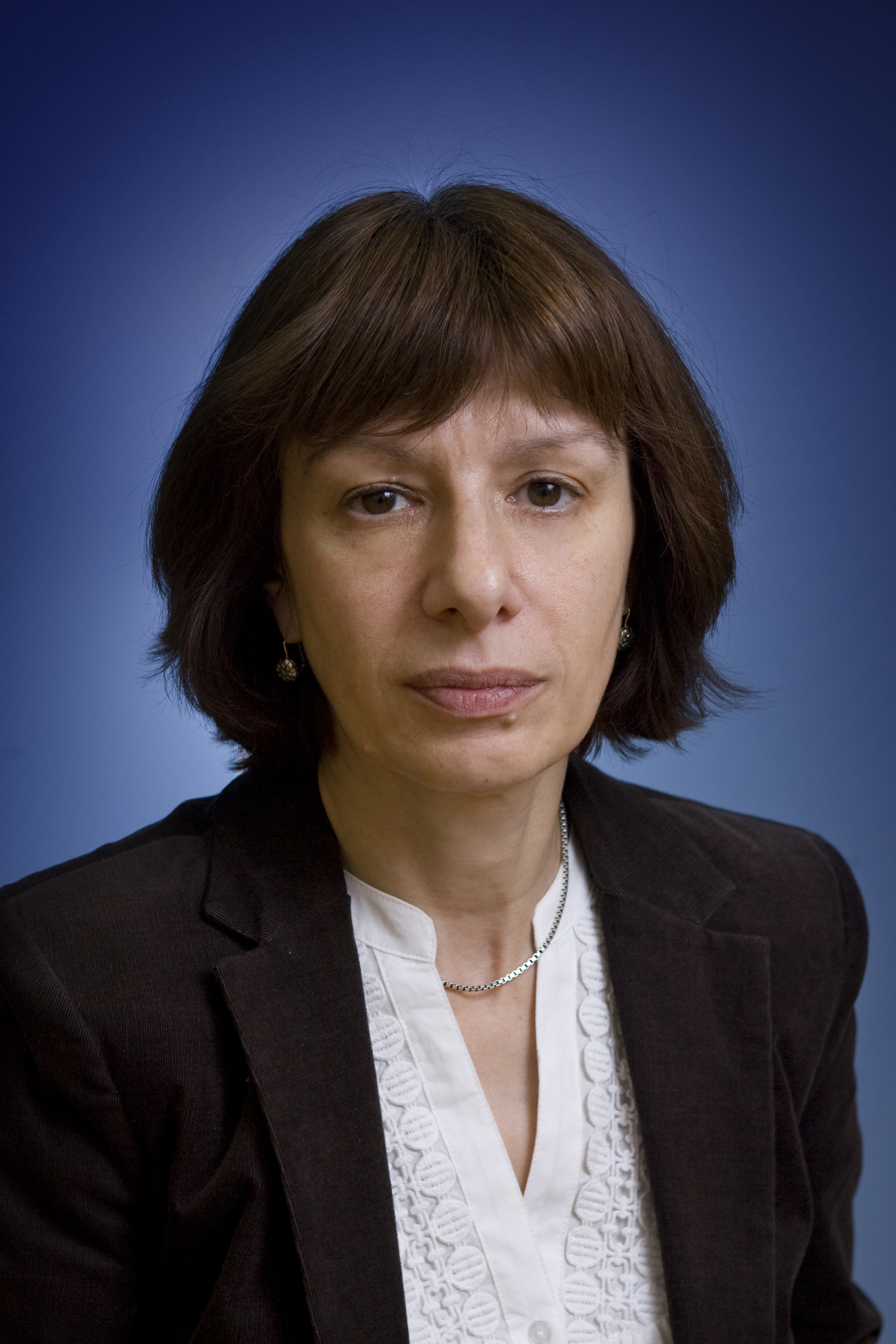
Former Scholar in Residence, Society and Regions Program, Editor in Chief, Pro et Contra, Moscow Center
Lipman was the editor in chief of the Pro et Contra journal, published by the Carnegie Moscow Center. She was also the expert of the Carnegie Moscow Center’s Society and Regions Program.
Recent Work
Maria Lipman
Maria Lipman
Carnegie India does not take institutional positions on public policy issues; the views represented herein are those of the author(s) and do not necessarily reflect the views of Carnegie, its staff, or its trustees.