

Article
The war in Ukraine has demonstrated that India needs to establish a strong domestic space economy in order to weather geopolitical storms.
Konark Bhandari
{
  "authors": [
    "Matthew Rojansky",
    "Igor Munteanu",
    "William Hill"
  ],
  "type": "commentary",
  "centerAffiliationAll": "dc",
  "centers": [
    "Carnegie Endowment for International Peace"
  ],
  "collections": [],
  "englishNewsletterAll": "ctw",
  "nonEnglishNewsletterAll": "",
  "primaryCenter": "Carnegie Endowment for International Peace",
  "programAffiliation": "russia",
  "programs": [
    "Russia and Eurasia"
  ],
  "projects": [],
  "regions": [
    "Eastern Europe",
    "Moldova"
  ],
  "topics": []
}
REQUIRED IMAGE
Prolonged political stalemate in Moldova raises questions about the country’s ability to stay the course of reform despite the lack of immediate and gratifying results.
Prolonged political stalemate in Moldova raises questions about the country’s ability to stay the course of reform despite the lack of immediate and gratifying results. At the same time, December’s election of Yevgeny Shevchuk—a new and younger face in Transnistria—has again raised hopes for normalization of the decades-old conflict with the breakaway region. Is Moldova’s political deadlock proof that the democratic process is working or evidence of a failing system? Is Russia losing the ability to impose its own flagging brand of “sovereign democracy” in nearby separatist enclaves? What can the United States do to encourage Moldova’s slow, but steady progress toward greater implementation of Helsinki commitments?

Former Deputy Director, Russia and Eurasia Program
Rojansky, formerly executive director of the Partnership for a Secure America, is an expert on U.S. and Russian national security and nuclear-weapon policies.
Igor Munteanu
William Hill
Carnegie India does not take institutional positions on public policy issues; the views represented herein are those of the author(s) and do not necessarily reflect the views of Carnegie, its staff, or its trustees.
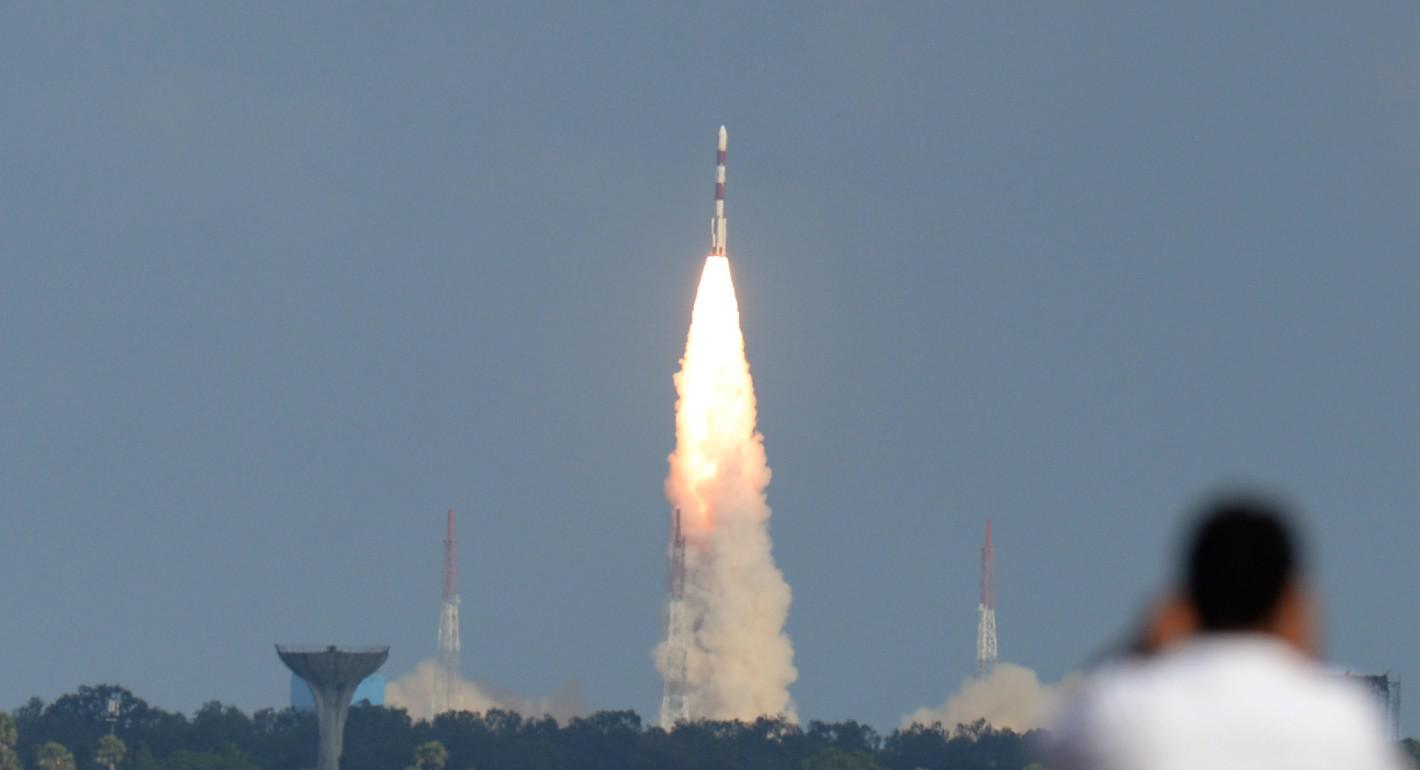
The war in Ukraine has demonstrated that India needs to establish a strong domestic space economy in order to weather geopolitical storms.

Konark Bhandari
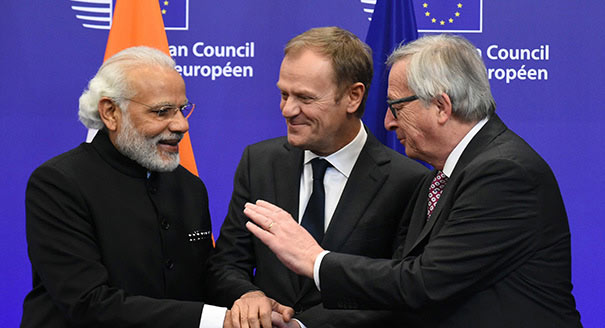
To counter the rise of isolationist, unilateral, and authoritarian forces, India and the Europe must strengthen their relationship beyond mere economic and transactional arrangements.
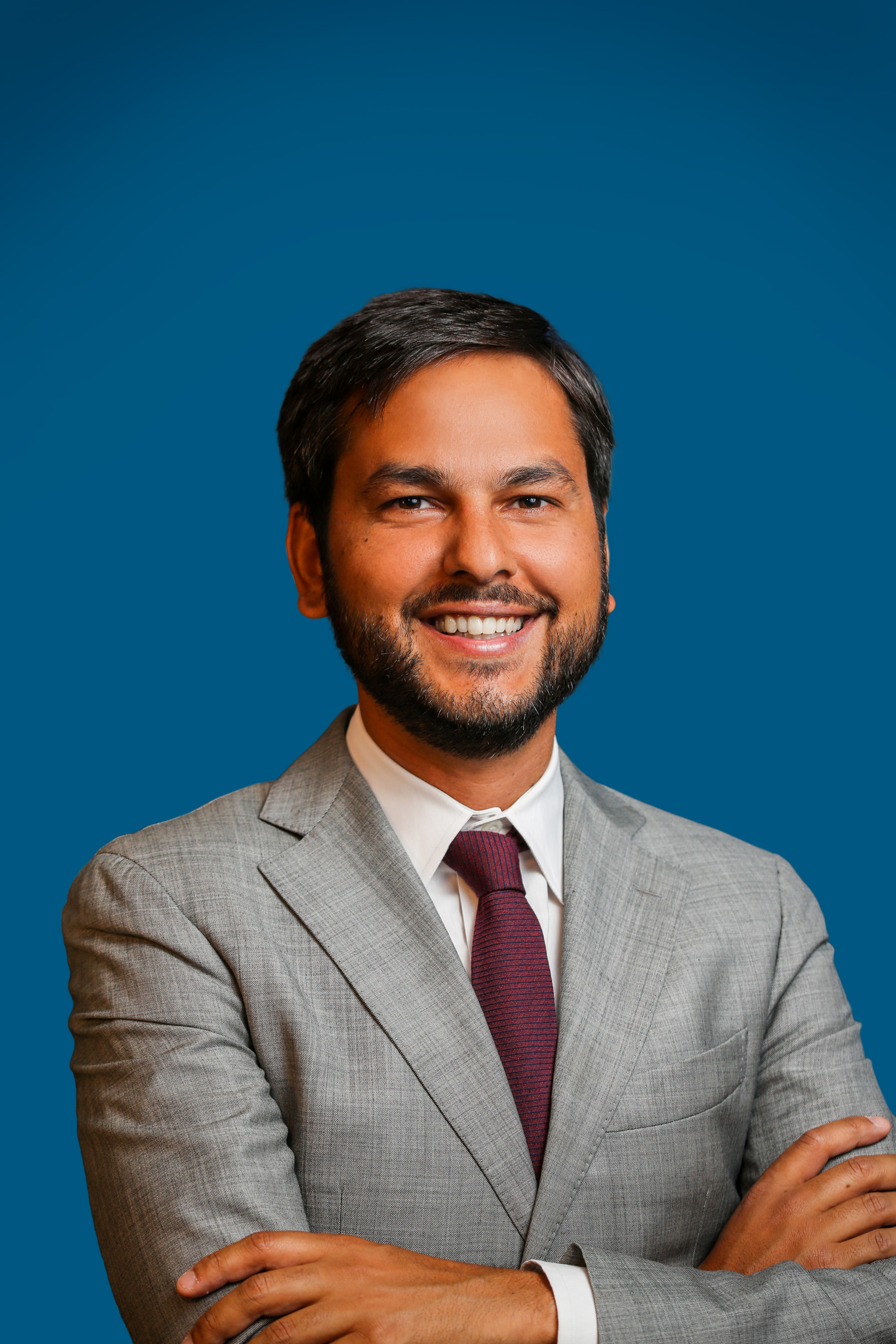
Constantino Xavier
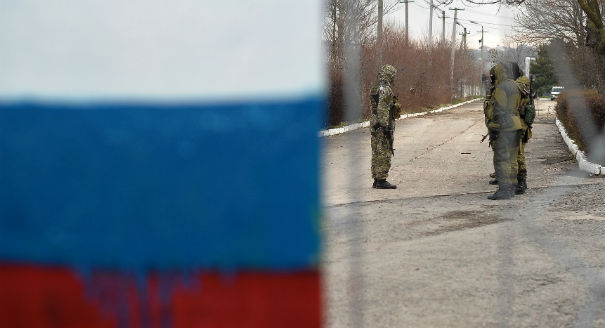
As the crisis in Crimea deepens, the formal arguments between Russia and the West are about two perennial themes in international politics—sovereignty and intervention.
C. Raja Mohan