

Commentary
Nathalie Tocci, Jan Techau
{
  "authors": [
    "Jan Techau"
  ],
  "type": "legacyinthemedia",
  "centerAffiliationAll": "",
  "centers": [
    "Carnegie Endowment for International Peace",
    "Carnegie Europe"
  ],
  "collections": [
    "Transatlantic Cooperation"
  ],
  "englishNewsletterAll": "",
  "nonEnglishNewsletterAll": "",
  "primaryCenter": "Carnegie Europe",
  "programAffiliation": "",
  "programs": [],
  "projects": [],
  "regions": [
    "Europe",
    "North America"
  ],
  "topics": [
    "Foreign Policy"
  ]
}
Source: Getty
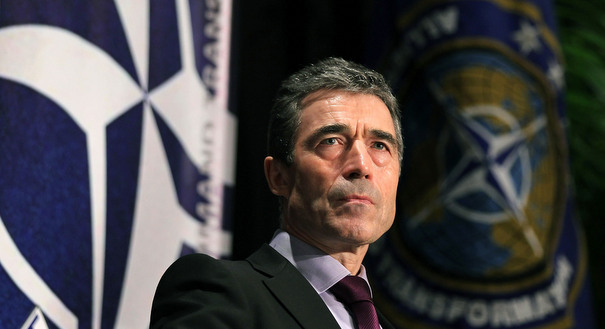
While the EU’s economic and political crisis is being covered around the world, only a handful of transatlantic experts are witnessing the crisis befalling NATO.
Source: Europe's World

NATO is in crisis because the European security market now runs a very real risk of losing its most important purveyor of military power: the United States. Americans have decided for financial and geopolitical reasons, and also out of ignorance, that their strategic interests in Europe are now secondary to those in Asia. As a result, America is to reduce its military footprint in Europe, even though it’s the footprint that anchored global affairs in security and stability for the past six decades; no other region of the world is as wealthy, free, democratic, innovative and responsible as the North Atlantic.
Worse, America is losing its sense of responsibility for Europe, despite its crucial importance to its own security and economic well-being. And Europeans, out of weakness and a complete misreading of geopolitical realities together with sheer laziness, seem to be letting this happen as if it were just another minor inconvenience. Instead of investing in the alliance to ensure it remains of interest to its key member, they consistently cut their defence budgets. Both American and European leaders thus seem to have forgotten the basic geopolitical lessons that their forebears learned the hard way.This bout of collective amnesia comes at a very bad time. Today’s threats cannot be resolved by individual nations. They are also threats that are less predictable, more complicated and more expensive to counter. The biggest threat to security and stability in Europe, however, is the inability of European nations to recognise that their sovereignty can only be retained if they are willing to share it. Alliances are therefore needed more than ever – but in ways that are fundamentally different.
Karl-Heinz Kamp is right that in Chicago NATO members will be talking about “smart defence”, a new take on the age-old idea of pooling and sharing military assets. This may sound boring, but in reality it’s dynamite. Smart defence touches upon all the most crucial issues, from diverging ambitions, to lack of money, obsessions about sovereignty and a widespread lack of trust. If ever it were to be implemented, everything we think we know about NATO would change: budgets, defence planning, training, force generation, operations, internal decision-making and the organisational set-up. Transnational military assets would require transnational planning, budgeting and command procedures. New ways to establish parliamentary legitimacy and political oversight would have to be found. So military pooling and sharing would lead to political pooling and sharing; no wonder defence ministries are at best lukewarm about smart defence. They either don’t understand its scope, or if they do they see it as a threat. Progress in Chicago on smart defence will therefore be small, with few tangible results to come out of the summit. Transatlantic drift will continue, but at least the remedy is known. It may seem like science fiction, but it is NATO’s last hope.

Director, Europe Team, Eurasia Group
Techau is director with Eurasia Group's Europe team, covering Germany and European security from Berlin. Previously, he was director of Carnegie Europe.
Recent Work

Nathalie Tocci, Jan Techau
Jan Techau
Carnegie India does not take institutional positions on public policy issues; the views represented herein are those of the author(s) and do not necessarily reflect the views of Carnegie, its staff, or its trustees.

This piece examines India’s response to U.S. sanctions and tariffs, specifically assessing the immediate market consequences, such as alterations in import costs, and the broader strategic implications for India’s energy security and foreign policy orientation.

Vrinda Sahai
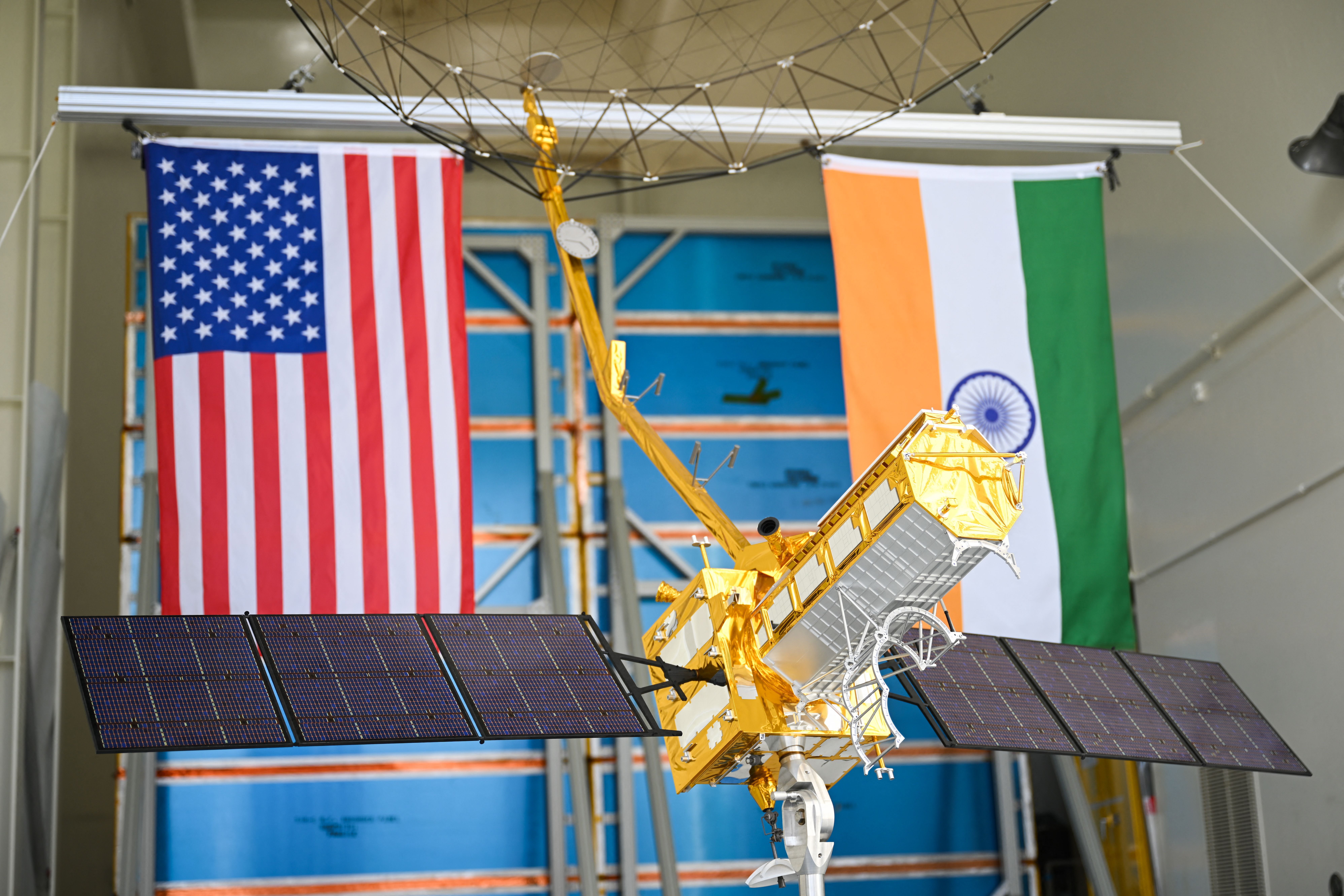
On July 30, 2025, the United States announced 25 percent tariffs on Indian goods. While diplomatic tensions simmered on the trade front, a cosmic calm prevailed at the Sriharikota launch range. Officials from NASA and ISRO were preparing to launch an engineering marvel into space—the NASA-ISRO Synthetic Aperture Radar (NISAR), marking a significant milestone in the India-U.S. bilateral partnership.

Tejas Bharadwaj
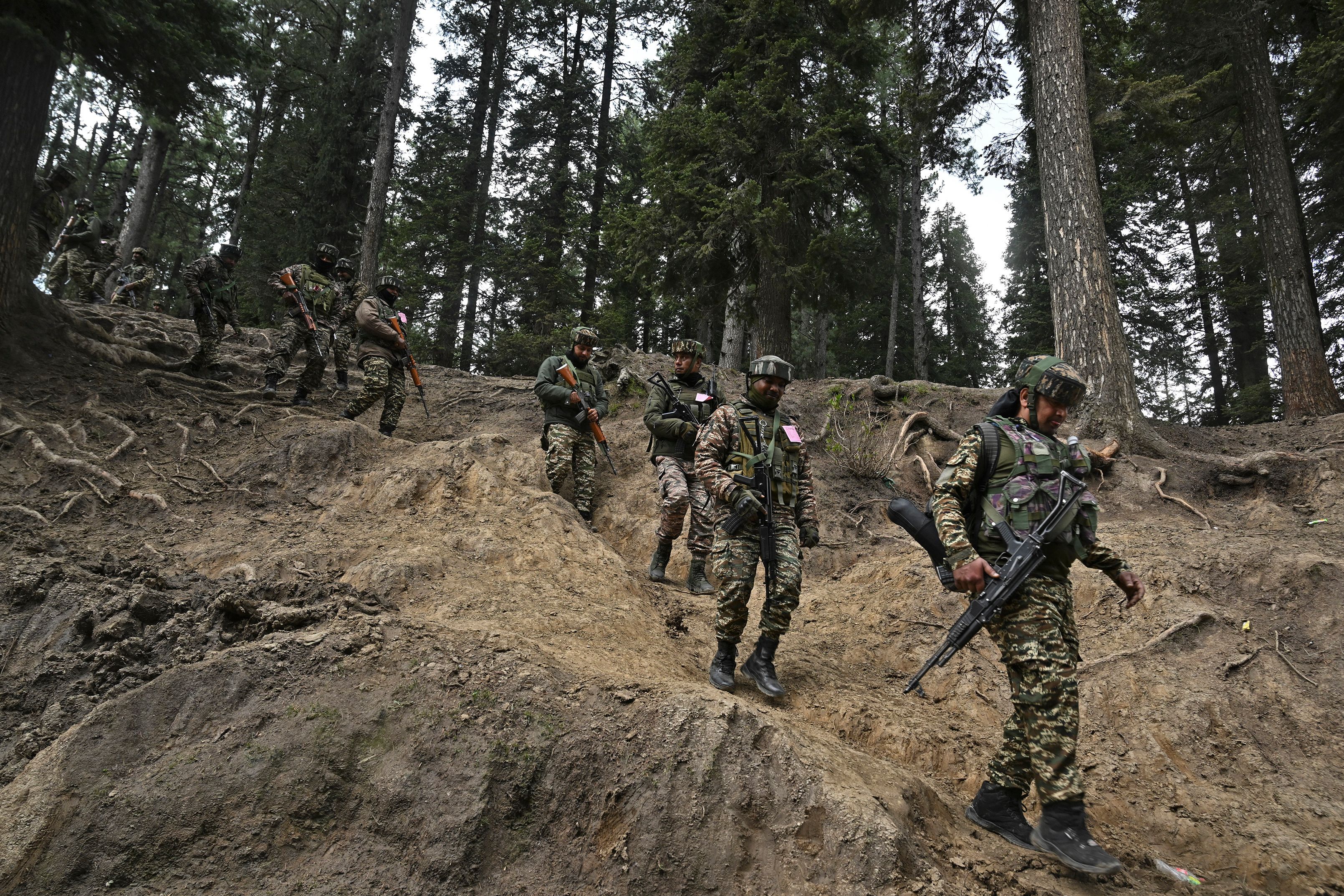
On May 7, 2025, between 1:05 and 1:30 a.m. (IST), airstrikes carried out by the Indian Air Force hit nine locations inside Pakistan and Pakistan occupied Kashmir (PoK). It was codenamed Operation Sindoor.

Rudra Chaudhuri

This compendium brings together three essays by scholars who participated in Carnegie India's Security Studies Dialogue in 2024, each examining a different aspect of China’s policies. Drawing on their expertise and research, the authors offer fresh perspectives on key geopolitical challenges.

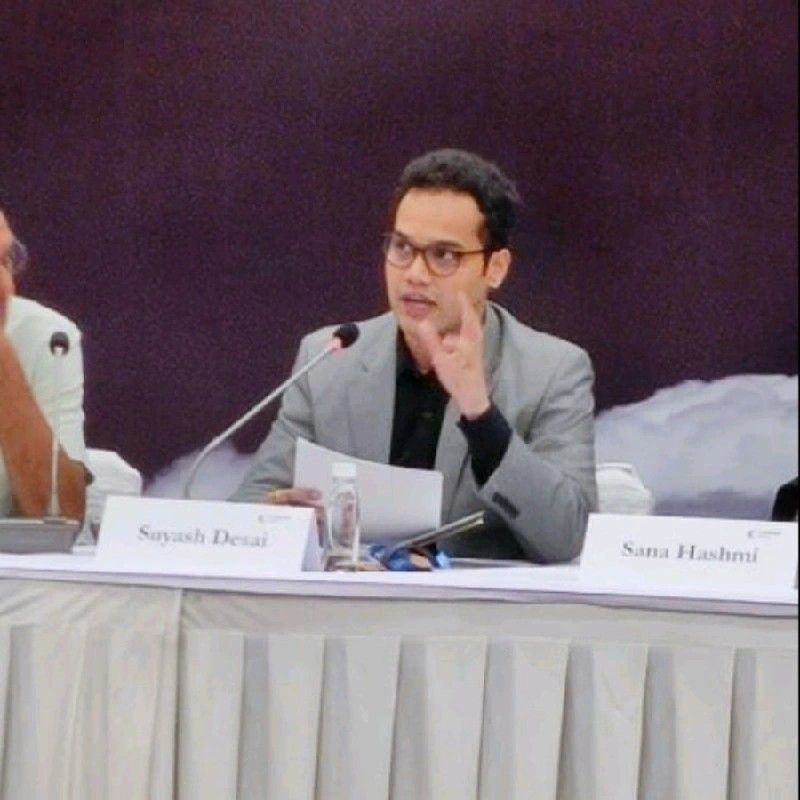

Vijay Gokhale, Suyash Desai, Amit Kumar, …

As part of the TRUST initiative, leaders of the two countries committed to building trusted and resilient supply chains, including for semiconductors and critical minerals. India and the United States have made steady progress in this area over the years. This essay explores the takeaways from discussions on semiconductor supply chains that took place at Carnegie India’s 9th Global Technology Summit.

Konark Bhandari