

Commentary
Judy Dempsey
{
  "authors": [
    "Judy Dempsey"
  ],
  "type": "legacyinthemedia",
  "centerAffiliationAll": "",
  "centers": [
    "Carnegie Endowment for International Peace",
    "Carnegie Europe"
  ],
  "collections": [
    "Transatlantic Cooperation"
  ],
  "englishNewsletterAll": "",
  "nonEnglishNewsletterAll": "",
  "primaryCenter": "Carnegie Europe",
  "programAffiliation": "",
  "programs": [],
  "projects": [],
  "regions": [
    "Europe",
    "North America"
  ],
  "topics": [
    "Foreign Policy"
  ]
}
Source: Getty
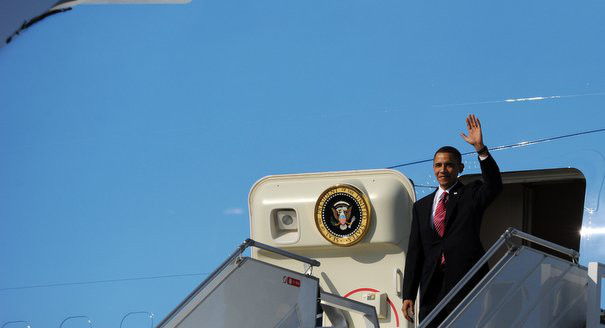
Europeans prefer Barack Obama to Mitt Romney, but, whoever wins in November, America is turning its gaze eastward.
Source: New York Times

As I write in my latest Page Two column: Romney’s ideas and policies have raised hackles in many European capitals. “Romney in the White House would be bad news for Europe,” one high-ranking European diplomat told me.
The Europeans support the Democrats, mostly for cultural and historical reasons. The Democrats are mostly secular in outlook and believe the state has much more of a role to play in providing some basic services than the Republicans.
That is why Europeans found it difficult to understand why the Republicans were so against Mr. Obama’s plans for mandatory health insurance.Europeans also find it very difficult to relate to the growing role of religion among American conservatives. They have not forgotten how former president George W. Bush justified the war in Iraq as a war against evil. They also see how the Christian right exerts huge influence when it comes to Israel.
But for all the differences, the Europeans may discover after next November that the Democrats and Republicans have a few things in common.
Both worry about China, and so will shift U.S. foreign policy towards Asia.
Both are no longer willing to foot the bill for European security and NATO’s inefficiencies.
And whatever Republicans might say, there is no longer the appetite or the money for any more big military campaigns.
The Europeans have yet to take stock of such shifts in the transatlantic relationship.

Nonresident Senior Fellow, Carnegie Europe
Dempsey is a nonresident senior fellow at Carnegie Europe
Recent Work
Judy Dempsey
Judy Dempsey
Carnegie India does not take institutional positions on public policy issues; the views represented herein are those of the author(s) and do not necessarily reflect the views of Carnegie, its staff, or its trustees.

This piece examines India’s response to U.S. sanctions and tariffs, specifically assessing the immediate market consequences, such as alterations in import costs, and the broader strategic implications for India’s energy security and foreign policy orientation.
Vrinda Sahai
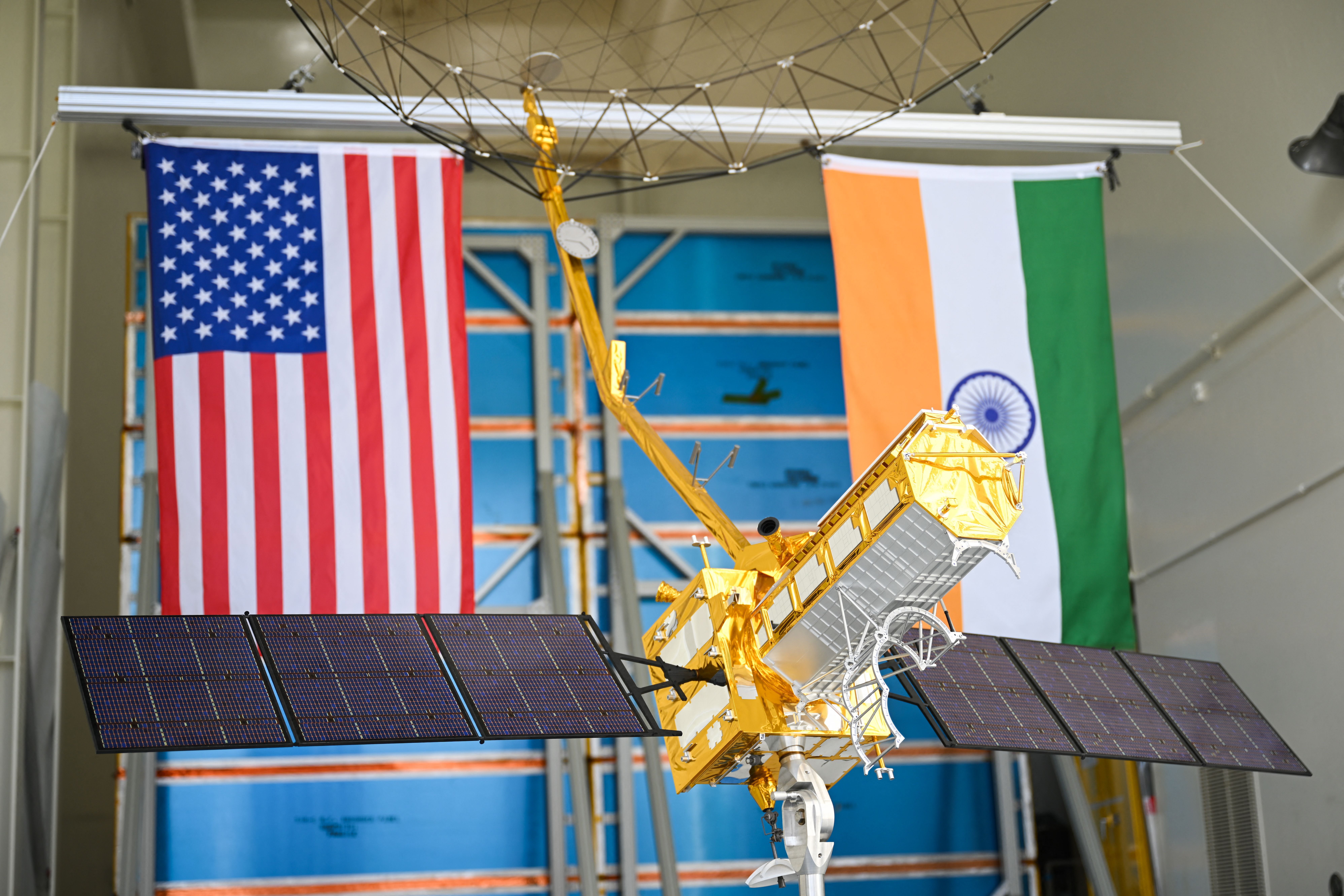
On July 30, 2025, the United States announced 25 percent tariffs on Indian goods. While diplomatic tensions simmered on the trade front, a cosmic calm prevailed at the Sriharikota launch range. Officials from NASA and ISRO were preparing to launch an engineering marvel into space—the NASA-ISRO Synthetic Aperture Radar (NISAR), marking a significant milestone in the India-U.S. bilateral partnership.

Tejas Bharadwaj
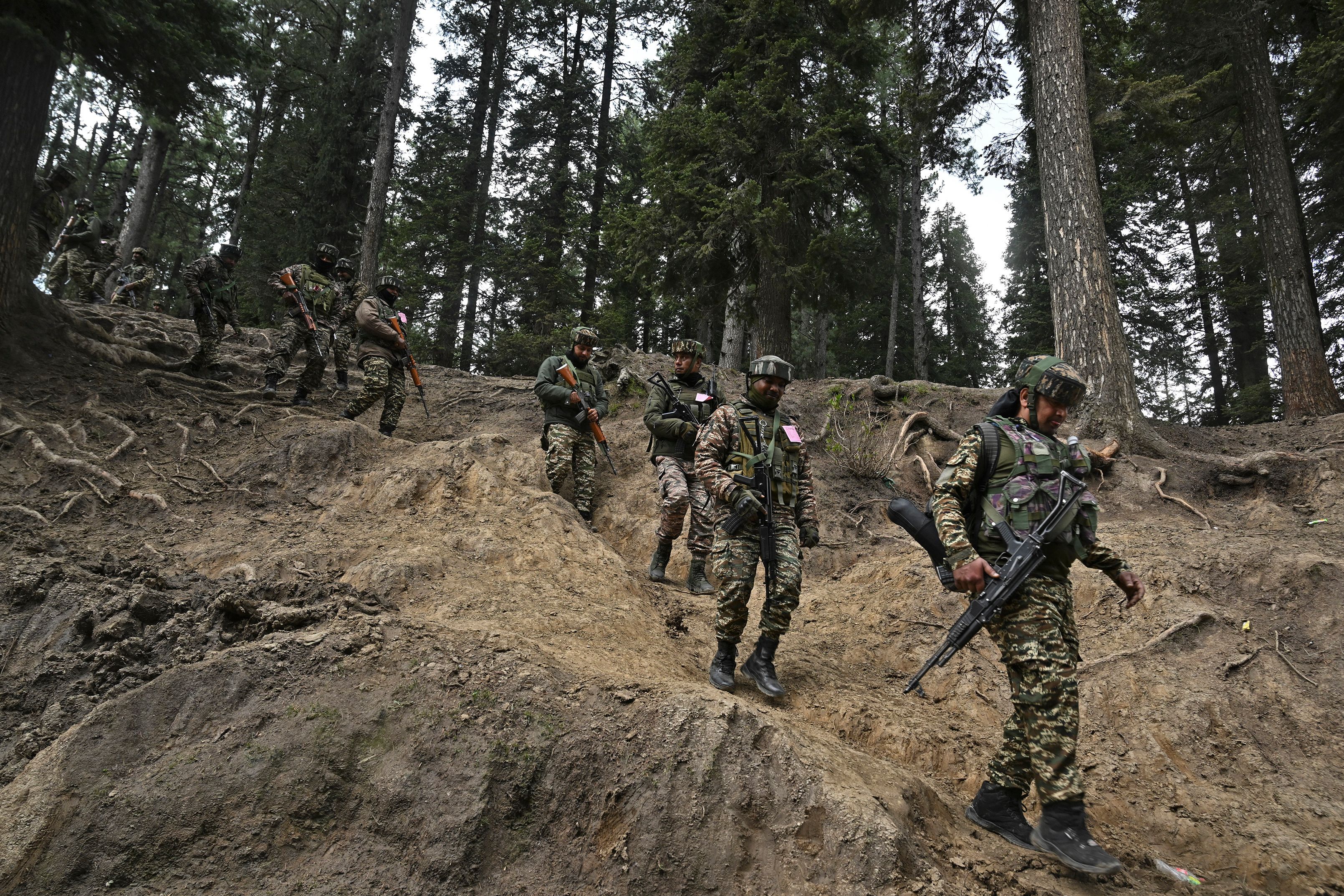
On May 7, 2025, between 1:05 and 1:30 a.m. (IST), airstrikes carried out by the Indian Air Force hit nine locations inside Pakistan and Pakistan occupied Kashmir (PoK). It was codenamed Operation Sindoor.

Rudra Chaudhuri

This compendium brings together three essays by scholars who participated in Carnegie India's Security Studies Dialogue in 2024, each examining a different aspect of China’s policies. Drawing on their expertise and research, the authors offer fresh perspectives on key geopolitical challenges.
Vijay Gokhale, Suyash Desai, Amit Kumar, …

As part of the TRUST initiative, leaders of the two countries committed to building trusted and resilient supply chains, including for semiconductors and critical minerals. India and the United States have made steady progress in this area over the years. This essay explores the takeaways from discussions on semiconductor supply chains that took place at Carnegie India’s 9th Global Technology Summit.

Konark Bhandari