• Research
  • About
  • Experts
Carnegie India logoCarnegie lettermark logo
{
  "authors": [
    "David J. Kramer",
    "Lilia Shevtsova"
  ],
  "type": "legacyinthemedia",
  "centerAffiliationAll": "",
  "centers": [
    "Carnegie Endowment for International Peace",
    "Carnegie Russia Eurasia Center"
  ],
  "collections": [],
  "englishNewsletterAll": "",
  "nonEnglishNewsletterAll": "",
  "primaryCenter": "Carnegie Russia Eurasia Center",
  "programAffiliation": "",
  "programs": [],
  "projects": [
    "Eurasia in Transition"
  ],
  "regions": [],
  "topics": []
}
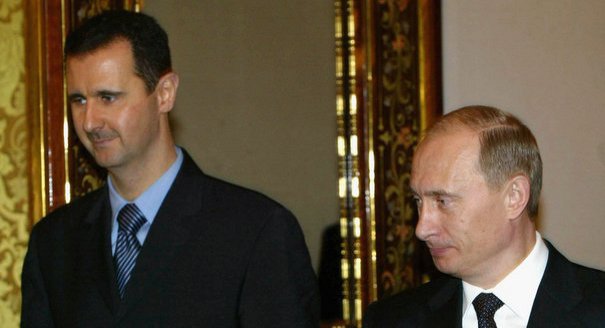
Source: Getty

In The Media
Carnegie Russia Eurasia Center

Why Russia Doesn't Hold the Keys to Syria

Part of Russia's support for Bashar al-Assad’s regime in Syria stems from Putin's desire to use Russian foreign policy as an instrument for preserving his own power and trying to block the United States.

Link Copied
By David J. Kramer and Lilia Shevtsova
Published on Jul 11, 2012
Project hero Image

Project

Eurasia in Transition

Learn More

Source: American Interest

It is difficult to decipher whether those who argue that Russia holds the keys to the solution of the Syrian crisis really believe it or are using Russia as an excuse to do nothing. The recent Syrian Action Group meeting in Geneva clearly showed that the Kremlin is not moving closer to the position of the U.S. and other powers. Tremendous time and energy have been wasted in trying to lure Russia closer to the view that Assad needs to go. Over and over again, Russian officials have made clear that they are not interested in helping find a real, as opposed to imitation, solution to the Syria problem. In a July 9 meeting with Russia’s diplomatic corps, Vladimir Putin reconfirmed that he has not changed his position on Syria, reiterating his familiar mantra on the “political solution” and “dialogue” which barely masks his support for Bashir al-Assad. Continued Russian arms sales to the murderous Assad regime should be crystal clear evidence of which side Moscow favors in the conflict.

Before going any further, however, let’s be clear what we mean when we say “Russia”, vis-a-vis Syria or any other likeminded tyrant, for that matter. After all, it is Putin and his ilk who support and provide lifelines to such leaders around the world, whether it is Lukashenka in neighboring Belarus, Assad in Syria, or Chavez in Venezuela. Such support comes from the Kremlin, not Russia writ large, and certainly not from the Russian opposition or Russian civil society. It is critical to draw such a distinction.

With that clarified, let’s look at why Putin and the Kremlin have staked the position they have on Syria. What are the Kremlin’s motives for its obstinate defense of Assad?

Conventional wisdom offers several explanations. For starters, there are sales of Russian arms to Assad. About 75 percent of Syrian weapons come from Russia, and Syria is the fourth most lucrative market in the Russian arms trade, with $700 million delivered to Damascus in 2011. Then there is Russia’s small naval base at Tartus, the last Russian base in the Mediterranean. Syria is the last Soviet-era bastion and client state left in the Middle East, and the Kremlin does not want to lose it. Syria is also a gateway to Iran. Then there is Putin’s suspicion of the West and his knee-jerk reflex to resist American policy first and ask questions later. Putin also wants to remind the world that global problems can’t be resolved without Moscow and his personal participation.

All this is true, but there is something else at work as well. ...

Full text of the article in the American Interest

About the Authors

David J. Kramer

David J. Kramer served as assistant aecretary of state for democracy, human rights and labor in the George W. Bush administration and is director of European & Eurasian Studies at Florida International University’s Steven J. Green School of International and Public Affairs.
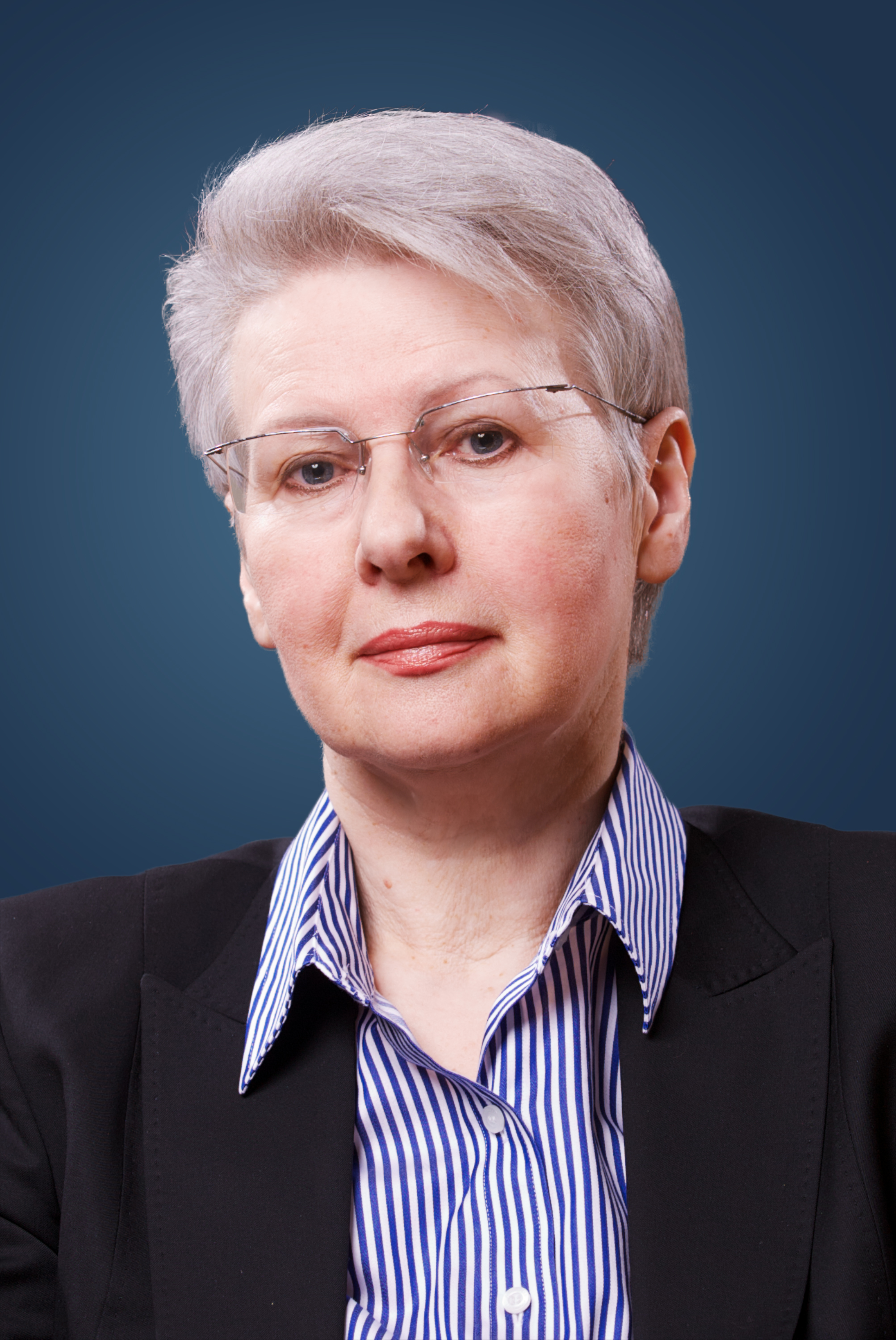
Lilia Shevtsova

Former Senior Associate, Russian Domestic Politics and Political Institutions Program, Moscow Center

Shevtsova chaired the Russian Domestic Politics and Political Institutions Program at the Carnegie Moscow Center, dividing her time between Carnegie’s offices in Washington, DC, and Moscow. She had been with Carnegie since 1995.

Authors

David J. Kramer

David J. Kramer served as assistant aecretary of state for democracy, human rights and labor in the George W. Bush administration and is director of European & Eurasian Studies at Florida International University’s Steven J. Green School of International and Public Affairs.

Lilia Shevtsova
Former Senior Associate, Russian Domestic Politics and Political Institutions Program, Moscow Center
Lilia Shevtsova

Carnegie India does not take institutional positions on public policy issues; the views represented herein are those of the author(s) and do not necessarily reflect the views of Carnegie, its staff, or its trustees.

More Work from Carnegie India

Get more news and analysis from
Carnegie India
Carnegie India logo, white
Unit C-4, 5, 6, EdenparkShaheed Jeet Singh MargNew Delhi – 110016, IndiaPhone: 011-40078687
  • Research
  • About
  • Experts
  • Projects
  • Events
  • Contact
  • Careers
  • Privacy
  • For Media
Get more news and analysis from
Carnegie India
© 2026 Carnegie Endowment for International Peace. All rights reserved.