

In The Media
Lilia Shevtsova
{
  "authors": [
    "Lilia Shevtsova"
  ],
  "type": "legacyinthemedia",
  "centerAffiliationAll": "",
  "centers": [
    "Carnegie Endowment for International Peace",
    "Carnegie Russia Eurasia Center"
  ],
  "collections": [],
  "englishNewsletterAll": "",
  "nonEnglishNewsletterAll": "",
  "primaryCenter": "Carnegie Russia Eurasia Center",
  "programAffiliation": "",
  "programs": [],
  "projects": [],
  "regions": [],
  "topics": []
}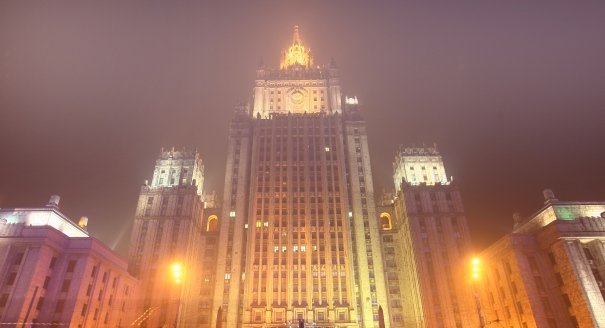
Source: Getty
Both the Kremlin and the Russian opposition hope to use the United States and its policies to serve their own domestic agendas.
Source: American Interest

How, then, will the various Russias react to the renewed Obama presidency? Let’s start with the official Russia—that is, Vladimir Putin’s Kremlin. Along with David Kramer, I have already discussed what the Russian establishment and Putin’s regime could have expected from either possible election result on November 6. I will only add here a couple of brushstrokes to that landscape now that we know the results of the election. Moscow’s official rhetoric and actions over the past year—that is, after Putin officially returned to the Kremlin—allow us to conclude that the Kremlin’s position on the United States would have been based on the following premises no matter who America hired as boss in the White House:
The Kremlin may view a second Obama term as a boon in its project to update its foreign policy stance. That new stance would help consolidate the idea of Russia as an independent civilization that desires to be integrated into the globalization project on its own terms. There are signs that the Kremlin architects of this update and pro-Kremlin experts believe that President Obama can hardly be expected to take a more assertive position with respect to Russia, which will mean undermining his “reset” past. Even if Obama wanted to rethink the “reset”, these experts believe, he could afford neither to ignore Russia nor to confront it. That is why they expect the Obama administration to continue to play its current hand in its poker game with Putin’s Kremlin. ...
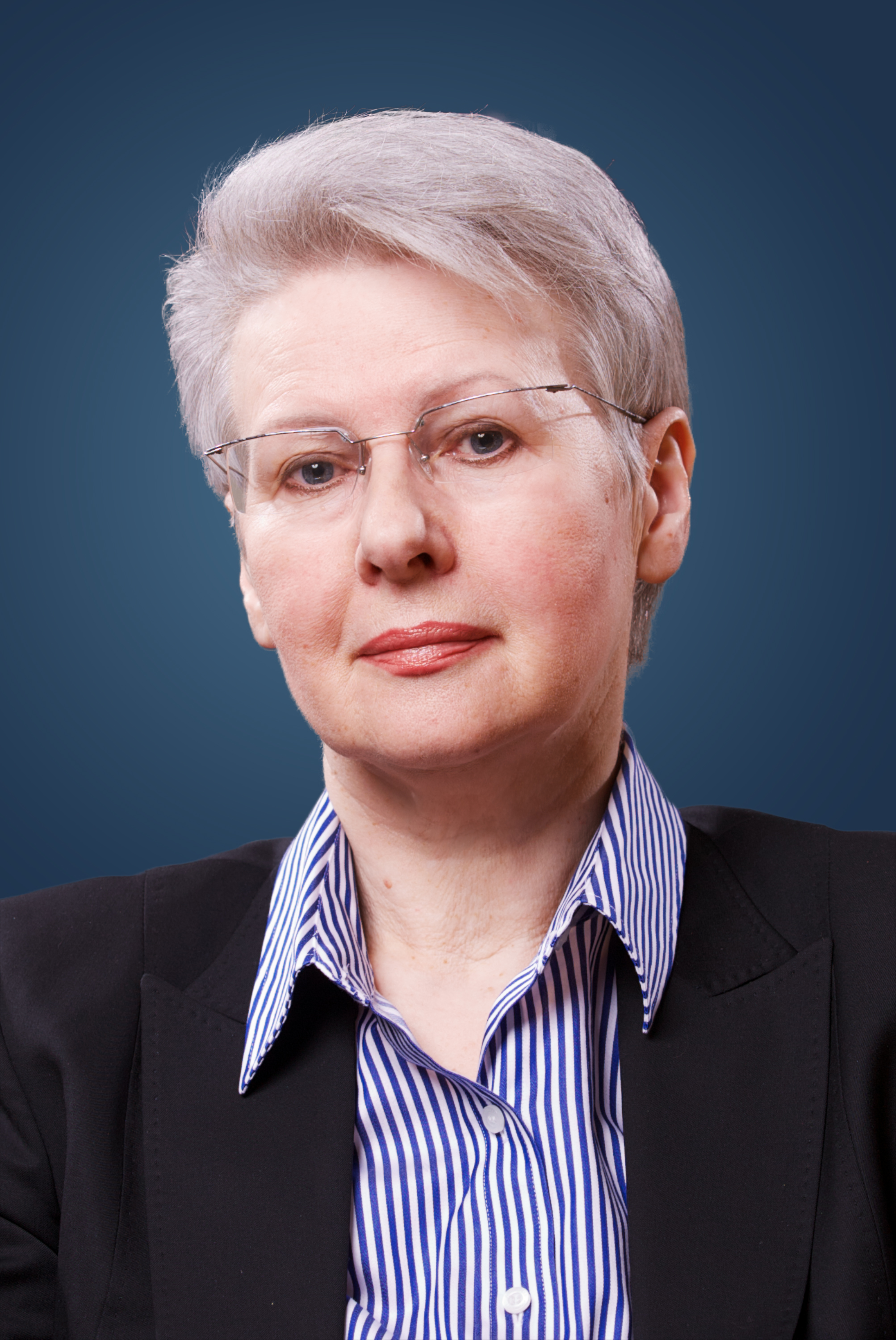
Former Senior Associate, Russian Domestic Politics and Political Institutions Program, Moscow Center
Shevtsova chaired the Russian Domestic Politics and Political Institutions Program at the Carnegie Moscow Center, dividing her time between Carnegie’s offices in Washington, DC, and Moscow. She had been with Carnegie since 1995.
Recent Work
Lilia Shevtsova
Lilia Shevtsova
Carnegie India does not take institutional positions on public policy issues; the views represented herein are those of the author(s) and do not necessarily reflect the views of Carnegie, its staff, or its trustees.