

Commentary
The ASML MoU with Tata Electronics is an indicator of how far the Indian semiconductor ecosystem has come. This ecosystem has been years in the making and represents real commercial logic.
Konark Bhandari
{
  "authors": [
    "Olga Shumylo-Tapiola",
    "Lucia Najšlová",
    "Věra Řiháčková"
  ],
  "type": "other",
  "centerAffiliationAll": "",
  "centers": [
    "Carnegie Endowment for International Peace",
    "Carnegie Europe"
  ],
  "collections": [
    "Europe’s Eastern Neighborhood"
  ],
  "englishNewsletterAll": "",
  "nonEnglishNewsletterAll": "",
  "primaryCenter": "Carnegie Europe",
  "programAffiliation": "",
  "programs": [],
  "projects": [],
  "regions": [
    "Europe",
    "Eastern Europe",
    "Ukraine",
    "Western Europe",
    "Belarus",
    "Moldova"
  ],
  "topics": []
}
Source: Getty
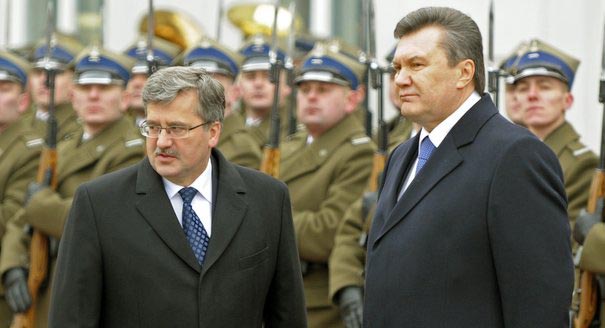
Encouraging a multi-stakeholder dialogue and amplifying the voice of non-state actors acting in the public interest are key issues on which the Union should focus its assistance to the East.
Source: Policy Paper
Although the EU is today mired in a number of uncertainties regarding the future of its own internal decisionmaking structures, it still is a source of inspiration for reform-minded groups and individuals in its Eastern neighbourhood. While strengthening of democratic institutions and improvement of governance are tasks that have to be desired and accomplished by Eastern neighbours themselves, the EU can contribute to the process by focusing on areas in which it has already a track-record.
Encouraging a multi-stakeholder dialogue and amplifying the voice of non-state actors acting in the public interest are key issues on which the Union should focus its assistance to the East. In its dialogue with partner governments, the EU should emphasize that it supports only projects for which such groups have been previously consulted. At the same time, those in charge of policy towards Eastern neighbours should follow more closely developments in Turkey’s and Russia’s neighbourhood policies towards the same countries.
This piece originally appeared in Notre Europe's Policy Paper, No. 71.

Former Nonresident Associate, Carnegie Europe
Shumylo-Tapiola is a nonresident associate at Carnegie Europe in Brussels, where her research focuses on Eastern Europe and Eurasia.
Lucia Najšlová
EUROPEUM Institute for European Foreign Policy
Věra Řiháčková
EUROPEUM Institute for European Foreign Policy
Carnegie India does not take institutional positions on public policy issues; the views represented herein are those of the author(s) and do not necessarily reflect the views of Carnegie, its staff, or its trustees.

The ASML MoU with Tata Electronics is an indicator of how far the Indian semiconductor ecosystem has come. This ecosystem has been years in the making and represents real commercial logic.

Konark Bhandari

The India–EU Free Trade Agreement (FTA) is shaping up to be one of the most consequential trade negotiations, both economically and strategically. But, what’s in the agreement, what’s missing, and what will determine its success in the years ahead

Vrinda Sahai, Nicolas Köhler-Suzuki
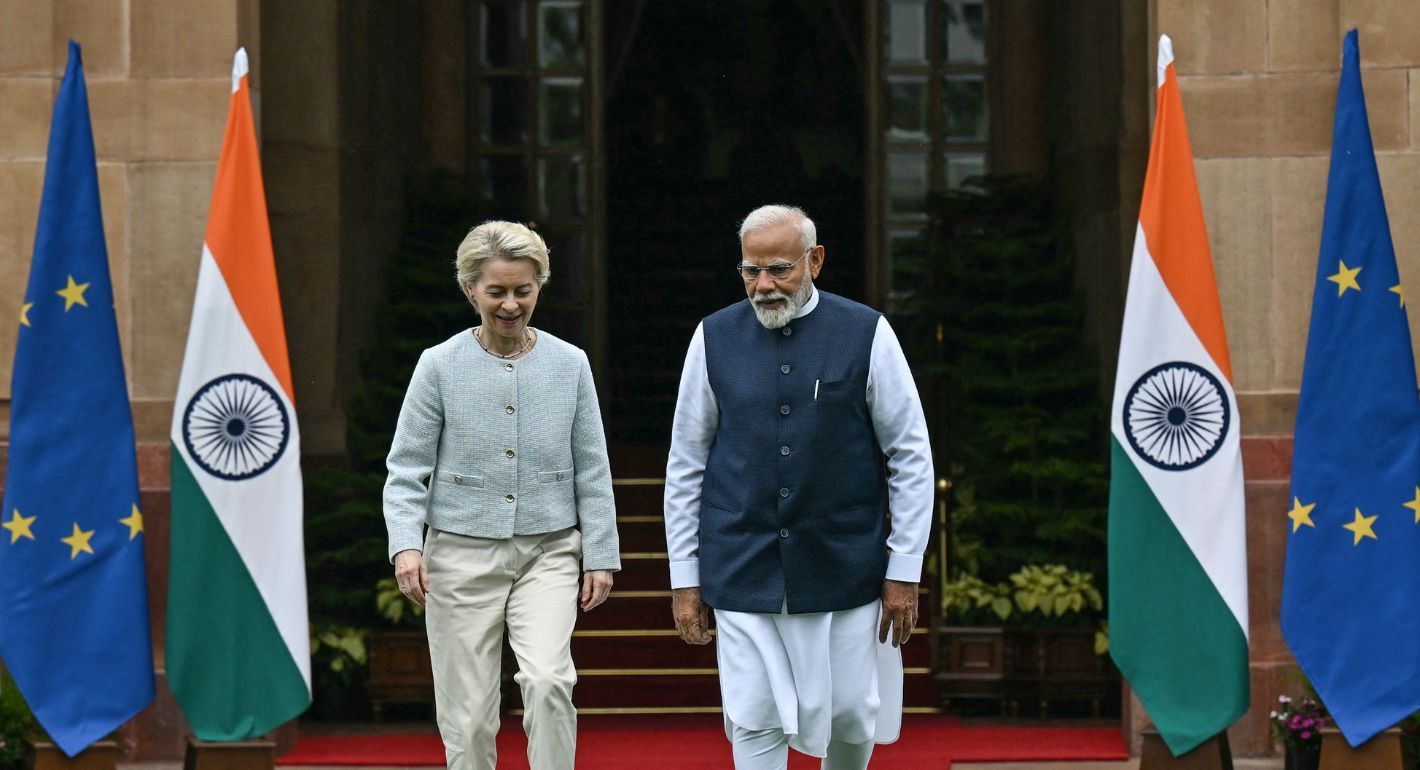
This article argues that the geopolitical circumstances have never been more conducive, not merely for the early conclusion of the free trade agreement (FTA) between India and the EU, but also for crafting a substantive and comprehensive strategic partnership.
Mohan Kumar
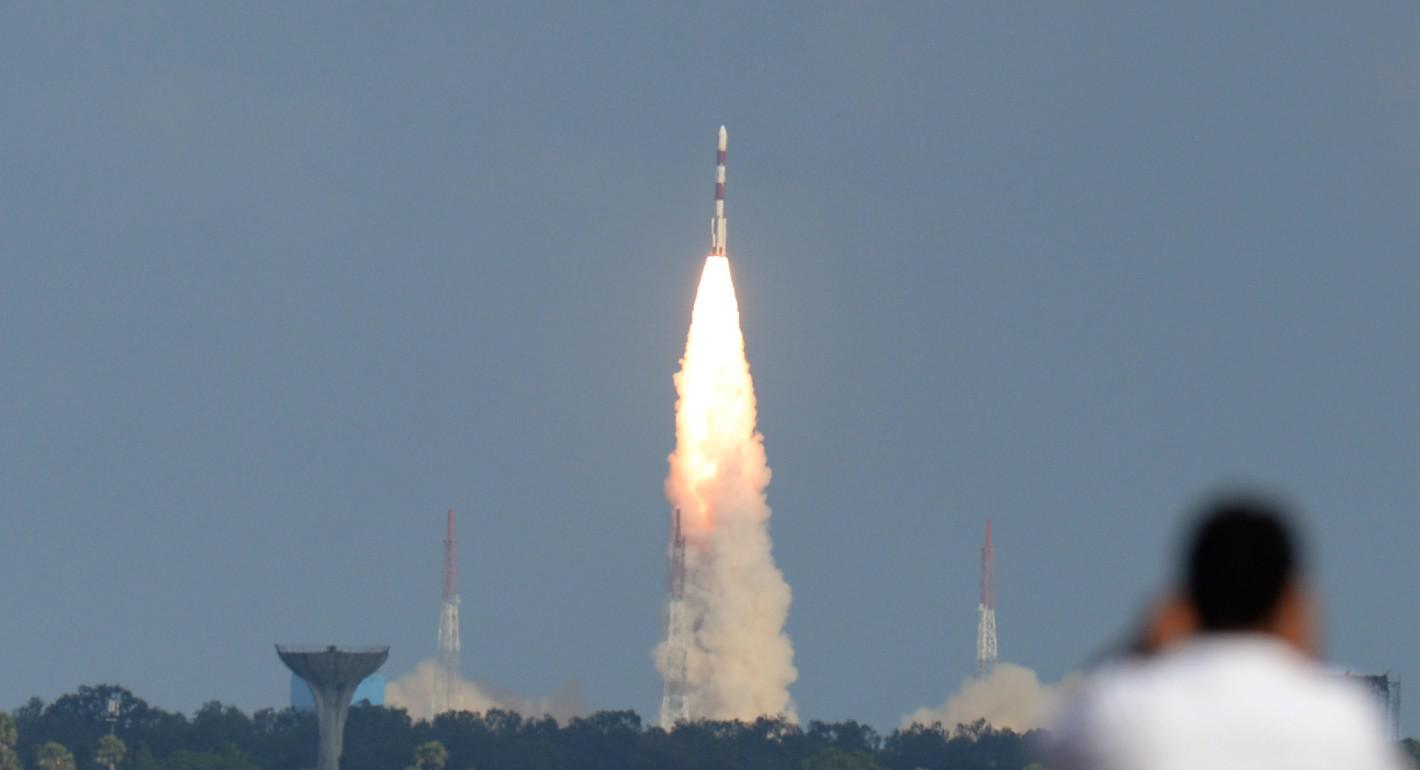
The war in Ukraine has demonstrated that India needs to establish a strong domestic space economy in order to weather geopolitical storms.
Konark Bhandari
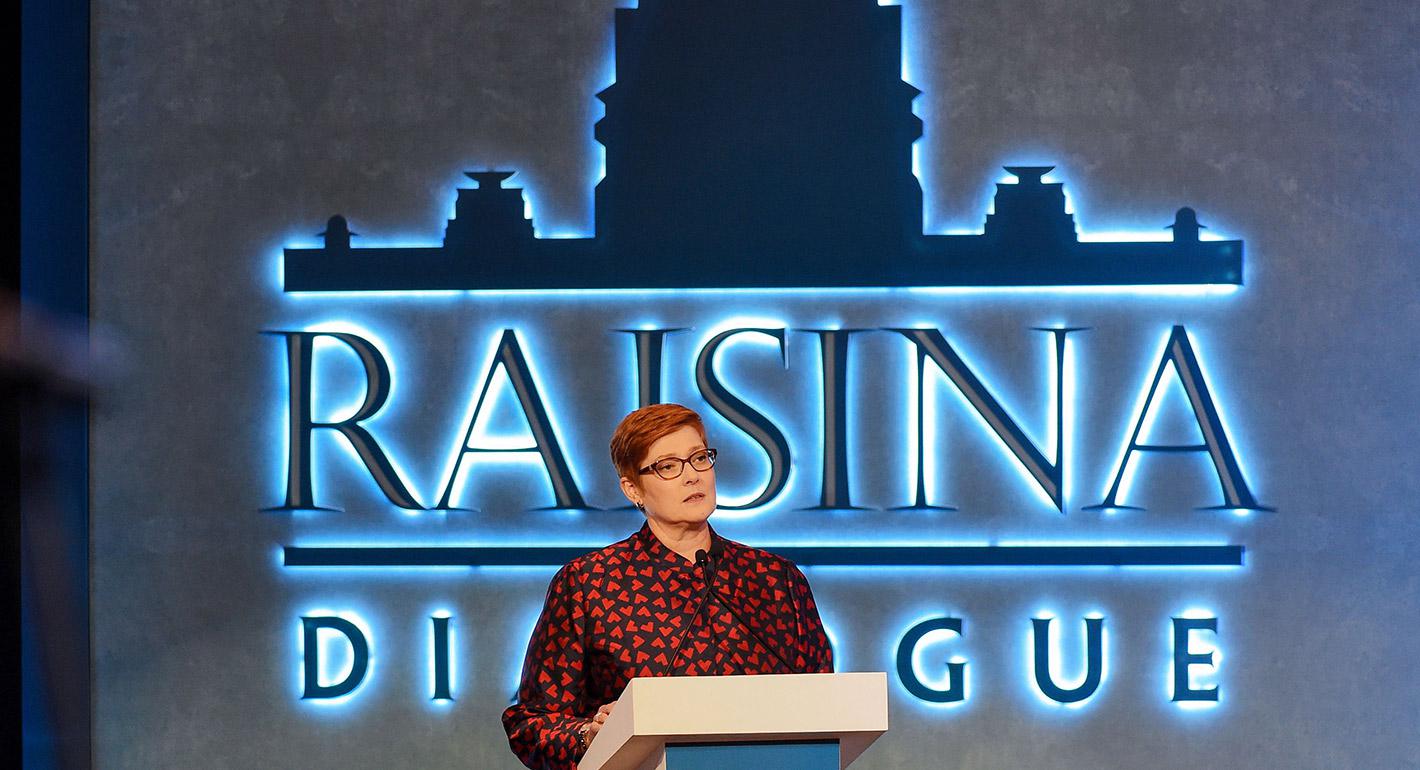
Foreign ministers from India, France, and Australia recently met (virtually) at the Raisina Dialogue, India’s flagship annual conference on geopolitics and geoeconomics. What can they get done if they work together?


Rudra Chaudhuri, Shibani Mehta