

Report
- +3
James M. Acton, Alexey Arbatov, Vladimir Dvorkin, …
{
  "authors": [
    "Petr Topychkanov"
  ],
  "type": "commentary",
  "centerAffiliationAll": "",
  "centers": [
    "Carnegie Endowment for International Peace",
    "Carnegie Russia Eurasia Center"
  ],
  "collections": [],
  "englishNewsletterAll": "",
  "nonEnglishNewsletterAll": "",
  "primaryCenter": "Carnegie Russia Eurasia Center",
  "programAffiliation": "",
  "programs": [],
  "projects": [],
  "regions": [],
  "topics": []
}
Source: Getty
Owing to the mayor elections and the Navalny case, the political life in Russia has exploded in midsummer. The paradox is that the opposition has done nothing for this. The decisions of the government have been the main reason for these developments which benefit rather the opposition than the government.
Sochi Olympics is an issue which affects many problems in Russia and the regions of the Caucasus and the Black Sea. The last events have demonstrated this. Russian opposition leader Alexei Navalny, who was given a five-year jail sentence on July 18, dedicates significant attention to the Olympics due to the corruption problems related to the preparation of the Olympics. The city elections in Moscow can be also linked to the Olympics, because after the Games the political system in Russia will be more problematic than in September.
Owing to the mayor elections and the Navalny case, the political life in Russia has exploded in midsummer. The paradox is that the opposition has done nothing for this. The decisions of the government have been the main reason for these developments which benefit rather the opposition than the government. The latter was hoping for the political dead season, which could allow it to go smoothly through the September elections in Moscow. Instead of this, the government has actually promoted Navalny and helped him get more supporters.
In this context, the case of a 16 year old girl Malala Yousafzai from Pakistan can provide a good lesson. She had been a blogger and social activist known to a small group of people before she was shot at by Taliban gunmen. Now she has become the youngest nominee in history for the Nobel Peace Prize. In this capacity, her image is more harmful for the Taliban ideology than it was before the assassination attempt. And her influence in the area of young girls’ education is more significant now than it had been before the incident.
I’m not about to compare the government of Russia and the Taliban movement in Pakistan. The first point I do want to make, however, has to do with the unexpected consequences of a political act, undertaken without the proper understanding of the rapid political, social, and economic changes that are taking place. The second one is that trying to secure their political position by means of primarily pressure or violence, political actors can weaken their position.
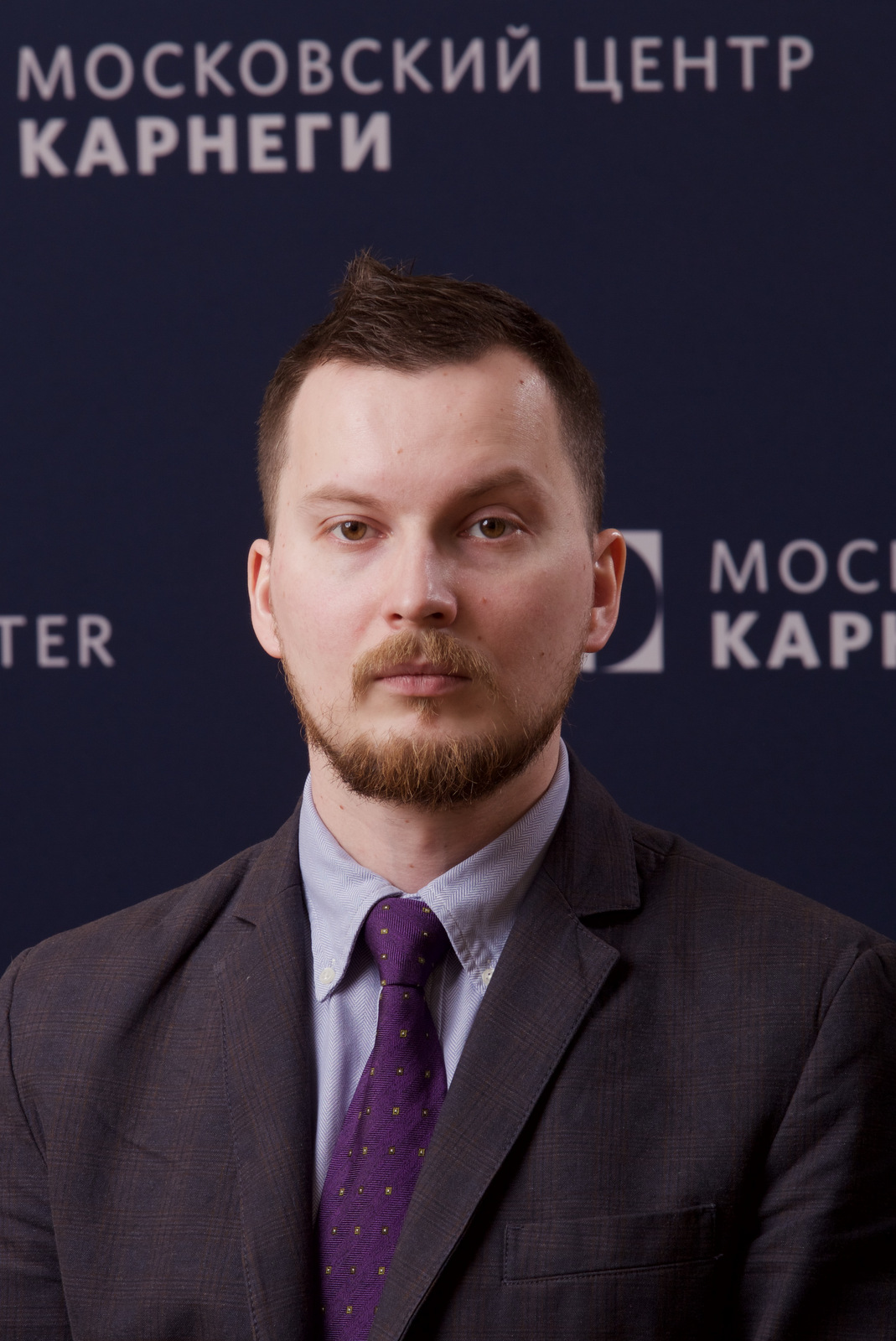
Former Fellow, Nonproliferation Program, Moscow Center
Topychkanov was a fellow in the Carnegie Moscow Center’s Nonproliferation Program.
Recent Work


James M. Acton, Alexey Arbatov, Vladimir Dvorkin, …
Petr Topychkanov
Carnegie India does not take institutional positions on public policy issues; the views represented herein are those of the author(s) and do not necessarily reflect the views of Carnegie, its staff, or its trustees.