

Commentary
Experts weigh in on whether the United States is too hostile toward China.
Stephen Wertheim, Evan S. Medeiros, Vijay Gokhale
{
  "authors": [
    "Yusuf Ahmad",
    "Alyssa Dougherty",
    "Rachel Kleinfeld",
    "Alejandro Ponce"
  ],
  "type": "other",
  "centerAffiliationAll": "dc",
  "centers": [
    "Carnegie Endowment for International Peace"
  ],
  "collections": [],
  "englishNewsletterAll": "democracy",
  "nonEnglishNewsletterAll": "",
  "primaryCenter": "Carnegie Endowment for International Peace",
  "programAffiliation": "DCG",
  "programs": [
    "Democracy, Conflict, and Governance"
  ],
  "projects": [],
  "regions": [],
  "topics": [
    "Democracy"
  ]
}
Source: Getty
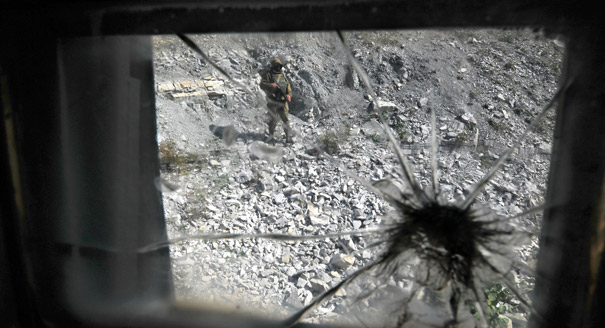
This literature review seeks to highlight specific policy interventions against risk factors that predispose comm- unities towards gangs, organized crime, and electoral violence; and interventions that attack each of those types of violence directly.
Source: World Justice Project and Carnegie Endowment for International Peace
This literature review seeks to highlight specific policy interventions against risk factors that predispose communities towards gangs, organized crime, and electoral violence; and interventions that attack each of those types of violence directly. This is by no means a comprehensive report, given the extensive scholarship that has been dedicated to these three issues. It is, however, a starting point from which we can begin to explore the success or failure of policy interventions, and the contexts in which they have been found to work or fail. We hope to add to this review before and following the workshop, with the help of workshop participants.
Yusuf Ahmad
Former Junior Fellow, Democracy Program
Alyssa Dougherty

Senior Fellow, Democracy, Conflict, and Governance Program
Rachel Kleinfeld is a senior fellow in Carnegie’s Democracy, Conflict, and Governance Program, where she focuses on issues of rule of law, security, and governance in democracies experiencing polarization, violence, and other governance problems.
Alejandro Ponce
Alejandro Ponce is the Chief Research Officer of the World Justice Project. He joined the WJP as Senior Economist and is one of the original designers and a lead author of the WJP Rule of Law Index. He previously worked as a researcher at Yale University and an economist at the World Bank.
Carnegie India does not take institutional positions on public policy issues; the views represented herein are those of the author(s) and do not necessarily reflect the views of Carnegie, its staff, or its trustees.

Experts weigh in on whether the United States is too hostile toward China.


Stephen Wertheim, Evan S. Medeiros, Vijay Gokhale

Governments around the world are turning to new forms of digital surveillance to monitor the spread of the coronavirus, though they are mostly using existing laws to do so.
Anirudh Burman
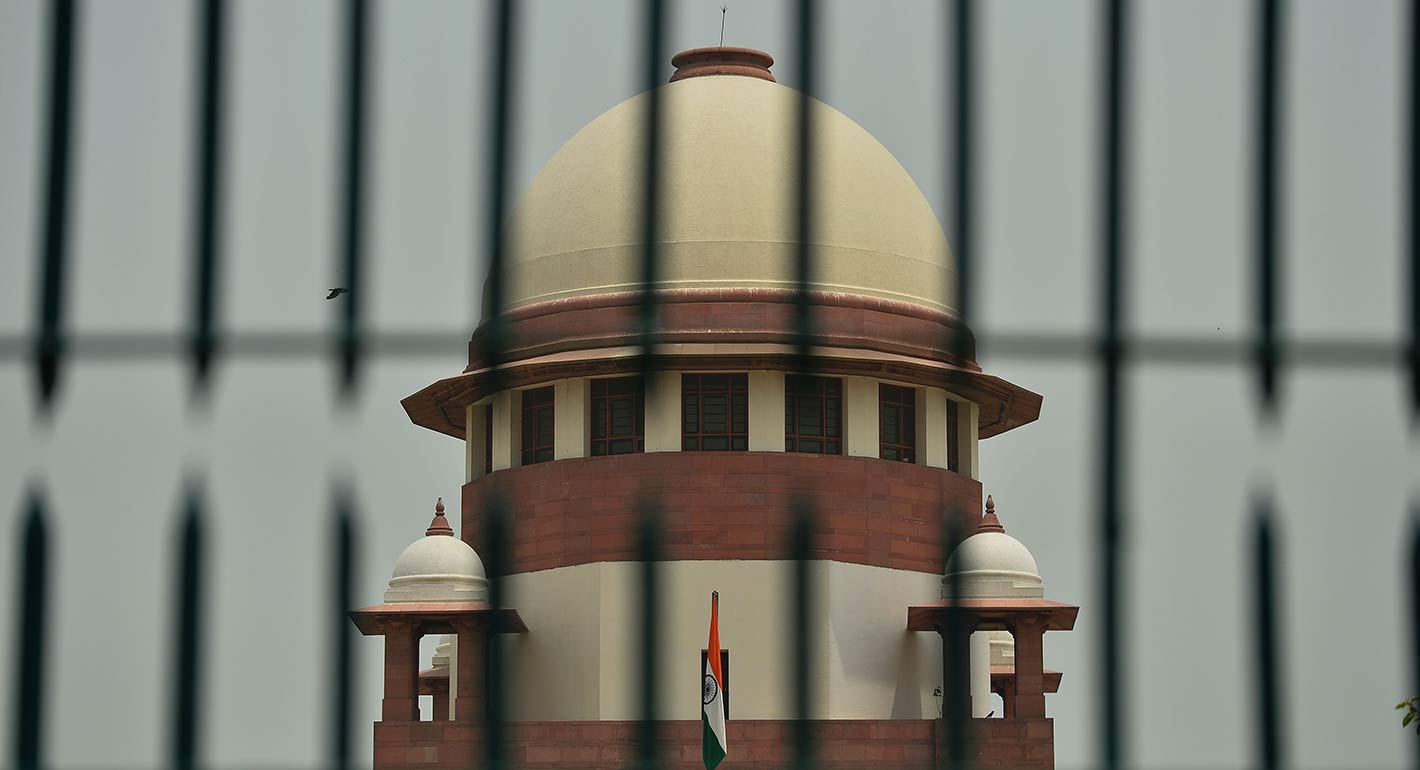
In recent years, some of the most dramatic situations in Indian public life have arisen in the higher judiciary—an arm of the state ideally characterized by collegiality, scholarship, predictability, and remoteness from raucous politics.

Suyash Rai, Anirudh Burman

There are many lessons to be drawn from the darker days of India’s political history. The one that ought to be demystified is the view that the suspension or promotion of democracy necessarily stuns or shocks international leaders to the extent that those in India might expect them to.

Rudra Chaudhuri
In India, it is useful to view the relative success of criminal politicians as a byproduct of democratic practice, rather than its authoritarian antithesis.

Milan Vaishnav