
• Research
  • About
  • Experts
Carnegie India logoCarnegie lettermark logo
AI
{
  "authors": [
    "Akio Kawato"
  ],
  "type": "commentary",
  "centerAffiliationAll": "",
  "centers": [
    "Carnegie Endowment for International Peace",
    "Carnegie Russia Eurasia Center"
  ],
  "collections": [],
  "englishNewsletterAll": "",
  "nonEnglishNewsletterAll": "",
  "primaryCenter": "Carnegie Russia Eurasia Center",
  "programAffiliation": "",
  "programs": [],
  "projects": [],
  "regions": [
    "East Asia",
    "China",
    "Japan",
    "Russia"
  ],
  "topics": [
    "Economy",
    "Foreign Policy"
  ]
}

Source: Getty

Commentary
Carnegie Russia Eurasia Center

For Russia, Asia Is No Substitute for the West

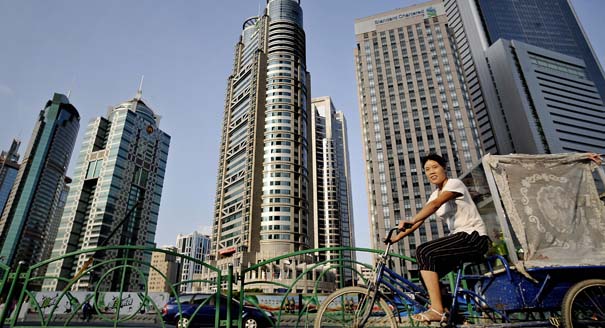
Facing Western sanctions, some Russian pundits are rushing to find an easy way out through increased cooperation with Asia. However, nothing can replace the West for Russia.

Link Copied
By Akio Kawato
Published on Oct 16, 2014

Facing Western sanctions, some Russian pundits are rushing to find an easy way out through increased cooperation with Asia. But their expectations are built on an illusion.

Firstly, neither China nor Japan possesses the technology needed for exploitation of non-conventional oil and natural gas. Japan has a monopoly on gas liquefaction technology, but that is another matter, because, if new sources of natural gas are not developed, liquefaction plants will be of no use. China may be able to provide huge advance payments for oil and gas from Siberia, but Russia will not be able to find any other suppliers of long-term credit in Asia.

Secondly, Siberia and the Russian Far East are too economically feeble to become a dynamic member of the East Asian economy. Industrial products made in European Russia face high transportation costs en route to Asia, and the natural resource wealth to the east of the Urals needs money and time to be further developed.

Tensions with the United States have led Russia to look inwards and eastwards, imperiling its own position in the global economy. Contrary to Russian conventional wisdom, the United States does not always “impose its terms” on other countries; many countries benefit politically, economically, and militarily from their relations with Washington. The U.S. dollar remains the international reserve currency because it is the most reliable, universal, and convenient currency for business. The global free market that arose after World War II has given countries like Japan the opportunity to achieve rapid growth. Negotiations over the TPP (Transpacific Partnership) and the TTIP (Transatlantic Trade and Investment Partnership) are stalled for now, but not because Japan and Europe have chosen to stand up to U.S. pressure; Japan, for example, is simply unsure whether the agreements will be ratified by the U.S. Congress without amendments. Otherwise, the industrially developed countries see serious advantages to promote free trade.

The ruble and the renminbi are used in international transactions, but only on a limited scale as mere accounting units in bilateral payments. In this way, they remind us of the “transferable ruble” used by the socialist “COMECON” countries during the Cold War; the currency existed on paper but did not contribute to an expansion of trade.

Some Russian pundits lay vain hope on the “increasingly independent” policies of Germany and Japan in relation to the United States. However, this independence has its own limits. Neither country intends to discard its cozy “dependence” on U.S. military might.

Therefore, nothing can replace the West for Russia. The best way out for Russia is to go back to the basics: Moscow must reconcile with the West by finding a modus vivendi in Ukraine. Former Ukrainian President Viktor Yanukovych played the West and Russia against one another to gain financial assistance, but was overthrown by the unexpected rise of the rightist elements of the opposition. The “middle way” would have been and continues to be the most pragmatic way forward: to promote gradual reforms in both Russia and Ukraine without attempts to forcibly change the political framework of either country.

The devaluation of the ruble has inflated Russian state revenues, creating a false sense of confidence that Russia can outlast the storm of western sanctions. But such a course will mean a desperate race with growing inflation. It is time for Russia to come to terms with reality and stop dreaming about a Shangri-La in Asia.

About the Author

Akio Kawato

Writer

Akio Kawato is a former Japanese diplomat and blogger.

Akio Kawato
Writer
EconomyForeign PolicyEast AsiaChinaJapanRussia

Carnegie India does not take institutional positions on public policy issues; the views represented herein are those of the author(s) and do not necessarily reflect the views of Carnegie, its staff, or its trustees.

More Work from Carnegie India

  • Commentary
    The Impact of U.S. Sanctions and Tariffs on India’s Russian Oil Imports

    This piece examines India’s response to U.S. sanctions and tariffs, specifically assessing the immediate market consequences, such as alterations in import costs, and the broader strategic implications for India’s energy security and foreign policy orientation.

      Vrinda Sahai
  • Paper
    India-China Economic Ties: Determinants and Possibilities

    This paper examines the evolution of India-China economic ties from 2005 to 2025. It explores the impact of global events, bilateral political ties, and domestic policies on distinct spheres of the economic relationship.

      Santosh Pai

  • Commentary
    NISAR Soars While India-U.S. Tariff Tensions Simmer

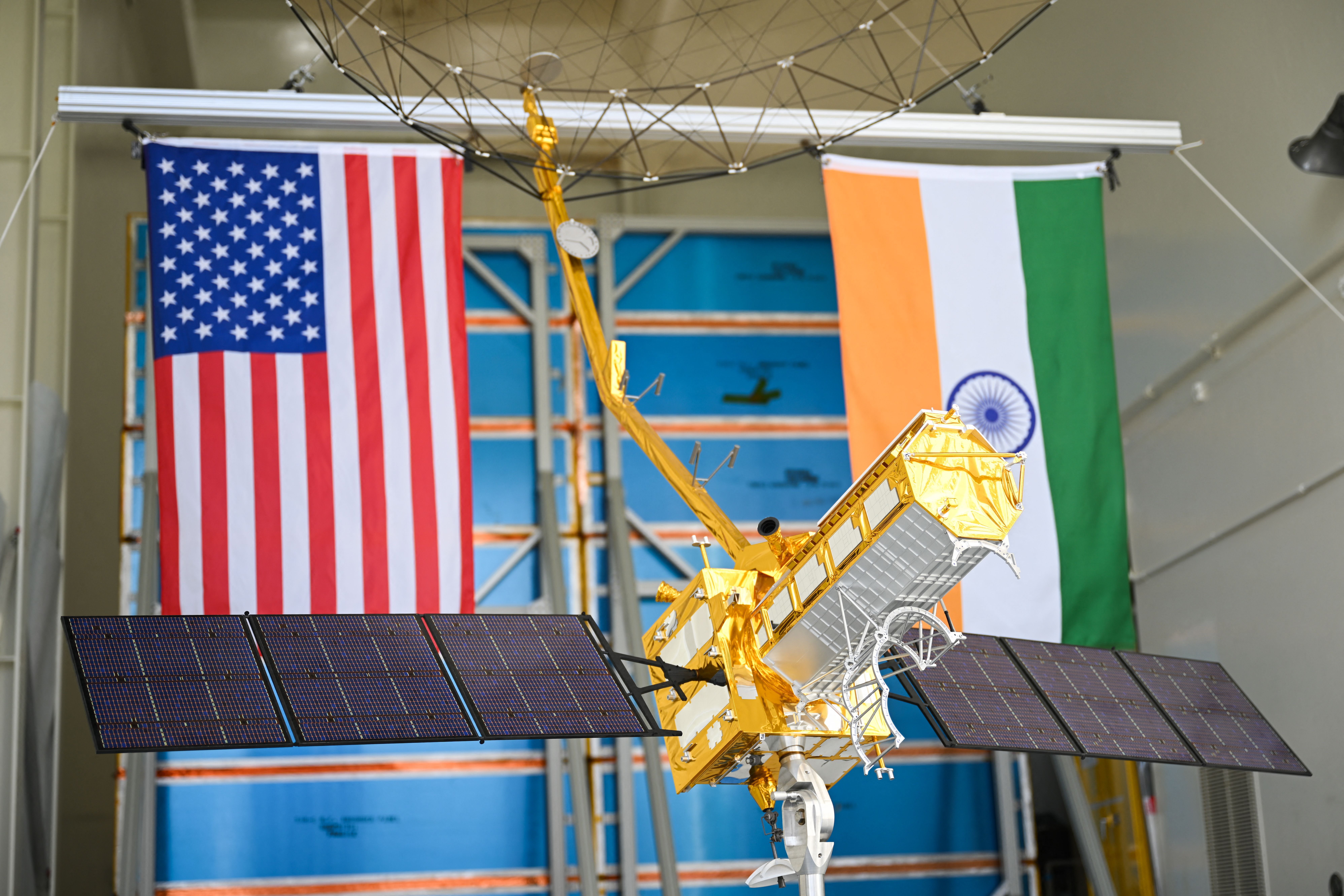
    On July 30, 2025, the United States announced 25 percent tariffs on Indian goods. While diplomatic tensions simmered on the trade front, a cosmic calm prevailed at the Sriharikota launch range. Officials from NASA and ISRO were preparing to launch an engineering marvel into space—the NASA-ISRO Synthetic Aperture Radar (NISAR), marking a significant milestone in the India-U.S. bilateral partnership.

      Tejas Bharadwaj

  • Article
    Hidden Tides: IUU Fishing and Regional Security Dynamics for India

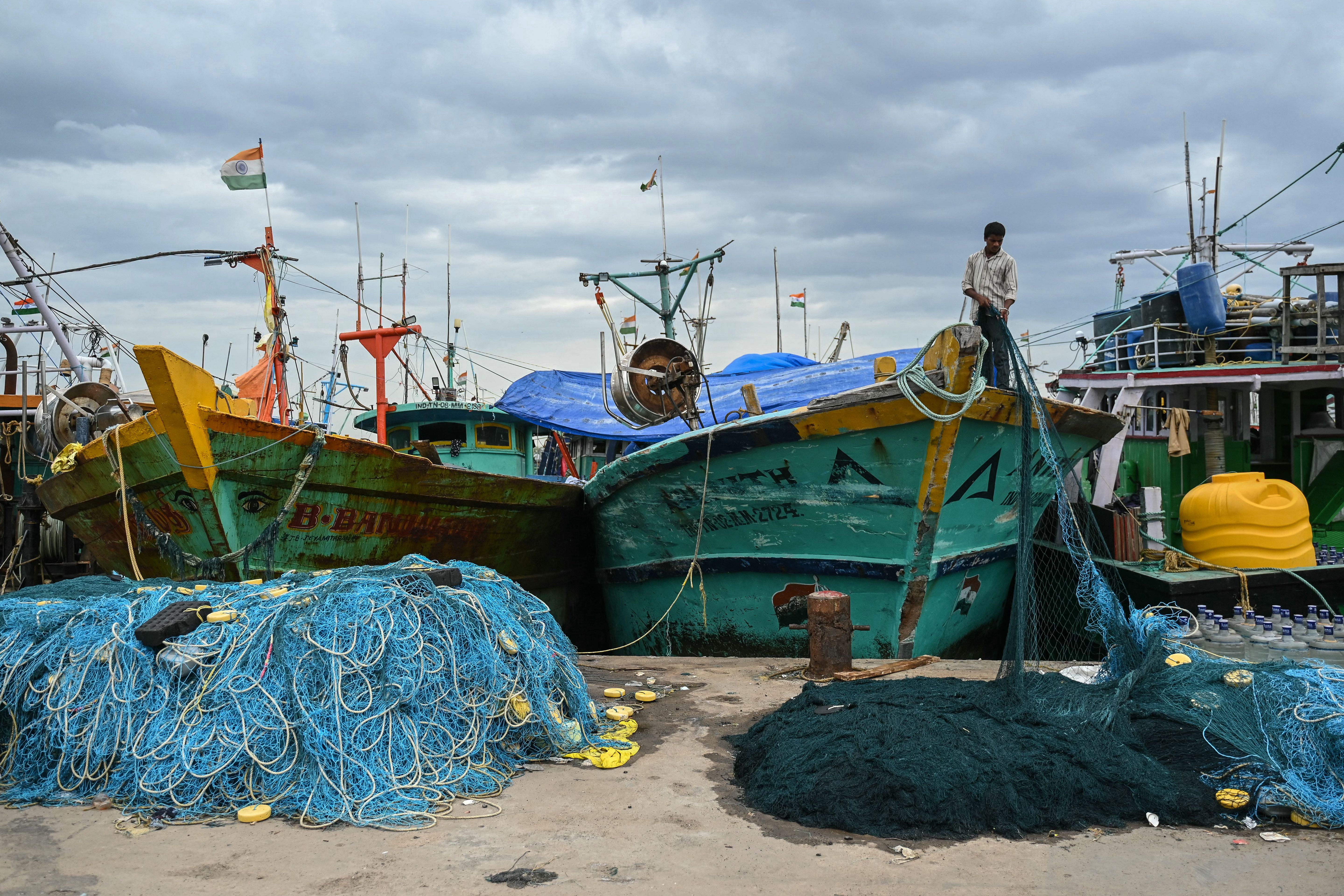
    This article examines the scale and impact of Chinese IUU fishing operations globally and identifies the nature of the challenge posed by IUU fishing in the Indian Ocean Region (IOR). It also investigates why existing maritime law and international frameworks have struggled to address this growing threat.

      Ajay Kumar, Charukeshi Bhatt

  • Commentary
    TRUST and Tariffs

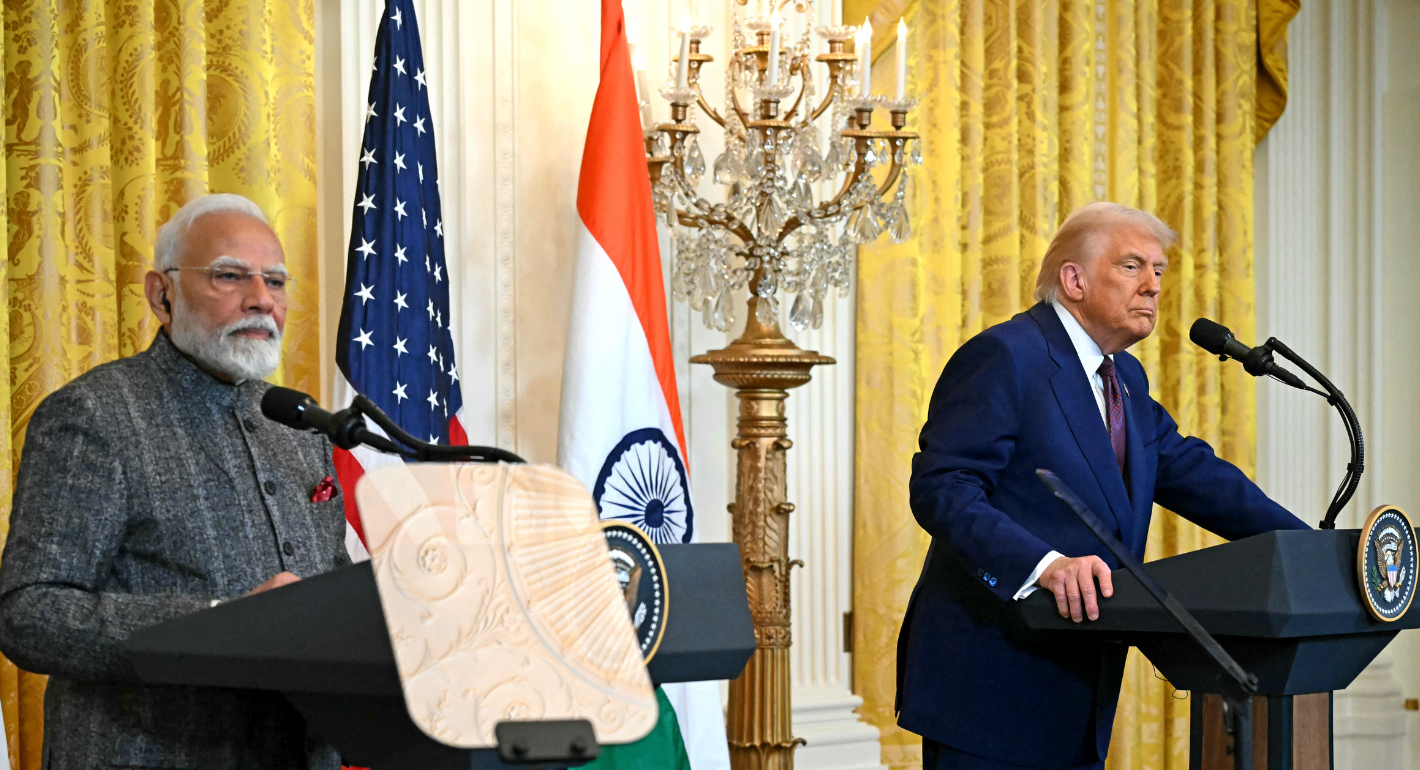
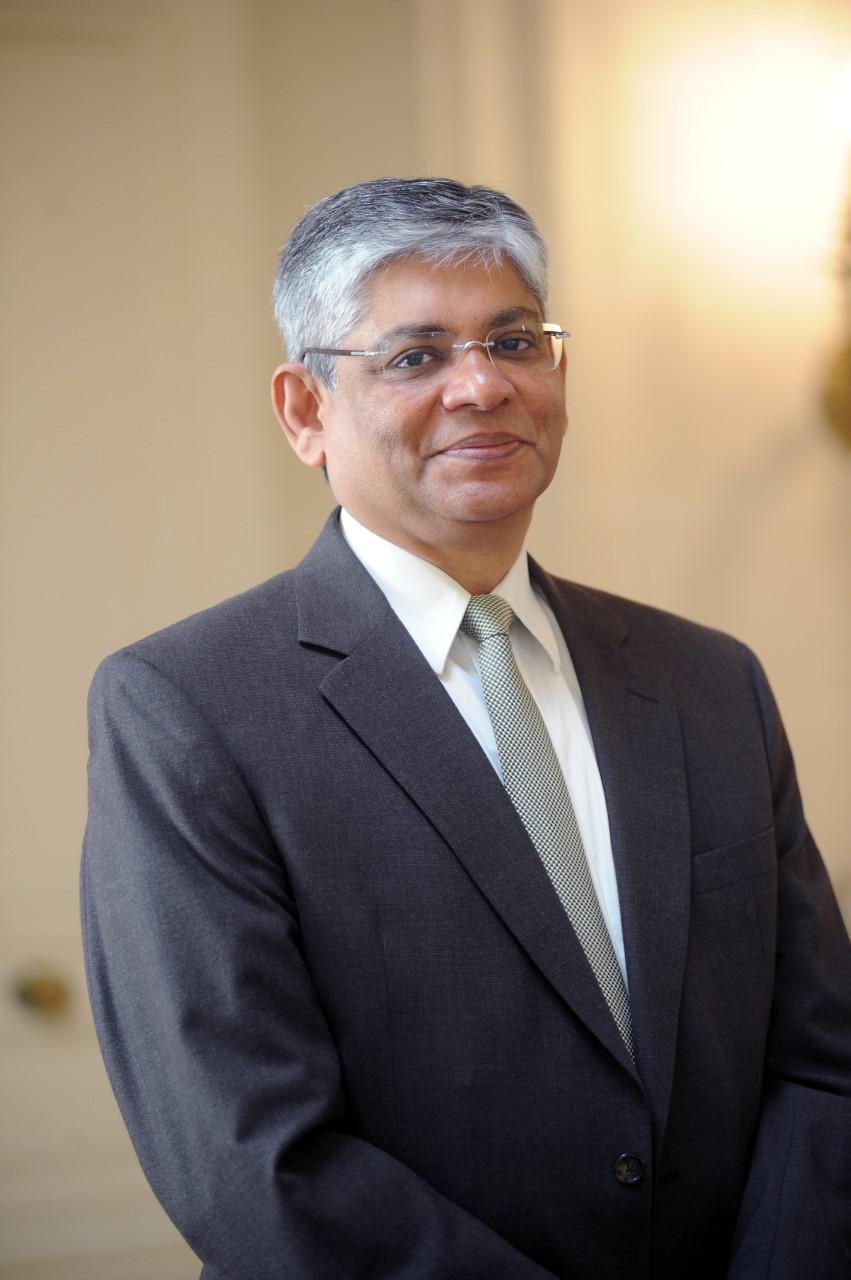
    The India-U.S. relationship currently appears buffeted between three “Ts”—TRUST, Tariffs, and Trump.

      Arun K. Singh

Get more news and analysis from
Carnegie India
Carnegie India logo, white
Unit C-4, 5, 6, EdenparkShaheed Jeet Singh MargNew Delhi – 110016, IndiaPhone: 011-40078687
  • Research
  • About
  • Experts
  • Projects
  • Events
  • Contact
  • Careers
  • Privacy
  • For Media
Get more news and analysis from
Carnegie India
© 2026 Carnegie Endowment for International Peace. All rights reserved.