

Article
Carole Nakhle
{
  "authors": [
    "Carole Nakhle"
  ],
  "type": "other",
  "centerAffiliationAll": "dc",
  "centers": [
    "Carnegie Endowment for International Peace",
    "Malcolm H. Kerr Carnegie Middle East Center"
  ],
  "collections": [],
  "englishNewsletterAll": "menaTransitions",
  "nonEnglishNewsletterAll": "",
  "primaryCenter": "Malcolm H. Kerr Carnegie Middle East Center",
  "programAffiliation": "MEP",
  "programs": [
    "Middle East"
  ],
  "projects": [],
  "regions": [
    "Levant",
    "Lebanon",
    "Middle East"
  ],
  "topics": [
    "Economy",
    "Climate Change"
  ]
}
Source: Getty
Lebanon’s petroleum fiscal regime must clearly define the laws and regulations of the country’s oil and gas sector and set a framework for hydrocarbon wealth between the government and its investors.
Source: Institut des Finances Basil Fleihan
The Lebanese ministry of Finance is currently reviewing the taxation system in view of establishing a specific fiscal regime for petroleum activities. Such regime needs to finely define the features of the oil and gas sector and set the main framework for profit sharing of the hydrocarbon wealth between the government and the investors, whose interests diverge more often than they converge.The components of a fiscal regime are often misunderstood. Though the corporate income tax forms the system's corner stone, it remains one of numerous taxation and para-taxation tools that constitute the fiscal regime for petroleum activities in any country. Investors examine the regime in its totally, when assessing the investment attractiveness of a country.
In fact, fiscal regime of petroleum activities have become hihgly sophisticated worldwide, sharing many common features that are difficult to classify according to a specific terminology, at least from an economic perspective. The fact remains that different fiscal regimes may lead to the same desired results in terms of restrictions or overall economic outcomes. The system deign and thus consistency, including the interactions between the various fiscal and parafiascal instruments, as well as the details concerning the bundle fiscal tools imposed are far more important elements than the type of fiscal regime that is chosen.
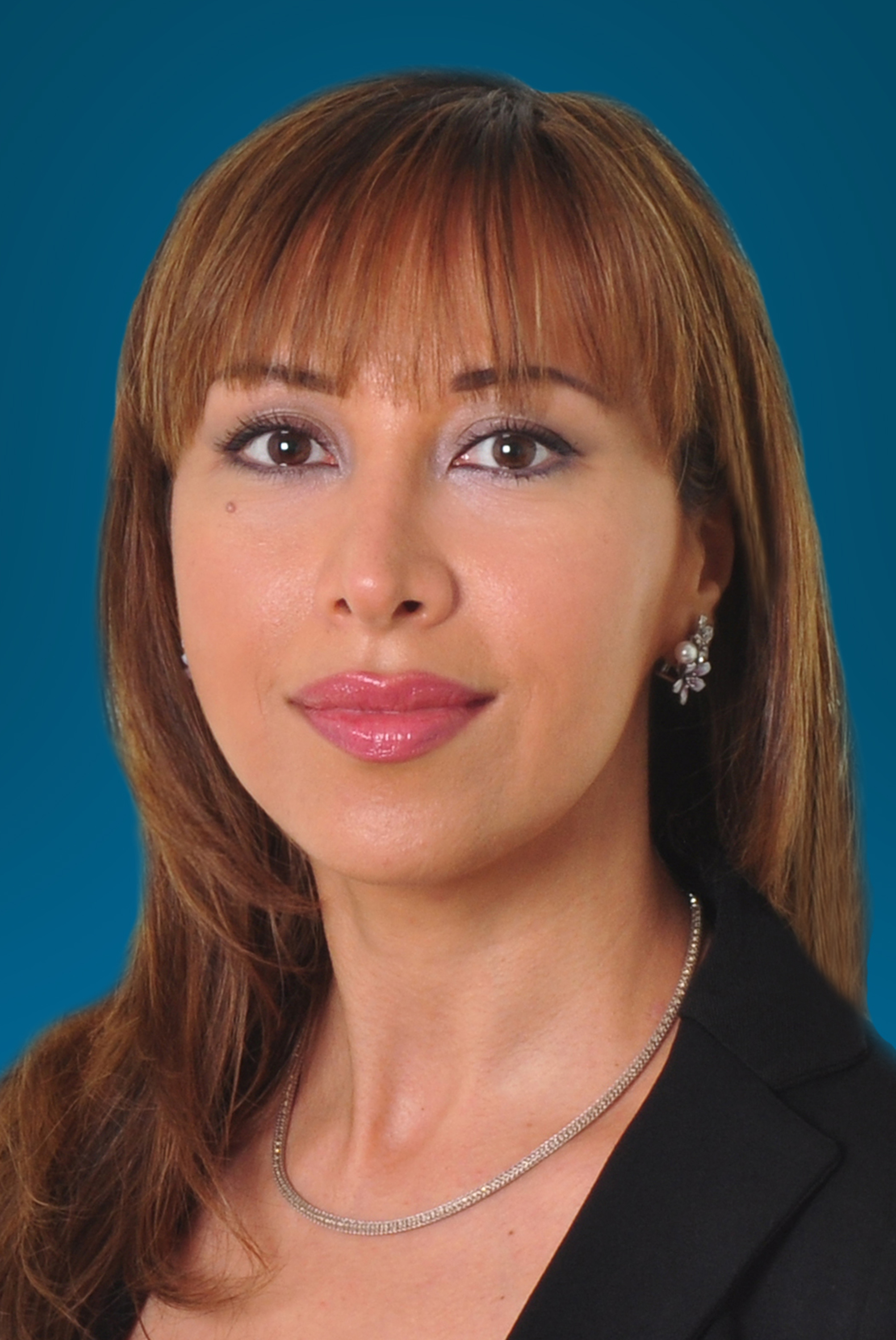
Former Nonresident Scholar, Middle East Center
Nakhle was a nonresident scholar at Carnegie Middle East Center, specializing in international petroleum contracts and fiscal regimes for the oil and gas industry, world oil and gas market developments, energy policy, and oil and gas revenue management.
Recent Work
Carole Nakhle
Carole Nakhle
Carnegie India does not take institutional positions on public policy issues; the views represented herein are those of the author(s) and do not necessarily reflect the views of Carnegie, its staff, or its trustees.

On March 10, 2026, India’s Union Cabinet approved amendments to Press Note 3, a regulation that mandated government approval on all foreign direct investment (FDI) from countries sharing a land border with India. This amendment raises questions primarily about whether its stated benefits will materialize and if the risks have been adequately weighed. This piece will address the same.

Konark Bhandari

This piece examines India’s response to U.S. sanctions and tariffs, specifically assessing the immediate market consequences, such as alterations in import costs, and the broader strategic implications for India’s energy security and foreign policy orientation.

Vrinda Sahai

This paper examines the evolution of India-China economic ties from 2005 to 2025. It explores the impact of global events, bilateral political ties, and domestic policies on distinct spheres of the economic relationship.

Santosh Pai
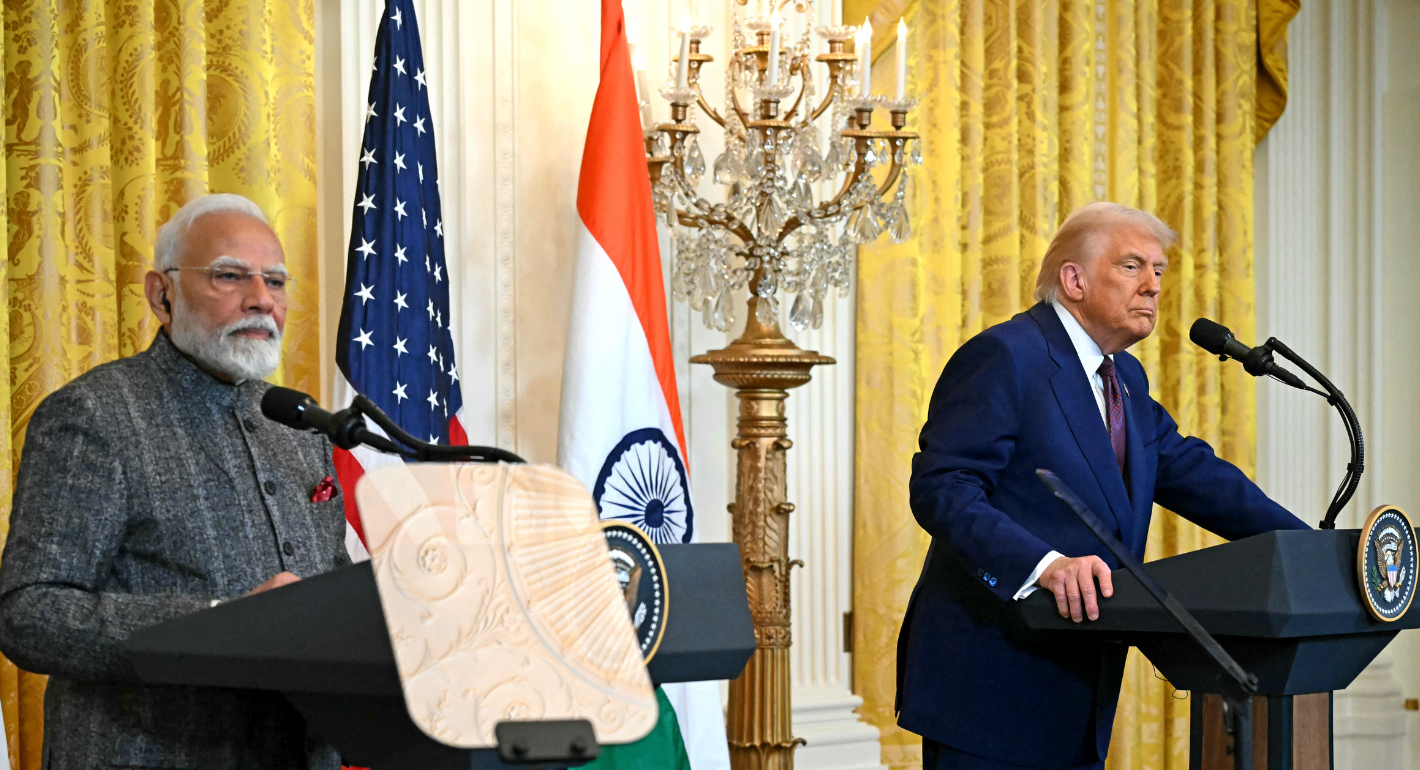
The India-U.S. relationship currently appears buffeted between three “Ts”—TRUST, Tariffs, and Trump.
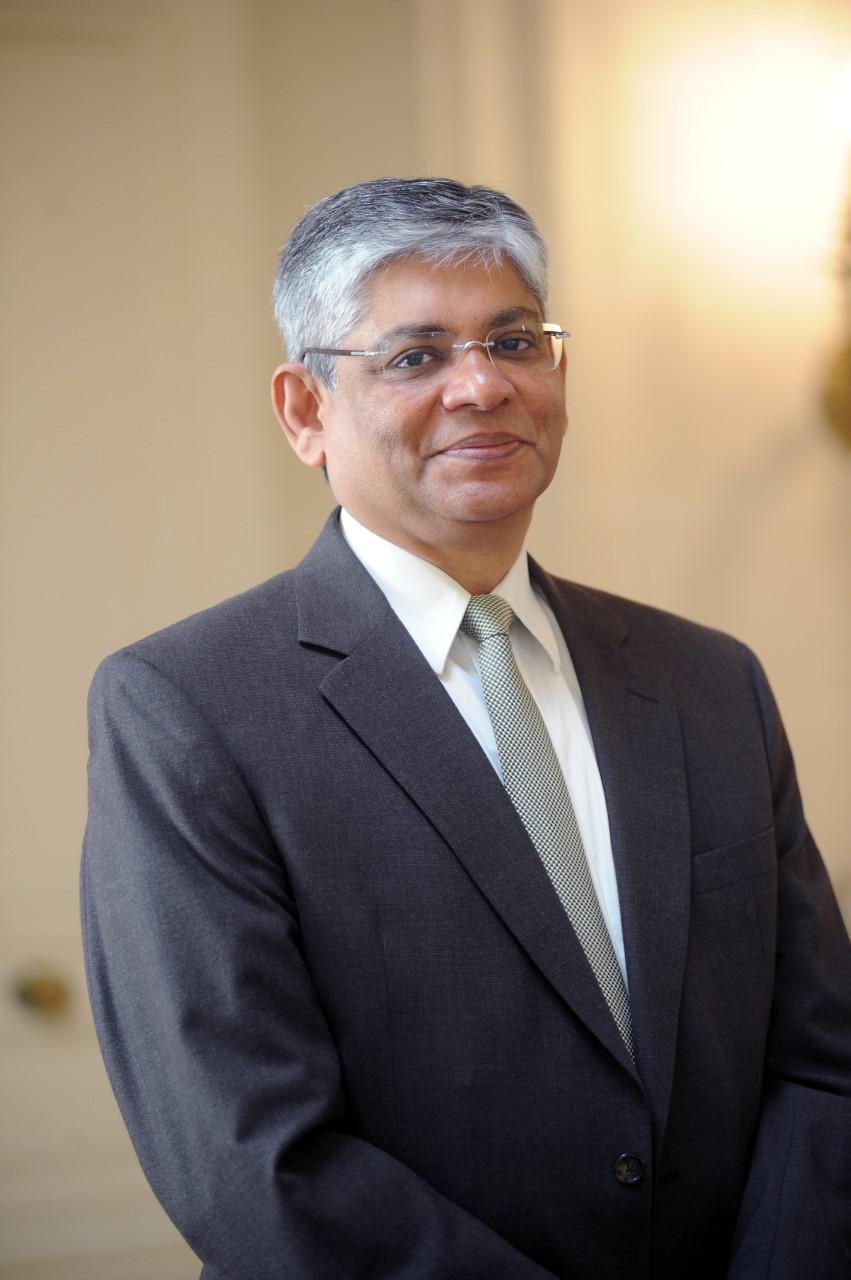
Arun K. Singh
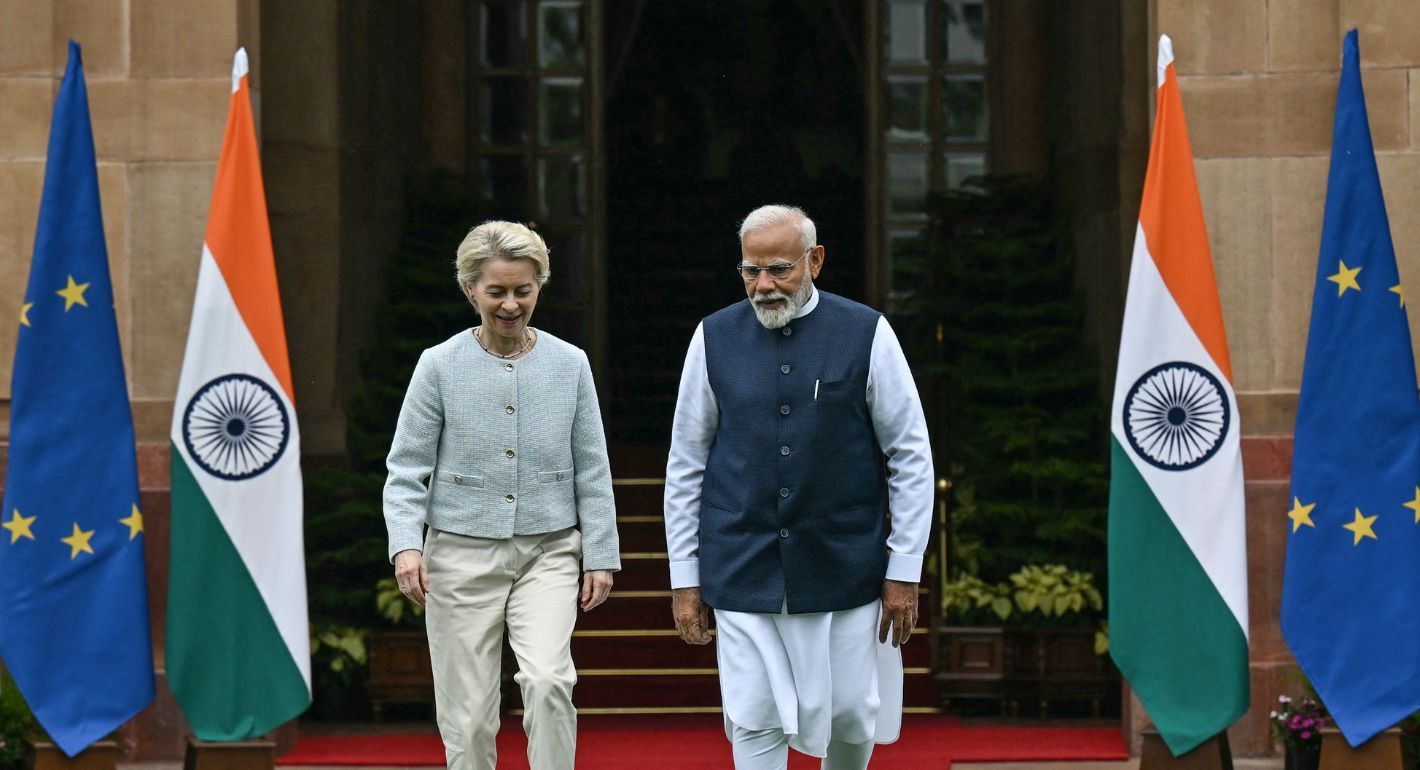
This article argues that the geopolitical circumstances have never been more conducive, not merely for the early conclusion of the free trade agreement (FTA) between India and the EU, but also for crafting a substantive and comprehensive strategic partnership.
Mohan Kumar