

Paper
James L. Schoff, Douglas E. Rake, Joshua Levy
{
  "authors": [
    "James L. Schoff"
  ],
  "type": "legacyinthemedia",
  "centerAffiliationAll": "dc",
  "centers": [
    "Carnegie Endowment for International Peace"
  ],
  "collections": [],
  "englishNewsletterAll": "asia",
  "nonEnglishNewsletterAll": "",
  "primaryCenter": "Carnegie Endowment for International Peace",
  "programAffiliation": "AP",
  "programs": [
    "Asia"
  ],
  "projects": [],
  "regions": [
    "East Asia",
    "Japan"
  ],
  "topics": [
    "Economy"
  ]
}
Source: Getty
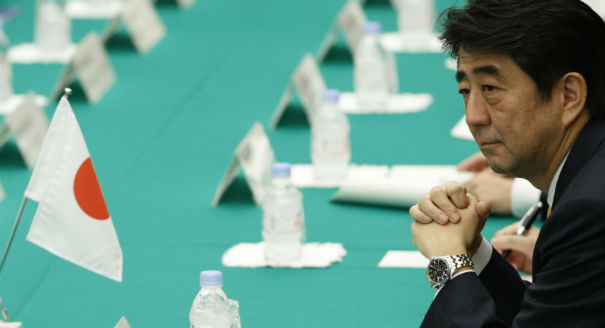
The December 2014 election has given Abe four more years until the next election. This potentially gives Abe the time needed to implement unpopular economic measures like structural reform in Japan.
Source: BloombergTV
In light of the low voter turnout in Japan’s December 2014, billed as a referendum on Prime Minister Abe’s economic policies known as “Abenomics,” Carnegie’s Jim Schoff was asked whether Abe should feel reaffirmed that his policies are what the Japanese people want. Schoff responded that the critical thing for Abe was that this election gave him a total of four years until needing another election, to implement his policies as a sort of “preemptive strike” against the uncoordinated opposition parties. Schoff said that Abe could now take the more unpopular steps and recover with a more productive economy. He added that Abe might take a number of specific short-term steps, such as implement a fiscal stimulus (around $25 billion) and a corporate tax cut so that the rate would be at a low of 20 percent. Schoff finished by saying that in the long-term Abe is looking to tackle deregulation in the electricity sector and also tackle the more entrenched issues of agriculture reform and healthcare reform.

Former Senior Fellow, Asia Program
James L. Schoff was a senior fellow in the Carnegie Asia Program. His research focuses on U.S.-Japan relations and regional engagement, Japanese technology innovation, and regional trade and security dynamics.
Recent Work
James L. Schoff, Douglas E. Rake, Joshua Levy
James L. Schoff

On March 10, 2026, India’s Union Cabinet approved amendments to Press Note 3, a regulation that mandated government approval on all foreign direct investment (FDI) from countries sharing a land border with India. This amendment raises questions primarily about whether its stated benefits will materialize and if the risks have been adequately weighed. This piece will address the same.

Konark Bhandari

This piece examines India’s response to U.S. sanctions and tariffs, specifically assessing the immediate market consequences, such as alterations in import costs, and the broader strategic implications for India’s energy security and foreign policy orientation.

Vrinda Sahai

This paper examines the evolution of India-China economic ties from 2005 to 2025. It explores the impact of global events, bilateral political ties, and domestic policies on distinct spheres of the economic relationship.

Santosh Pai
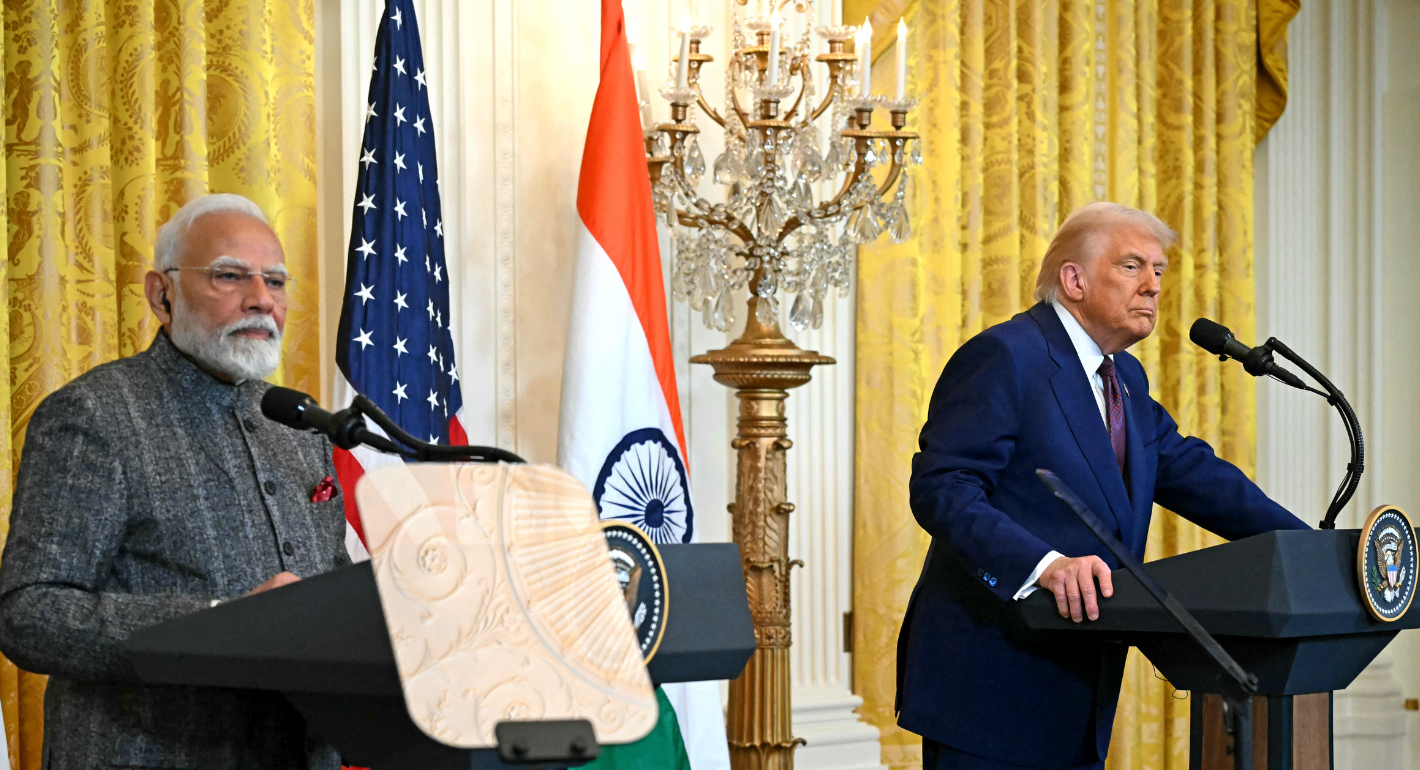
The India-U.S. relationship currently appears buffeted between three “Ts”—TRUST, Tariffs, and Trump.
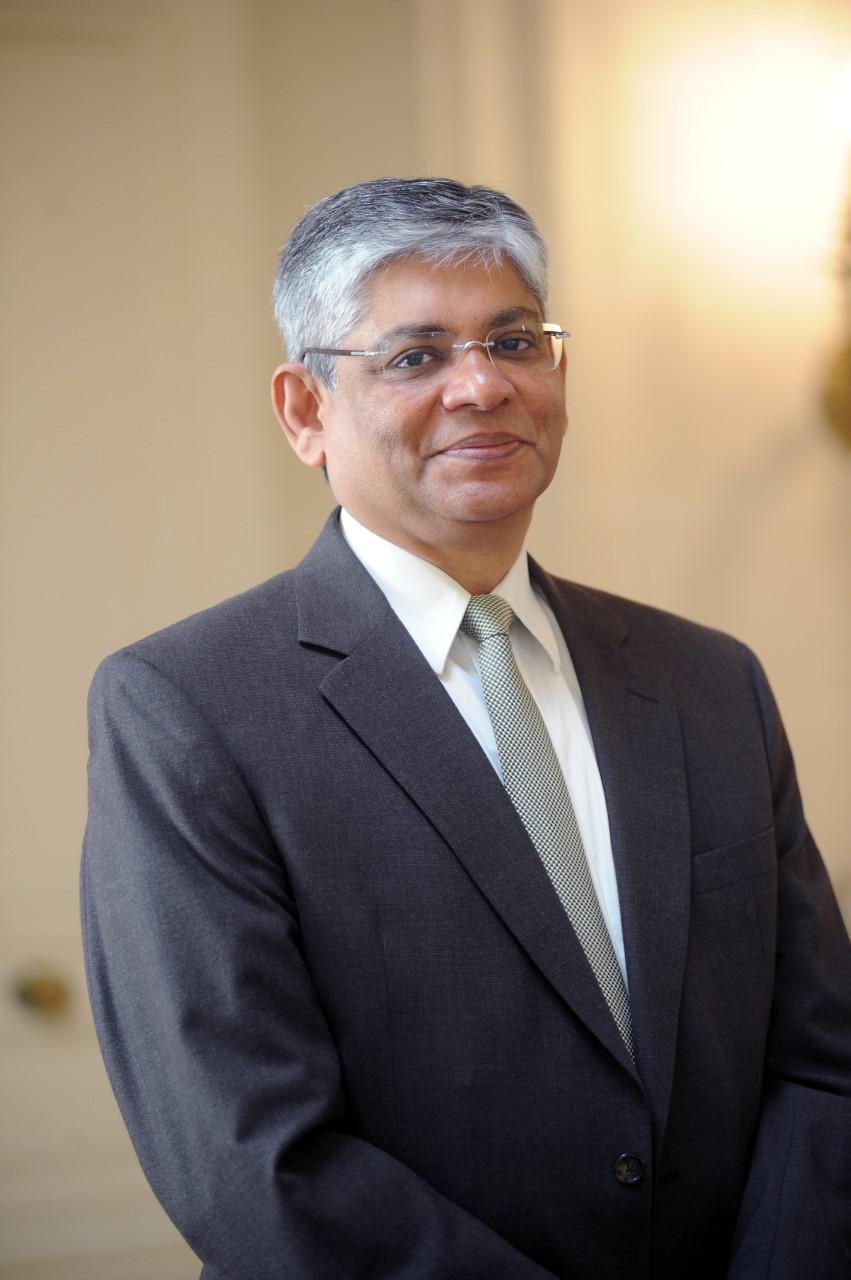
Arun K. Singh
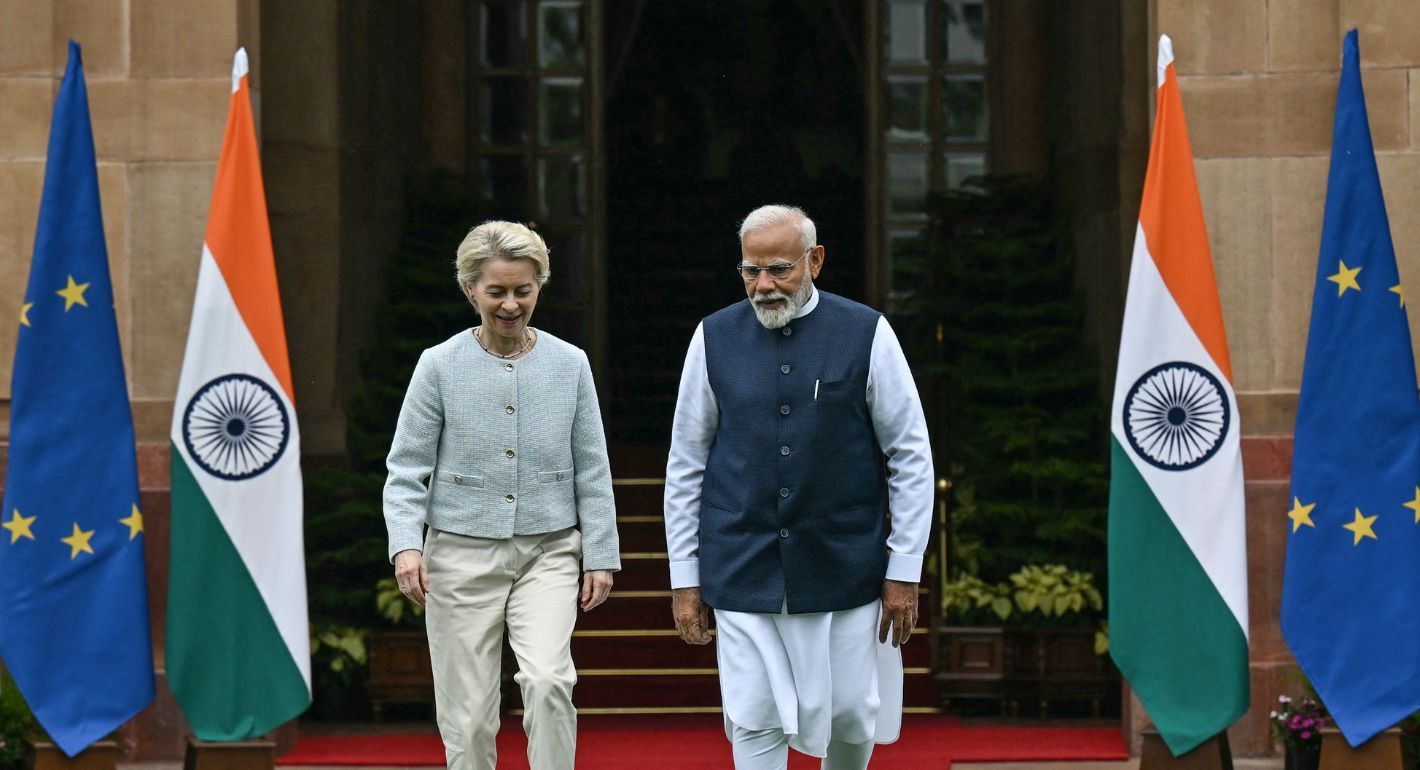
This article argues that the geopolitical circumstances have never been more conducive, not merely for the early conclusion of the free trade agreement (FTA) between India and the EU, but also for crafting a substantive and comprehensive strategic partnership.
Mohan Kumar