

Commentary
Uri Dadush
{
  "authors": [
    "Uri Dadush"
  ],
  "type": "other",
  "centerAffiliationAll": "",
  "centers": [
    "Carnegie Endowment for International Peace"
  ],
  "collections": [],
  "englishNewsletterAll": "",
  "nonEnglishNewsletterAll": "",
  "primaryCenter": "Carnegie Endowment for International Peace",
  "programAffiliation": "",
  "programs": [],
  "projects": [],
  "regions": [
    "Middle East",
    "North Africa"
  ],
  "topics": [
    "Economy"
  ]
}
Source: Getty
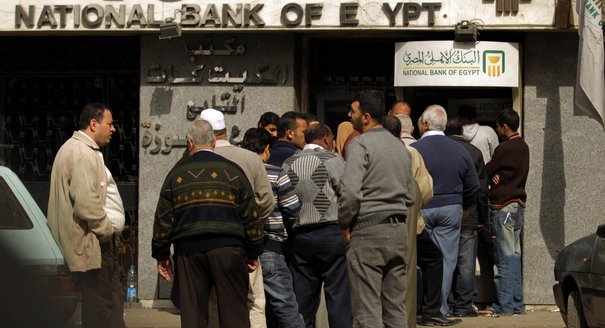
Economic integration is crucial in order to achieve rapid and sustainable growth. However, instabilities in the Middle East and North Africa and the recent plunge in oil prices may stifle economic progress.
Source: OCP Policy Center
Integration into the global economy is essential for rapid and sustained growth, but the countries of the MENA region remain among the least integrated, and were so even before the Arab uprising and the spreading turmoil. To fight poverty and create jobs, the MENA countries must engage in a broad-ranging process of reforms designed to enhance their competitiveness. Trade agreements can provide an important supporting role to this effort, but only if they are part of a wider process of domestic re-forms and they are truly ambitious in scope.
The weak trade performance of the MENA region has been extensively documented and analyzed. Beginning in the early 1990’s, the writer has worked at irregular inter-vals on some 7 or 8 separate examinations of the econo-mic integration of the MENA region and of individual countries in the region, and it is frankly distressing how little the story on trade has changed.There is no doubt that a truly ambitious trade initiative – part of a broad country-driven reform effort designed to improve the business environment and boost productivity – and supported by the region’s main trading partners through enhanced market access and funds - would boost the region’s development prospects. Such a trade initia-tive, one that could conceivably be comparable in scope and ambition to that which propelled the EU’s accession countries, would also lead to accelerated integration with-in the region, bind the region more closely with its Euro-pean neighbors and the United States, create jobs and help reestablish the region’s badly frayed social contract...
This paper was originally published by the OCP Policy Center.

Former Senior Associate, International Economics Program
Dadush was a senior associate at the Carnegie Endowment for International Peace. He focuses on trends in the global economy and is currently tracking developments in the eurozone crisis.
Recent Work
Uri Dadush
Uri Dadush
Carnegie India does not take institutional positions on public policy issues; the views represented herein are those of the author(s) and do not necessarily reflect the views of Carnegie, its staff, or its trustees.

A partnership between India, a country of subcontinental size, and Africa, a continent of fifty-four countries, may seem asymmetric until one notes that both are home to nearly the same number of people—1.4 billion. This essay spells out the existing challenges to the partnership, its optimal potential, and the possible pathways to realize it over the next quarter-century.

Rajiv Bhatia

On March 10, 2026, India’s Union Cabinet approved amendments to Press Note 3, a regulation that mandated government approval on all foreign direct investment (FDI) from countries sharing a land border with India. This amendment raises questions primarily about whether its stated benefits will materialize and if the risks have been adequately weighed. This piece will address the same.

Konark Bhandari

This piece examines India’s response to U.S. sanctions and tariffs, specifically assessing the immediate market consequences, such as alterations in import costs, and the broader strategic implications for India’s energy security and foreign policy orientation.

Vrinda Sahai
This paper examines the evolution of India-China economic ties from 2005 to 2025. It explores the impact of global events, bilateral political ties, and domestic policies on distinct spheres of the economic relationship.

Santosh Pai
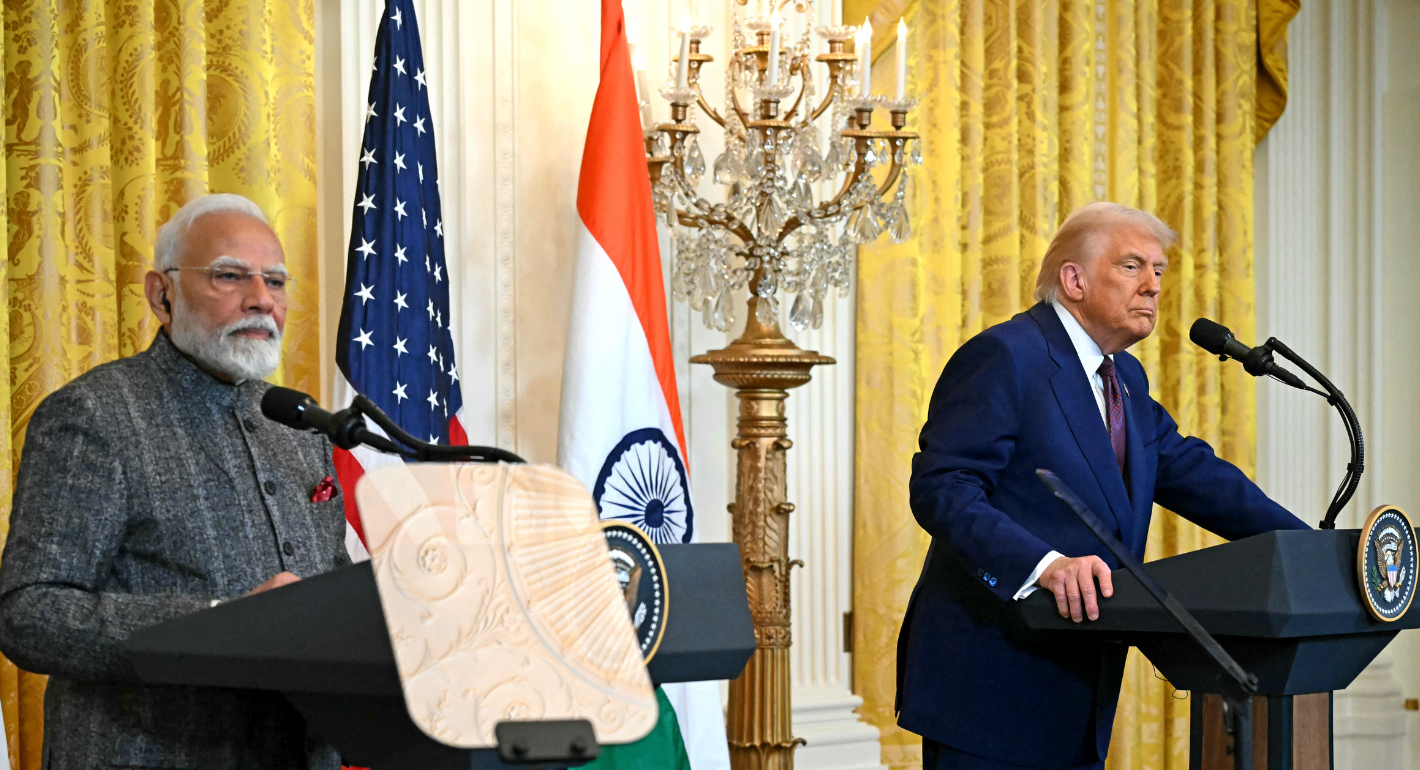
The India-U.S. relationship currently appears buffeted between three “Ts”—TRUST, Tariffs, and Trump.
Arun K. Singh