

Commentary
This piece examines the strategic implications of Bhutan’s diplomatic efforts amid its border dispute with China, highlighting the thin ice it walks on to achieve a resolution without compromising its vital relationships.
Shibani Mehta
{
  "authors": [
    "Cory McKenzie",
    "William Ossoff"
  ],
  "type": "legacyinthemedia",
  "centerAffiliationAll": "dc",
  "centers": [
    "Carnegie Endowment for International Peace"
  ],
  "collections": [
    "Iranian Proliferation",
    "The United States and Japan in Asia"
  ],
  "englishNewsletterAll": "asia",
  "nonEnglishNewsletterAll": "",
  "primaryCenter": "Carnegie Endowment for International Peace",
  "programAffiliation": "AP",
  "programs": [
    "Asia",
    "Nuclear Policy"
  ],
  "projects": [],
  "regions": [
    "East Asia",
    "Japan"
  ],
  "topics": [
    "Nuclear Policy"
  ]
}
Source: Getty
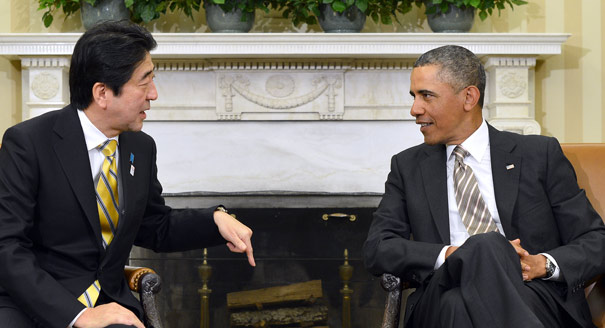
While Japan is not a party to the Iran nuclear deal, it played an important role in its conclusion and could prove influential in its implementation.
Source: Diplomat
While Japan is not a party to the Joint Comprehensive Plan of Action (JCPOA), popularly known as “the Iran nuclear deal,” it played an important role in the conclusion of this international agreement and could be influential in its implementation. The global sanctions regime that helped drive Iran to the negotiating table depended upon the participation of major economic players like Japan. In concert with its U.S. ally and the rest of the international community, Japan endured economic costs in pursuit of shared nuclear nonproliferation principles and broader national interests. The JCPOA is an underappreciated example of cooperation between the United States and Japan on this front.
However, as the one-year anniversary of the JCPOA approaches in July, U.S. and Japanese interests are showing signs of divergence. Japan is expanding investment in Iran’s energy sector while the United States remains at odds with Iran over non-nuclear issues. How will Japan’s deepening economic partnership with Iran impact international nonproliferation efforts and the U.S.-Japan Alliance?...
Cory McKenzie
Former Junior Fellow, Asia Program
William Ossoff
Former Junior Fellow, Nuclear Policy Program
Carnegie India does not take institutional positions on public policy issues; the views represented herein are those of the author(s) and do not necessarily reflect the views of Carnegie, its staff, or its trustees.

This piece examines the strategic implications of Bhutan’s diplomatic efforts amid its border dispute with China, highlighting the thin ice it walks on to achieve a resolution without compromising its vital relationships.

Shibani Mehta
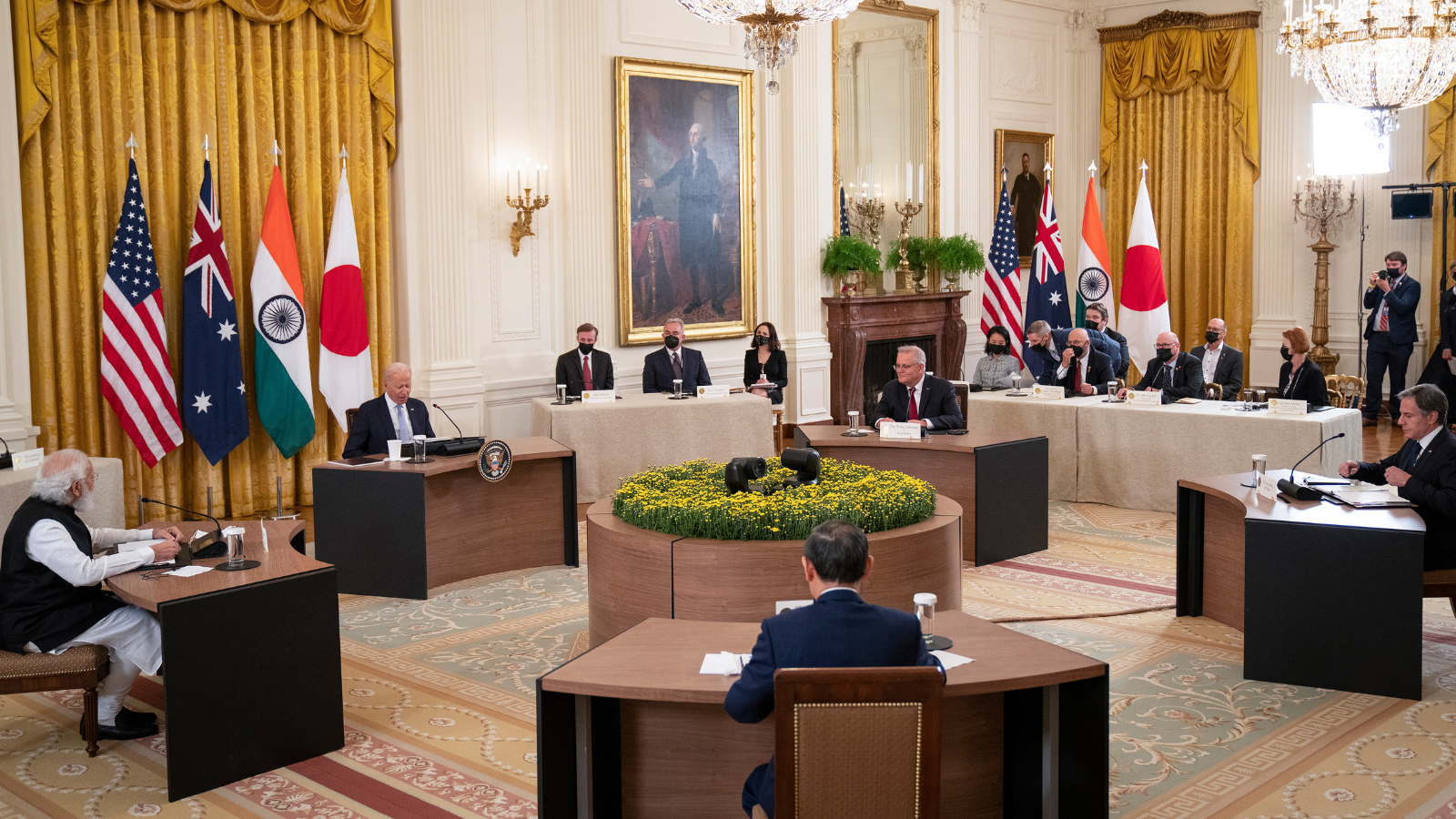
With India set to host the sixth Quad Leaders' Summit in 2024, there is every opportunity for this minilateral to not only develop a DPI initiative but also execute pilots in the Indo-Pacific. This essay shares a rationale for how the four Quad countries could achieve this goal.


Rudra Chaudhuri, Aadya Gupta

How can India navigate export control measures at a time when it is also entering into technology-centric partnerships with other nations to secure enhanced access to advanced technology?

Konark Bhandari
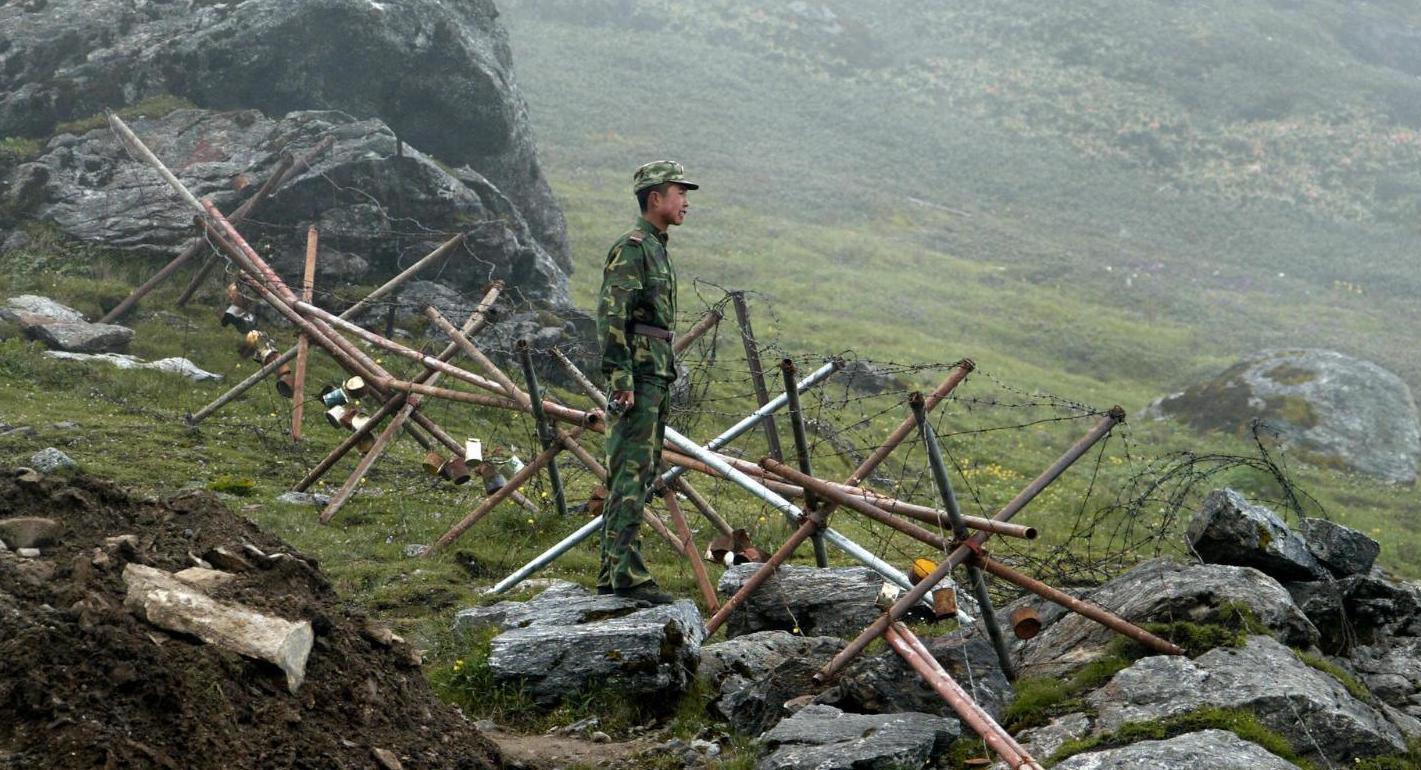
This article examines the significance of the 2013, 2014, and 2015 border standoffs between India and China. It presents a detailed account of the border crises and how the two countries tried to manage them.
Shibani Mehta
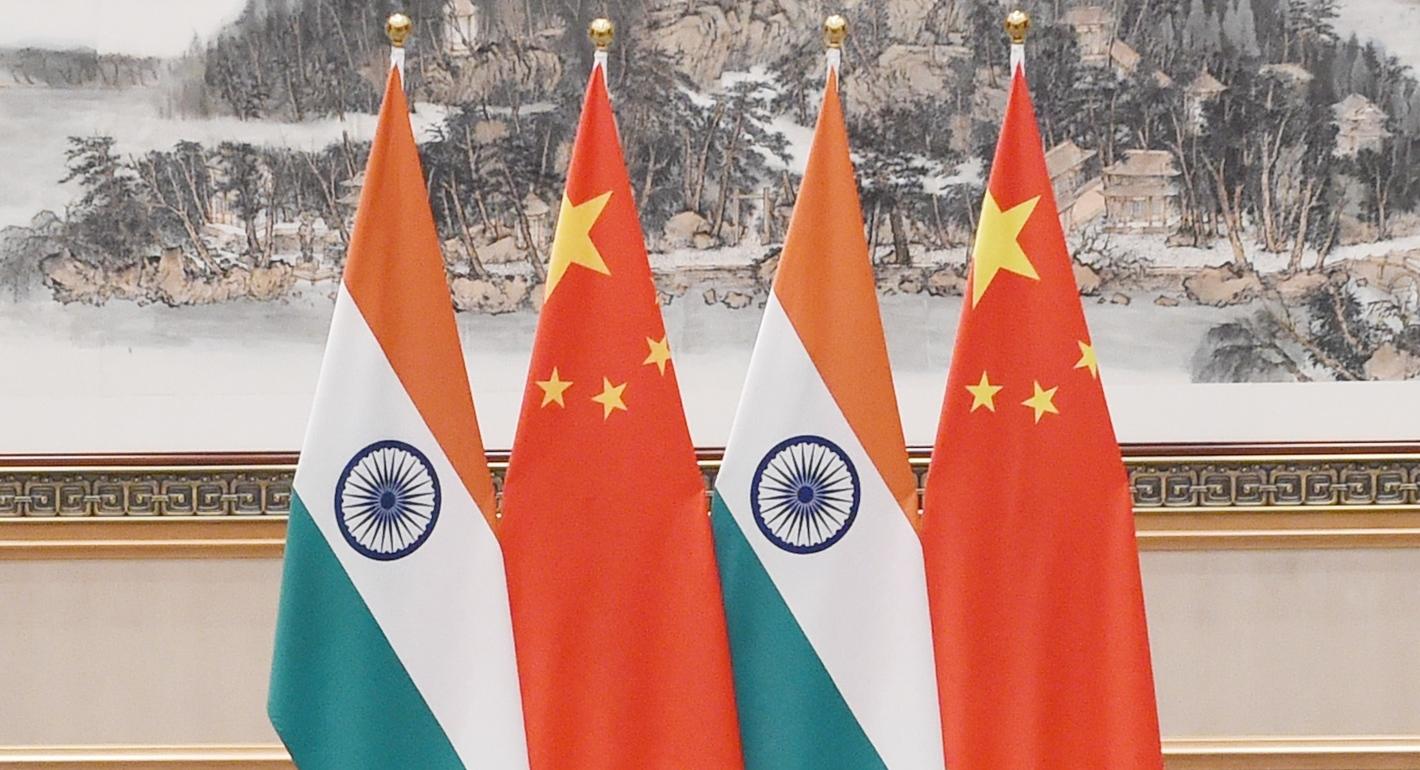
Contrary to some recent analyses, this commentary explains why a strategic détente between India and China is unlikely.

Saheb Singh Chadha