

Article
This piece argues that India’s central challenge is not managing a single flashpoint but resolving the underlying tension between expansion and institutional coherency of the BRICS grouping.
Vrinda Sahai
{
  "authors": [
    "Richard Sokolsky",
    "Aaron David Miller"
  ],
  "type": "legacyinthemedia",
  "centerAffiliationAll": "",
  "centers": [
    "Carnegie Endowment for International Peace"
  ],
  "collections": [],
  "englishNewsletterAll": "",
  "nonEnglishNewsletterAll": "",
  "primaryCenter": "Carnegie Endowment for International Peace",
  "programAffiliation": "",
  "programs": [],
  "projects": [],
  "regions": [
    "North America",
    "United States"
  ],
  "topics": [
    "Foreign Policy"
  ]
}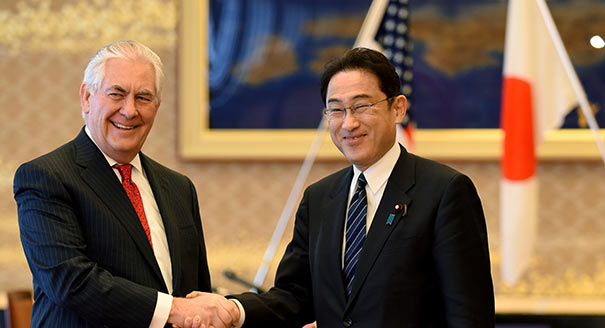
Source: Getty
Secretary of State is the second-best job in government, the least politicized and the most prestigious in the Cabinet. There are compelling reasons why few have resigned.
Source: CNN
This past weekend at the Aspen Security Forum, the rumor mill was working overtime on the idea that Secretary of State Rex Tillerson was seriously considering resigning, if not immediately then by the end of the year.
However, State Department Spokesman R.C. Hammond told Politico that the idea of quitting "never crossed his (Tillerson's) mind."
We have written a number of pieces about Tillerson's travails -- some self-inflicted but most undeniably a result of the stunningly idiosyncratic and harmful way the President's statements and tweets have gummed up the foreign policy machinery.
Tillerson has indeed had a rough time. Having worked for and seen our fair share of secretaries of state come and go, we've never witnessed anything like this. Usually a president will designate the secretary of state as his voice and the key repository of authority on foreign policy. And whether the President chooses to empower the nation's top diplomat on the big issues somewhat (Hillary Clinton) or all the way (Jim Baker), the secretary is the primary adviser to the President on foreign policy.
Not here. White House political advisers help shape key initiatives; and, according to Politico, deny Tillerson staff choices and undermine him with well-placed leaks and innuendo. Trump family members are driving all over the Secretary of State's highway without signaling lane changes. And the President runs relationships with key leaders out of his back pocket, sometimes with few, if any, privy to the discussion.
We understand Tillerson's frustrations. But we'd also respectfully argue that, however stacked the deck may be against him, Tillerson shouldn't quit. And here's why.
Throughout American history, quite a few secretaries have departed their positions early. But only three have resigned over matters of principle; and in the past 100 years only one -- Cyrus Vance -- left in protest. The point is, Secretary of State is the second-best job in government, the least politicized and the most prestigious in the Cabinet. There are compelling reasons why few have resigned.
And to do so, Tillerson would need a very compelling reason that would not only make sense to him, but would also protect his public reputation and credibility. Vance left because of his profound opposition to Carter's decision to launch an almost certainly doomed military mission to rescue the American hostages in Iran. Frustration with the bureaucracy, unhappiness with the President's governing style or pique over a backbiting White House just aren't compelling reasons commensurate with the status of the job.
Right now, based on everything we know, Tillerson just doesn't have one such reason. And an early out, particularly for a guy who took the job claiming he wanted to serve his country, would damage his reputation and add a sad coda to the end of his State Department stewardship.
It's true that the headlines for Tillerson don't look all that good. He may have a great deal of contact with the President and have been the one Trump chose to attend the meeting with Putin on the margins at the G20, but unless the President makes it clear that the Secretary is his main adviser on some issue and Tillerson steps up to take charge of it, he's not going to be seen as having much influence.
Still, it's early. The administration hasn't yet faced an all-hands-on-deck crisis that requires sustained management. And Tillerson -- at least on paper -- has the contacts with key leaders, the international sensibility and enough of the negotiator's mindset to deal with one. Regardless of how frustrating the first six months have been, it's far too short a metric to judge what might follow, let alone to make a judgment that the time has come to depart.
It's unlikely that Tillerson, like most secretaries of state, would serve a second term, should there be one for this President. And as the departure of Ronald Reagan's former secretary of state, Alexander Haig -- largely over infighting with then-Secretary of Defense Caspar Weinberger -- attests, there's precedent for a Secretary of State resigning after a year.
Tillerson has a small army behind him to put out diplomatic fires and manage crises. But like any good general, to achieve the mission he needs to delegate authority and trust his subordinates.
It's not just that Tillerson has been undercut from above; he has also not been well served from below, but this is a self-inflicted wound. The secretary is squandering his most precious asset -- the immensely talented, intelligent, experienced, hardworking and capable people who man the trenches at Foggy Bottom.
News flash: the bureaucracy at State is not the enemy, so Tillerson should stop treating it like one. He's trying to run the department in a highly centralized and tightly controlled manner like Jim Baker. It worked for Baker because he had the horsepower in his inner circle. Tillerson is not as fortunate.
Instead, he should emulate the more decentralized and inclusive management model of George Shultz, who empowered the other senior officials in the department to take the initiative and backed them 100% even when they stumbled. If Tillerson gives these officials the authority, support and tools they need to do their job, they will help him and the department to be more effective.
As ineffectual, at times, as Tillerson has been, it cannot be assumed that things couldn't get any worse under new management. For all his stumbles, the Secretary of State has gotten a few big things right. He has, for example, been a soothing voice in reassuring US allies, particularly Japan and South Korea of America's defense commitments. He has developed a good relationship with Secretary of Defense James Mattis -- and on some issues (even though he's lost on a couple, like US withdrawal from the Paris accord on climate change), he has moderated some of Trump's worst instincts, such as walking away from the nuclear deal with Iran. He's also talked tough on maintaining existing sanctions on Russia, which may have helped stiffen the President's resolve as well.
There's no guarantee that his successor will play well with others, hand-hold the allies rather than throw bombs at them or elevate diplomacy, engagement and dialogue with difficult countries rather than adopt confrontational policies that offer little prospect for success but significant risks of escalation. For all those who hope to wish Tillerson an early and happy retirement, be careful what you wish for, especially if his successor is more ideological and combative and less pragmatic than the more even-keeled Tillerson.
Tillerson does not have a small ego. He doesn't want to be the answer to the question in a game of Trivial Pursuit of which Secretary of State holds the record for the shortest tenure in the modern era. And from his many years as a world class negotiator, he should have a sixth sense for when to hold and when to fold. Now is not the time to fold.
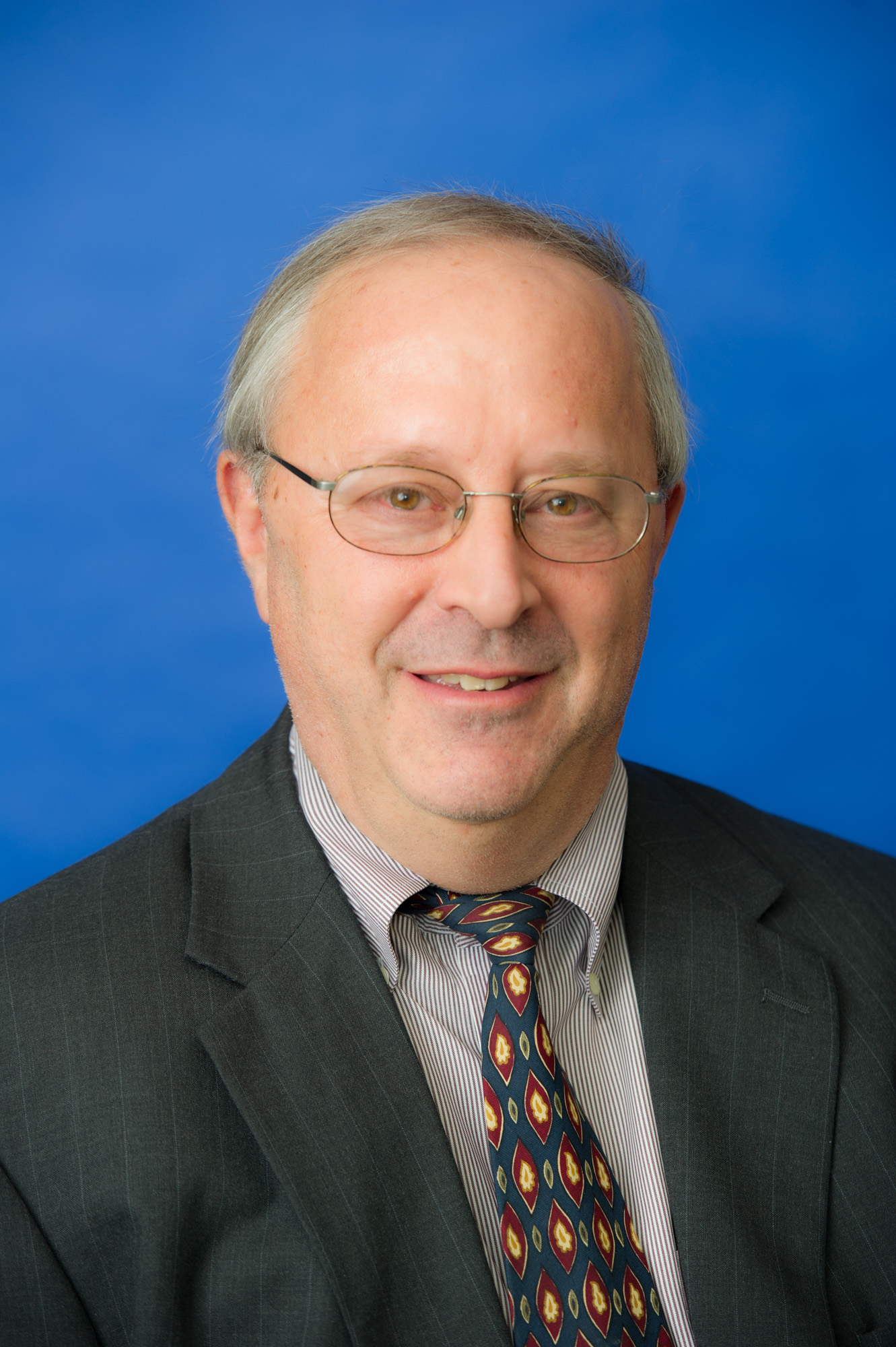
Nonresident Senior Fellow, Russia and Eurasia Program
Richard Sokolsky is a nonresident senior fellow in Carnegie’s Russia and Eurasia Program. His work focuses on U.S. policy toward Russia in the wake of the Ukraine crisis.

Senior Fellow, American Statecraft Program
Aaron David Miller is a senior fellow at the Carnegie Endowment for International Peace, focusing on U.S. foreign policy.
Carnegie India does not take institutional positions on public policy issues; the views represented herein are those of the author(s) and do not necessarily reflect the views of Carnegie, its staff, or its trustees.

This piece argues that India’s central challenge is not managing a single flashpoint but resolving the underlying tension between expansion and institutional coherency of the BRICS grouping.

Vrinda Sahai

A partnership between India, a country of subcontinental size, and Africa, a continent of fifty-four countries, may seem asymmetric until one notes that both are home to nearly the same number of people—1.4 billion. This essay spells out the existing challenges to the partnership, its optimal potential, and the possible pathways to realize it over the next quarter-century.

Rajiv Bhatia

The U.S.–India semiconductor cooperation story is well-stocked with top-level strategic intent. What remains unresolved, however, are some underlying challenges that will determine whether the cooperation actually functions. Three such friction points stand out.

Shruti Mittal

The India–EU Free Trade Agreement (FTA) is shaping up to be one of the most consequential trade negotiations, both economically and strategically. But, what’s in the agreement, what’s missing, and what will determine its success in the years ahead
Vrinda Sahai, Nicolas Köhler-Suzuki
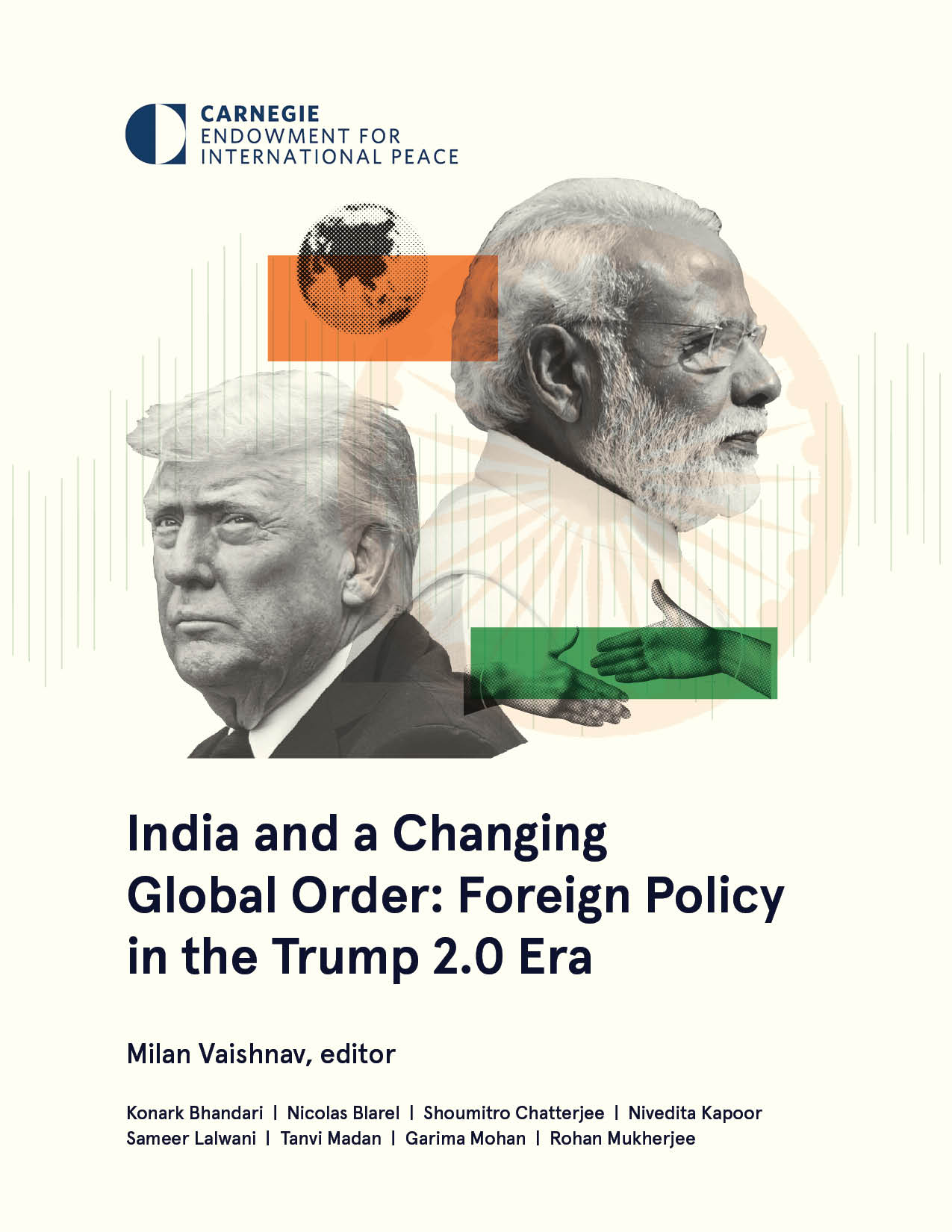
Trump 2.0 has unsettled India’s external environment—but has not overturned its foreign policy strategy, which continues to rely on diversification, hedging, and calibrated partnerships across a fractured order.

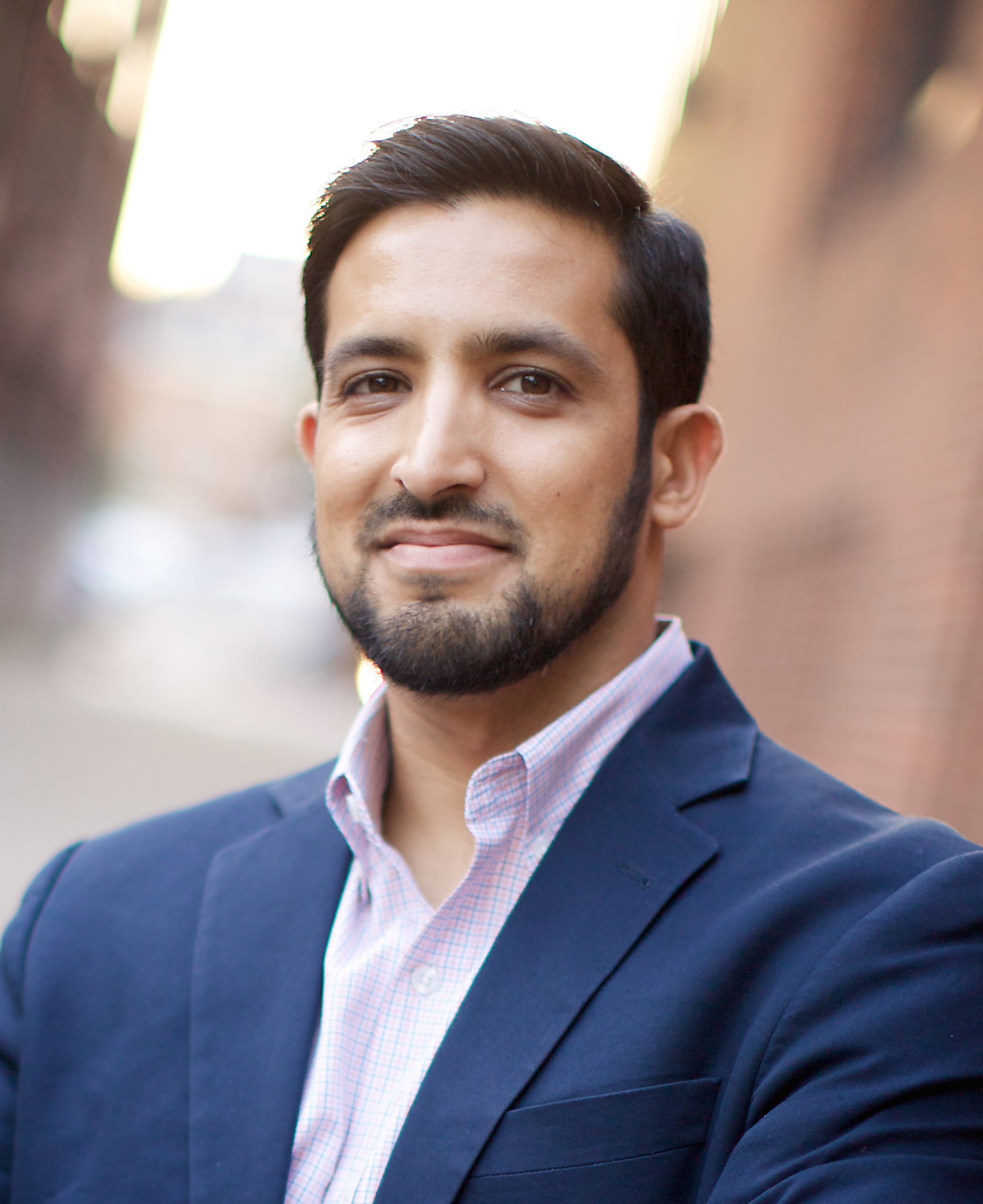

Milan Vaishnav, ed., Sameer Lalwani, Tanvi Madan, …