

Commentary
This piece examines the strategic implications of Bhutan’s diplomatic efforts amid its border dispute with China, highlighting the thin ice it walks on to achieve a resolution without compromising its vital relationships.
Shibani Mehta
{
  "authors": [
    "Se Young Jang"
  ],
  "type": "other",
  "centerAffiliationAll": "dc",
  "centers": [
    "Carnegie Endowment for International Peace"
  ],
  "collections": [
    "Korean Peninsula"
  ],
  "englishNewsletterAll": "ctw",
  "nonEnglishNewsletterAll": "",
  "primaryCenter": "Carnegie Endowment for International Peace",
  "programAffiliation": "NPP",
  "programs": [
    "Nuclear Policy"
  ],
  "projects": [],
  "regions": [
    "East Asia",
    "South Korea"
  ],
  "topics": [
    "Nuclear Policy"
  ]
}
Source: Getty
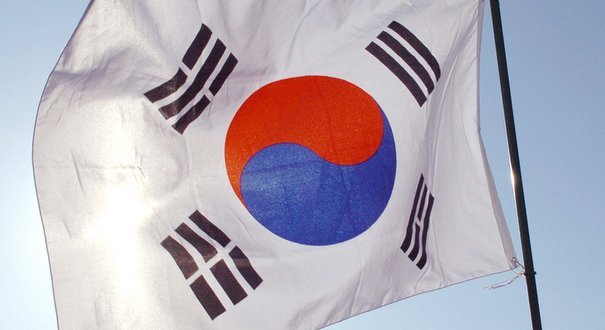
Pressure by the United States was less decisive in forcing South Korea to ratify the NPT in 1975 than commonly assumed.
Source: Wilson Center
In this Nuclear Proliferation International History Project (NPIHP) Working Paper, Se Young Jang challenges the the common narrative that US pressure forced South Korea to ratify the NPT in 1975. Using new evidence from international archives, Jang finds that the decisive pressure came from a different country—Canada.
Pressure by the United States was less decisive in forcing South Korea to ratify the NPT in 1975 than commonly assumed. Records show that a consensus to ratify the treaty was reached within the ROK government by early March 1975—before the US applied meaningful pressure.
There is little evidence that the 1975 Congressional resolution calling on the EX-IM bank to defer financing for reactor construction in Korea had an impact on ROK decision-making. The short time between the introduction of the resolution to the Senate Committee on Foreign Relations on March 7th and the notification of ROK President Park’s decision to ratify the NPT by the Korean Ministry of Foreign Affairs on March 8th suggests the events were not directly related.
South Korea joined the NPT to secure the sale of Canadian heavy-water reactors, whose sale had been made contingent on ratification. The ROK government chose to pursue the plutonium route to a bomb in 1972, making the acquisition of heavy-water reactors critical to the entire project.
The South Korean government did not regard NPT ratification as the end of its military nuclear pursuits. South Korea’s program was not formally suspended until December 1976—over one-and-a-half years after the Korean National Assembly ratified the NPT in March 1975.
Former Nonresident Scholar, Nuclear Policy Program
Se Young Jang was a nonresident scholar in the Nuclear Policy Program at the Carnegie Endowment for International Peace.
Carnegie India does not take institutional positions on public policy issues; the views represented herein are those of the author(s) and do not necessarily reflect the views of Carnegie, its staff, or its trustees.

This piece examines the strategic implications of Bhutan’s diplomatic efforts amid its border dispute with China, highlighting the thin ice it walks on to achieve a resolution without compromising its vital relationships.

Shibani Mehta
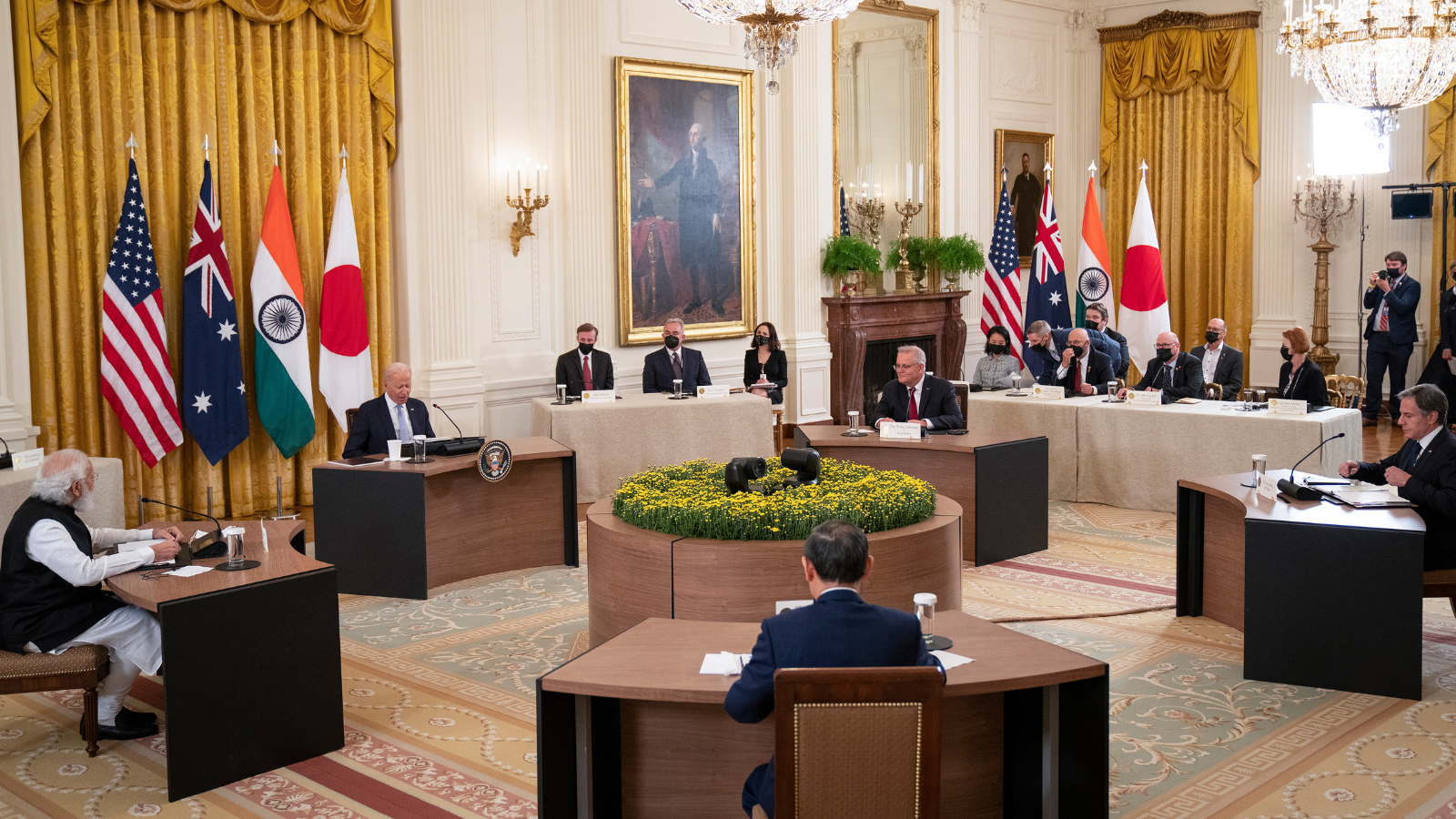
With India set to host the sixth Quad Leaders' Summit in 2024, there is every opportunity for this minilateral to not only develop a DPI initiative but also execute pilots in the Indo-Pacific. This essay shares a rationale for how the four Quad countries could achieve this goal.


Rudra Chaudhuri, Aadya Gupta

How can India navigate export control measures at a time when it is also entering into technology-centric partnerships with other nations to secure enhanced access to advanced technology?

Konark Bhandari
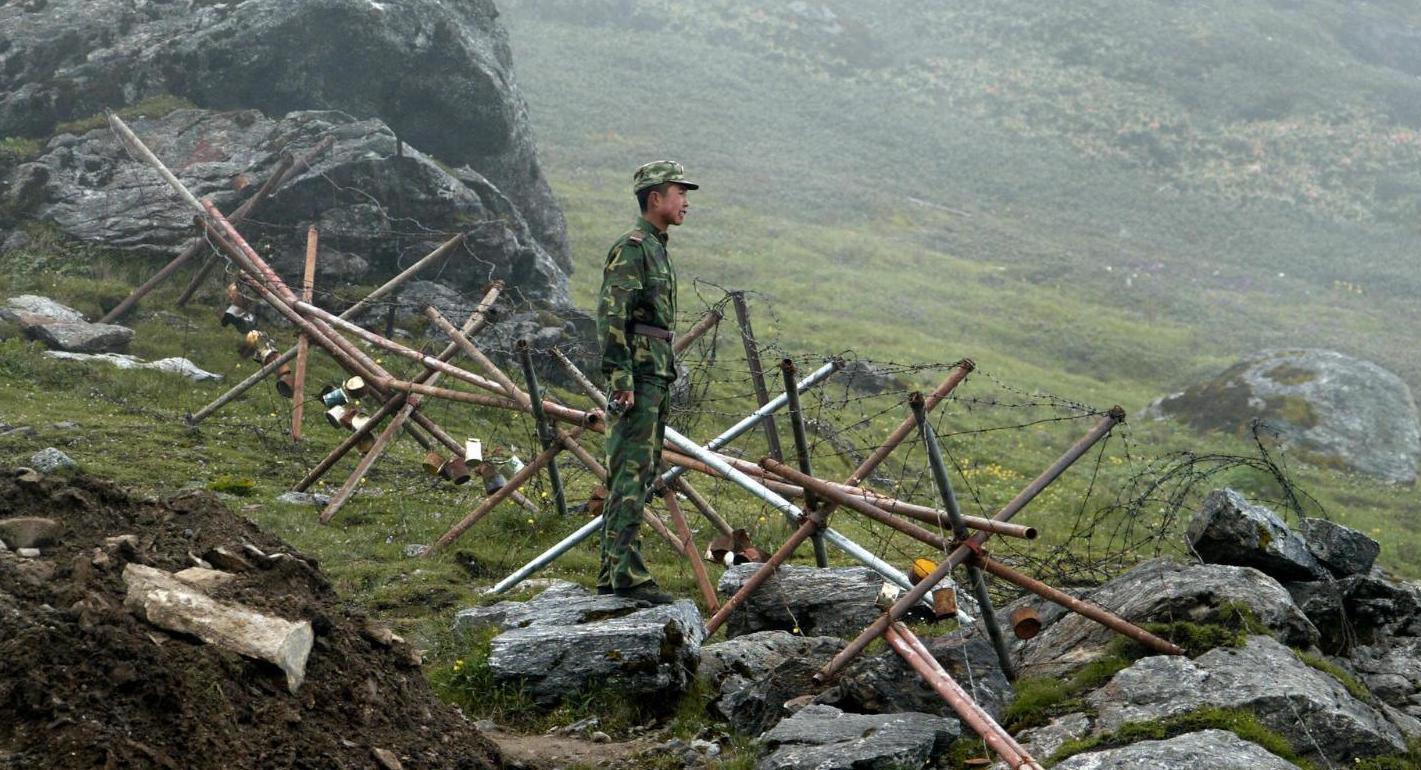
This article examines the significance of the 2013, 2014, and 2015 border standoffs between India and China. It presents a detailed account of the border crises and how the two countries tried to manage them.
Shibani Mehta
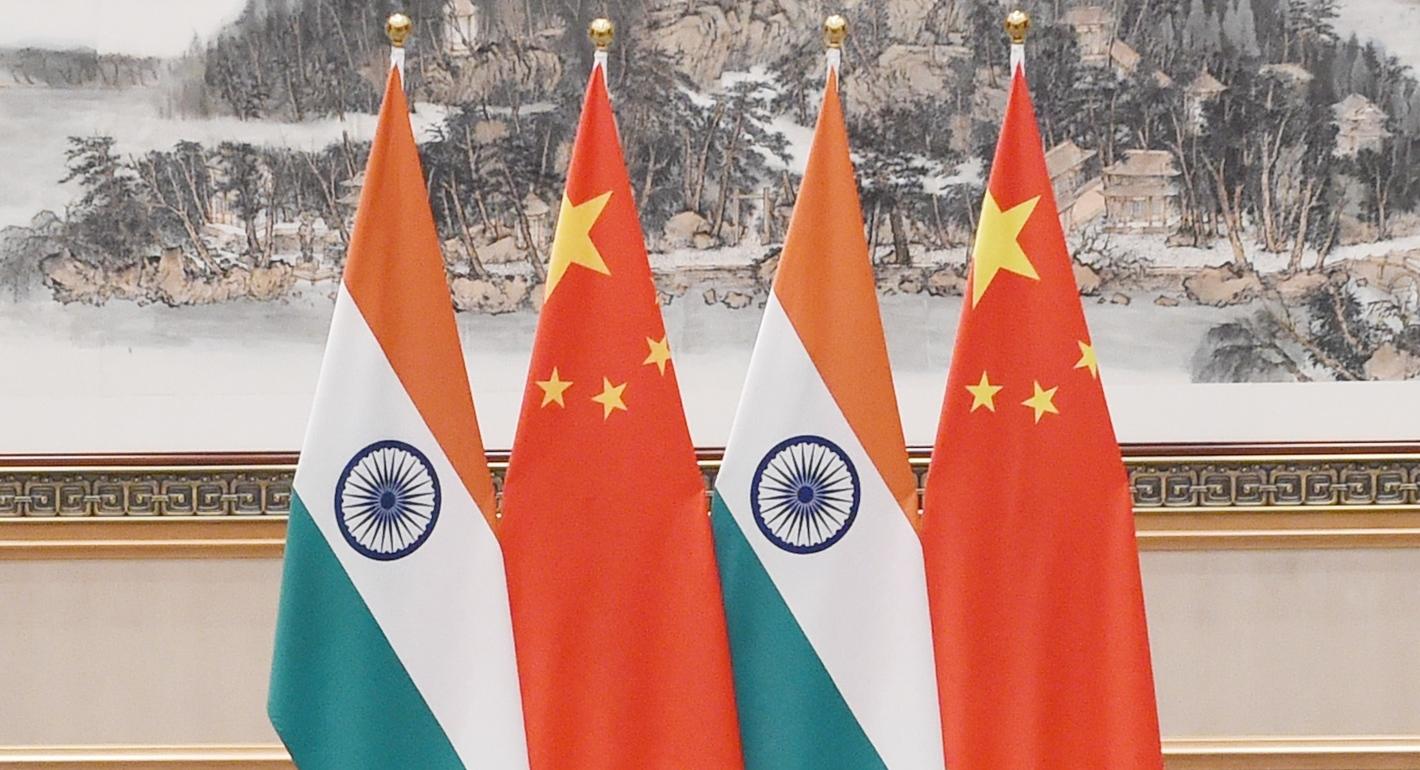
Contrary to some recent analyses, this commentary explains why a strategic détente between India and China is unlikely.

Saheb Singh Chadha