

Paper
Erik Brattberg, Tomáš Valášek
{
  "authors": [
    "Tomáš Valášek"
  ],
  "type": "legacyinthemedia",
  "centerAffiliationAll": "dc",
  "centers": [
    "Carnegie Endowment for International Peace",
    "Carnegie Europe"
  ],
  "collections": [
    "EU Integration and Enlargement"
  ],
  "englishNewsletterAll": "ctw",
  "nonEnglishNewsletterAll": "",
  "primaryCenter": "Carnegie Europe",
  "programAffiliation": "EP",
  "programs": [
    "Europe"
  ],
  "projects": [],
  "regions": [
    "Europe",
    "Western Europe",
    "Iran"
  ],
  "topics": [
    "EU",
    "Democracy"
  ]
}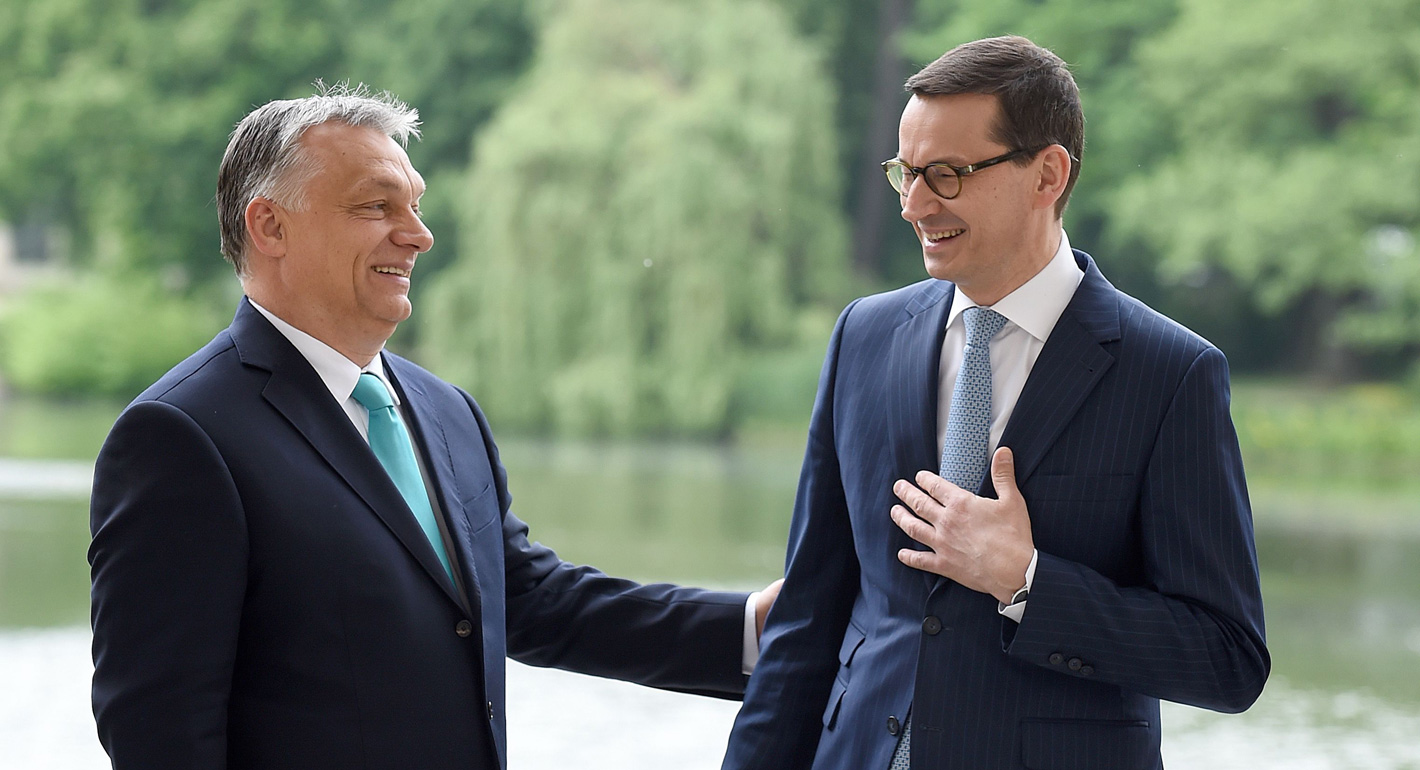
Source: Getty
To stem the populist tide, liberals have to avoid falling into the trap of bashing Central Europe.
Source: Politico Europe
In a recent visit to Slovakia, French President Emmanuel Macron said all the right things: The European Union, he claimed, is not divided between old and new members. “All contributed to Europe’s reunion.”
But in attempting to reassure his eastern neighbors, he papered over a fraught relationship that, left unaddressed, risks creating an irreparable rift between East and West.
The fight between liberal and illiberal forces has become Europe’s defining narrative. But as the campaign for the European election heats up, many candidates are painting populism as primarily a Central European problem, pitting one side against the other.As such, next year’s European election — and the jockeying for top EU jobs that comes with it — is gearing up to be a test of the bloc’s unity.
The narrative of a Western liberal bastion under assault from populists in the EU’s “new” member countries is tempting. But populism was not invented by Hungarian Prime Minister Viktor Orbán. Austria’s far-right party was in government when Hungary was still only a hopeful EU membership candidate. Nor is the phenomenon confined to Central Europe.
The stereotype took hold for several reasons. For one, the only two European governments — Hungary and Poland — to be run by right-wing populists both lie in the East. (Italy, by contrast, is run by a coalition of left and right-wing populists.)
Hungary’s Orbán, too, has contributed to the narrative by embracing the “illiberal” label and framing the division between “liberal” and “illiberal” states as a fight between East and West, in part to create the impression he has a greater following in the region than he actually enjoys.
It’s also fair to say countries in each camp approach shared challenges with different fears, hopes and historical baggage. In the West, for example, 1968 was a liberal revolution. But in Central Europe, the defining event of that year — which included the Soviet invasion of Czechoslovakia — crushed any hope socialism might work and laid the groundwork for today’s anti-communist political classthat has veered right ever since.
Seen in this context, Central Europeans’ resistance to mandatory quotas for asylum seekers makes sense — it combines an apprehension of outsiders with a dislike of being told to do things against their will.
The West, too, has contributed to the narrative of a populist Central Europe. For older member countries with regrets about the EU’s 2004 eastern enlargement, the crisis of liberalism across the bloc has been an opportunity to push to (re-)create a more tightly knit community of likeminded countries. By framing Europe’s problems as East versus West, they prepare the political ground for the creation of a two-tiered membership system.
As Europe gears up for election season, the risk that candidates will inflame tensions for electoral gains and break relations beyond repair is high. If liberals truly want to stem the populist tide and champion the European project, they should avoid falling into the trap of bashing Central Europe.
To avoid a permanent split, Europe could use a political force with the wisdom to recognize the dangers of divisive East-West rhetoric, and the courage to campaign on a message of unity.
This will be a lonely job; the current lead candidates of the bloc’s European parties nearly all stress the differences. But a cross-party group of MEP candidates from both Western and Central Europe could limit the damage by making an intelligent case about why the EU can best tackle its challenges — including populism — together.
An agreement on migration would also help to neutralize the toxic effect the debate on asylum seekers has had on East-West relations. The broad outlines of such an agreement are already visible: It would involve allocating more resources to stop illegal entries at Europe’s external borders, and a concerted effort to develop the economies of countries migrants are leaving behind.
The logjam on asylum seekers could also be broken by abandoning the reductive idea of mandatory quotas and exploring alternate, yet substantive, ways for countries to help reduce the burden.
Perhaps most importantly, European leaders need to reframe how they see the crisis gripping the Continent. It is not a fight between a liberal West and an illiberal East. All over the Continent, Europeans who believe in the idea of an open society face an equally pan-European nativist, populist challenge.
Populists are not entirely wrong about the EU not working well. For liberals, the best response would be to mobilize democrats from across Europe — including allies in Central Europe — and set out their own answers to the grievances aired by populist parties.
Ultimately, for the EU to work well, both sides will need to make an effort to get to know each other. Western and Central Europeans are far less well-acquainted than they like to think, and make all kinds of assumptions about one another. These come to the fore in times of crises, and complicate EU decision-making.
Steps taken before Central European countries’ accession to the EU — including scholarships for students from candidate countries — have helped, but they produced mostly one-way flows of people and information.
For Europe to work as one we need to address the unspoken assumptions and stereotypes we hold about each other and move from a situation where Central Europeans travel to, and learn about, Western Europe, to one of real exchange. An East-West TV channel modeled after Franco-German ARTE might help, for example.
In a free but economically uneven Europe, the flow of people and ideas will always be lopsided. But if we want Europe to survive and work as one, we must make a concerted effort to rebalance it.
Former Director, Carnegie Europe
Valášek was director of Carnegie Europe and a senior fellow, where his research focused on security and defense, transatlantic relations, and Europe’s Eastern neighborhood.
Recent Work
Erik Brattberg, Tomáš Valášek
Tomáš Valášek
Carnegie India does not take institutional positions on public policy issues; the views represented herein are those of the author(s) and do not necessarily reflect the views of Carnegie, its staff, or its trustees.
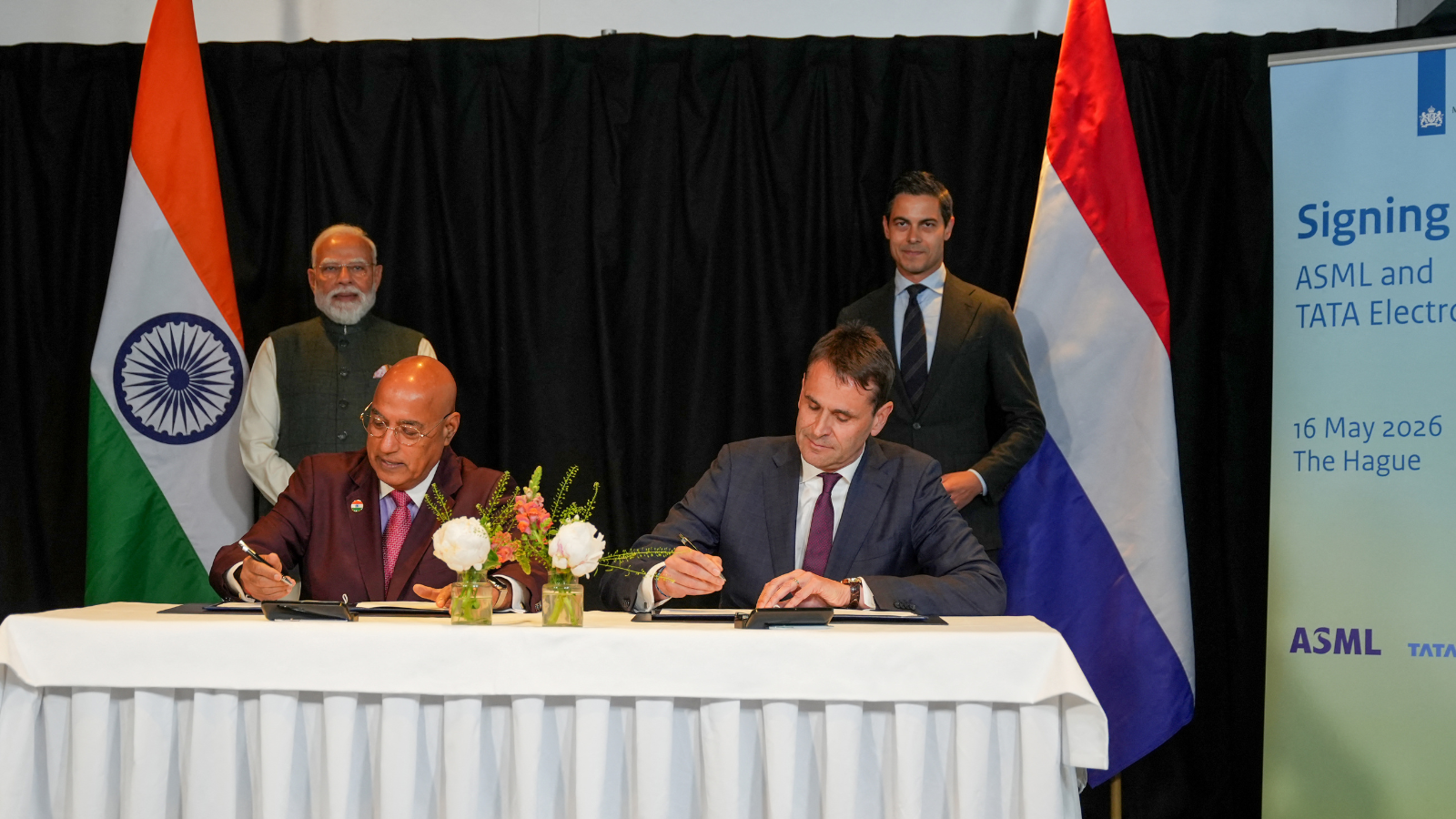
The ASML MoU with Tata Electronics is an indicator of how far the Indian semiconductor ecosystem has come. This ecosystem has been years in the making and represents real commercial logic.

Konark Bhandari

The India–EU Free Trade Agreement (FTA) is shaping up to be one of the most consequential trade negotiations, both economically and strategically. But, what’s in the agreement, what’s missing, and what will determine its success in the years ahead

Vrinda Sahai, Nicolas Köhler-Suzuki
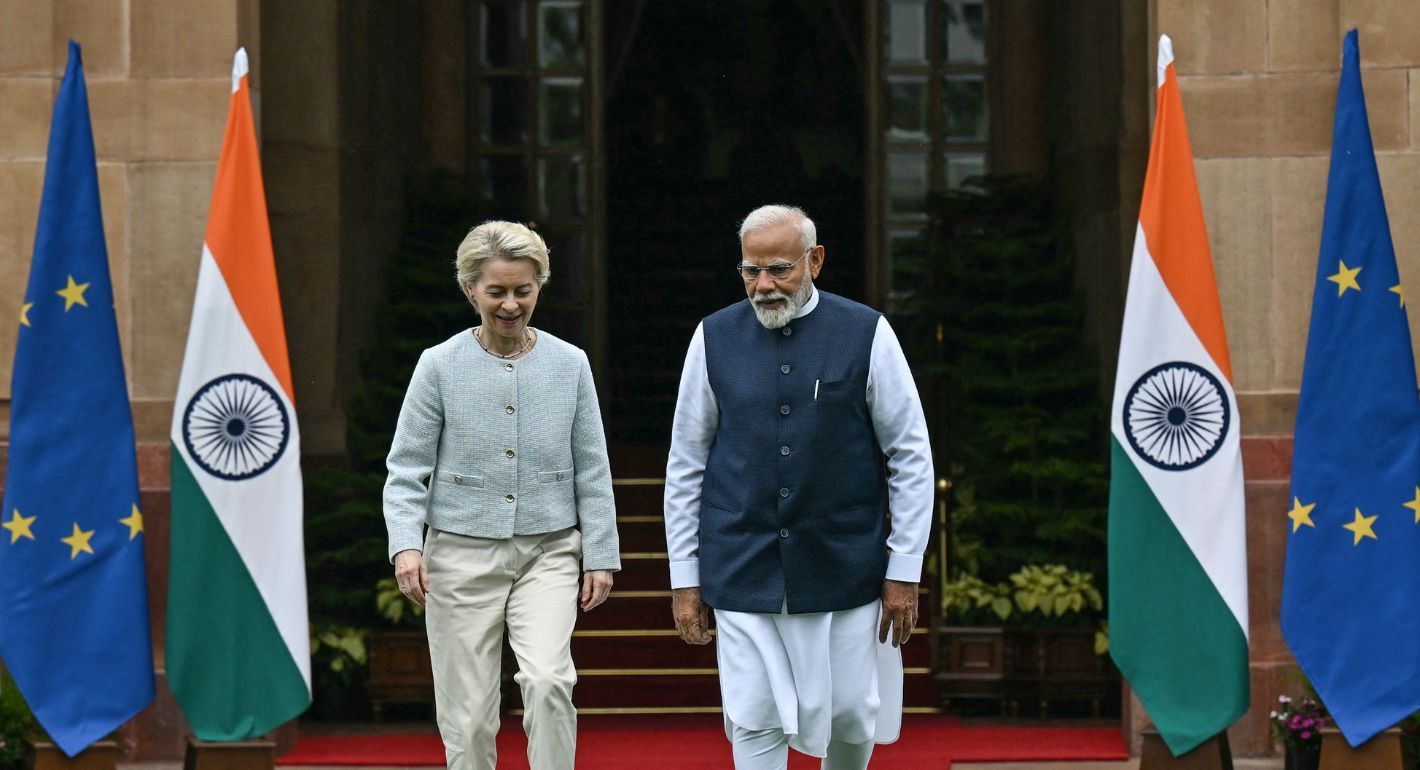
This article argues that the geopolitical circumstances have never been more conducive, not merely for the early conclusion of the free trade agreement (FTA) between India and the EU, but also for crafting a substantive and comprehensive strategic partnership.
Mohan Kumar
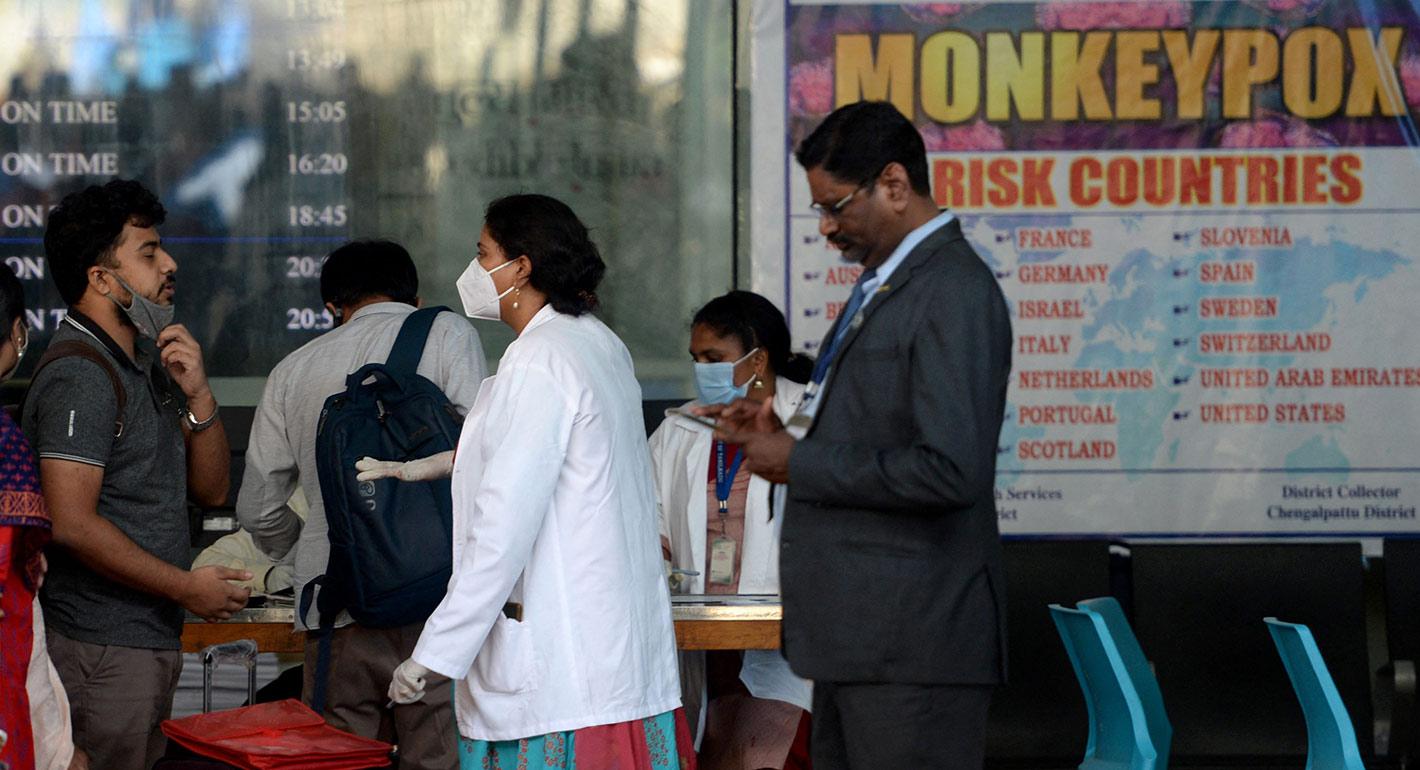
With monkeypox being declared a global health emergency, the WHO approach is an innovative and effective way to curb outbreaks of zoonotic diseases.

Shruti Sharma
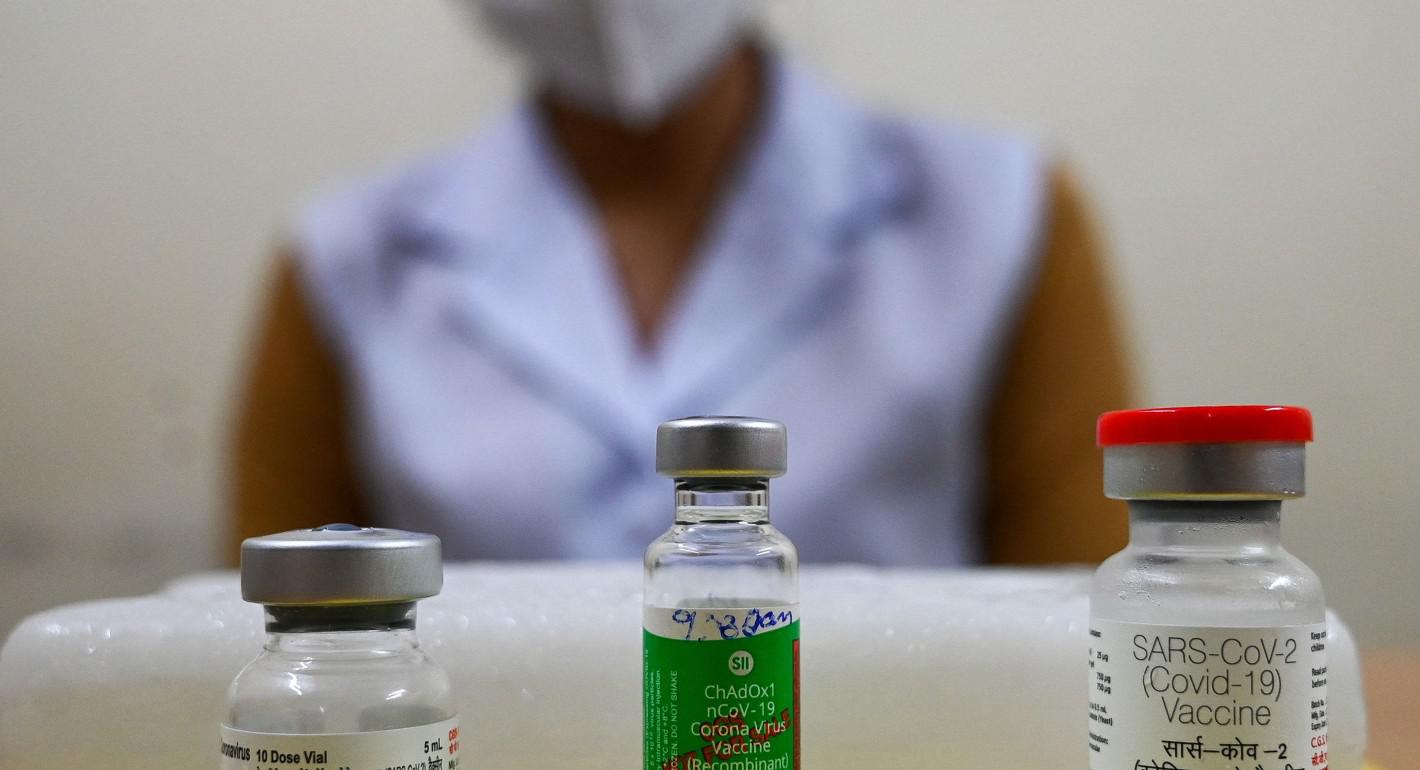
In India, biotechnology has played an important role in helping stakeholders in academia, industry, and government develop new pandemic-related technology, from test kits to respiratory devices. But these biotechnology advancements can go further to strengthen India’s public health capacity.
Shruti Sharma