

Commentary
Peter Kellner
{
  "authors": [
    "Peter Kellner"
  ],
  "type": "legacyinthemedia",
  "centerAffiliationAll": "dc",
  "centers": [
    "Carnegie Endowment for International Peace",
    "Carnegie Europe"
  ],
  "collections": [
    "EU Integration and Enlargement",
    "Brexit and UK Politics"
  ],
  "englishNewsletterAll": "ctw",
  "nonEnglishNewsletterAll": "",
  "primaryCenter": "Carnegie Europe",
  "programAffiliation": "EP",
  "programs": [
    "Europe"
  ],
  "projects": [],
  "regions": [
    "Europe",
    "Iran"
  ],
  "topics": [
    "EU"
  ]
}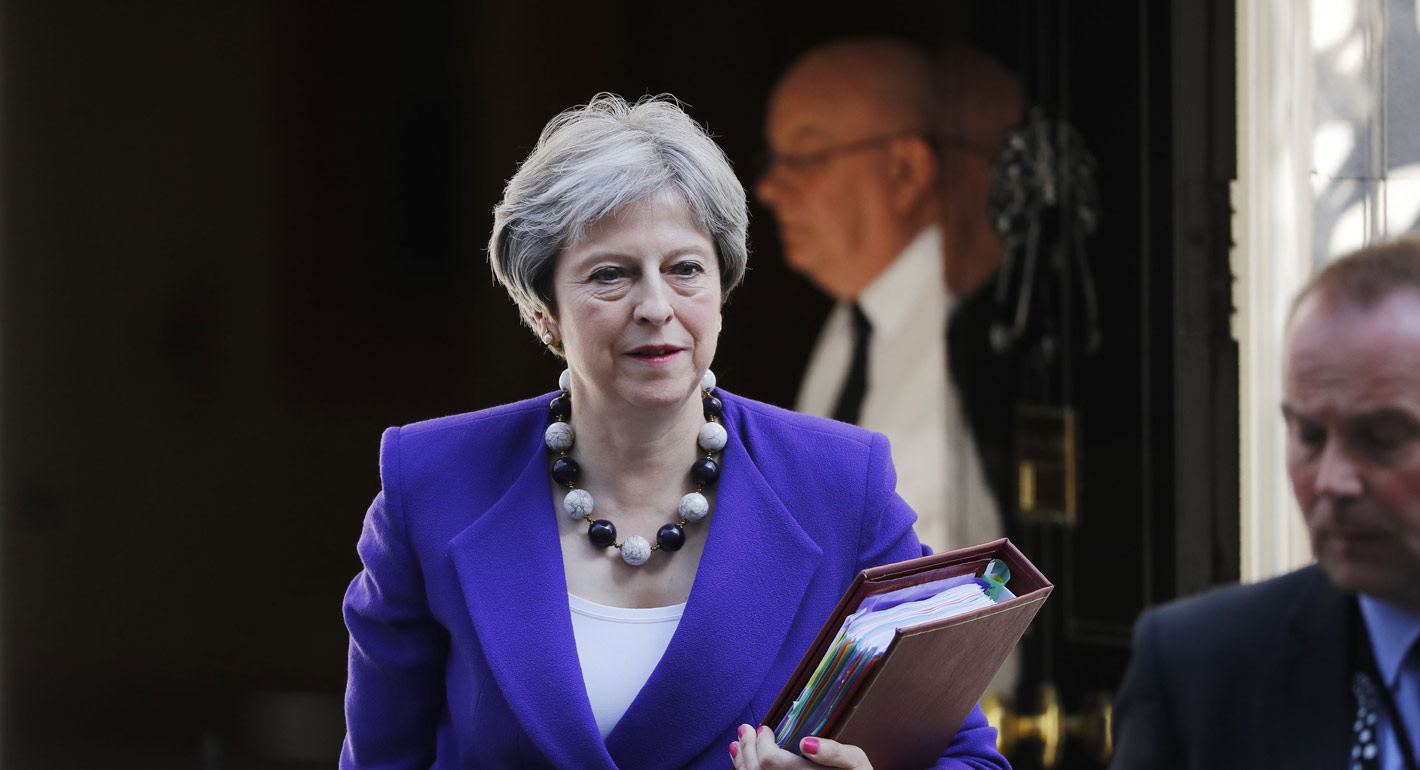
Source: Getty
The recent Brexit developments plunge UK politics into crisis. While there’s a clear majority against the government’s plans, there’s no evident majority in favor of a specific alternative.
Source: Axios
The U.K. Parliament has rejected the government’s Brexit plans, in a sweeping 432–202 vote. The development plunges U.K. politics into crisis: While there’s a clear majority against the government’s plans, there’s no evident majority in favor of a specific alternative.
Why it matters: If Parliament cannot agree on what to do next, the U.K. will by default crash out of the EU without a deal. This could do immense damage to the U.K.'s economy, potentially taking as much as a 10.7% hit to the country’s GDP.
Background: For the past 2 years, the U.K. has been negotiating an agreement on the terms of its EU departure, set for March 29 — just 10 weeks from now. Prime Minister Theresa May hoped that a majority of MPs would support her agreement so that Brexit could proceed in an orderly manner, but those hopes have now been dashed.
The government has been defeated by a coalition of opposites: around 120 MPs who want a more clear-cut, “hard” Brexit, and believe that May has compromised too much; and over 300 MPs who think Brexit is a mistake.
The margin of the government’s defeat — far greater than any previous U.K. government's on a major policy — also raises questions about May’s future. In the short term, she should survive.
What’s next: May will return to Parliament next Monday, setting out her plans in the wake of her heavy defeat. She has said that “no deal is better than a bad deal.” It remains to be seen whether she will hold her ground, which would appease the 120 hard-Brexit MPs, or pivot to a softer Brexit to build a cross-party consensus.
What to watch: Whatever May does, Parliament may decide to seize control of the process and assemble a different majority — potentially one that agrees to hold a fresh referendum. The possibility that the U.K. will end up remaining in the EU can no longer be dismissed.

Former Nonresident Scholar, Carnegie Europe
Kellner was a nonresident scholar at Carnegie Europe, where his research focused on Brexit, populism, and electoral democracy.
Recent Work
Peter Kellner
Peter Kellner

The ASML MoU with Tata Electronics is an indicator of how far the Indian semiconductor ecosystem has come. This ecosystem has been years in the making and represents real commercial logic.

Konark Bhandari

The India–EU Free Trade Agreement (FTA) is shaping up to be one of the most consequential trade negotiations, both economically and strategically. But, what’s in the agreement, what’s missing, and what will determine its success in the years ahead

Vrinda Sahai, Nicolas Köhler-Suzuki
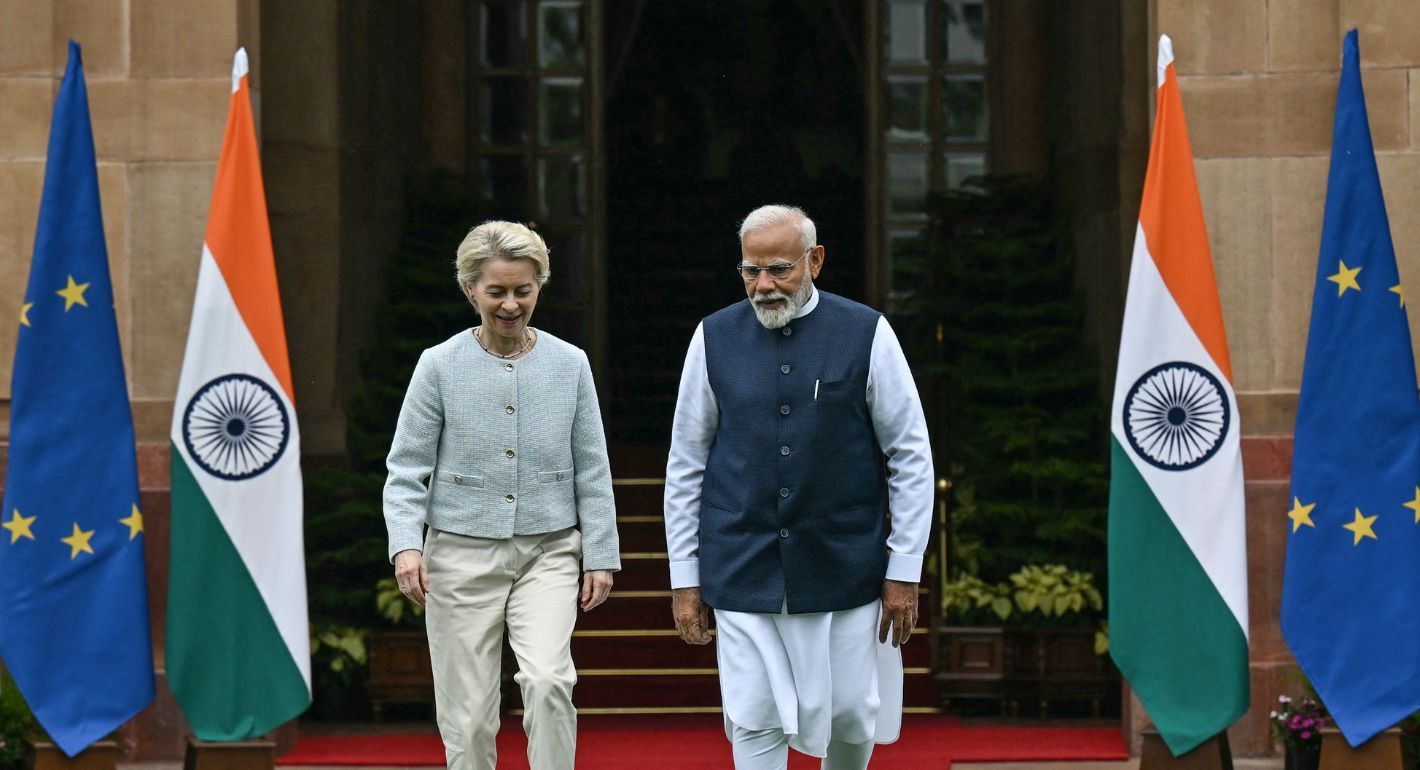
This article argues that the geopolitical circumstances have never been more conducive, not merely for the early conclusion of the free trade agreement (FTA) between India and the EU, but also for crafting a substantive and comprehensive strategic partnership.

Mohan Kumar
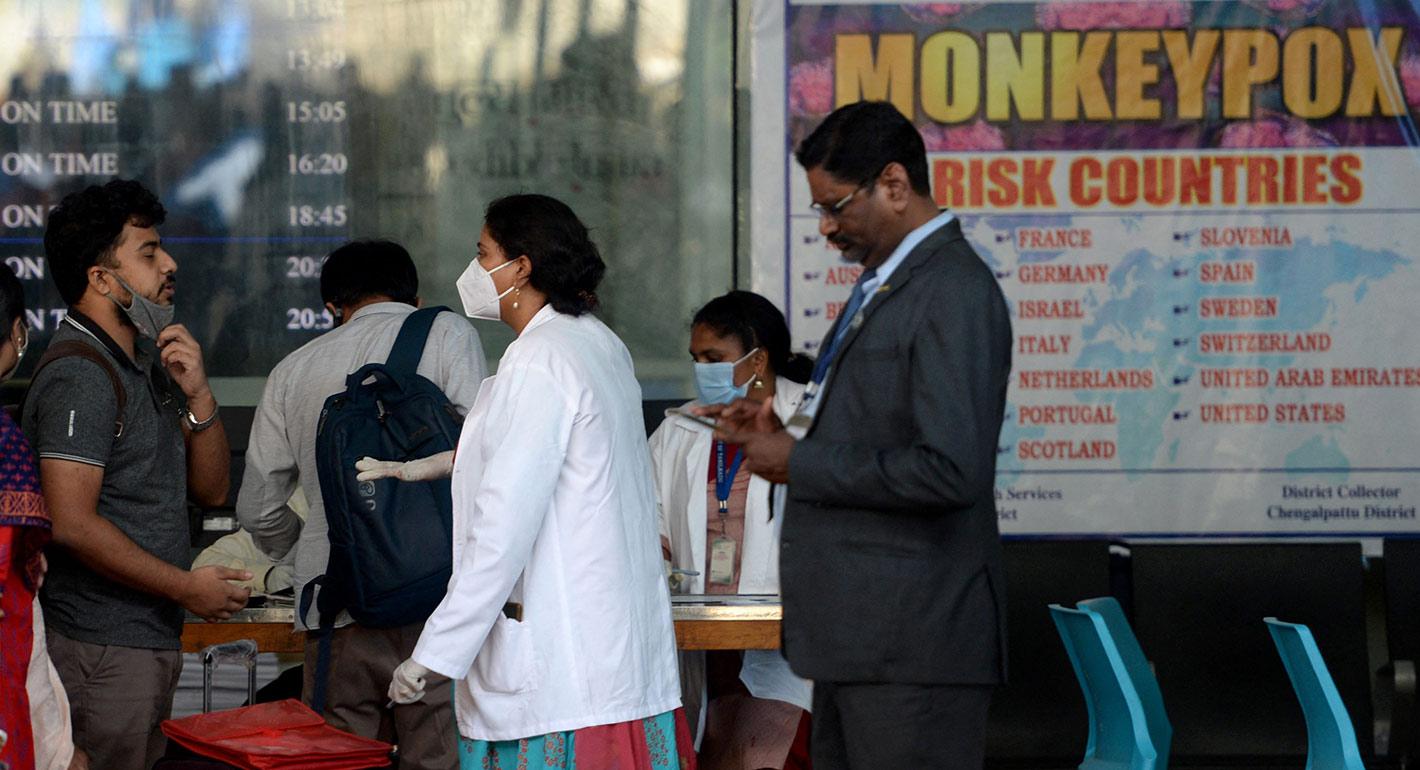
With monkeypox being declared a global health emergency, the WHO approach is an innovative and effective way to curb outbreaks of zoonotic diseases.

Shruti Sharma
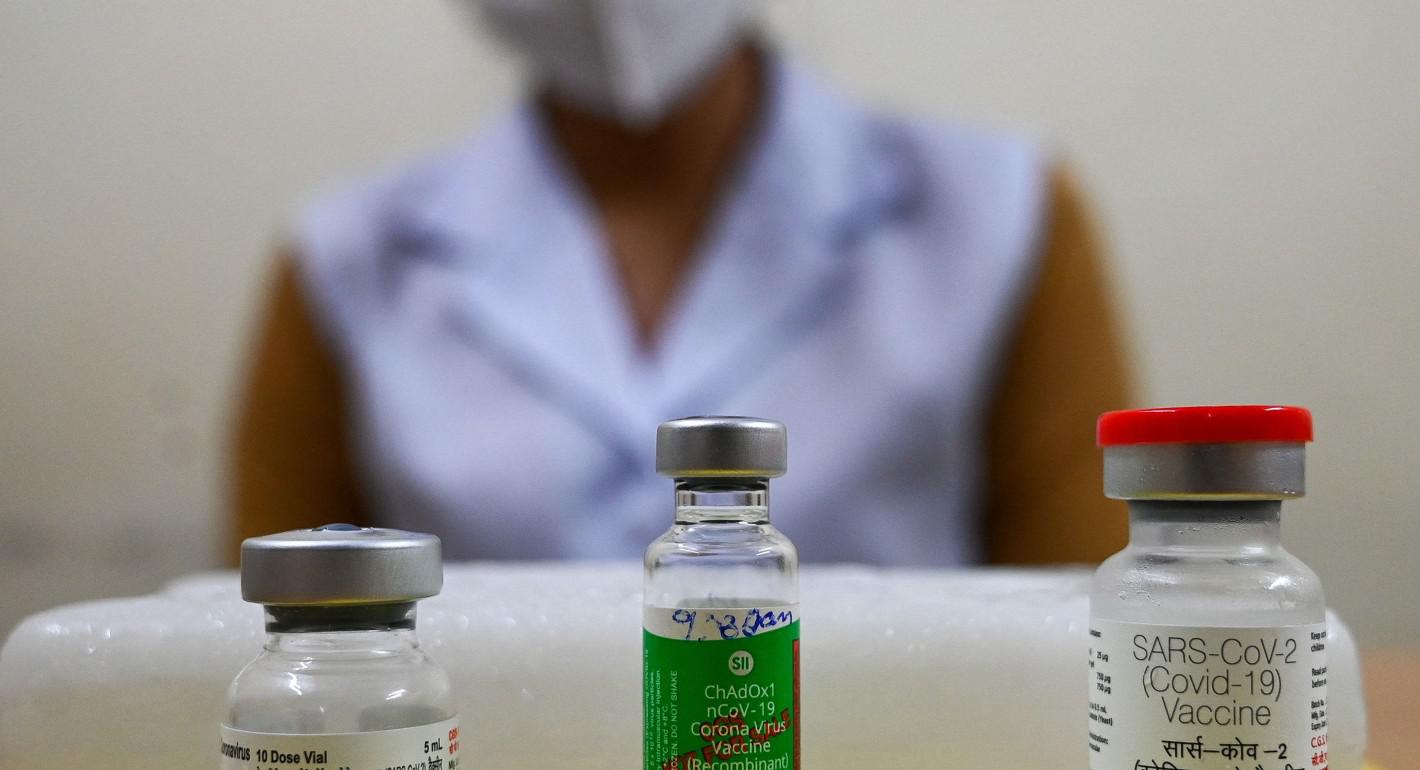
In India, biotechnology has played an important role in helping stakeholders in academia, industry, and government develop new pandemic-related technology, from test kits to respiratory devices. But these biotechnology advancements can go further to strengthen India’s public health capacity.
Shruti Sharma