

Other
François Godement, Ashley J. Tellis
{
  "authors": [
    "François Godement"
  ],
  "type": "legacyinthemedia",
  "centerAffiliationAll": "dc",
  "centers": [
    "Carnegie Endowment for International Peace"
  ],
  "collections": [],
  "englishNewsletterAll": "asia",
  "nonEnglishNewsletterAll": "",
  "primaryCenter": "Carnegie Endowment for International Peace",
  "programAffiliation": "AP",
  "programs": [
    "Asia"
  ],
  "projects": [],
  "regions": [],
  "topics": [
    "Economy",
    "Trade"
  ]
}
Source: Getty
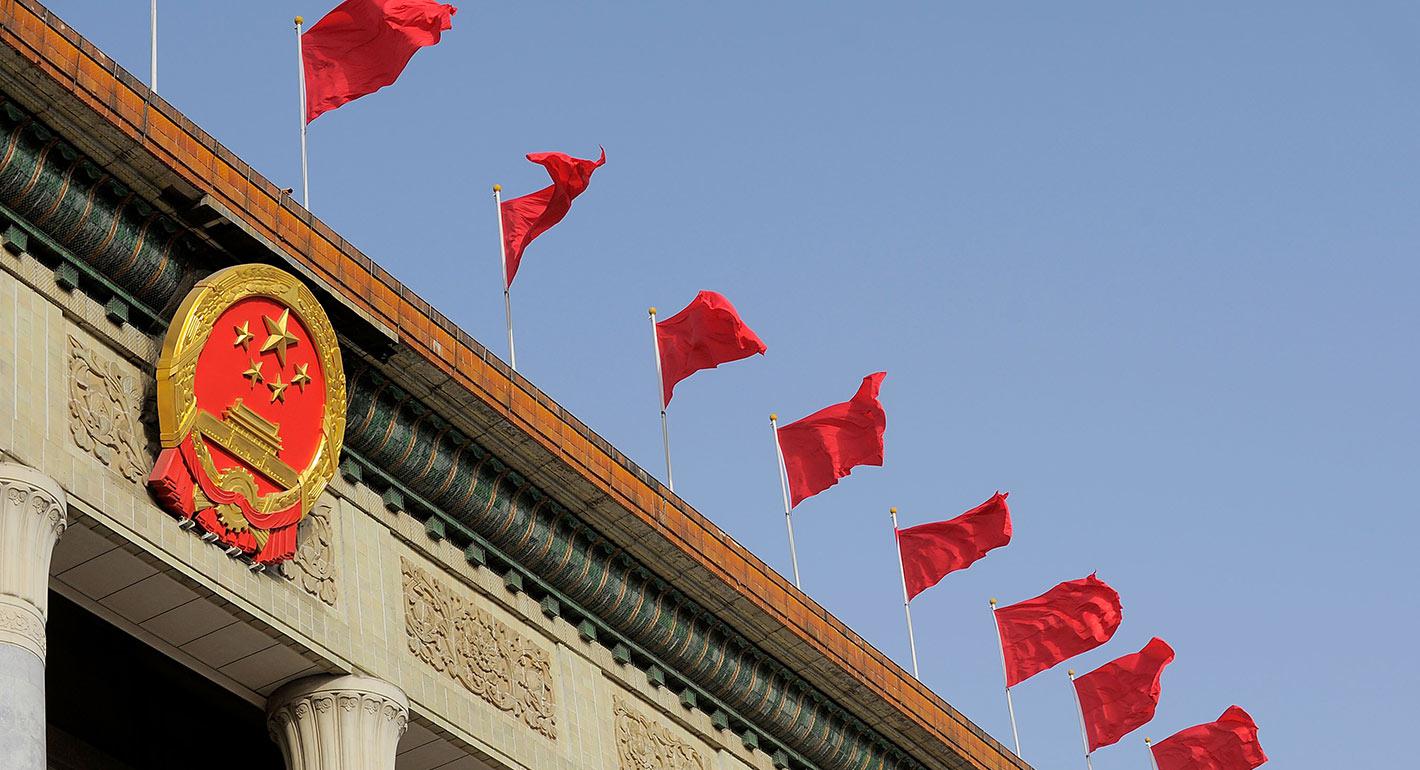
China’s 2001 entry into WTO was an epochal step in China’s reform and opening up. As the transition ended in December 2016, China had skyrocketed to become the world’s first trading nation.
Source: Institut Montaigne
China’s 2001 entry into WTO was an epochal step in China’s reform and opening up. As the transition ended in December 2016, China had skyrocketed to become the world’s first trading nation. It is not hard to understand why Chinese sources (described in this issue by Pierre Sel) recognize the benefits to China from WTO membership.
In 2017, Donald Trump came to power with a program to restore the pre-eminence of the US economy. Mammoth trade deficits with China are an obvious target. Europeans, as the sources seen by Mathieu Duchâtel politely tell it, are experiencing "growth pains" in their relationship with China, now a global competitor in many sectors.
The formerly "developing" Chinese economy is reaching mid-level income levels (nearly 10,000 USD per capita GDP in 2018), with several hundred million Chinese close to European levels of income. Yet it has not become a market economy. It is an even more state-led and politically driven economy, where huge saving rates are captured by state banks for state-owned enterprises. This is capital that fuels growth and subsidizes the industries of the future. Our Chinese sources, as seen by Viviana Zhu, are not blind to the changing perceptions from the outside world. Yet, China remains as a birth right the status of a developing economy under present WTO terms. The asymmetry of rules that this statute provides seems unshakable.

Former Nonresident Senior Fellow, Asia Program
Godement, an expert on Chinese and East Asian strategic and international affairs, was a nonresident senior fellow in the Asia Program at the Carnegie Endowment for International Peace.
Recent Work
François Godement, Ashley J. Tellis

François Godement, Abigaël Vasselier

On March 10, 2026, India’s Union Cabinet approved amendments to Press Note 3, a regulation that mandated government approval on all foreign direct investment (FDI) from countries sharing a land border with India. This amendment raises questions primarily about whether its stated benefits will materialize and if the risks have been adequately weighed. This piece will address the same.

Konark Bhandari

This piece examines India’s response to U.S. sanctions and tariffs, specifically assessing the immediate market consequences, such as alterations in import costs, and the broader strategic implications for India’s energy security and foreign policy orientation.

Vrinda Sahai

This paper examines the evolution of India-China economic ties from 2005 to 2025. It explores the impact of global events, bilateral political ties, and domestic policies on distinct spheres of the economic relationship.

Santosh Pai
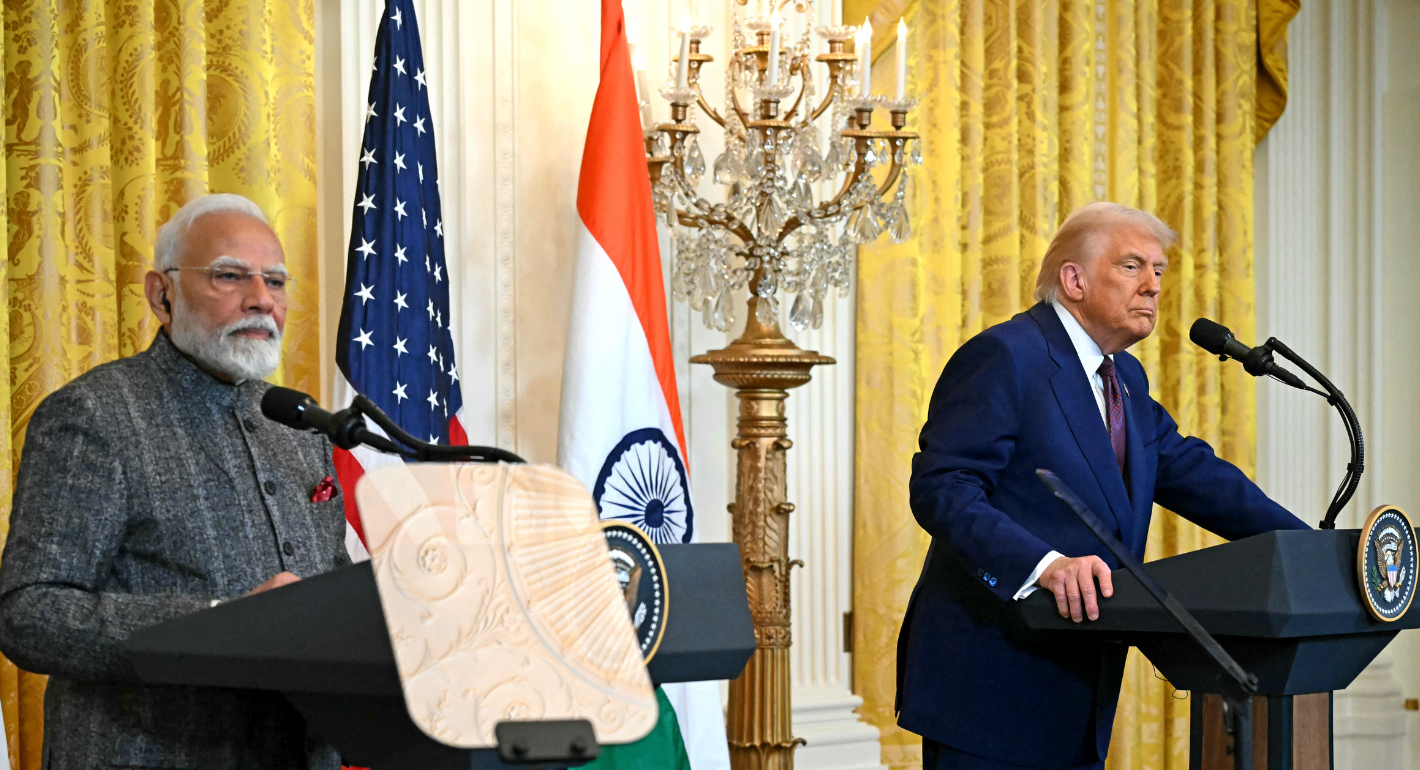
The India-U.S. relationship currently appears buffeted between three “Ts”—TRUST, Tariffs, and Trump.
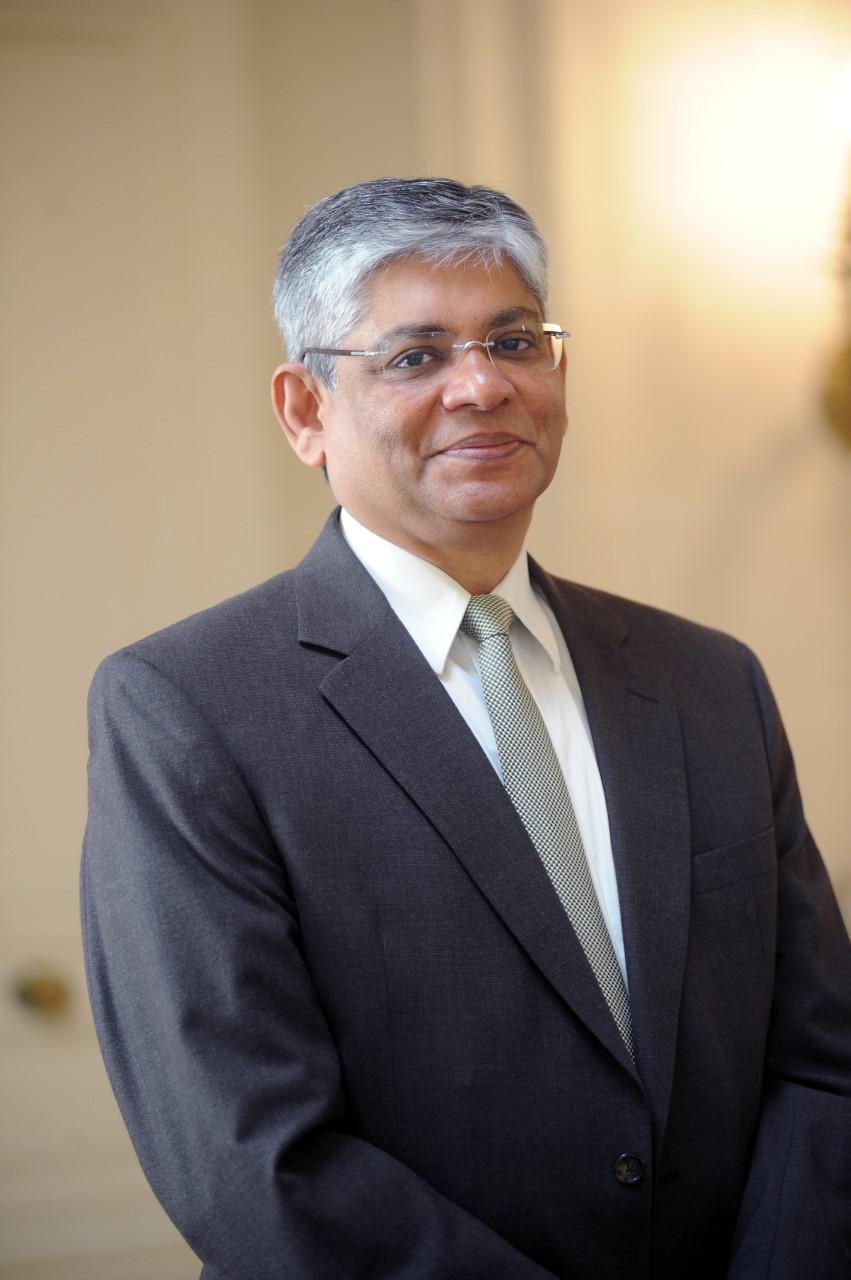
Arun K. Singh
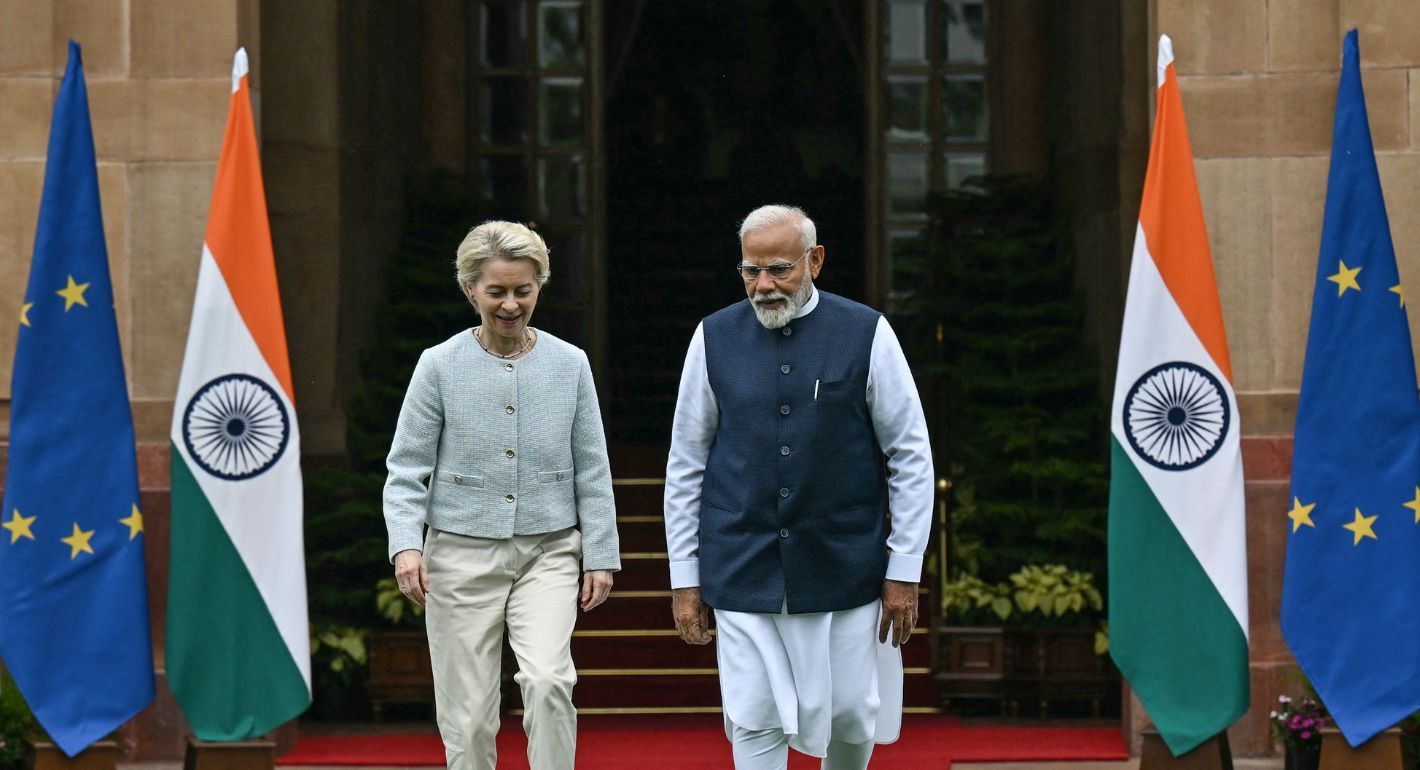
This article argues that the geopolitical circumstances have never been more conducive, not merely for the early conclusion of the free trade agreement (FTA) between India and the EU, but also for crafting a substantive and comprehensive strategic partnership.
Mohan Kumar