

Commentary
- +11
Cornelius Adebahr, Dan Baer, Rosa Balfour, …
{
  "authors": [
    "Erik Brattberg"
  ],
  "type": "commentary",
  "centerAffiliationAll": "dc",
  "centers": [
    "Carnegie Endowment for International Peace"
  ],
  "collections": [
    "European Foreign Policy in a New Transatlantic Context"
  ],
  "englishNewsletterAll": "ctw",
  "nonEnglishNewsletterAll": "",
  "primaryCenter": "Carnegie Endowment for International Peace",
  "programAffiliation": "EP",
  "programs": [
    "Europe"
  ],
  "projects": [],
  "regions": [
    "Iran"
  ],
  "topics": []
}
Source: Getty
Instead of outright rejecting China’s ambitious international development initiative as such, the European Union is seeking to shape China’s strategy and provide credible alternatives.
At the inaugural Belt and Road Forum two years ago, EU delegates surprised their Chinese hosts when they turned down an opportunity to sign a declaration to endorse China’s push to finance infrastructure investment through the Belt and Road Initiative (BRI). Since then, the BRI has created even greater unease among Western policymakers.
Common European complaints levied against the BRI include its perceived lack of openness, transparency, sustainability, and respect for prevailing labor and environmental standards. A recent EU white paper even went so far as to label China “a systemic rival promoting alternative models of governance.”
At the second Belt and Road Forum last week, Chinese leaders appeared to heed the message, saying that they would adapt the initiative. In his speech at the conference, President Xi Jinping pledged a more open approach and more financial sustainability. This rhetorical commitment comes right after China agreed on a joint statement with the EU that endorsed many of the EU’s demands for reform. Despite this apparent softening in Beijing’s tone, it remains to be seen whether China can actually deliver on its promises. For understandable reasons, many Western leaders are not holding their breath.
At the same time, not all European countries are singing from the same hymn sheet. Roughly half of the EU’s twenty-eight member states have already endorsed the BRI, with Italy being a recent example (though the actual terms of its BRI agreement were fairly watered down). Most of these are countries in Southern or Central and Eastern Europe who crave foreign infrastructure investment. But even wealthier Western European countries, such as the UK and France, who have not signed onto the BRI, still want a piece of the pie: the UK’s top finance official, Philip Hammond, praised the BRI’s “epic ambition” at the forum.
While the U.S. government has taken an antagonistic view of the BRI, pushing other countries not to endorse it, the EU has carved out a more flexible approach. It emphasizes the need for the initiative to comply with European standards and principles, while also looking for areas where Chinese and European interests align (such as railway corridors connecting the two). Underpinning the EU’s pragmatic approach is the fact that several European countries, unlike the United States, are recipients of BRI investments. This means they have more at stake.
Toward this end, the EU has developed its own strategy for connectivity in Asia to promote the construction of transport, digital, and energy infrastructure between Europe and Asia. The strategy aims to provide a framework of European standards for connectivity projects and seeks to provide high-quality alternatives, when appropriate, by leveraging up to 60 billion euros in common EU funding to incentivize private investments.
Although EU officials may deny the plan is a response to Beijing’s strategy, it is clear that the EU is seeking to play to its competitive strengths to provide credible alternatives. Given the growing pushback against the BRI in some recipient countries, the EU certainly has an opportunity to present itself as a more attractive partner by offering connectivity projects based on sustainable financing, avoiding debt traps, and taking into account environmental impact.
But this requires that the EU implements its strategy, actually puts forth real monies, and coordinates its efforts with like-minded partners such as the United States, Japan, and Australia—all of whom are currently developing their own respective approaches to regional connectivity in the Indo-Pacific.
Asia continues to have enormous infrastructure needs—estimated at over $1.7 trillion each year for the next decade. If the EU can deftly grapple with the risks associated with the BRI, this could be a sensible way to develop much-needed infrastructure, while maintaining a rules-based approach to the world’s infrastructure needs.

Former Director, Europe Program, Fellow
Erik Brattberg was director of the Europe Program and a fellow at the Carnegie Endowment for International Peace in Washington. He is an expert on European politics and security and transatlantic relations.
Recent Work



Cornelius Adebahr, Dan Baer, Rosa Balfour, …

Erik Brattberg, Philippe Le Corre, Paul Stronski, …
Carnegie India does not take institutional positions on public policy issues; the views represented herein are those of the author(s) and do not necessarily reflect the views of Carnegie, its staff, or its trustees.
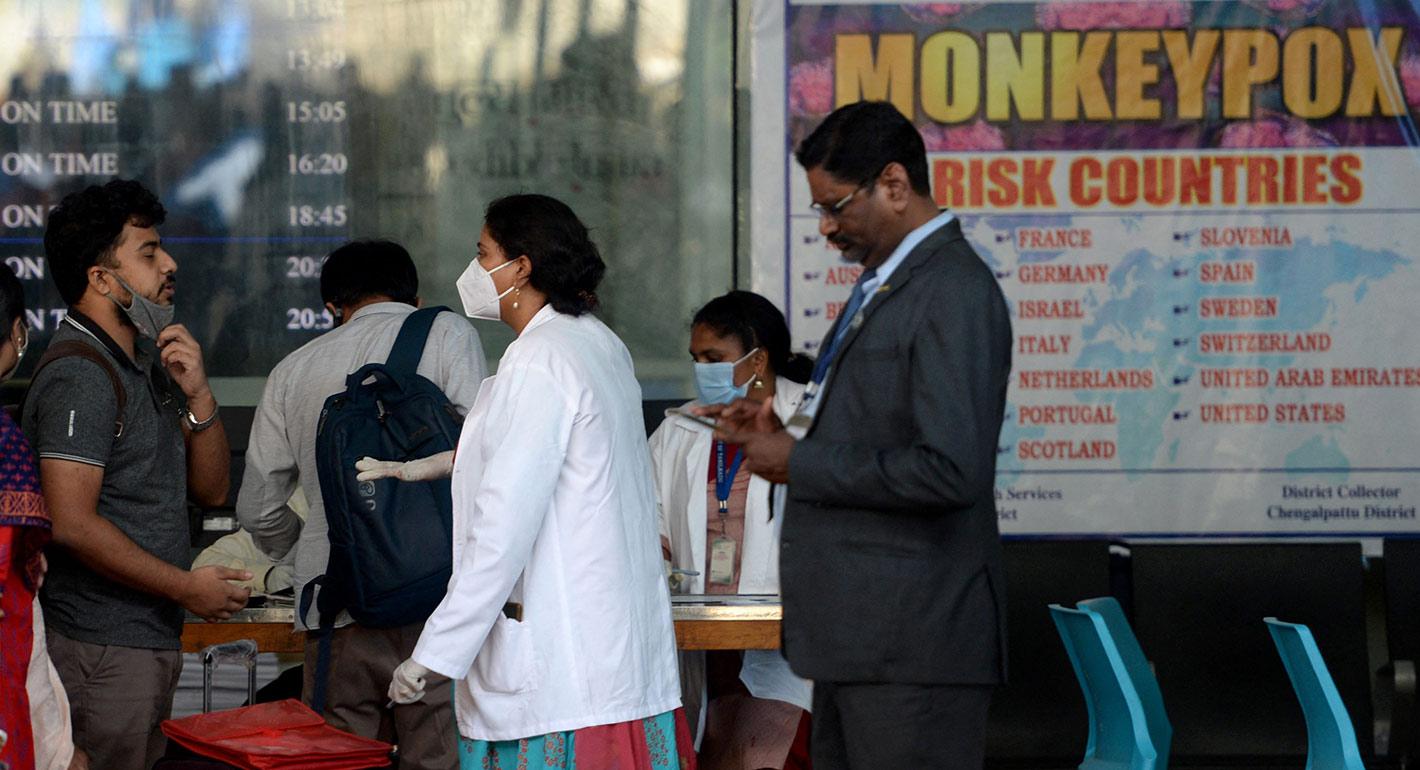
With monkeypox being declared a global health emergency, the WHO approach is an innovative and effective way to curb outbreaks of zoonotic diseases.

Shruti Sharma

In India, biotechnology has played an important role in helping stakeholders in academia, industry, and government develop new pandemic-related technology, from test kits to respiratory devices. But these biotechnology advancements can go further to strengthen India’s public health capacity.
Shruti Sharma
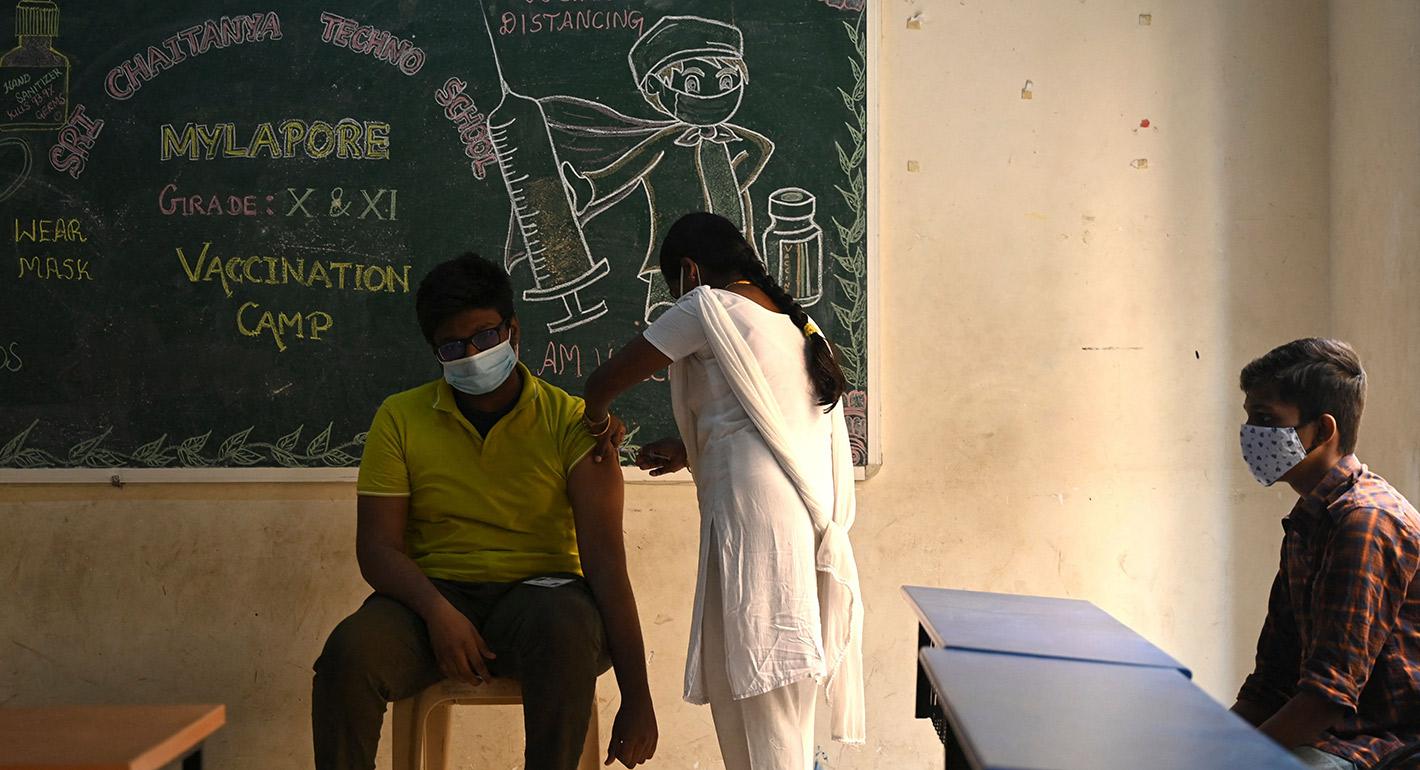
Unless the government can up its communications game, anti-vax movements could prolong India’s pandemic effects.
Shruti Sharma
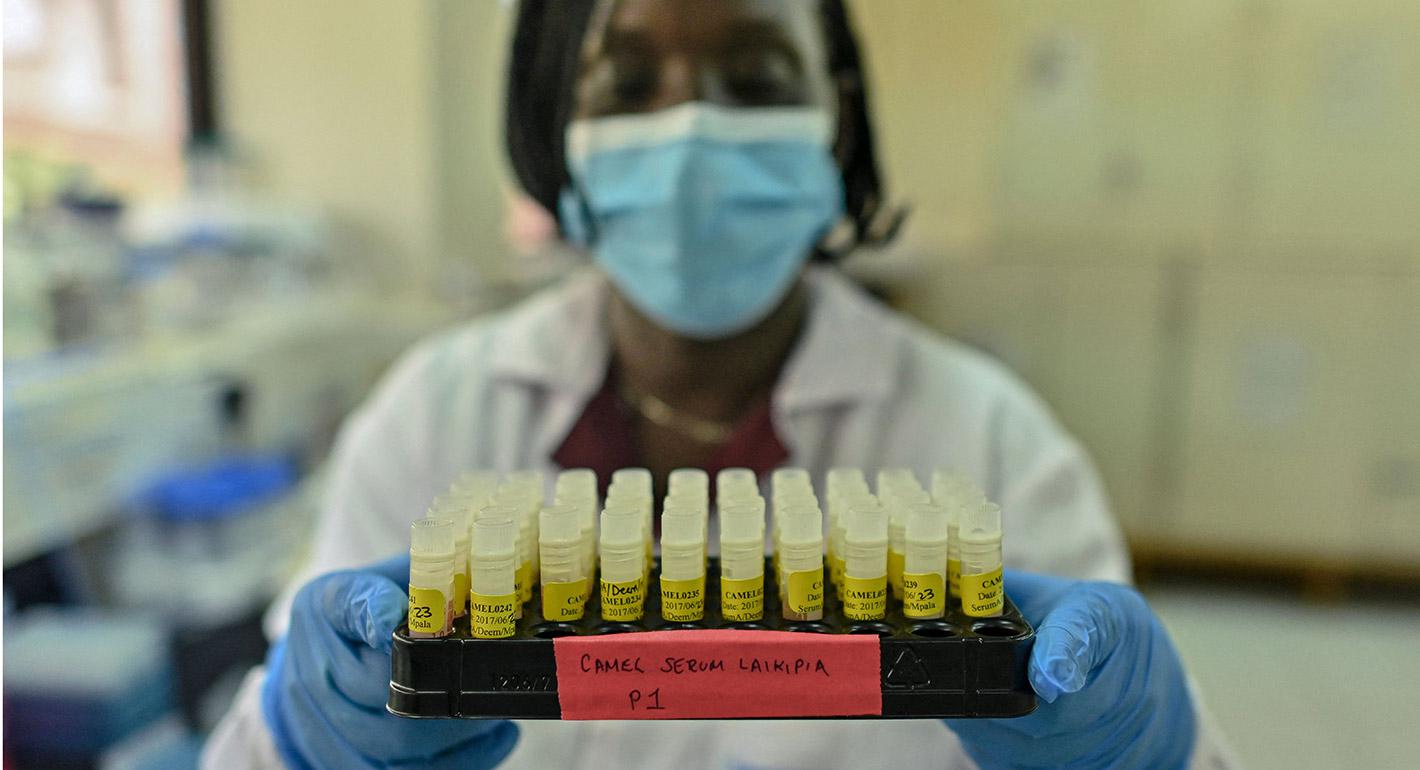
The uncertain origin of the coronavirus has focused attention on gain-of-function research—studying viruses to learn how they spread. How can countries work together to ensure stringent safety standards?
Shruti Sharma

India faces a host of biological risk factors. Drawing lessons from the coronavirus pandemic and prior biological disasters, India’s government should pursue new safety protocols and develop new institutions to manage future biological risk.
Shruti Sharma