

Article
Stefan Lehne
{
  "authors": [
    "Stefan Lehne"
  ],
  "type": "other",
  "centerAffiliationAll": "dc",
  "centers": [
    "Carnegie Endowment for International Peace",
    "Carnegie Europe"
  ],
  "collections": [],
  "englishNewsletterAll": "ctw",
  "nonEnglishNewsletterAll": "",
  "primaryCenter": "Carnegie Europe",
  "programAffiliation": "EP",
  "programs": [
    "Europe"
  ],
  "projects": [],
  "regions": [
    "Europe",
    "Western Europe",
    "Iran"
  ],
  "topics": [
    "EU"
  ]
}
Source: Getty
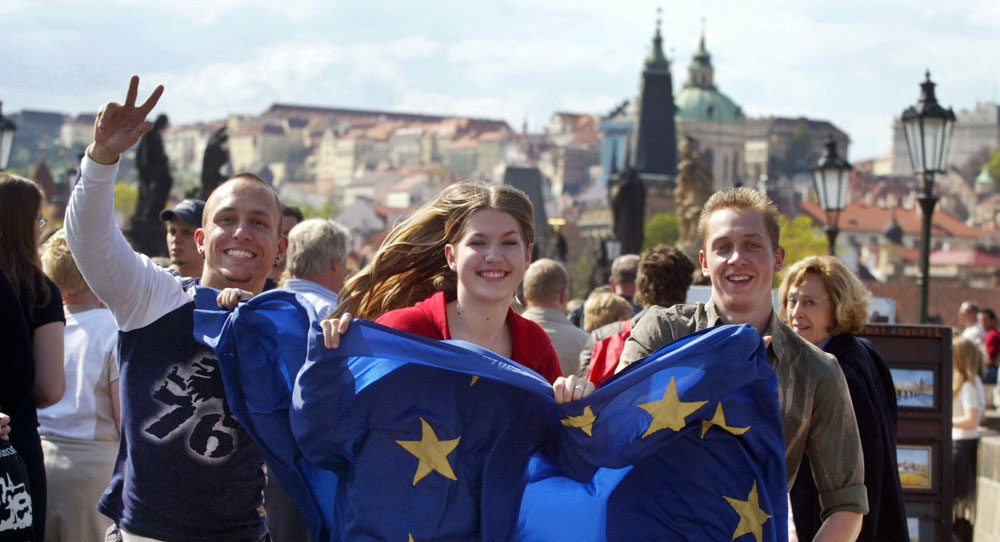
As national and EU politics gets more and more intertwined, the dividing line between the two spheres is fading away and a common European political space begins to slowly take shape.
Source: Mercator European Dialogue
When citizens vote in the European Parliament elections in May, the exercise will yet again boil down to 27 parallel national elections. The 705 members will be elected according to national lists and national electoral laws, after campaigns organised by national parties.
Certainly, there will be Europe-wide lead candidates (Spitzenkandidaten) from some of the main EU party groups. Yet, as in the last elections in 2014, they are unlikely to get much traction, as most national parties ultimately see the contest as a domestic trial of strength.This is one of the paradoxes of EU politics. Political elites in member states have been very generous in providing the European Parliament with expansive legislative and budgetary powers, turning it into the most powerful transnational assembly in the world. Yet, they have also been extremely restrictive when it comes to allowing space for a genuinely European electoral process to take shape.
There have been several initiatives to introduce transnational lists, whereby seats would be reserved for a special electoral district covering all of the EU. This would enable, for example, a Portuguese citizen to vote for a Finnish candidate, and would thus reduce the control of national parties over the elections. So far, however, the majority of the latter do not wish to create a parallel European political space and have blocked these initiatives repeatedly.
Nonetheless, a European political space is gradually opening up. This is due to two interrelated developments: the “nationalisation” of European politics and the “Europeanisation” of national politics.
This article was originally published in the framework of the Mercator European Dialogue project.

Senior Fellow, Carnegie Europe
Stefan Lehne is a senior fellow at Carnegie Europe in Brussels, where his research focuses on the post–Lisbon Treaty development of the European Union’s foreign policy, with a specific focus on relations between the EU and member states.
Recent Work
Stefan Lehne
Stefan Lehne
Carnegie India does not take institutional positions on public policy issues; the views represented herein are those of the author(s) and do not necessarily reflect the views of Carnegie, its staff, or its trustees.
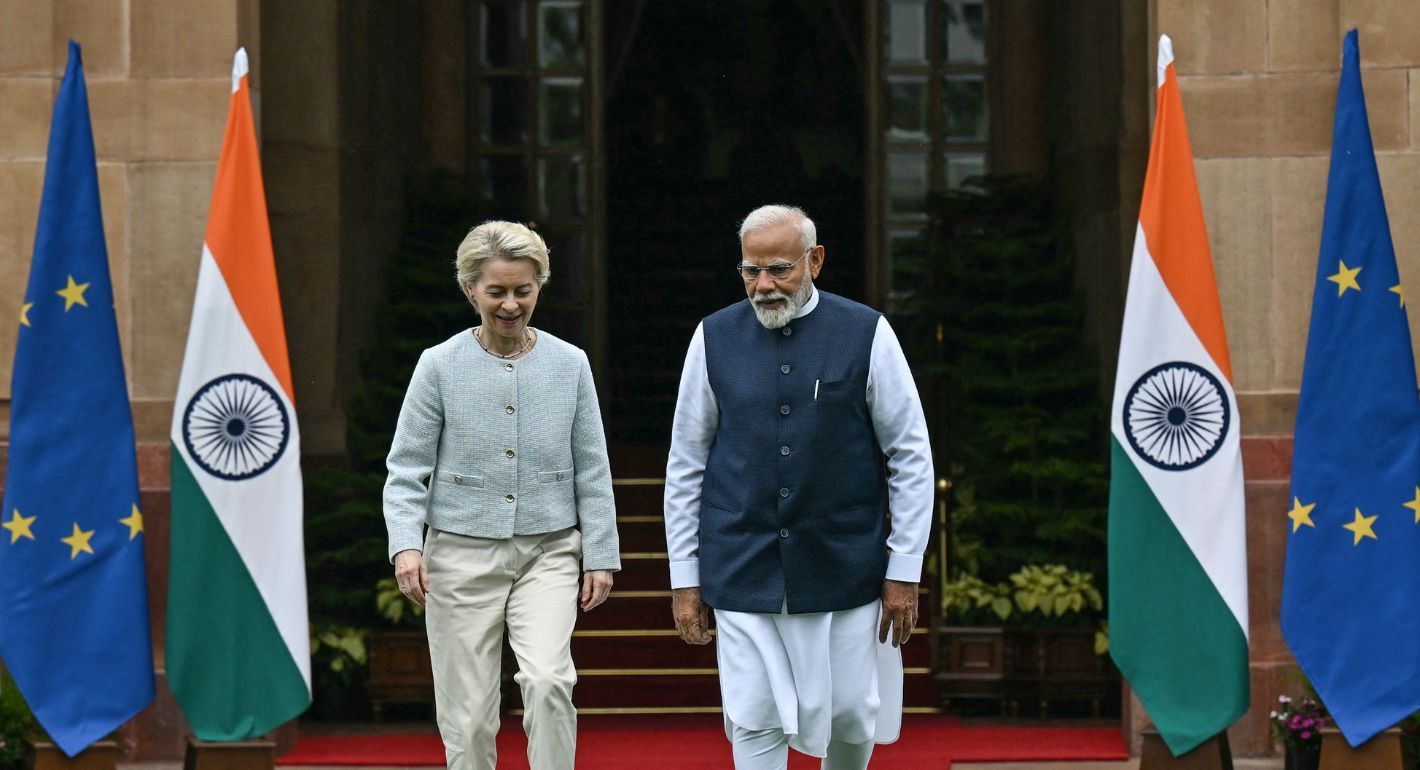
This article argues that the geopolitical circumstances have never been more conducive, not merely for the early conclusion of the free trade agreement (FTA) between India and the EU, but also for crafting a substantive and comprehensive strategic partnership.
Mohan Kumar
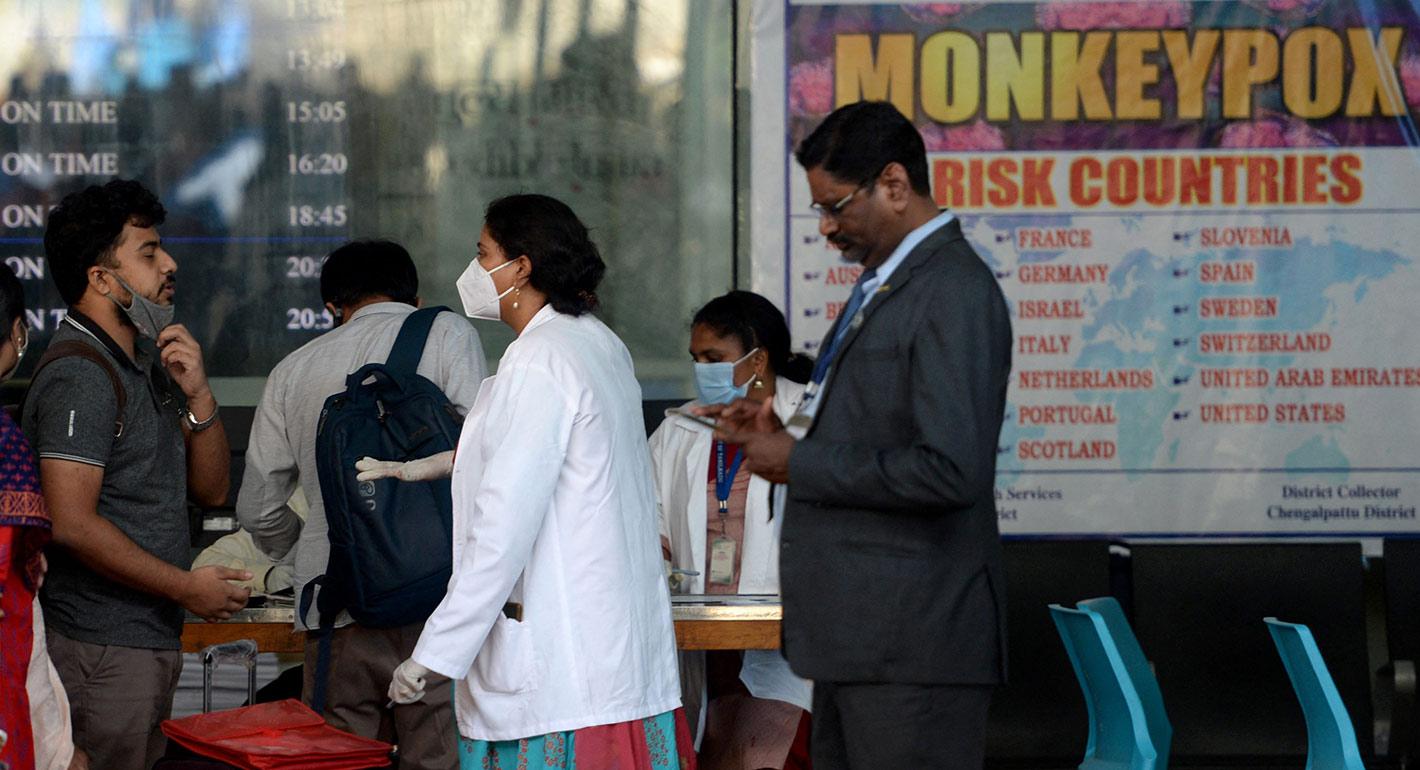
With monkeypox being declared a global health emergency, the WHO approach is an innovative and effective way to curb outbreaks of zoonotic diseases.

Shruti Sharma
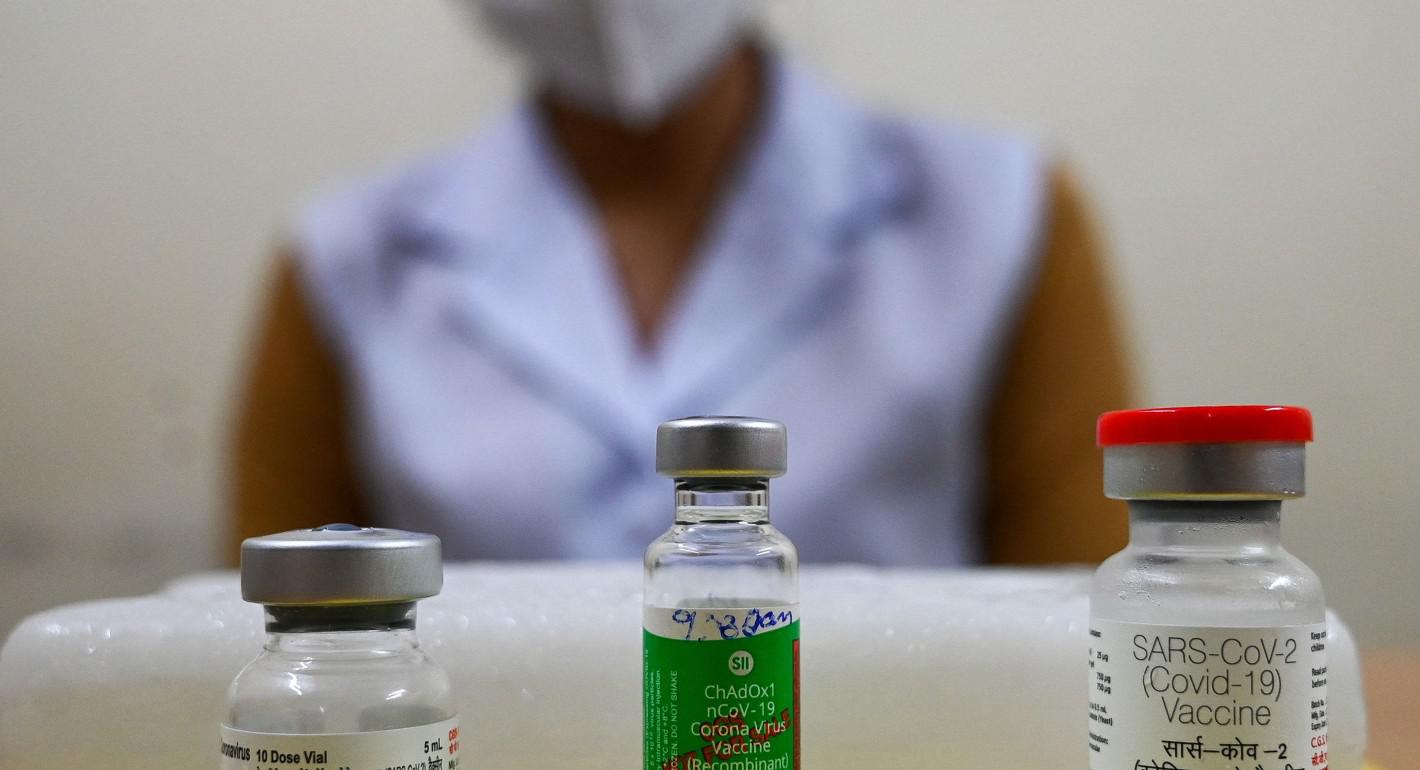
In India, biotechnology has played an important role in helping stakeholders in academia, industry, and government develop new pandemic-related technology, from test kits to respiratory devices. But these biotechnology advancements can go further to strengthen India’s public health capacity.
Shruti Sharma
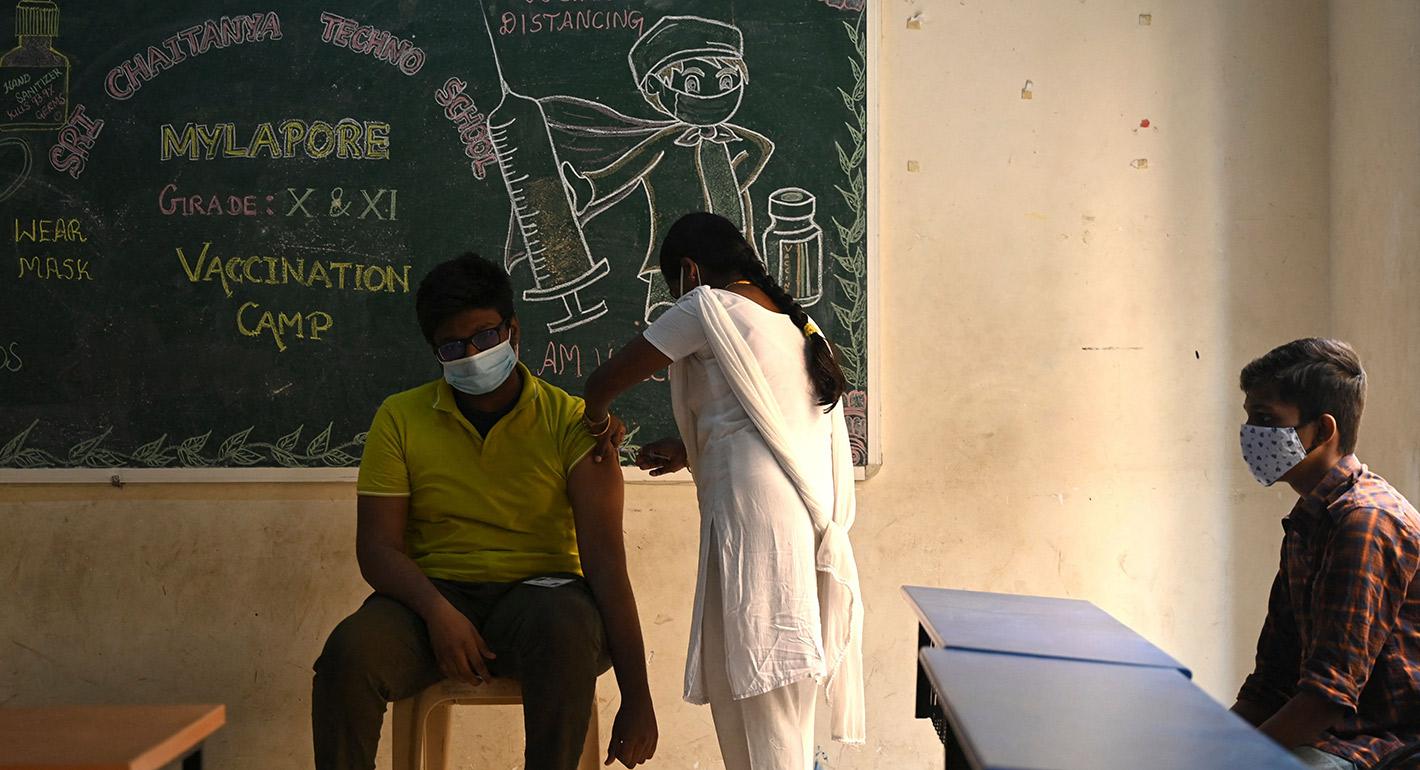
Unless the government can up its communications game, anti-vax movements could prolong India’s pandemic effects.
Shruti Sharma
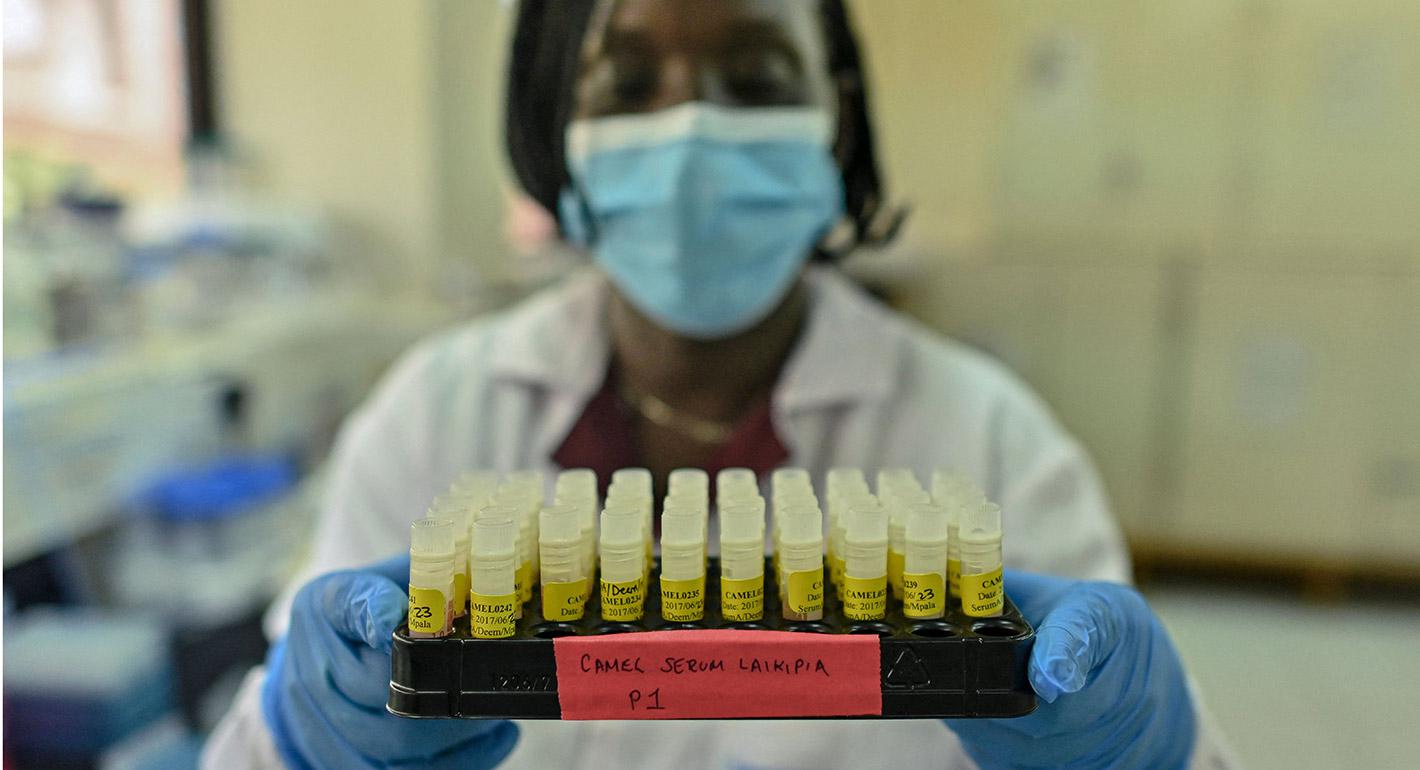
The uncertain origin of the coronavirus has focused attention on gain-of-function research—studying viruses to learn how they spread. How can countries work together to ensure stringent safety standards?
Shruti Sharma