• Research
  • About
  • Experts
Carnegie India logoCarnegie lettermark logo
{
  "authors": [
    "Denis McDonough"
  ],
  "type": "other",
  "centerAffiliationAll": "dc",
  "centers": [
    "Carnegie Endowment for International Peace"
  ],
  "collections": [],
  "englishNewsletterAll": "ctw",
  "nonEnglishNewsletterAll": "",
  "primaryCenter": "Carnegie Endowment for International Peace",
  "programAffiliation": "TIA",
  "programs": [
    "Technology and International Affairs"
  ],
  "projects": [],
  "regions": [
    "Iran"
  ],
  "topics": [
    "Security",
    "Technology"
  ]
}

Source: Getty

Other

Toward a More Constructive Encryption Debate

Encryption policy has long been a contentious topic for cybersecurity experts, law enforcement officials, and privacy advocates dating back to the Crypto Wars of the 1990s.

Link Copied
By Denis McDonough
Published on Apr 25, 2019

Encryption policy has long been a contentious topic for cybersecurity experts, law enforcement officials, and privacy advocates dating back to the Crypto Wars of the 1990s. In 2016, matters came to a head when the FBI confronted Apple over access to the encrypted data on an iPhone after the San Bernadino shooting, provoking a polarizing national debate about such law enforcement access.

It is vital to have a constructive dialogue on this important issue. This issue isn’t only a concern to law enforcement and privacy groups but to society as a whole. For these reasons, the Carnegie Endowment for International Peace and Princeton University convened a small group of experts last year to form an Encryption Working Group to discuss this issue and study options, bringing together former senior government officials, business representatives, privacy and civil rights advocates, law enforcement experts, and computer scientists. With members from these diverse backgrounds, the group held a series of conversations that combine technical rigor with in-depth policy discussions to address the matters at stake.

Part of the group’s deliberations focused on looking ahead to identify trends, and discussing how those trends will impact the encryption debate. Two stood out: the growth of user-controlled encryption and quantum computing. Carnegie, along with Princeton University, is releasing two papers studying these topics in depth: “Likely Future Adoption of User-Controlled Encryption” and “Implications of Quantum Computing for Encryption Policy.”

The group also recognizes that this is not merely a domestic issue. In the past few years, numerous governments around the world have announced new legislation or policies to regulate the use of encryption. In addition, global technology companies have implemented encryption in more and more of their products and services.

Going forward, the group will turn to other aspects of the encryption debate, including its international dimensions, and will release short briefing papers about the state of the encryption debate in several countries soon. The group hopes that these papers and its future work will enhance the public discourse about encryption and contribute to a nuanced, constructive debate about the future of encryption policy.

For more details about the Encryption Working Group visit: https://carnegieendowment.org/Encryption/.

About the Author

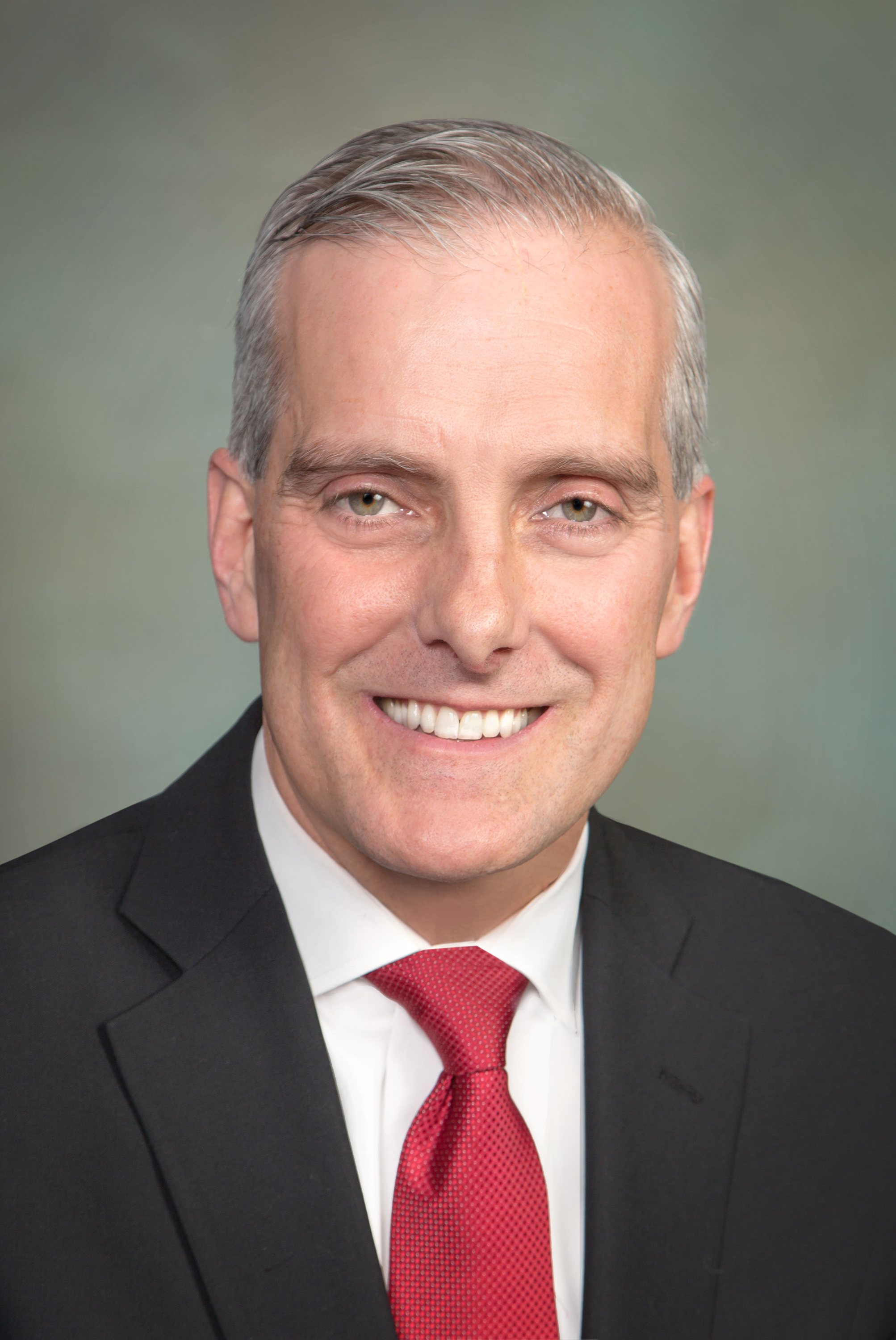
Denis McDonough

Former Nonresident Scholar, Technology and International Affairs Program

Denis McDonough was a nonresident scholar in Carnegie’s Technology and International Affairs Program.

Denis McDonough
Former Nonresident Scholar, Technology and International Affairs Program
Denis McDonough
SecurityTechnologyIran

Carnegie India does not take institutional positions on public policy issues; the views represented herein are those of the author(s) and do not necessarily reflect the views of Carnegie, its staff, or its trustees.

More Work from Carnegie India

  • Article
    What Could a Reciprocal Defense Procurement Agreement Do for U.S.-India Ties?

    India and the United States are close to concluding a Reciprocal Defense Procurement Agreement (RDPA) that will allow firms from the two countries to sell to each other’s defense establishments more easily. While this may not remedy the specific grievances both sides may have regarding larger bilateral issues, an RDPA could restore some momentum, following the trade deal announcement.

      Konark Bhandari

  • Commentary
    India Signs the Pax Silica—A Counter to Pax Sinica?

    On the last day of the India AI Impact Summit, India signed Pax Silica, a U.S.-led declaration seemingly focused on semiconductors. While India’s accession to the same was not entirely unforeseen, becoming a signatory nation this quickly was not on the cards either.

      Konark Bhandari

  • Commentary
    The PSLV Setback: Restoring India’s Workhorse

    On January 12, 2026, India's "workhorse," the Polar Satellite Launch Vehicle, experienced a consecutive mission failure for the first time in its history. This commentary explores the implications of this incident on India’s space sector and how India can effectively address issues stemming from the incident.

      Tejas Bharadwaj

  • Commentary
    AI Adoption Journey for Population Scale

    Connecting real-world AI use cases across sectors such as health, education, agriculture, and livelihoods can help policymakers, innovators, and institutions align around a shared goal. This article looks at a framework ensuring that AI works for everyone.

      Shalini Kapoor, Tanvi Lall

  • Commentary
    The Impact of U.S. Sanctions and Tariffs on India’s Russian Oil Imports

    This piece examines India’s response to U.S. sanctions and tariffs, specifically assessing the immediate market consequences, such as alterations in import costs, and the broader strategic implications for India’s energy security and foreign policy orientation.

      Vrinda Sahai

Get more news and analysis from
Carnegie India
Carnegie India logo, white
Unit C-4, 5, 6, EdenparkShaheed Jeet Singh MargNew Delhi – 110016, IndiaPhone: 011-40078687
  • Research
  • About
  • Experts
  • Projects
  • Events
  • Contact
  • Careers
  • Privacy
  • For Media
Get more news and analysis from
Carnegie India
© 2026 Carnegie Endowment for International Peace. All rights reserved.