

Other
François Godement, Ashley J. Tellis
{
  "authors": [
    "François Godement"
  ],
  "type": "other",
  "centerAffiliationAll": "dc",
  "centers": [
    "Carnegie Endowment for International Peace"
  ],
  "collections": [],
  "englishNewsletterAll": "asia",
  "nonEnglishNewsletterAll": "",
  "primaryCenter": "Carnegie Endowment for International Peace",
  "programAffiliation": "AP",
  "programs": [
    "Asia"
  ],
  "projects": [],
  "regions": [],
  "topics": [
    "Global Governance"
  ]
}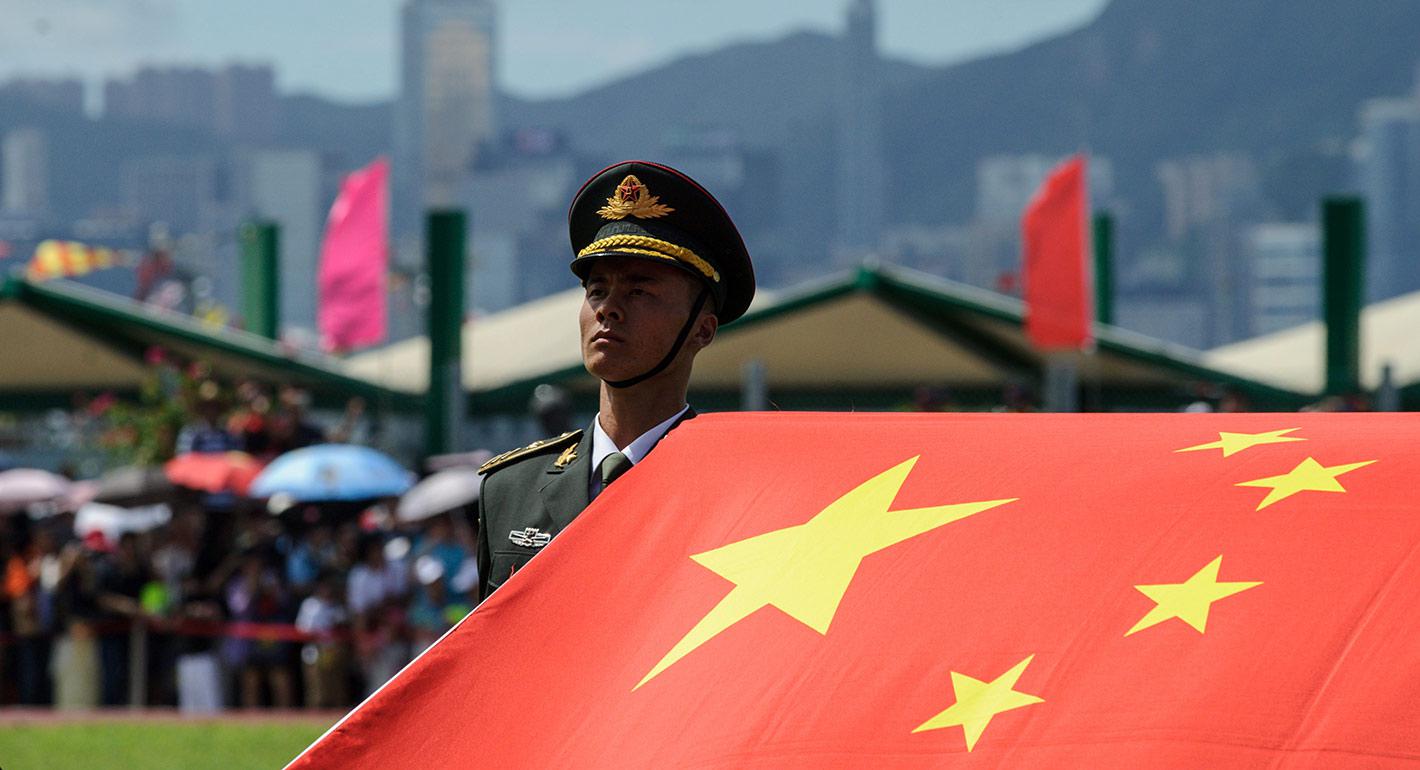
Source: Getty
What China seeks is a nonintrusive, low-cost international order built on two very contrasting pillars: national sovereignty as an absolute principle, and the free flow of goods and services for as long as China’s exceptional status as a nominal developing economy is maintained.
Source: The National Bureau of Asian Research
China has moved over time from a global alliance with the Soviet Union, followed by a short-lived revolutionary stance, to a path of integration with most international institutions and rules. But that course has abated as the country has gained wealth and power. With Xi Jinping’s ascent, China has set aside its long-standing reservations and defensive stance and begun to directly contest the liberal world order through the promotion of Chinese alternatives presented as “complementary,” with a strong preference for bilateral deals with other nation-states. China is more interested in hollowing out the international order than in a revisionist upheaval, and it also rides the trend of self-doubt and isolationism in several democracies. Mutual interest is the operative factor, often coinciding with the lure of financial gains for partners. China’s approach remains pragmatic, emphasizing diversified participation in multilateral institutions. What China seeks is a nonintrusive, low-cost international order built on two very contrasting pillars: national sovereignty as an absolute principle, and the free flow of goods and services for as long as China’s exceptional status as a nominal developing economy is maintained.

Former Nonresident Senior Fellow, Asia Program
Godement, an expert on Chinese and East Asian strategic and international affairs, was a nonresident senior fellow in the Asia Program at the Carnegie Endowment for International Peace.
Recent Work
François Godement, Ashley J. Tellis

François Godement, Abigaël Vasselier
Carnegie India does not take institutional positions on public policy issues; the views represented herein are those of the author(s) and do not necessarily reflect the views of Carnegie, its staff, or its trustees.

With the Quad’s recent statement on a partnership related to outer space, India has an opportunity to bolster its private space sector. But it will need to articulate a national space policy first.

Konark Bhandari

Experts weigh in on whether the United States is too hostile toward China.

Stephen Wertheim, Evan S. Medeiros, Vijay Gokhale
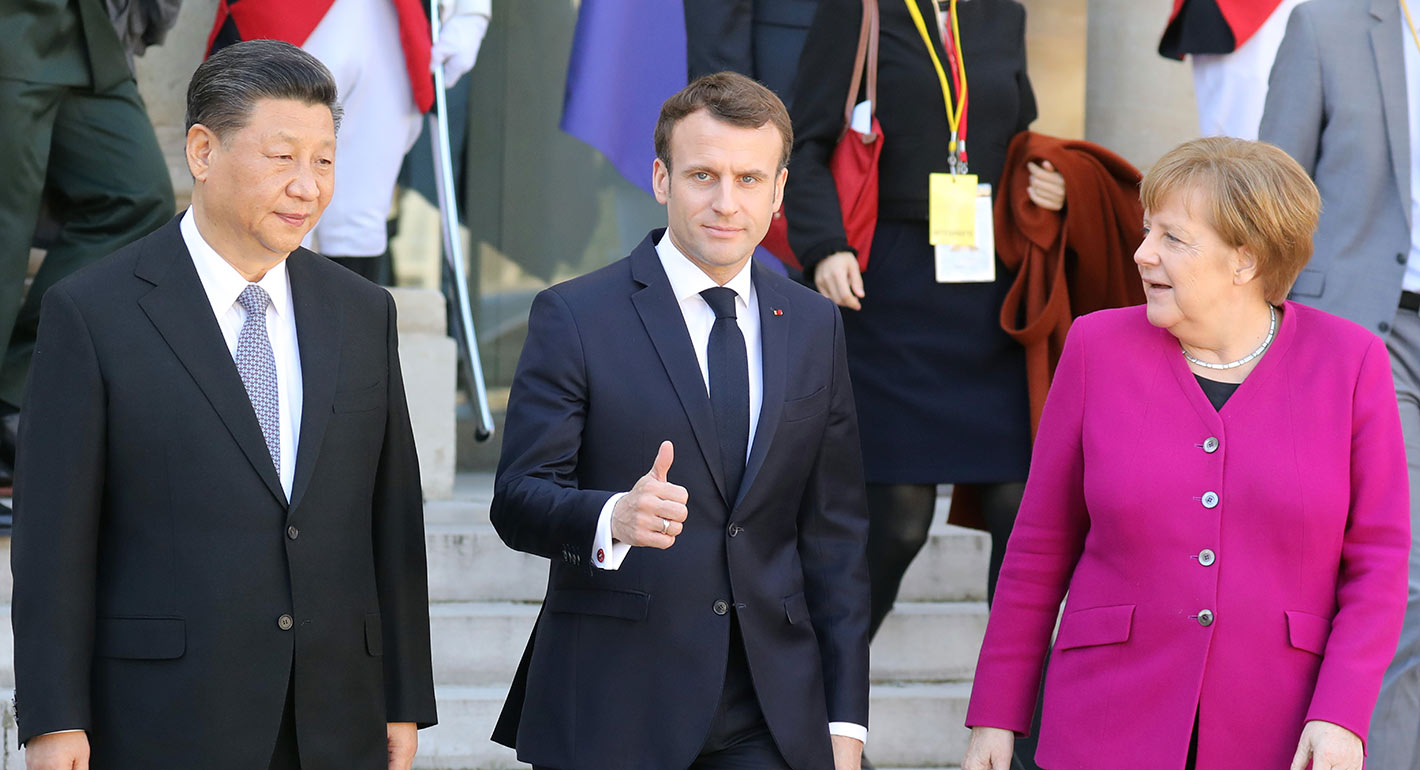
Europe’s huge stakes in the economic stability of Asia, the sea lines of communication connecting Europe and Asia through the Indo-Pacific, and threat of U.S. retrenchment may force Europe to reconsider its role in Asia. Asia needs a robust European contribution to connectivity and security.
C. Raja Mohan, John J. Vater
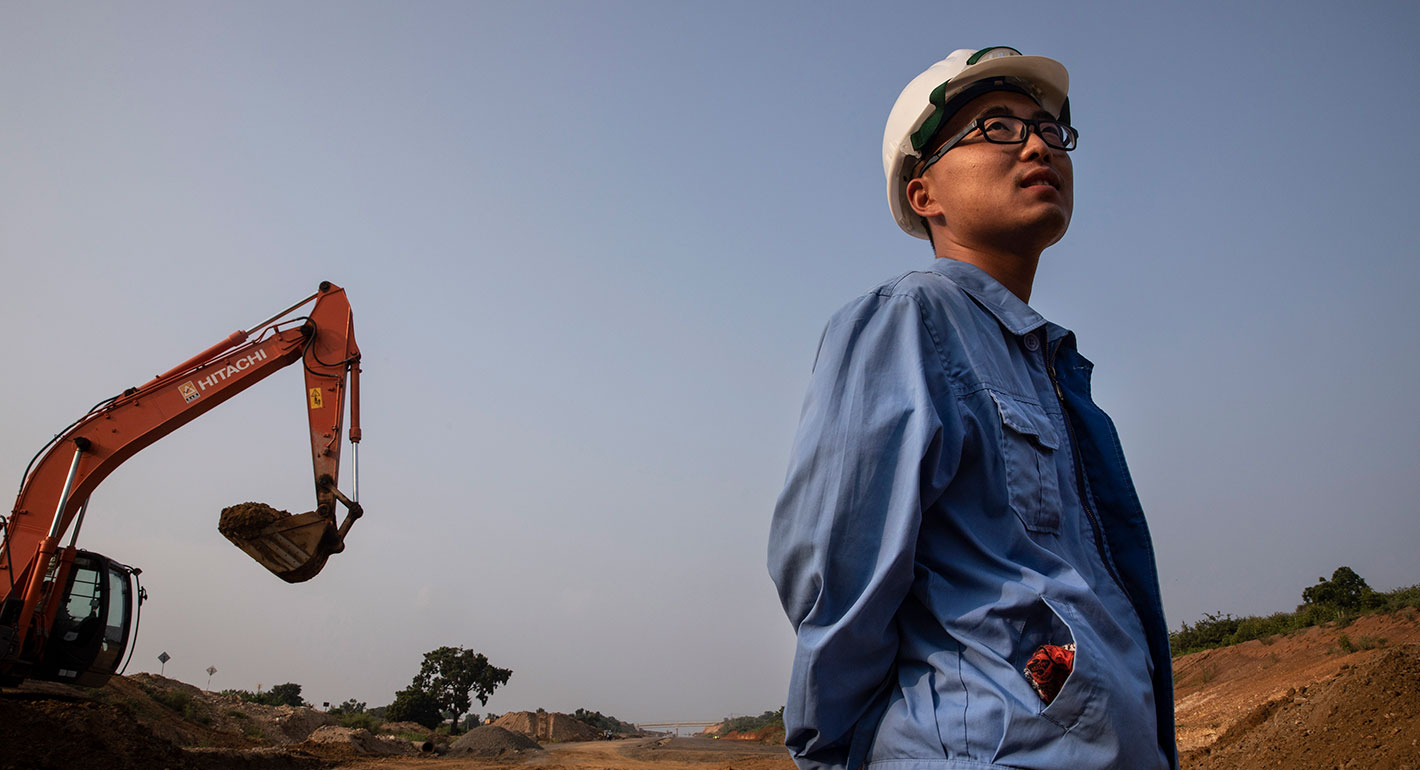
Pitched as a new Silk Road sweeping from Asia to Europe, China’s enormous Belt and Road Initiative is an ambitious, multinational infrastructure project. Experts from four Carnegie global centers explain other countries’ perspectives.


Paul Haenle, Dmitri Trenin, Alexander Gabuev, …
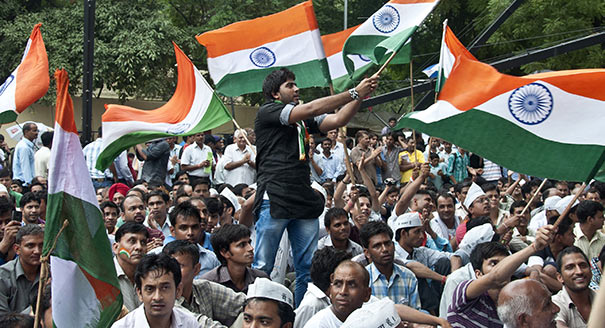
Former Indian Prime Minister Vajpayee’s “relaxed realism” on external issues stands in marked contrast to the liberals on the left and the nationalists on the right, who framed India’s international policies in extreme terms.
C. Raja Mohan