

Commentary
James Schwemlein
{
  "authors": [
    "James Schwemlein"
  ],
  "type": "other",
  "centerAffiliationAll": "",
  "centers": [
    "Carnegie Endowment for International Peace"
  ],
  "collections": [],
  "englishNewsletterAll": "",
  "nonEnglishNewsletterAll": "",
  "primaryCenter": "Carnegie Endowment for International Peace",
  "programAffiliation": "",
  "programs": [],
  "projects": [],
  "regions": [],
  "topics": []
}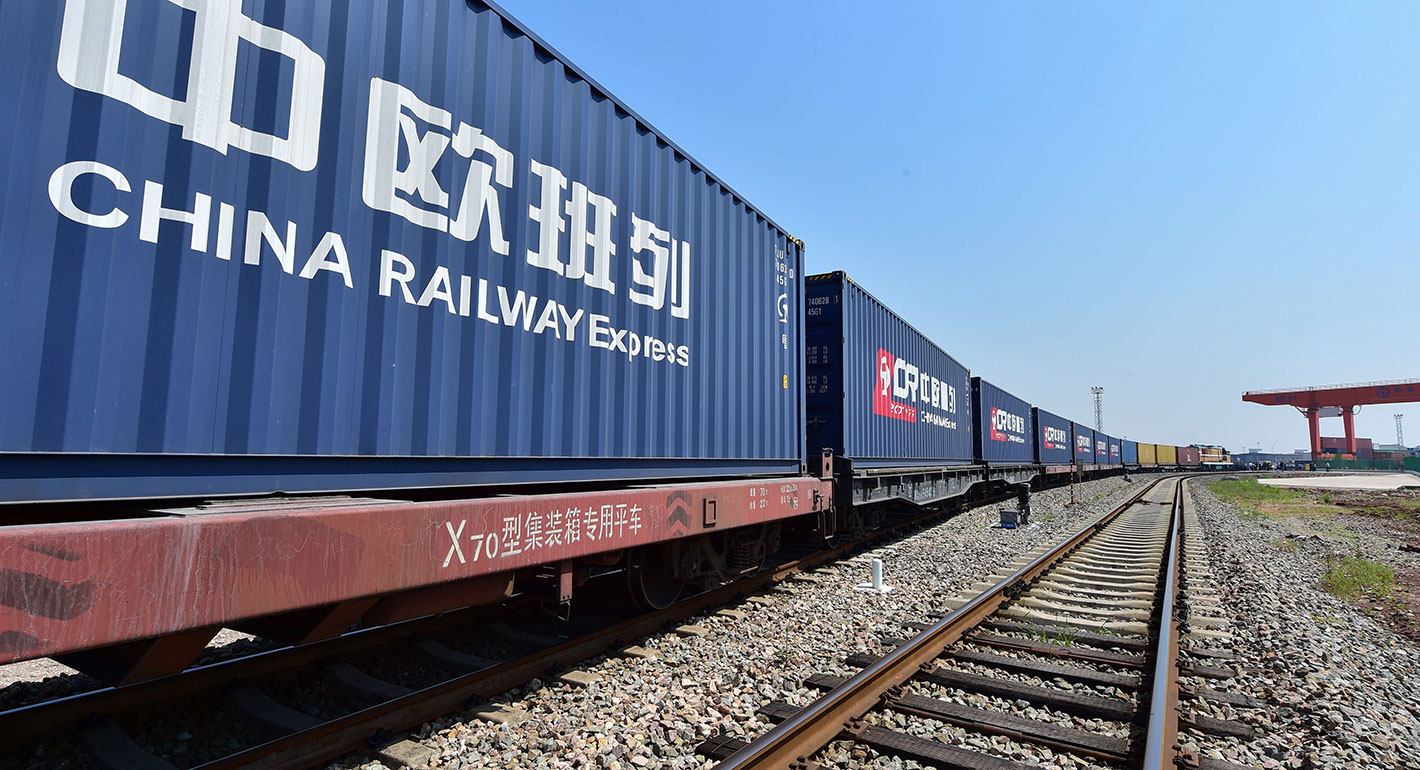
Source: Getty
How the India-Pakistan rivalry will play into the emerging great power competition in South Asia.
Source: Center for Strategic and International Studies
China’s growing military ambition in South Asia is matched in financial terms by its Belt and Road Initiative, including the China-Pakistan Economic Corridor. What remains unclear is how the U.S. should navigate the new dynamic. This report by James Schwemlein, a nonresident scholar in the South Asia Program at the Carnegie Endowment for International Peace, addresses how the India-Pakistan rivalry will play into the emerging great power competition in South Asia.
This content was originally published by the Center for Strategic and International Studies.

Former Nonresident Scholar, South Asia Program
James Schwemlein was a nonresident scholar in the South Asia Program at the Carnegie Endowment for International Peace.
Recent Work
James Schwemlein
James Schwemlein
Carnegie India does not take institutional positions on public policy issues; the views represented herein are those of the author(s) and do not necessarily reflect the views of Carnegie, its staff, or its trustees.