

Article
This piece argues that India’s central challenge is not managing a single flashpoint but resolving the underlying tension between expansion and institutional coherency of the BRICS grouping.
Vrinda Sahai
{
  "authors": [
    "Togzhan Kassenova",
    "Mariana Budjeryn"
  ],
  "type": "other",
  "centerAffiliationAll": "",
  "centers": [
    "Carnegie Endowment for International Peace"
  ],
  "collections": [],
  "englishNewsletterAll": "",
  "nonEnglishNewsletterAll": "",
  "primaryCenter": "Carnegie Endowment for International Peace",
  "programAffiliation": "",
  "programs": [],
  "projects": [],
  "regions": [
    "Russia"
  ],
  "topics": []
}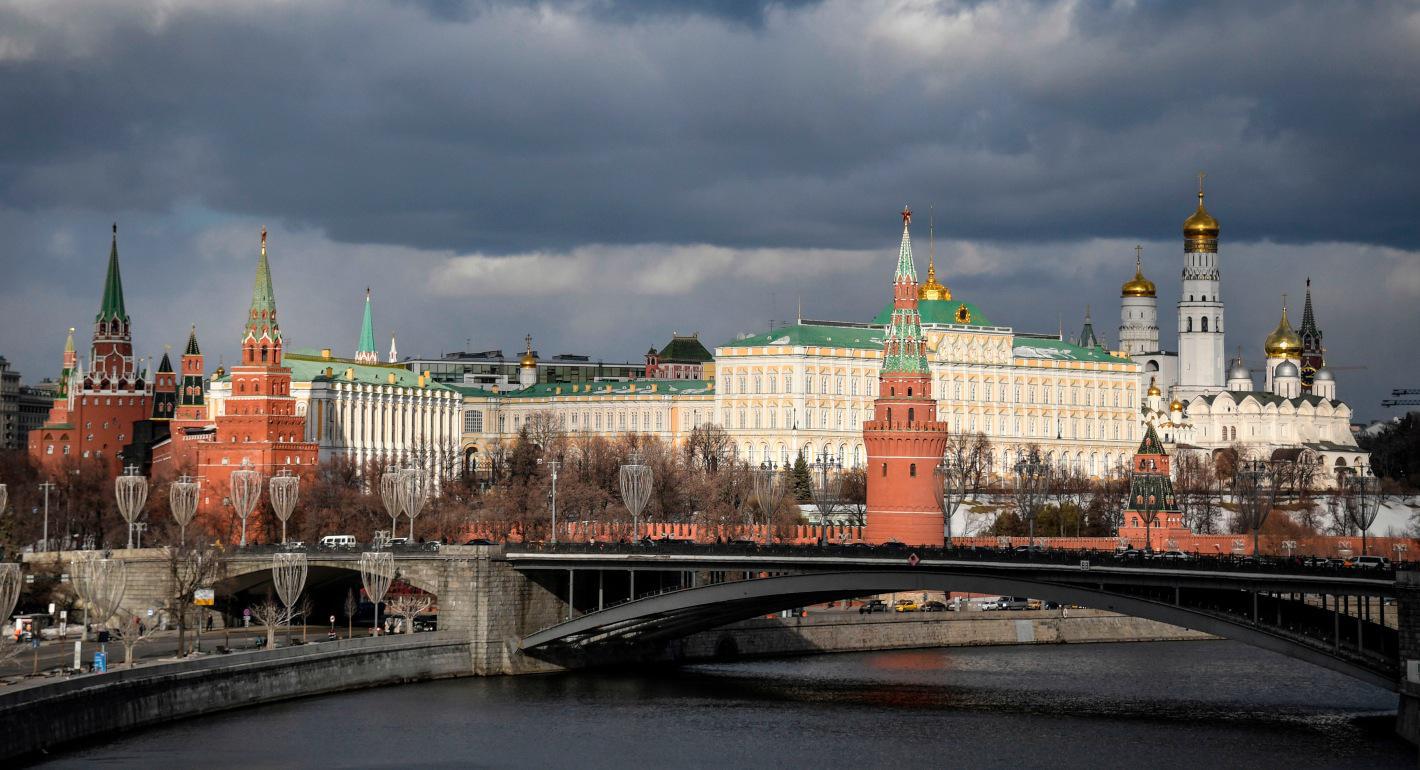
Source: Getty
Discussions of racial injustice in the United States are shaking the public sphere, but racism, injustice, and discrimination are not prerogatives of the West. They ride on the back of power disparities the world over.
Source: Inkstick
Discussions of racial injustice in the United States are shaking the public sphere. Much of the onus in these discussions is on the white West as the locus and perpetrator of racism, especially on the United States with its lingering legacy of slavery. But racism, injustice, and discrimination are not prerogatives of the West. They ride on the back of power disparities the world over.
Often overlooked by academics and activists have been the racial dynamics in the Soviet Union. Embedded in the broader hierarchy that had ordered its 200 plus nationalities, these dynamics are still playing out in the post-Soviet space. The reasons behind the omission might be multiple: the hangover from Soviet propaganda, which proudly insisted that racism — and other Western ‘vices’ like homosexuality — simply did not exist in the socialist paradise, the Soviet mobilization of the anti-colonial cause in the developing world, or the tendency of racism’s harshest critics on the left to treat the Soviet Union more charitably than other oppressive regimes.
The most nefarious feature of Soviet — and post-Soviet — racism lies in its denial. One of the few existing sources on the subject is Robert Robinson, a Black toolmaker from Detroit who got trapped in the Soviet Union for 44 years from 1930 to 1974 and survived to tell the tale. In his autobiography he wrote: “Because the Russians pride themselves on being free of prejudice, their racism is more virulent than any I encountered in the United States as a young man. I rarely met a Russian who thought Blacks — or for that matter, Orientals or any non-whites — were equal to him.” Racism might seem like the lesser of the evils perpetrated by the Soviet regime yet there is no good reason why it should remain unexposed.
We are two women born at opposite ends of the vast Soviet empire: Mariana in Soviet Ukraine, in the city of Lviv close to the Polish border; Togzhan in Soviet Kazakhstan, in the then-capital Almaty, close to the Chinese border. From these two remote vantage points, we watched the Soviet Union crumble, and our national states arise. We lived through Kazakhstan’s and Ukraine’s struggles to find their place in a world that was not expecting them, and deal with the burdens of the Soviet nuclear legacy. We both ended up writing about our countries’ nuclear history....
Former Nonresident Fellow, Nuclear Policy Program
Kassenova was a nonresident fellow in the Nuclear Policy Program at the Carnegie Endowment.
Mariana Budjeryn
Senior Researcher, Center for Nuclear Security Policy at MIT
Mariana Budjeryn is senior researcher at MIT's Center for Nuclear Security Policy. She is the author of Inheriting the Bomb: The Collapse of the USSR and the Nuclear Disarmament of Ukraine (Johns Hopkins University Press, 2023) and a winner of the 2024 William E. Colby Military Writers’ Award, the first female in the award’s 25-year history. Formerly, she held appointments as a senior research associate with the Project on Managing the Atom (MTA) at the Harvard Kennedy School’s Belfer Center, a Stanton Nuclear Security Fellow with MTA and International Security Program at Belfer, a fellow at Harvard's Davis Center for Russian and Eurasian Studies, a visiting professor at Tufts University and Peace Research Institute Frankfurt, and as a Global Fellow with the Global Europe Program at the Woodrow Wilson International Center for Scholars.
Carnegie India does not take institutional positions on public policy issues; the views represented herein are those of the author(s) and do not necessarily reflect the views of Carnegie, its staff, or its trustees.

This piece argues that India’s central challenge is not managing a single flashpoint but resolving the underlying tension between expansion and institutional coherency of the BRICS grouping.

Vrinda Sahai
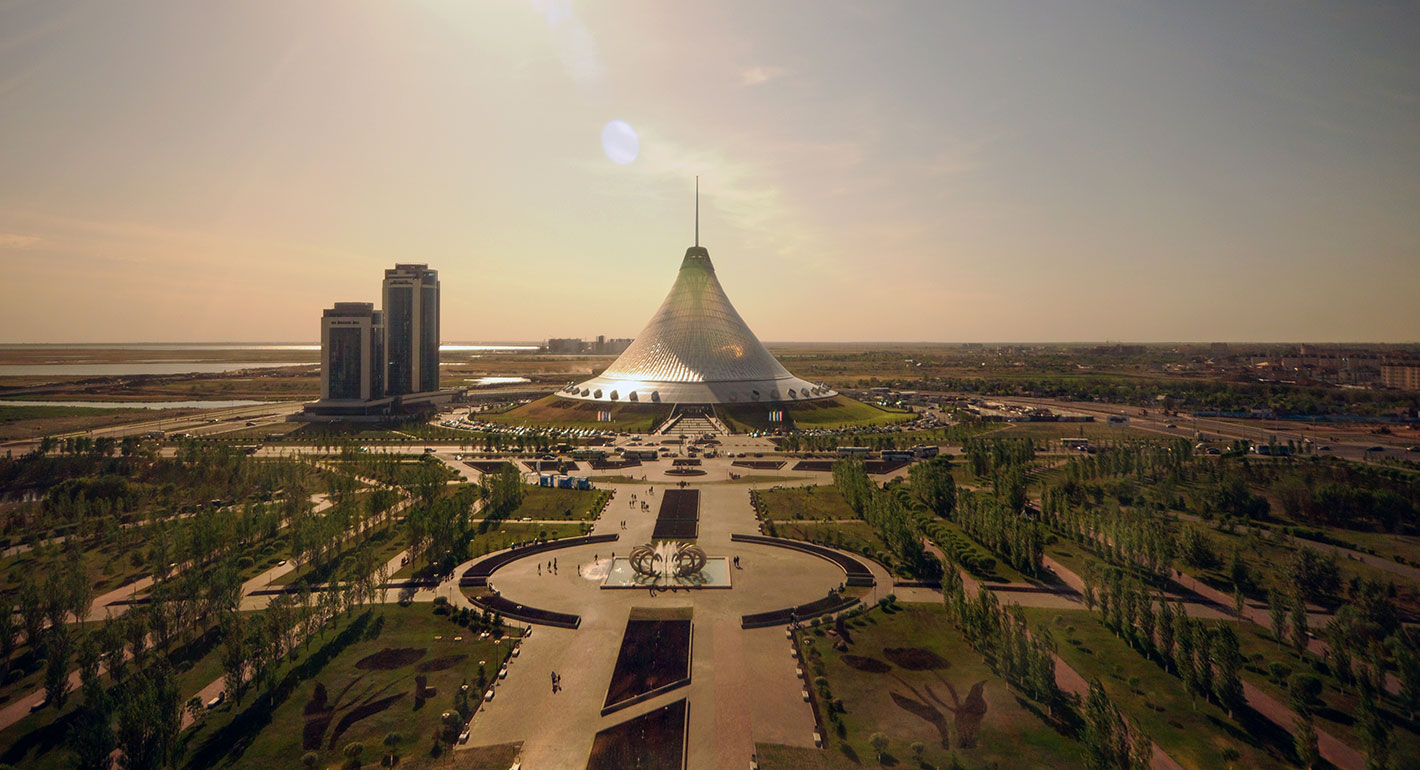
With contributors from various Central Asian nations and beyond, this issue of Seminar provides a selection of perspectives about the past, present, and future trajectory of Central Asia, and the growing role of external actors, particularly India, China, Russia, and the EU in this evolving and dynamic space.
Rhea Menon, Sharanya Rajiv, 64592
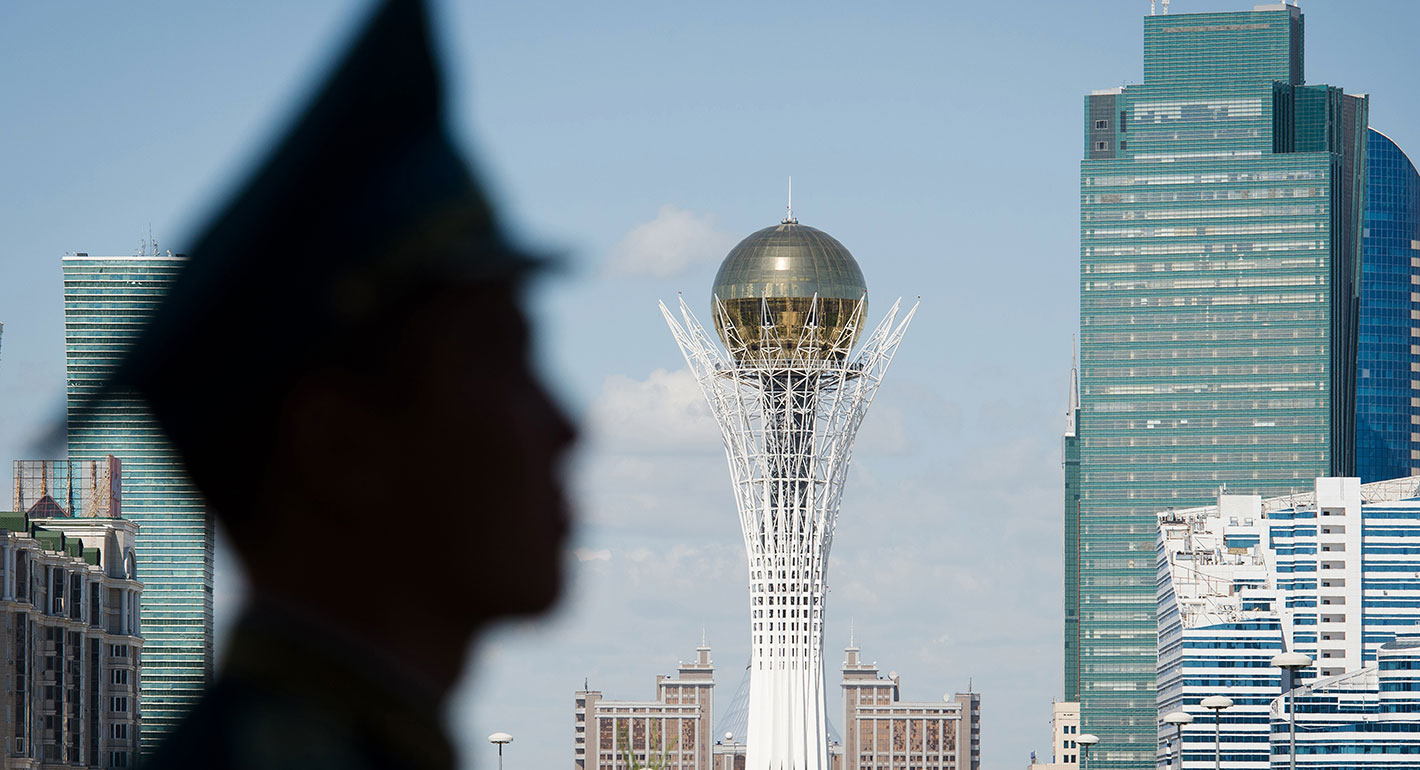
The rise of China as an economic powerhouse in Asia, along with rapid globalization, has brought Central Asia back in the limelight as a bridge connecting the established markets of the West with the emerging markets of the East.
Rhea Menon, Sharanya Rajiv
The special and privileged strategic partnership between India and Russia now spans across both Eurasia and the Indo-Pacific.
Sharanya Rajiv, 64592
The rejigging of the political relations between the United States, China, and Russia might present New Delhi with fleeting strategic opportunities that need to be seized quickly.
C. Raja Mohan