

Article
Anna Ohanyan
{
  "authors": [
    "Anna Ohanyan"
  ],
  "type": "legacyinthemedia",
  "centerAffiliationAll": "dc",
  "centers": [
    "Carnegie Endowment for International Peace"
  ],
  "collections": [],
  "englishNewsletterAll": "ctw",
  "nonEnglishNewsletterAll": "",
  "primaryCenter": "Carnegie Endowment for International Peace",
  "programAffiliation": "russia",
  "programs": [
    "Russia and Eurasia"
  ],
  "projects": [],
  "regions": [],
  "topics": [
    "Democracy"
  ]
}
REQUIRED IMAGE
Scholars have long grappled with the puzzle as to why some regions become peaceful and resilient while others crumble into perpetual insecurity. Much of the scholarship that they produced viewed regional formations as extensions of the state system.
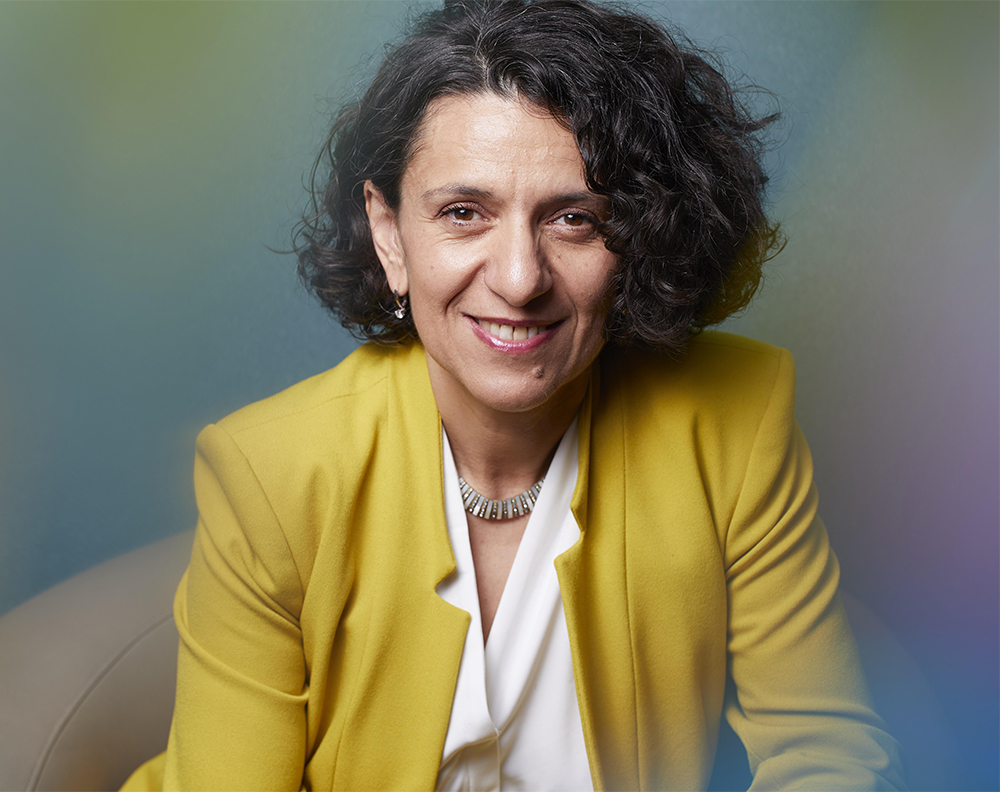
Nonresident Senior Scholar, Russia and Eurasia Program
Anna Ohanyan is a nonresident senior scholar in the Carnegie Russia and Eurasia Program.
Recent Work
Anna Ohanyan
Anna Ohanyan
Carnegie India does not take institutional positions on public policy issues; the views represented herein are those of the author(s) and do not necessarily reflect the views of Carnegie, its staff, or its trustees.
Experts weigh in on whether the United States is too hostile toward China.
Stephen Wertheim, Evan S. Medeiros, Vijay Gokhale
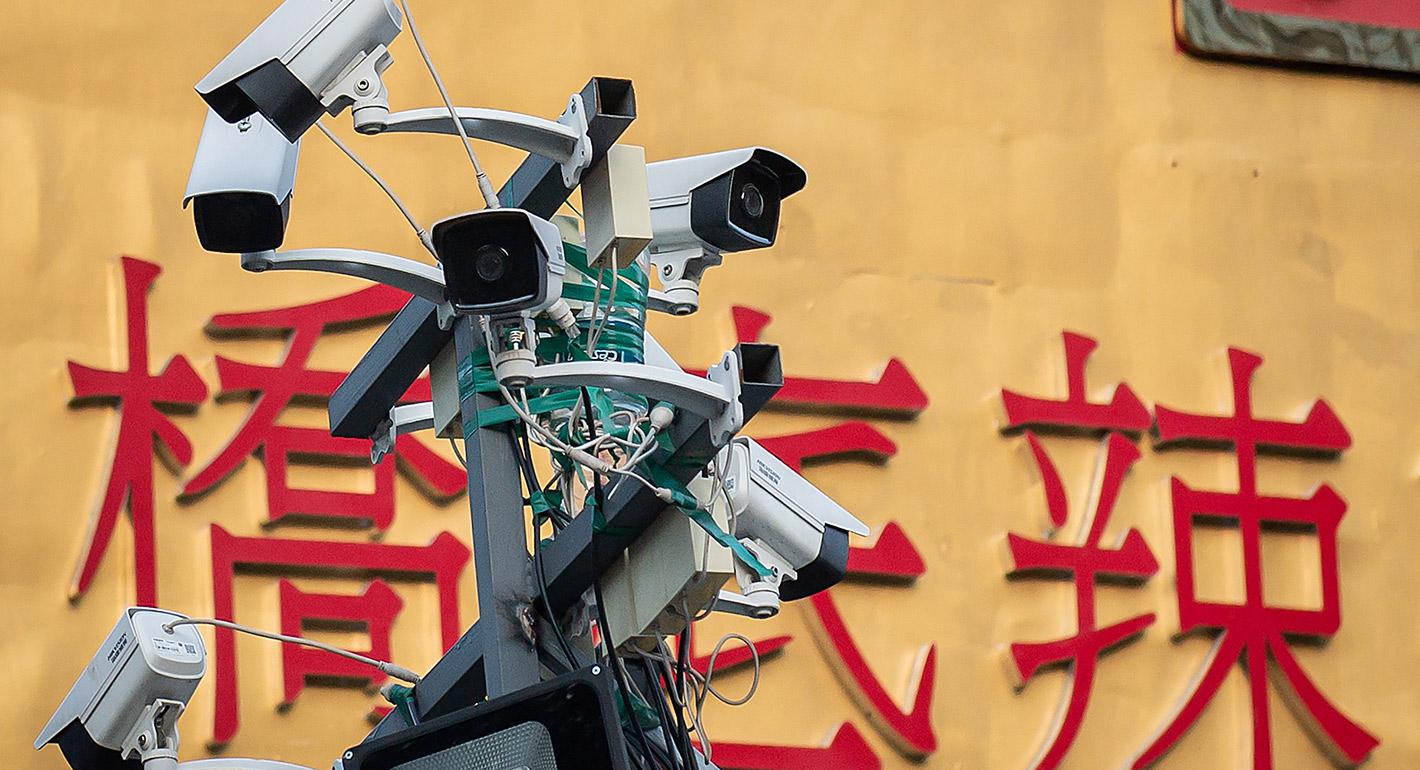
Governments around the world are turning to new forms of digital surveillance to monitor the spread of the coronavirus, though they are mostly using existing laws to do so.

Anirudh Burman
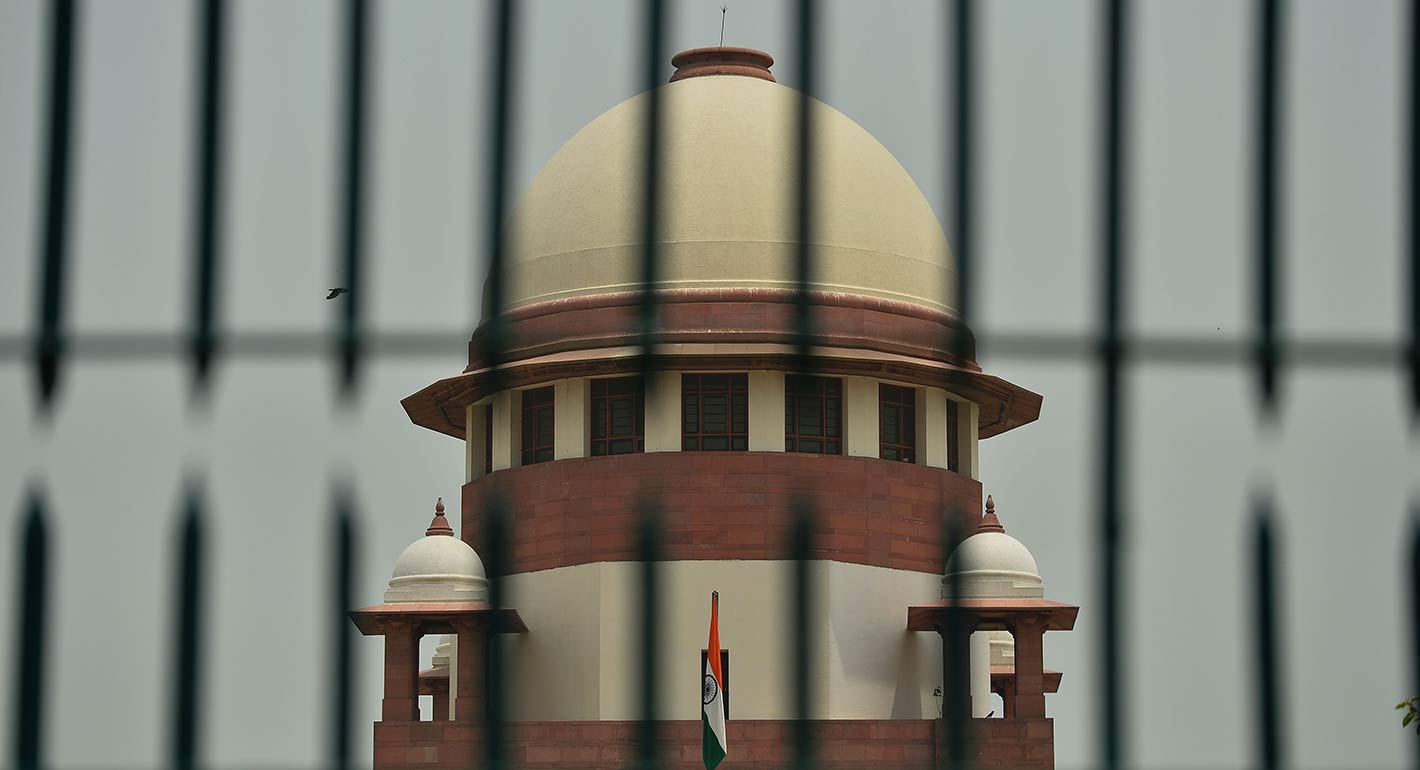
In recent years, some of the most dramatic situations in Indian public life have arisen in the higher judiciary—an arm of the state ideally characterized by collegiality, scholarship, predictability, and remoteness from raucous politics.
Suyash Rai, Anirudh Burman
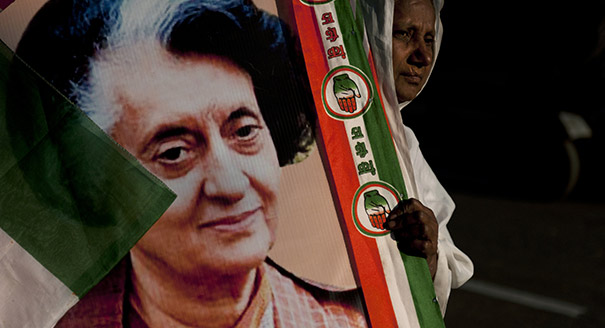
There are many lessons to be drawn from the darker days of India’s political history. The one that ought to be demystified is the view that the suspension or promotion of democracy necessarily stuns or shocks international leaders to the extent that those in India might expect them to.
Rudra Chaudhuri
In India, it is useful to view the relative success of criminal politicians as a byproduct of democratic practice, rather than its authoritarian antithesis.

Milan Vaishnav