

Commentary
Oliver Stuenkel, Adrian Feinberg
{
  "authors": [
    "Oliver Stuenkel"
  ],
  "type": "legacyinthemedia",
  "centerAffiliationAll": "dc",
  "centers": [
    "Carnegie Endowment for International Peace"
  ],
  "collections": [],
  "englishNewsletterAll": "democracy",
  "nonEnglishNewsletterAll": "",
  "primaryCenter": "Carnegie Endowment for International Peace",
  "programAffiliation": "DCG",
  "programs": [
    "Democracy, Conflict, and Governance"
  ],
  "projects": [],
  "regions": [
    "North America",
    "South America"
  ],
  "topics": [
    "Democracy"
  ]
}
REQUIRED IMAGE
A Bolsonaro victory in October would most likely deepen Brazil’s isolation while a Lula victory would symbolize Brazil’s return to a country supportive of international cooperation.

Senior Fellow, Democracy, Conflict, and Governance Program
Oliver Stuenkel is an associate professor at the School of International Relations at Fundação Getulio Vargas (FGV) in São Paulo, Brazil. He is also a senior fellow affiliated with the Democracy, Conflict, and Governance Program at the Carnegie Endowment for International Peace.
Recent Work
Oliver Stuenkel, Adrian Feinberg
Oliver Stuenkel, Adrian Feinberg
Carnegie India does not take institutional positions on public policy issues; the views represented herein are those of the author(s) and do not necessarily reflect the views of Carnegie, its staff, or its trustees.

This commentary explores the likely actions of the Trump administration and driving forces on issues of deregulation, the United States’ leadership in AI, national security, and global engagements on AI safety.

Shatakratu Sahu, Amlan Mohanty
Since its launch nearly a year ago, the INDUS-X has marked many milestones in the India-U.S. relationship. Much has been achieved, but there is room to further enhance defense cooperation between the two countries in the coming years.

Ajay Kumar, Tejas Bharadwaj
This article explicates what iCET is and what it should not be mistaken for. The initiative is not designed to deliver a single deal. Instead, it involves multiple streams for cooperation and collaboration between the United States and India on critical and emerging technologies.

Rudra Chaudhuri
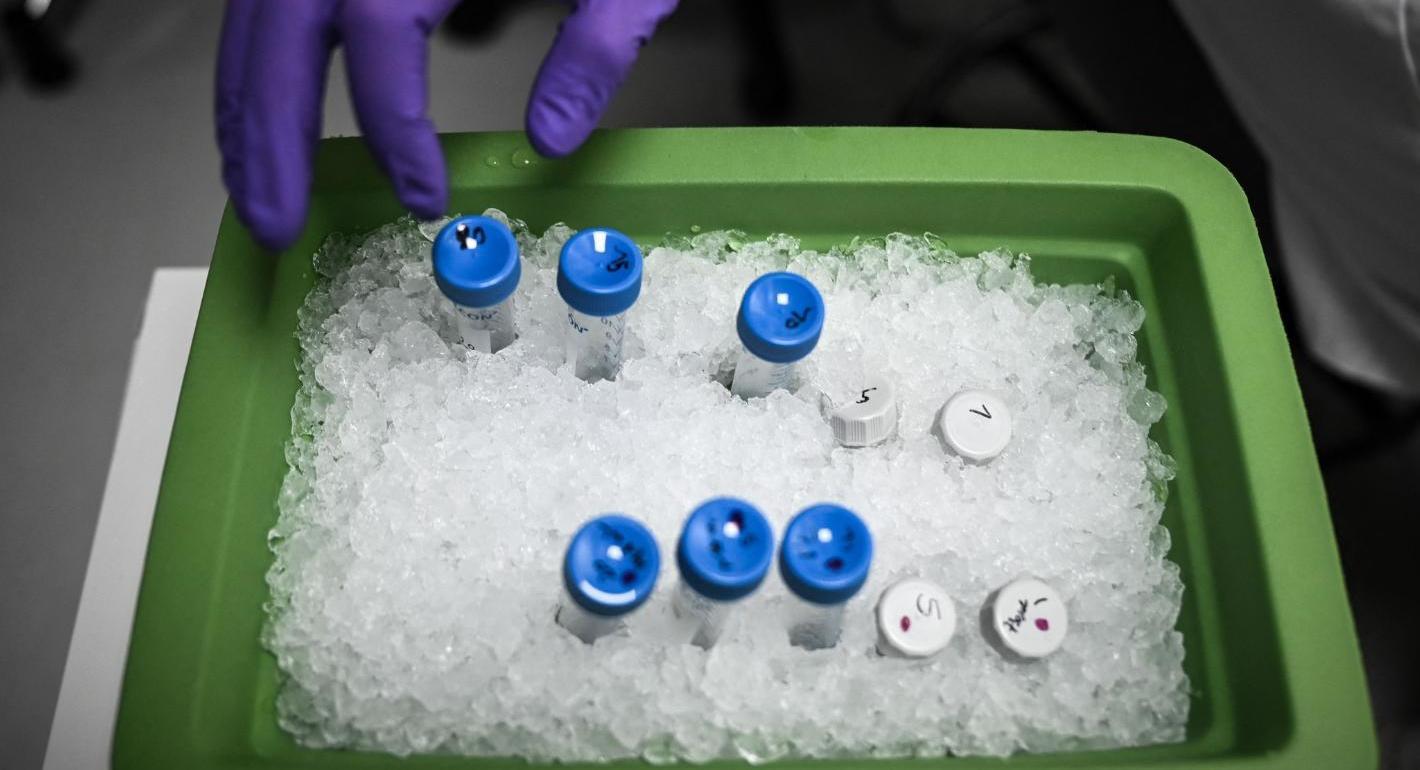
Based on preliminary research and stakeholder discussions, this article features four areas of biosafety and biosecurity that could potentially become concrete agenda items for collaboration between the United States and India under the iCET.

Shruti Sharma
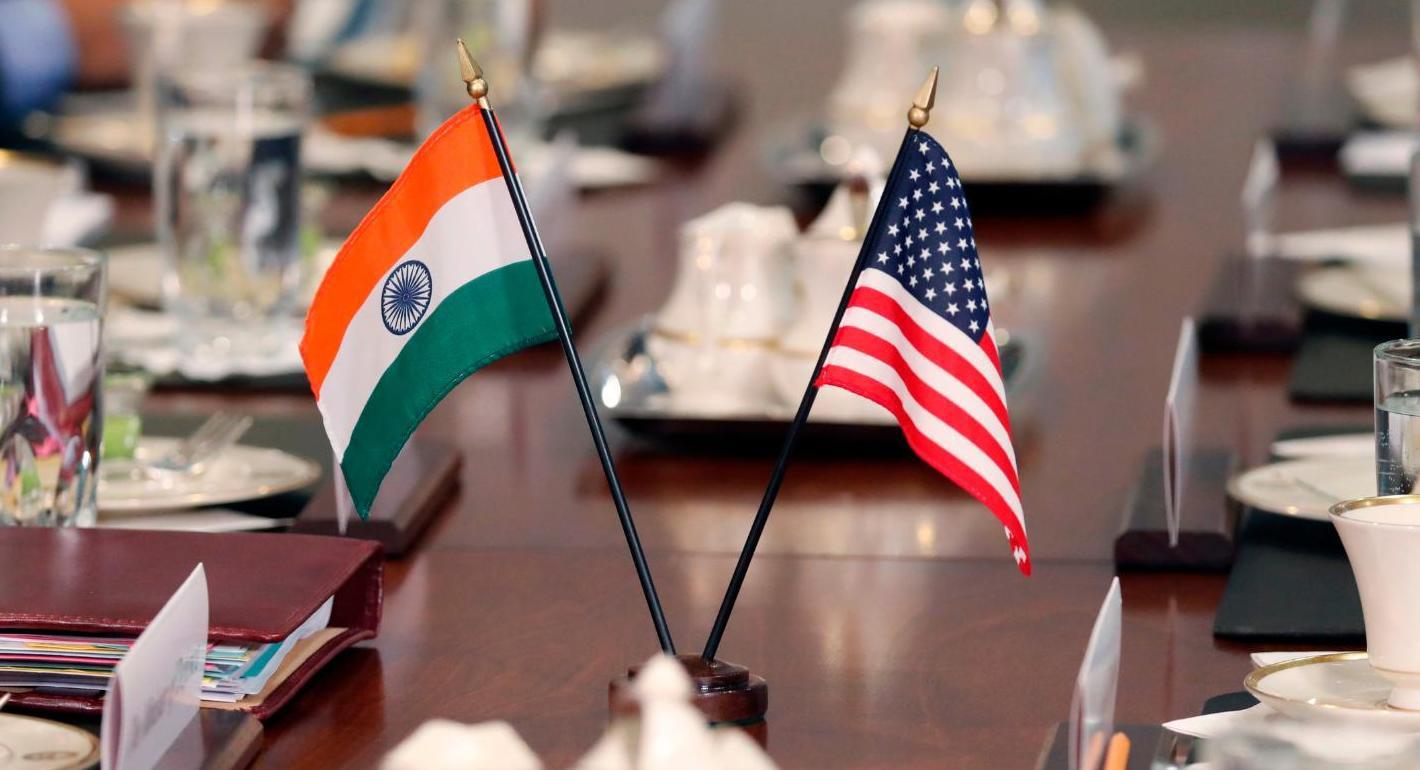
The article highlights critical takeaways from the unofficial discussions led by Carnegie India on the iCET with officials from both the countries, industry leaders, technologists, fund managers, entrepreneurs, and academics.

Rudra Chaudhuri, Konark Bhandari, Ashima Singh