• Research
  • About
  • Experts
Carnegie India logoCarnegie lettermark logo
AI
REQUIRED IMAGE
Book

Point of No Return: The Deadly Struggle for Middle East Peace

Link Copied
By Jeremy Pressman
Published on Nov 1, 1997

Source: Washington, DC: Carnegie Endowment for International Peace, 1997

Summary

The Arab-Israel peace process has reached a point of no return. The way ahead is fraught with danger, but there is no turning back. Structural as well as ideological obstacles remain to a comprehensive Middle East peace--including major asymmetries between the parties. The two most critical challenges concern violent opposition in the Muslim world and Israel to the peace process and continuing instability in the Persian Gulf. Until Iraq and Iran are reintegrated into a more stable Gulf security system, their behavior poses a constant threat to the region and undermines the potential benefits of an Arab-Israel peace. The study examines arguments as to why the peace process has made so much progress since 1991. It also reviews the challenges ahead and provides a country-by-country analysis of criticisms of the peace process.

ABOUT THE AUTHORS

Geoffrey Kemp, formerly Director of the Endowment's Middle East Arms Control Project, is Director of Regional Strategic Programs at the Nixon Center. Jeremy Pressman is a former Carnegie Project Associate.

Advance Praise

"Point of No Return is an extraordinary achievement. It describes and dissects the Middle East conflict both in its whole and in its parts?with complete realism and rare balance. No other work so well succeeds in both getting to the heart of all the issues in Arab-Israeli peacemaking and describing the other conflicts which torment the region and which so condition the outlook for truly comprehensive peace. This book is an authentic tour de force."

—Samuel W. Lewis, U.S. Ambassador to Israel, 1977-85

About the Author

Jeremy Pressman

Jeremy Pressman
Middle East

Carnegie India does not take institutional positions on public policy issues; the views represented herein are those of the author(s) and do not necessarily reflect the views of Carnegie, its staff, or its trustees.

More Work from Carnegie India

  • Article
    Risk and Retaliation: Israel, Iran, and the Evolving Situation in West Asia

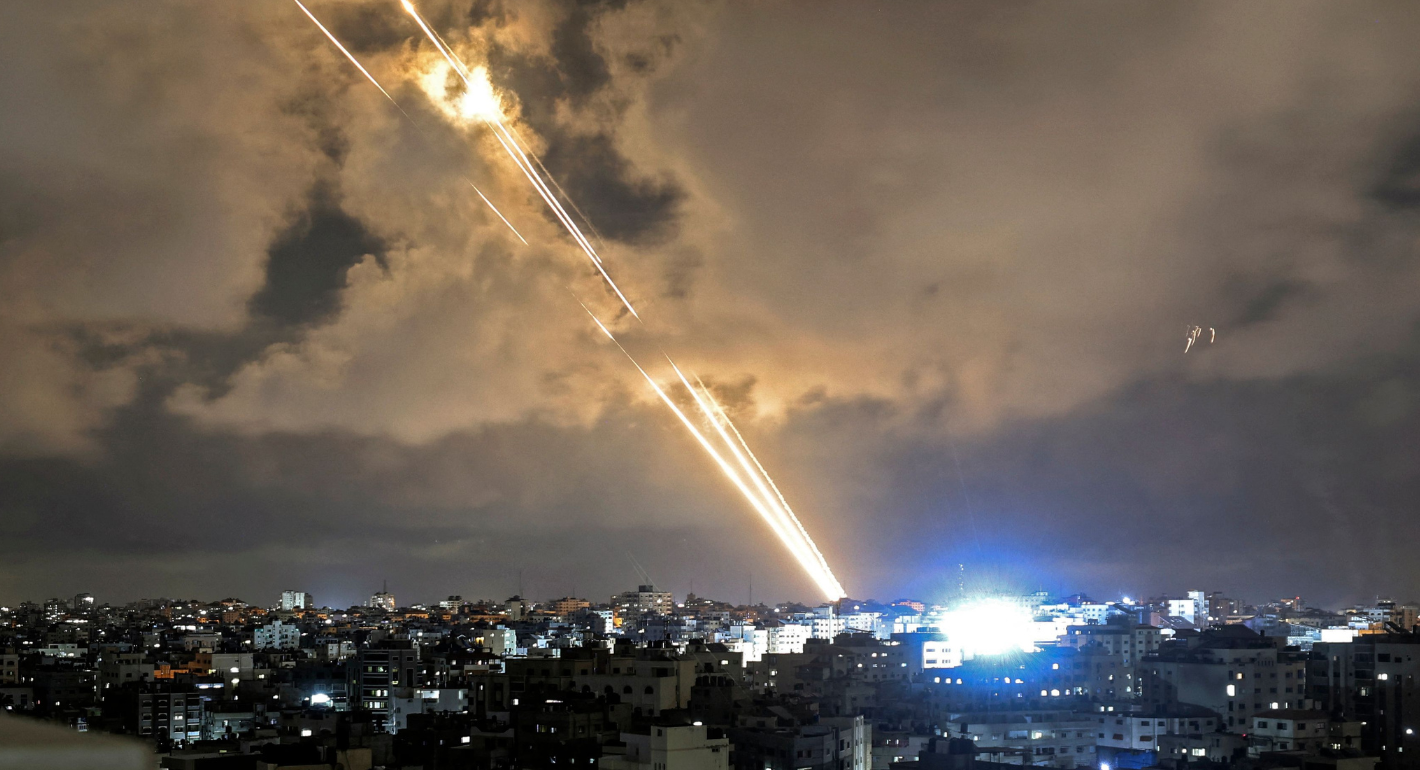
    An Israeli response to Iran’s October 1 attack is imminent. The key question is of its intensity and potential fallout, both within Iran, in terms of nuclear security policy changes, and across the broader region. The coming days are likely to reshape West Asia irreversibly.

      Gaddam Dharmendra
  • Commentary
    India’s View on Soleimani, Iran, and the United States

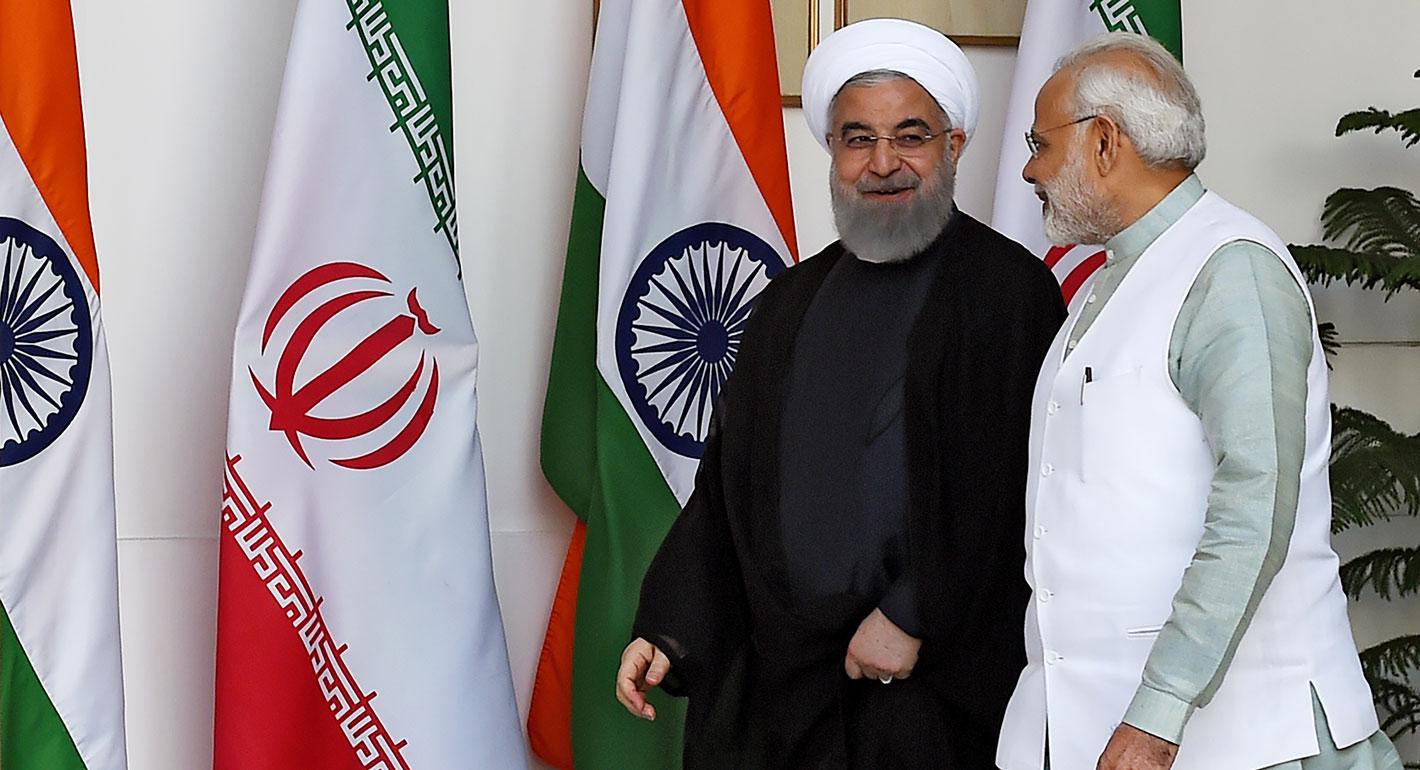
    For India, the equation is pretty simple: better diplomatic relations between the United States and Iran would let New Delhi deal more smoothly with both countries. A decline in the relationship adversely affects Indian interests.

      Rudra Chaudhuri

  • Commentary
    What Would a Larger Chinese Presence Mean for the Middle East?

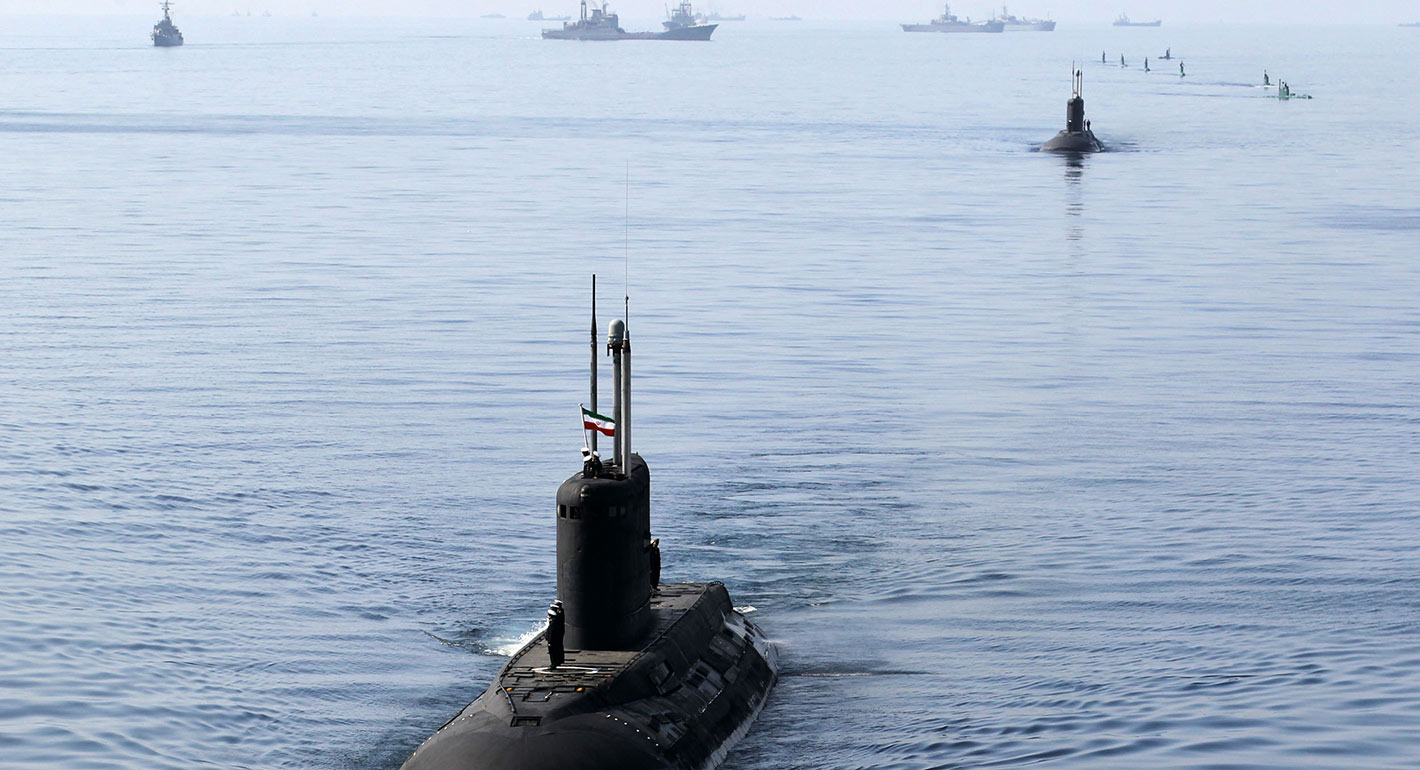
    The recent developments around the Strait of Hormuz have once again highlighted the importance of maritime chokepoints and their connection to regional geopolitics.

      Darshana M. Baruah

  • Commentary
    As US-Iran Tensions Mount, What India Can Learn from the Oil ‘Tanker War’ in 1980s

    Last week, Britain impounded an Iranian oil tanker in Gibraltar, claiming that the vessel was carrying oil to Syria in violation of the European Union’s sanctions.

      Srinath Raghavan

  • Commentary
    Under Modi, India Has Shed its Traditional Defensiveness Towards the Middle East

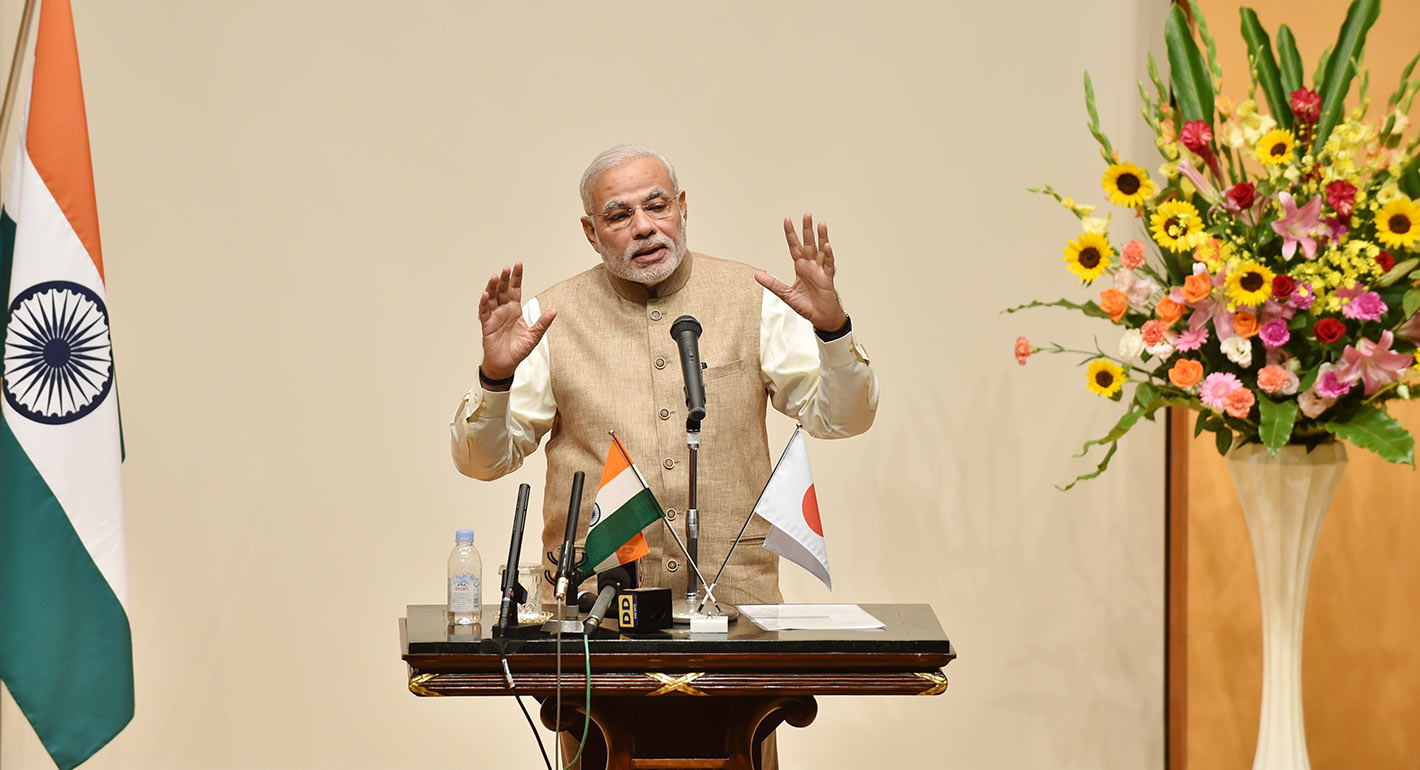
    It has been a rather long learning curve for New Delhi to separate presumed transcendental religious solidarity and the logic of national self-interest in engaging the Middle East.

      C. Raja Mohan

Get more news and analysis from
Carnegie India
Carnegie India logo, white
Unit C-4, 5, 6, EdenparkShaheed Jeet Singh MargNew Delhi – 110016, IndiaPhone: 011-40078687
  • Research
  • About
  • Experts
  • Projects
  • Events
  • Contact
  • Careers
  • Privacy
  • For Media
Get more news and analysis from
Carnegie India
© 2026 Carnegie Endowment for International Peace. All rights reserved.