• Research
  • About
  • Experts
Carnegie India logoCarnegie lettermark logo
AI
REQUIRED IMAGE

REQUIRED IMAGE

Paper

Natural Resources, Human Capital, and Growth

Link Copied
By Nancy Birdsall and Richard Sabot
Published on Feb 1, 2000

Additional Links

Full Text (PDF)

Source: Carnegie

Summary
In this paper, we present evidence that among developing countries, those that are resource-abundent invest less in education. We then discuss the economic processes behind this evidence. We describe a virtuous circle in which rising private returns to human capital and other assets lead to increased work effort and higher productivity and lower inequality in the future. With resource abundance, however, governements are tempted to move away from the policies that generate this virtuous circle. Dutch Disease and related effects tend to lower the rate of return to the agricultural and human capital investments available to the poor. Resource rents accumulate in the hands of the government, and/or a small number of businessmen, further reducing the incentives to invest. Staple-trap effects lead to the subsidization of capital, thereby taxing labor. The labor market in the resulting capital-intensive economy offers little benefit for moderate levels of education. The government may try to assuage the poor by directing some proportion of resource rents to populists programs that create new fiscal burdens but that do not enhance productivity. In short, resource abundance tends to break the viruous circle linking education, growth and inequality in several places: the choice of development strategy, the level of inequality, the lack of incentives for investment in education, and the creation of a welfare state. We illustrate this breakdown by contrasting the cases of Korea and Brazil, and, since resource abundance need not be destiny, we conclude with policy lessons for resource-abundant developing economies.

Click on link above for full text of this Carnegie Paper.

About the Authors

Nancy Birdsall

Former Senior Associate

Richard Sabot

Authors

Nancy Birdsall
Former Senior Associate
Richard Sabot
North AmericaSouth AmericaTrade

Carnegie India does not take institutional positions on public policy issues; the views represented herein are those of the author(s) and do not necessarily reflect the views of Carnegie, its staff, or its trustees.

More Work from Carnegie India

  • Commentary
    The Impact of U.S. Sanctions and Tariffs on India’s Russian Oil Imports

    This piece examines India’s response to U.S. sanctions and tariffs, specifically assessing the immediate market consequences, such as alterations in import costs, and the broader strategic implications for India’s energy security and foreign policy orientation.

      Vrinda Sahai

  • Article
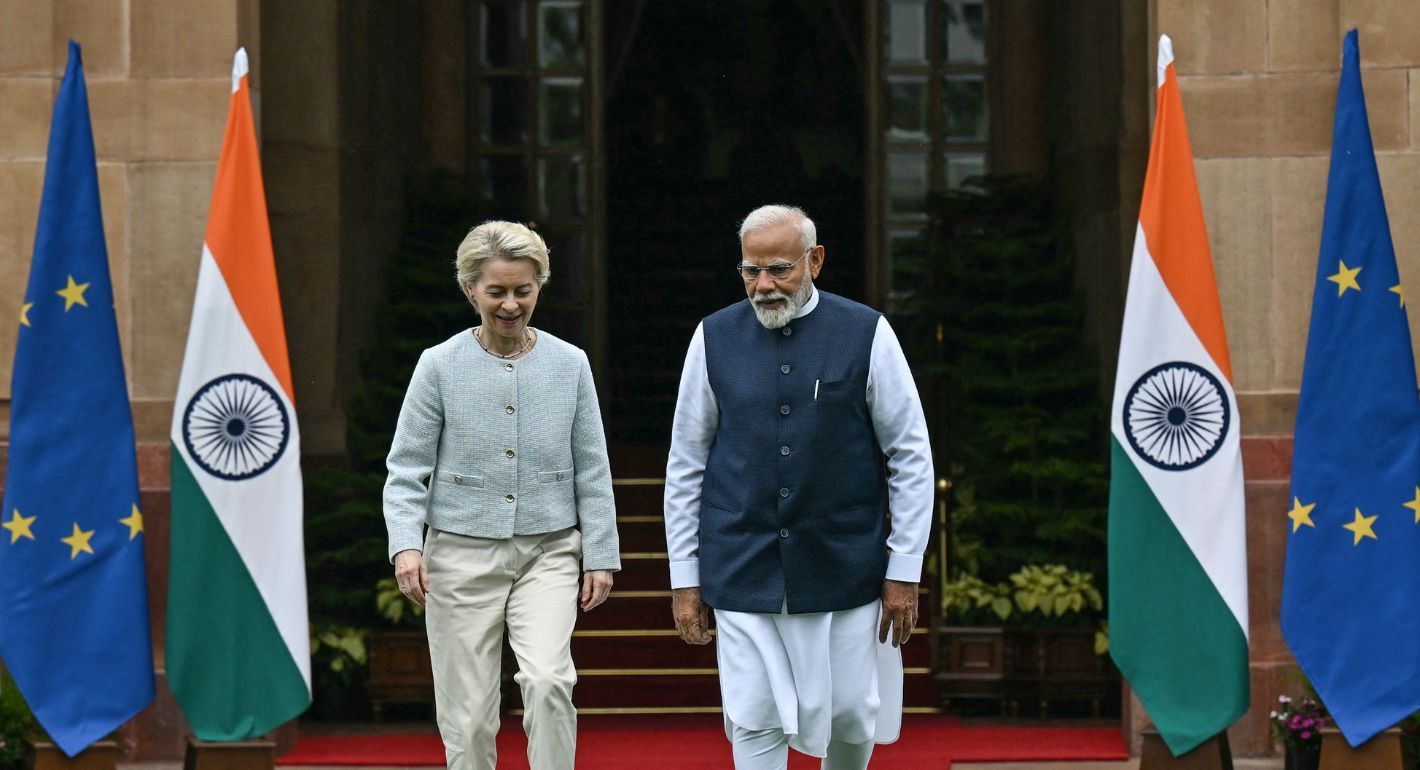
    Can Geopolitical Alignment Seal the India-EU FTA?

    This article argues that the geopolitical circumstances have never been more conducive, not merely for the early conclusion of the free trade agreement (FTA) between India and the EU, but also for crafting a substantive and comprehensive strategic partnership.

      Mohan Kumar

  • Source: iStock
    Commentary
    What’s Next for U.S. AI Policy?

    This commentary explores the likely actions of the Trump administration and driving forces on issues of deregulation, the United States’ leadership in AI, national security, and global engagements on AI safety.

      Shatakratu Sahu, Amlan Mohanty

  • Article
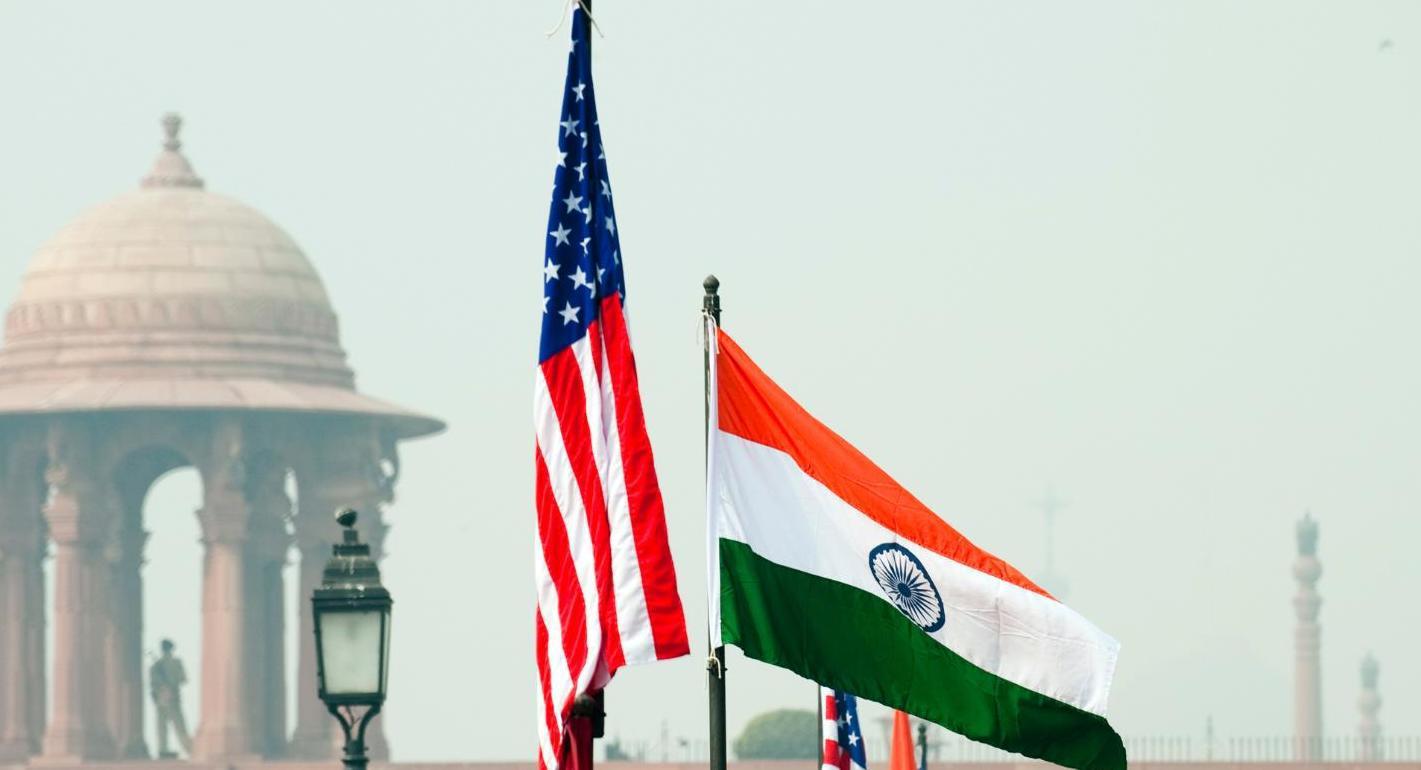
    One Year of the INDUS-X: Defense Innovation Between India and the U.S.

    Since its launch nearly a year ago, the INDUS-X has marked many milestones in the India-U.S. relationship. Much has been achieved, but there is room to further enhance defense cooperation between the two countries in the coming years.

      Ajay Kumar, Tejas Bharadwaj

  • Article
    What is the United States-India Initiative on Critical and Emerging Technology (iCET)?

    This article explicates what iCET is and what it should not be mistaken for. The initiative is not designed to deliver a single deal. Instead, it involves multiple streams for cooperation and collaboration between the United States and India on critical and emerging technologies.

      Rudra Chaudhuri

Get more news and analysis from
Carnegie India
Carnegie India logo, white
Unit C-4, 5, 6, EdenparkShaheed Jeet Singh MargNew Delhi – 110016, IndiaPhone: 011-40078687
  • Research
  • About
  • Experts
  • Projects
  • Events
  • Contact
  • Careers
  • Privacy
  • For Media
Get more news and analysis from
Carnegie India
© 2026 Carnegie Endowment for International Peace. All rights reserved.