• Research
  • About
  • Experts
Carnegie India logoCarnegie lettermark logo
AI
REQUIRED IMAGE
Book

After the Crisis: The Social Contract and the Middle Class in East Asia

Link Copied
By Nancy Birdsall and Stephan Haggard
Published on Jul 17, 2000

Additional Links

Full Text PDF

Source: Washington, DC: Carnegie Endowment for International Peace, 2000

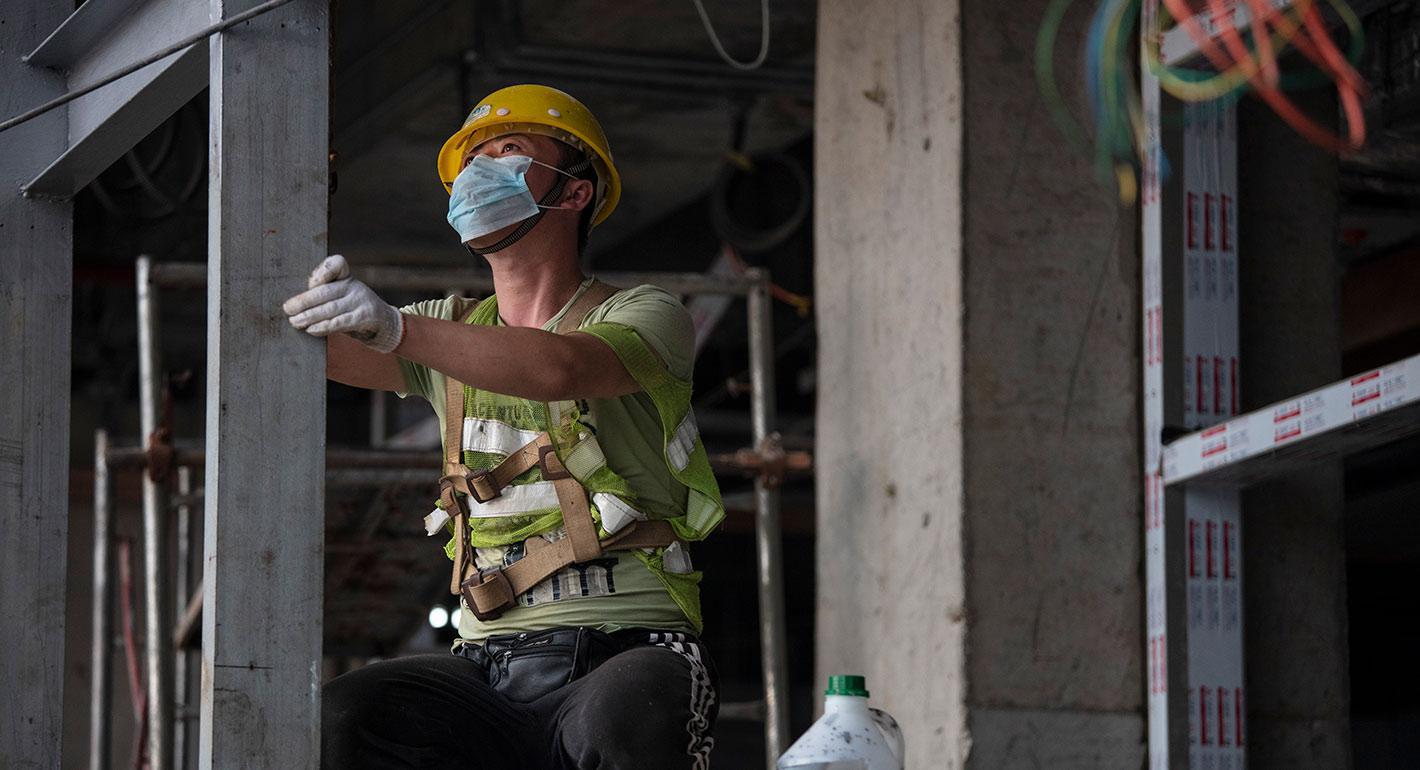
In 1997, East Asia was beset by financial crisis and panic. Despite decades of high and sustained growth, most of these countries had little, if any, form of social insurance to help soften the effects of the crisis.

Whereas the international community focuses predominately on the poor, After the Crisis examines the impact of the crisis on an emergent most urban "striving class". Authors Nancy Birdsall and Stephan Haggard emphasize the strategic importance of this emerging middle class in forging an explicit social contract that could benefit all classes.

Please note: this book is no longer available in print format, for more information, please contact Carnegie Publications office.

About the Authors

Nancy Birdsall

Former Senior Associate

Stephan Haggard

Authors

Nancy Birdsall
Former Senior Associate
Stephan Haggard

Additional Links

Full Text PDF
Trade

Carnegie India does not take institutional positions on public policy issues; the views represented herein are those of the author(s) and do not necessarily reflect the views of Carnegie, its staff, or its trustees.

More Work from Carnegie India

  • Commentary
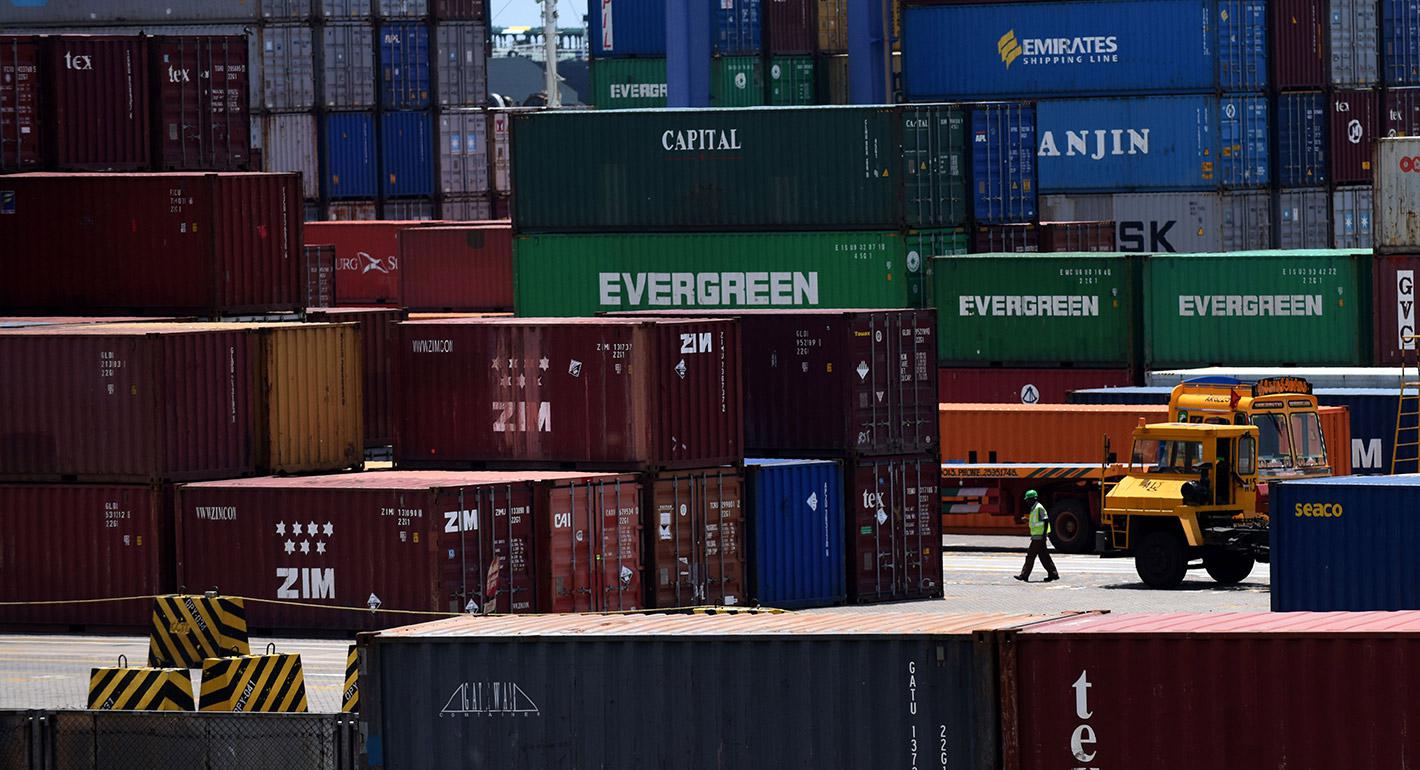
    The Impact of U.S. Sanctions and Tariffs on India’s Russian Oil Imports

    This piece examines India’s response to U.S. sanctions and tariffs, specifically assessing the immediate market consequences, such as alterations in import costs, and the broader strategic implications for India’s energy security and foreign policy orientation.

      Vrinda Sahai

  • Article
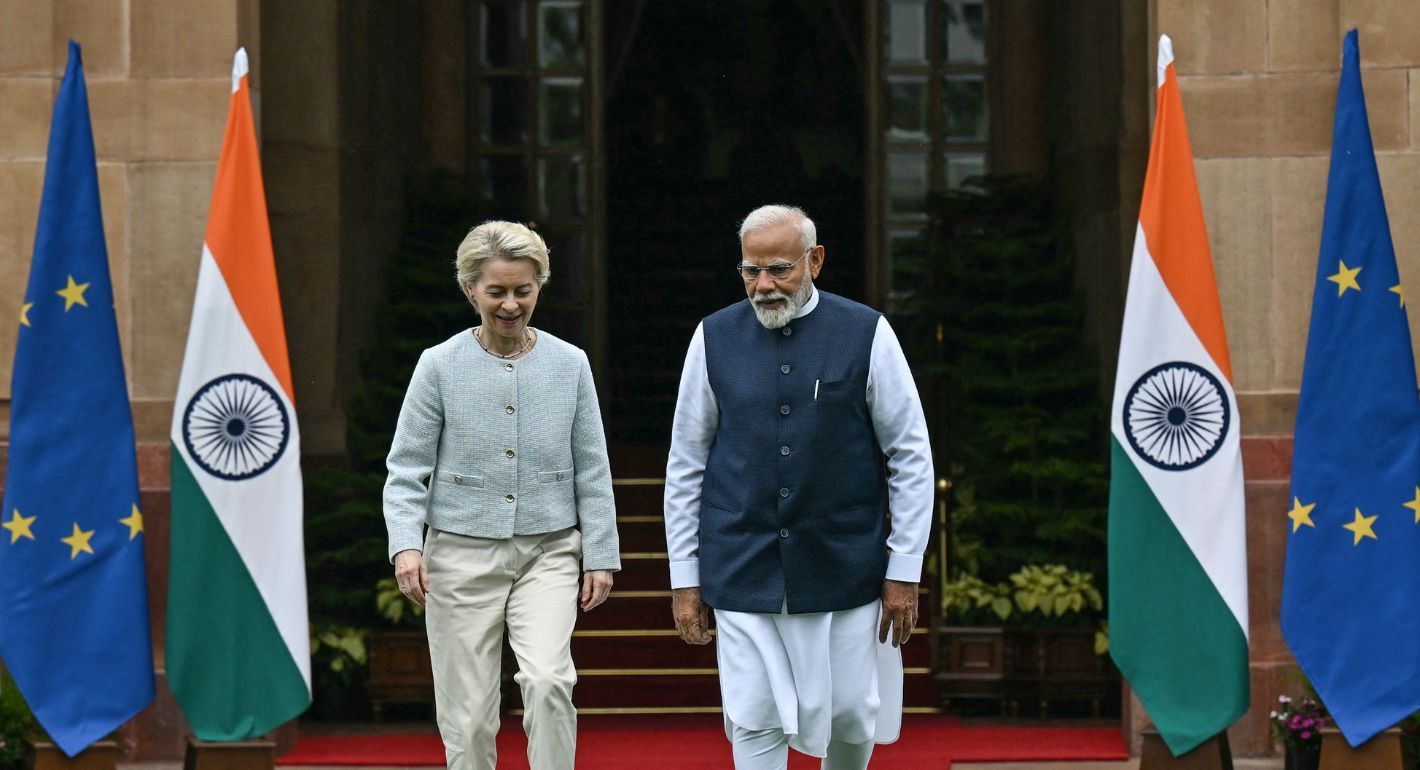
    Can Geopolitical Alignment Seal the India-EU FTA?

    This article argues that the geopolitical circumstances have never been more conducive, not merely for the early conclusion of the free trade agreement (FTA) between India and the EU, but also for crafting a substantive and comprehensive strategic partnership.

      Mohan Kumar

  • Paper
    China’s Digital Yuan: An Alternative to the Dollar-Dominated Financial System

    China’s central bank has plans to roll out a digital yuan, which could circumvent the U.S. dollar in important global financial transactions. Here are some ways the digital yuan could pose a challenge to the dollar’s prominence.

      Rajesh Bansal, Somya Singh

  • Paper
    Measuring Trade Facilitation: Evidence from India

    The World Trade Organization’s Trade Facilitation Agreement has placed trade facilitation initiatives high on the agenda of international governments. This case study of India studies what trade facilitation may mean for a fast-paced economy.

      Vijay Singh Chauhan, Sruti Vijayakumar

  • Article
    The BRI in Post-Coronavirus South Asia

    After the coronavirus pandemic wanes, how will China’s reorientation of the Belt and Road Initiative to address global health concerns influence its relationships with South Asian countries?

      Deep Pal, Rahul Bhatia

Get more news and analysis from
Carnegie India
Carnegie India logo, white
Unit C-4, 5, 6, EdenparkShaheed Jeet Singh MargNew Delhi – 110016, IndiaPhone: 011-40078687
  • Research
  • About
  • Experts
  • Projects
  • Events
  • Contact
  • Careers
  • Privacy
  • For Media
Get more news and analysis from
Carnegie India
© 2026 Carnegie Endowment for International Peace. All rights reserved.