

Article
Andrew Kuchins
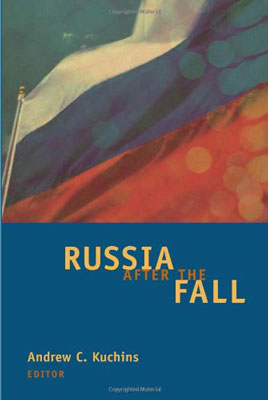
Internationally renowned experts provide retrospective analyses of how Russia has fared in its post-1991 reform efforts and a prospective look at the challenges ahead.
Source: Washington

Russia after the Fall examines Russian politics, economics, society, and foreign and security policy. Internationally renowned experts provide retrospective analyses of how Russia has fared in its reform efforts and a prospective look at the challenges ahead. This book will be of interest to scholars, students, and a general audience seeking to better understand where Russia has been and where it is going.
About the Editor
Andrew C. Kuchins was director of the Carnegie Moscow Center, where he conducted research on Russian foreign and security policy. He is a member of the governing council of the Program on Basic Research and Higher Education in Russia, the advisory committee of Washington Profile, and the editorial board of the journal, Demokratizatsiya.
"An important and constructive contribution to our understanding of what has happened in Russia, what is likely to happen next, and to what extent can it be influenced by Western policy."
—Strobe Talbott, president, The Brookings Institution
"Each chapter is written by a leading expert at the top of his or her game which makes the book of interest to specialist and non-specialist alike."
—Blair A. Ruble, Woodrow Wilson Center
"...a top-drawer collection of essays on the vicissitudes of contemporary Russia, strong on politics, economics, and foreign policy."
—Stephen Kotkin, Princeton University

Former Senior Associate and Director, Russian & Eurasian Program
Recent Work
Andrew Kuchins
Andrew Kuchins
Carnegie India does not take institutional positions on public policy issues; the views represented herein are those of the author(s) and do not necessarily reflect the views of Carnegie, its staff, or its trustees.

This piece examines India’s response to U.S. sanctions and tariffs, specifically assessing the immediate market consequences, such as alterations in import costs, and the broader strategic implications for India’s energy security and foreign policy orientation.

Vrinda Sahai
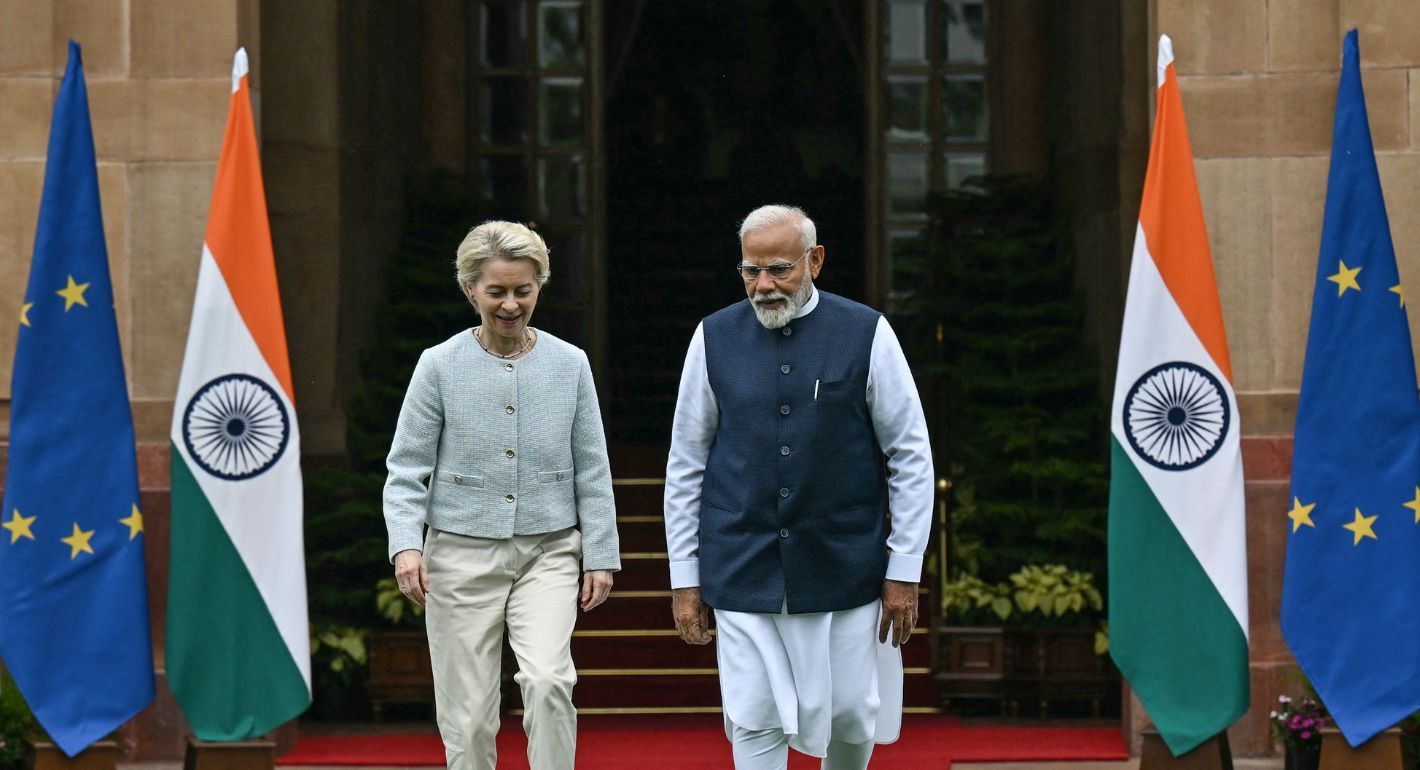
This article argues that the geopolitical circumstances have never been more conducive, not merely for the early conclusion of the free trade agreement (FTA) between India and the EU, but also for crafting a substantive and comprehensive strategic partnership.
Mohan Kumar

China’s central bank has plans to roll out a digital yuan, which could circumvent the U.S. dollar in important global financial transactions. Here are some ways the digital yuan could pose a challenge to the dollar’s prominence.

Rajesh Bansal, Somya Singh
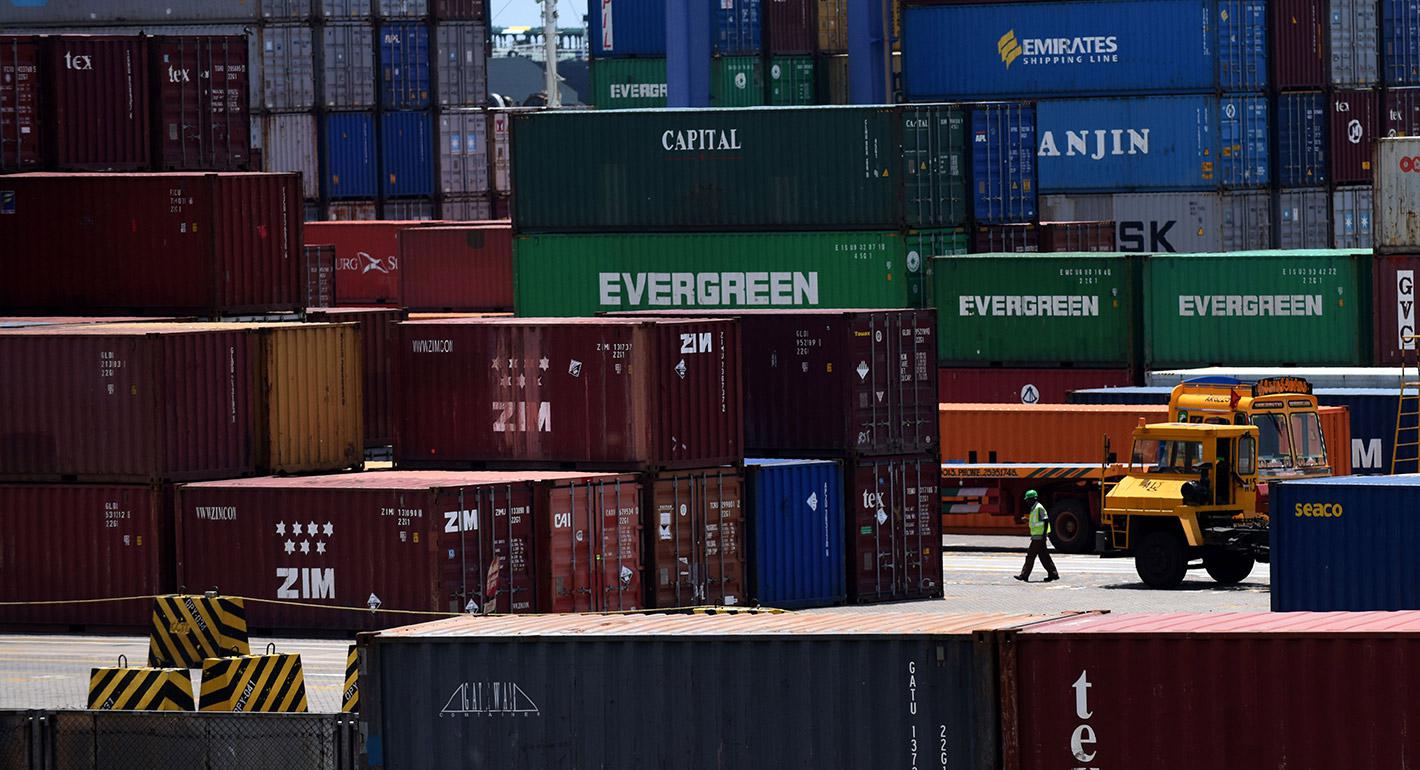
The World Trade Organization’s Trade Facilitation Agreement has placed trade facilitation initiatives high on the agenda of international governments. This case study of India studies what trade facilitation may mean for a fast-paced economy.


Vijay Singh Chauhan, Sruti Vijayakumar

After the coronavirus pandemic wanes, how will China’s reorientation of the Belt and Road Initiative to address global health concerns influence its relationships with South Asian countries?

Deep Pal, Rahul Bhatia