

Article
The war in Ukraine has demonstrated that India needs to establish a strong domestic space economy in order to weather geopolitical storms.
Konark Bhandari
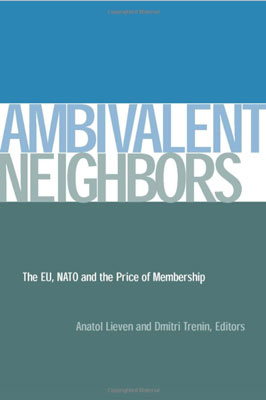
Highly distinguished contributors from both East and West examine the complicated and multi-faceted process of NATO and EU enlargement in the context of the changed global situation since the terrorist attacks of September 11, 2001.
Source: Washington

These essays examine the enlargement processes not only from the perspective of the West and western institutions, but also from the point of view of the former communist countries themselves. This approach reflects the conviction that the eastward movements of NATO and the EU should not be regarded simply as western-led processes to which the eastern states must adapt as best they can. If an enlarged NATO and EU are to be stable and successful in the long run, they must take account of the wishes and interests of both their new, former-communist members and those European states which will not for the foreseeable future be members of NATO, the EU, or both.
Contributors: Christopher Bobinski (Unia & Polska), Vladimir Baranovsky (Institute of the World Economy and International Relations), Heather Grabbe (Center for European Reform), Karl-Heinz Kamp (Konrad Adenauer Foundation), Charles King (Georgetown University), Alexander J. Motyl (Center for Global Change and Governance (Rutgers University), Zaneta Ozolina (University of Latvia), Alexander Sergounin (Nizhny Novgorod Linguistic University), William Wallace (London School of Economics), Leonid Zaiko (Strategy Center)
About the Editors
Anatol Lieven is senior associate in the Russian and Eurasian Program at the Carnegie Endowment. He is the author of several books including Chechnya: Tombstone of Russian Power.
Dmitri Trenin is director of the Carnegie Moscow Center. He is the author of numerous books, including The End of Eurasia: Russia on the Border Between Geopolitics and Globalization and coauthor of Russia's Restless Frontier: The Chechnya Factor in Post-Soviet Russia.
"Together the essays and introduction make a powerful exposition of the complexities and dangers of the new 'Pan Europe'. They certainly are an antidote to anyone's remaining inclination toward careless optimism. At the same time, the detailed insight with which the book abounds is a very good start for serious thinking about what must be done to avoid a disagreeable future. Obviously, it should be of great interest to West Europeans and Russians, as well as Americans."
— David P. Calleo, Nitze School of Advanced International Studies, Johns Hopkins University
"A well-balanced, well-meshed, incisive exploration of the prospects and problems ahead for those inside and outside an expanding Europe. Not only does the book do what no other has by thinking through the implications of EU and NATO expansion for Ukraine, Belarus, Russia, and the rest of those left out, it portrays in far more realistic terms just how complex the politics of European foreign relations threaten to become."
—Robert Legvold, Columbia University
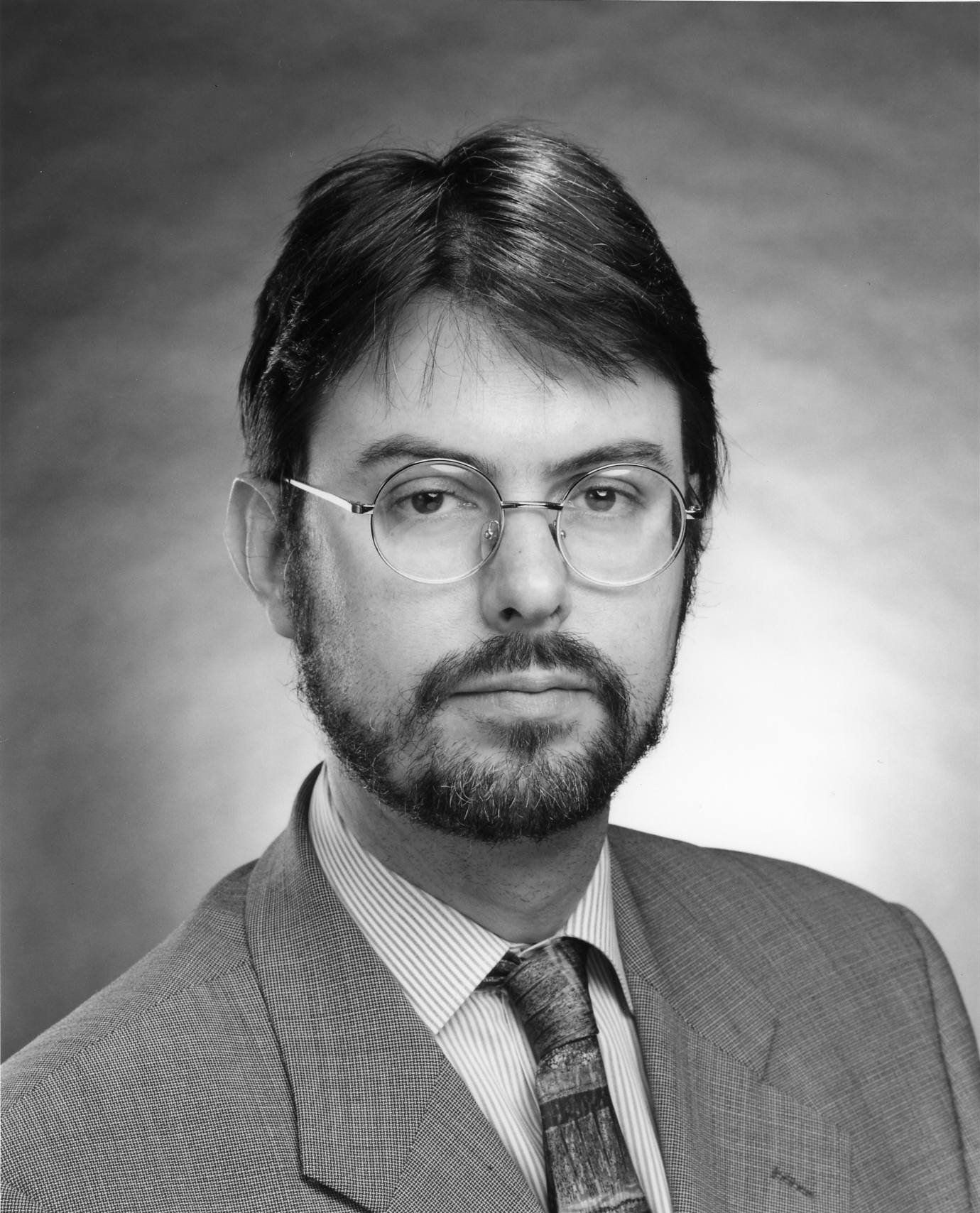
Former Senior Associate
Former Director, Carnegie Moscow Center
Trenin was director of the Carnegie Moscow Center from 2008 to early 2022.
Carnegie India does not take institutional positions on public policy issues; the views represented herein are those of the author(s) and do not necessarily reflect the views of Carnegie, its staff, or its trustees.
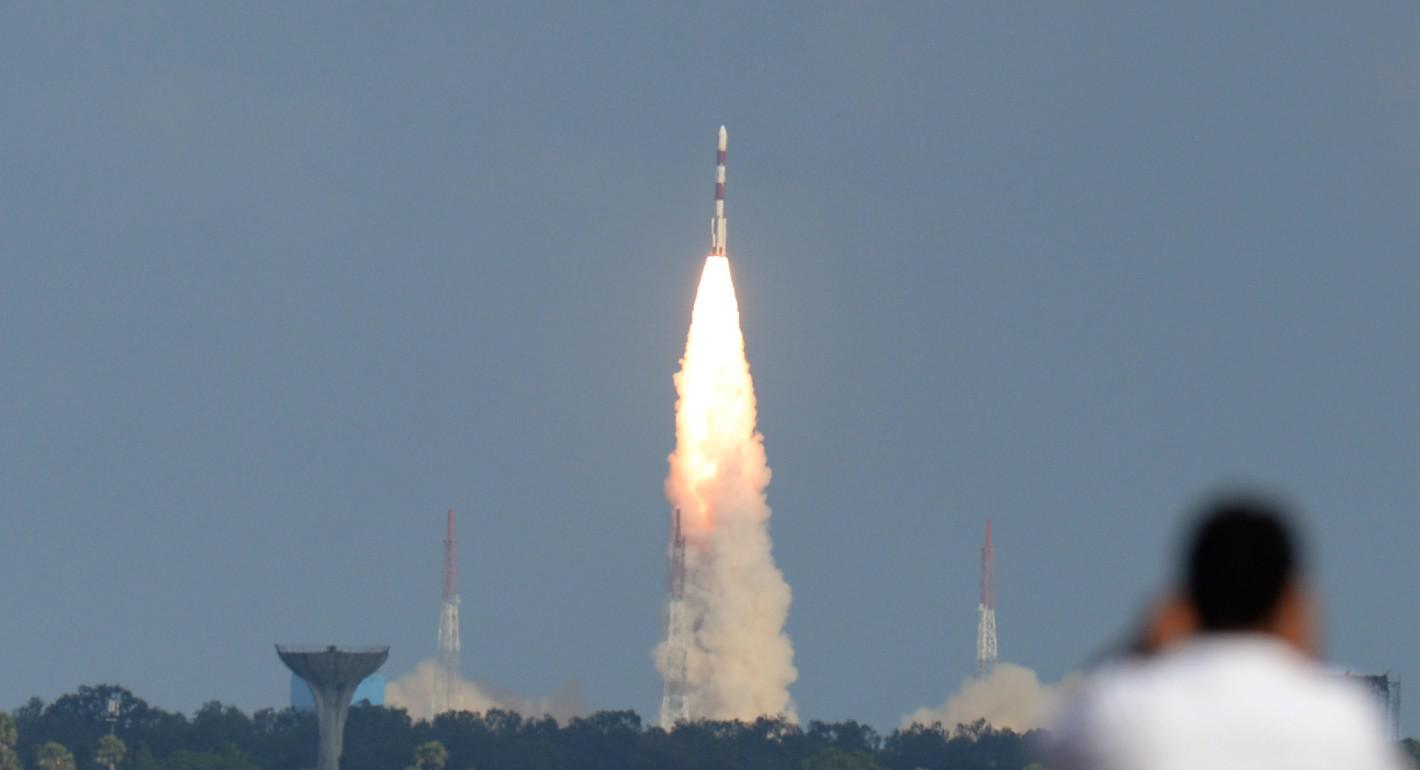
The war in Ukraine has demonstrated that India needs to establish a strong domestic space economy in order to weather geopolitical storms.

Konark Bhandari
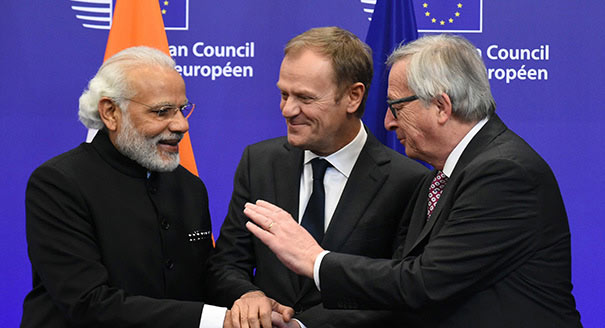
To counter the rise of isolationist, unilateral, and authoritarian forces, India and the Europe must strengthen their relationship beyond mere economic and transactional arrangements.
Constantino Xavier
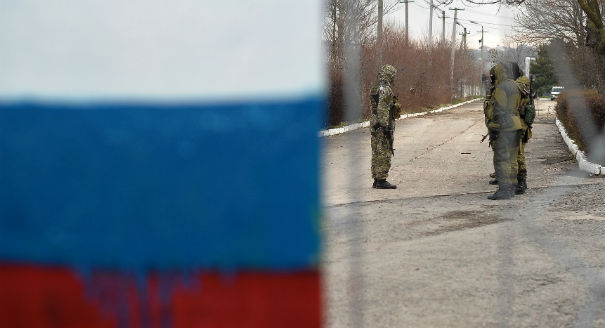
As the crisis in Crimea deepens, the formal arguments between Russia and the West are about two perennial themes in international politics—sovereignty and intervention.
C. Raja Mohan