

Commentary
With monkeypox being declared a global health emergency, the WHO approach is an innovative and effective way to curb outbreaks of zoonotic diseases.
Shruti Sharma

REQUIRED IMAGE
The International Atomic Energy Agency has found that "there is no evidence that the previous undeclared nuclear material and activities ... were related to a nuclear weapons program." Not yet, anyway. Director General Mohamed ElBaradei's report adds that Iran's past "pattern of concealment" means "it will take some time before the agency is able to conclude that Iran's nuclear program is exclusively for peaceful purposes."
The International Atomic Energy Agency has found that "there is no evidence that the previous undeclared nuclear material and activities ... were related to a nuclear weapons program." Not yet, anyway. Director General Mohamed ElBaradei's report adds that Iran's past "pattern of concealment" means "it will take some time before the agency is able to conclude that Iran's nuclear program is exclusively for peaceful purposes."
ElBaradei's report will help determine the decisions of the IAEA Board of Governors at their November 20 meeting. If the Board finds that Iran has failed to conclusively prove it has no nuclear arms program, Tehran could face sanctions from the UN Security Council. However, Iran's decision to suspend its uranium enrichment activities, sign the Additional Protocol, and provide the IAEA a dossier with extensive details of its past nuclear activities, have all helped diffuse the crisis. This combined with ElBaradei's "no evidence" finding seems to make it unlikely that the Board will declare Iran in non-compliance with its nuclear obligations.
Yet, according to the IAEA report, "Iran has admitted that it produced small amounts of low enriched uranium...and that it had failed to report a large number of conversion, fabrication and irradiation activities involving nuclear material, including the separation of a small amount of plutonium." This is a clear violation of Iran's nuclear reporting obligations, reinforcing suspicions that Iran is pursuing an illegal nuclear weapons program.
In this regard, the suspension of uranium enrichment activities is an especially important first step. Iran has informed the IAEA that its "temporary" suspension of uranium enrichment began on November 10. During a November 10 visit to Moscow, Supreme National Security Council Secretary Hassan Rowhani reiterated Iran's official position that the country " by no means seeks to acquire a nuclear capability. Nuclear arms play no role in our defense doctrine" and said Iran's decision to sign the Additional Protocol was "in order to enhance our credibility." The protocol will have to be ratified by Iran's parliament, but Iran has declared its intention to "continue to cooperate with the IAEA in accordance with the protocol, pending its ratification."
This will assuage some, but by no means all, concerns regarding the direction of Iran's nuclear activities. The Additional Protocol and its intrusive, snap inspections will make it difficult for Iran to pursue a clandestine nuclear weapons program, but it does not prevent Iran from pursuing fuel-cycle capabilities that would give the country a "break-out" nuclear weapon option.
The international community's suspicions have focused particularly on Iran's sophisticated uranium enrichment facilities. IAEA environmental samples taken at Natanz and at Kalaye have pointed to uranium enrichment activities at both sites. Iran has claimed that some imported centrifuge parts at Natanz were contaminated. The IAEA is still waiting for Iran to provide full details on the origin of the imported equipment. Thus far, Iran has given the agency drawings of the components used to make centrifuges but claims it does not know where the equipment originated from because it was purchased through third parties.
The IAEA's investigative process is ongoing and will not be finished before November 20. In order to verify the details in the dossier and determine conclusively that Iran's program is exclusively for civilian purposes, inspectors are currently using satellite imagery, visiting relevant sites in Iran, interviewing key personnel and taking environmental samples. ElBaradei has said that it will take a few more months "particularly with regard to very complex investigations" to clarify the origin of the highly enriched uranium traces.
Tehran's steps in the right direction have, for now at least, maneuvered Iran out of a dangerous corner. That process began on October 21, when the foreign ministers of the United Kingdom, France and Germany secured a commitment from Tehran to suspend uranium-enrichment, sign the Additional Protocol and cooperate fully with the IAEA. The deal was probably secured because Tehran recognized that it was heading towards a collision course with the international community (and not just the United States), one that would have left it sanctioned and ostracized. The three European foreign ministers are believed to have impressed Iran with the urgency of the situation and with the possibility of future civilian nuclear cooperation.
Significantly, the nuclear deal has the blessing of hard-line clerics, who view it both as a means to maintain Iran's nuclear technology, and to undercut the United States and Israel's policy towards Iran. On November 2, in a meeting with Iranian officials, supreme religious leader, Ayatollah Ali Khamenei, said that "Iran made a correct and wise decision and it does not mean surrender. It neutralized the American and Zionist plot," adding that it "is a peaceful way for us to keep our nuclear technology." The prospect of future nuclear cooperation appears to be key. Hard-line cleric Ayatollah Ahmad Jannati told worshippers Iran would not respect the commitments it made unless Britain, France and Germany kept promises to offer greater cooperation on nuclear energy and nonmilitary technology.
The crisis is clearly far from over, but an opportunity has risen for the international community to convince Tehran to maintain this course.
Additional Information:
Carnegie India does not take institutional positions on public policy issues; the views represented herein are those of the author(s) and do not necessarily reflect the views of Carnegie, its staff, or its trustees.
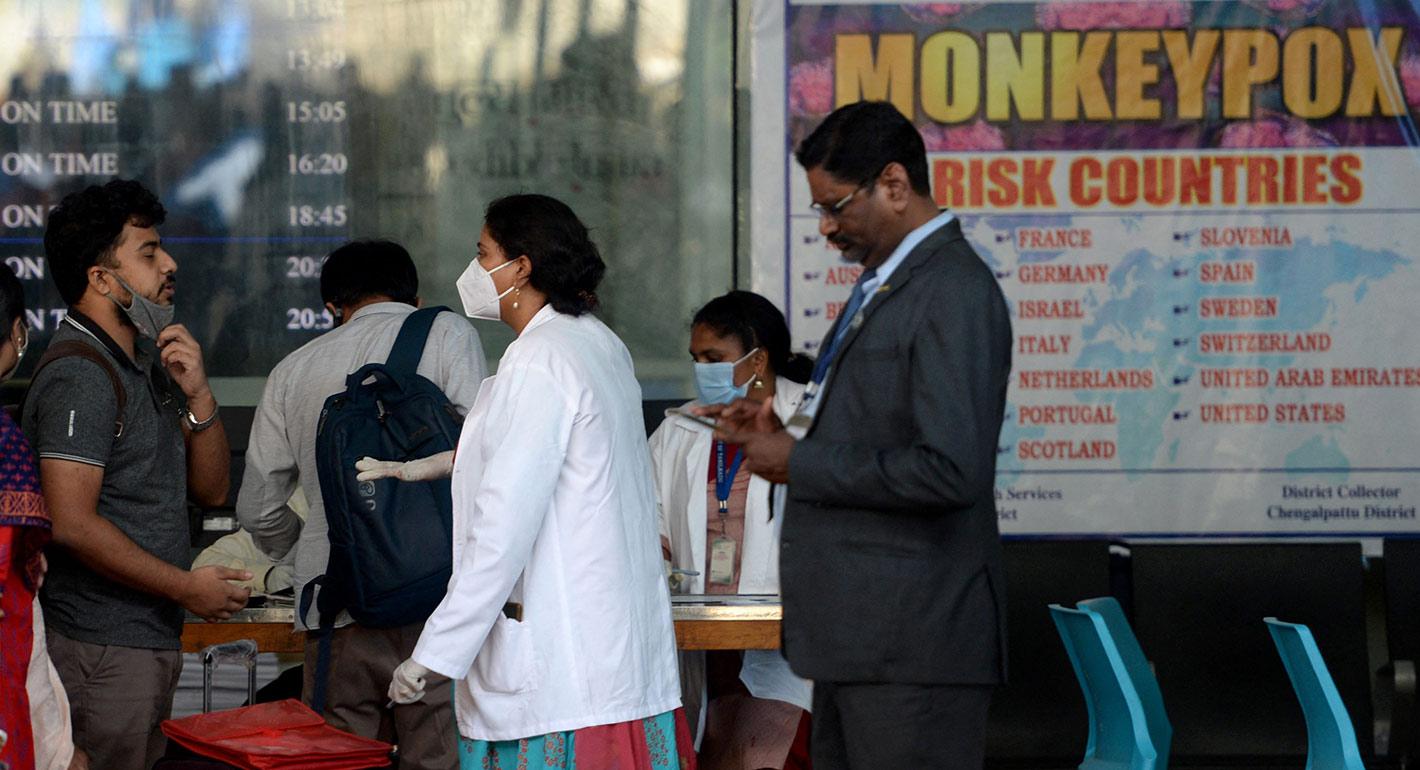
With monkeypox being declared a global health emergency, the WHO approach is an innovative and effective way to curb outbreaks of zoonotic diseases.

Shruti Sharma
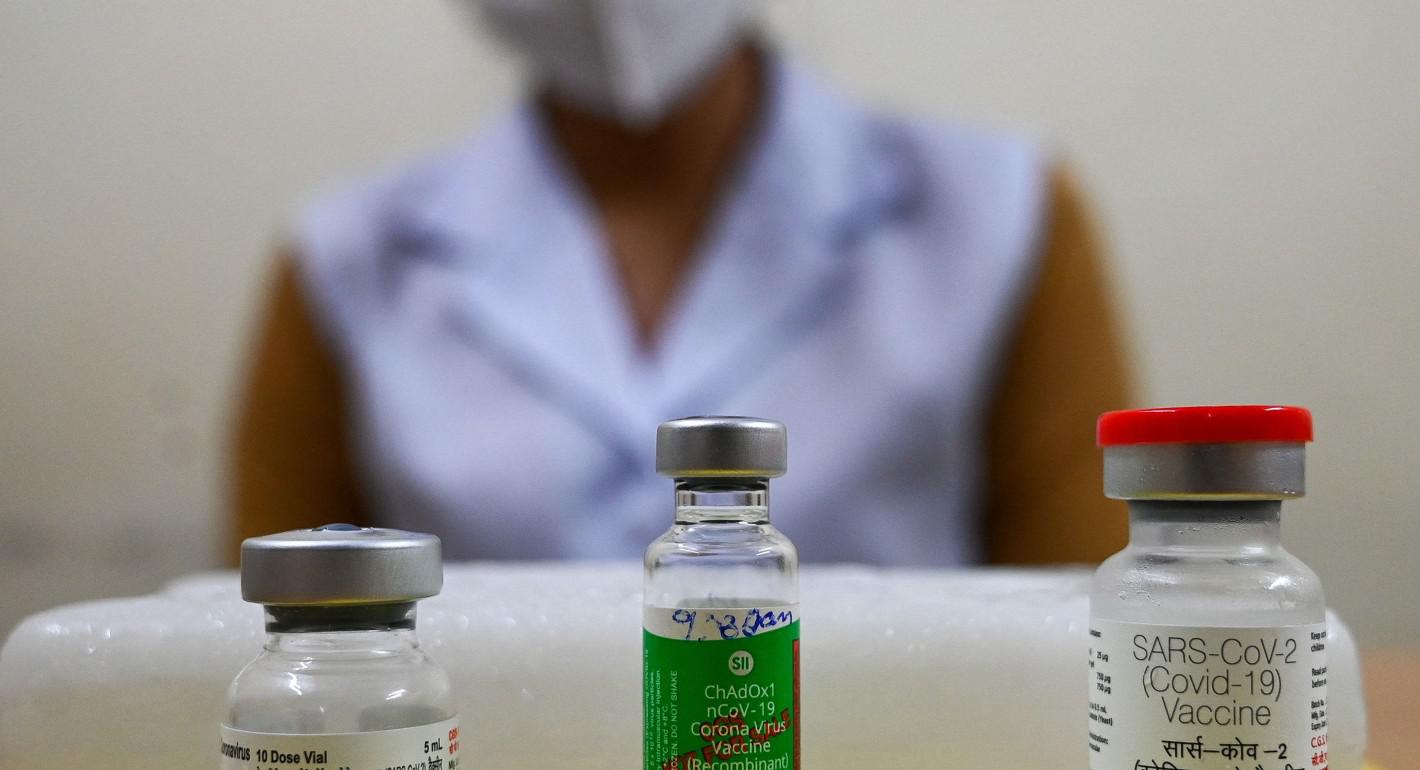
In India, biotechnology has played an important role in helping stakeholders in academia, industry, and government develop new pandemic-related technology, from test kits to respiratory devices. But these biotechnology advancements can go further to strengthen India’s public health capacity.
Shruti Sharma
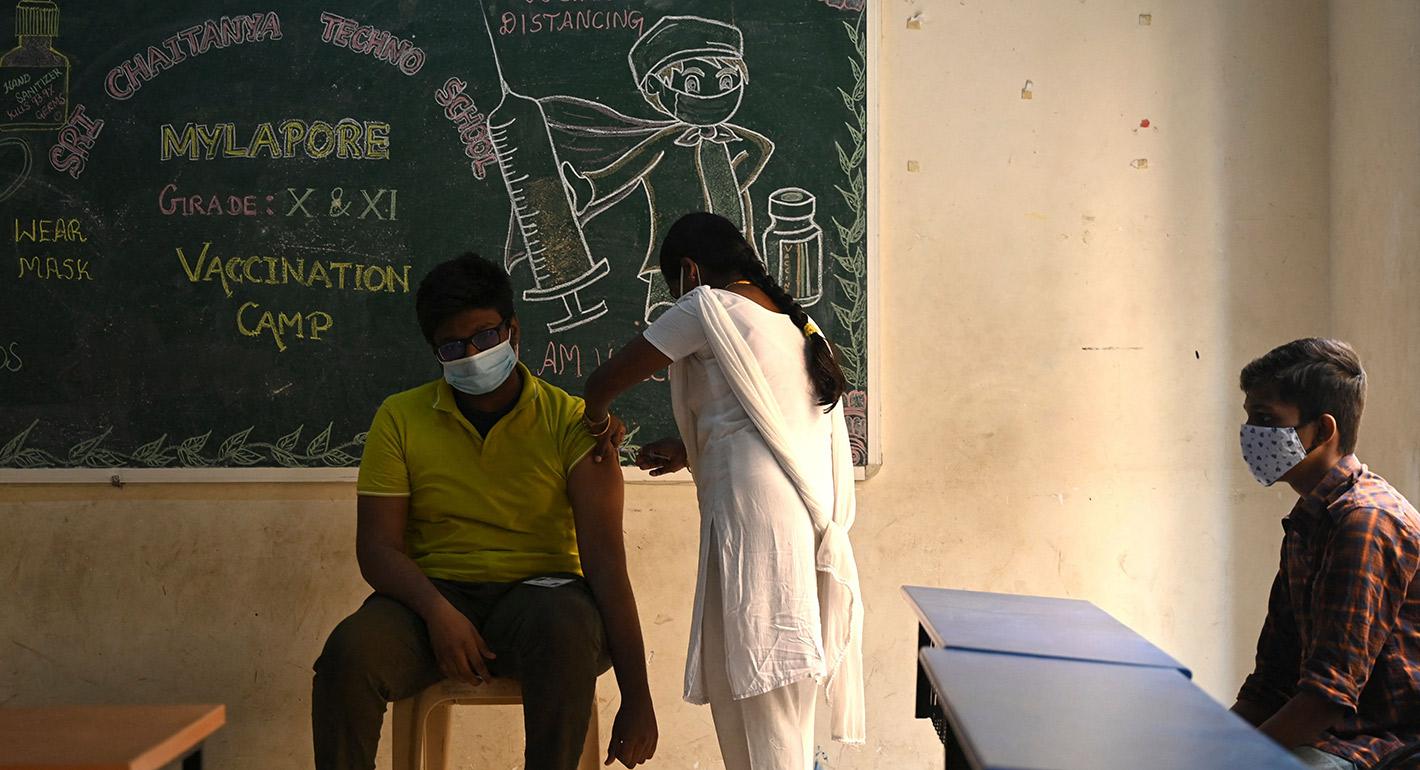
Unless the government can up its communications game, anti-vax movements could prolong India’s pandemic effects.
Shruti Sharma
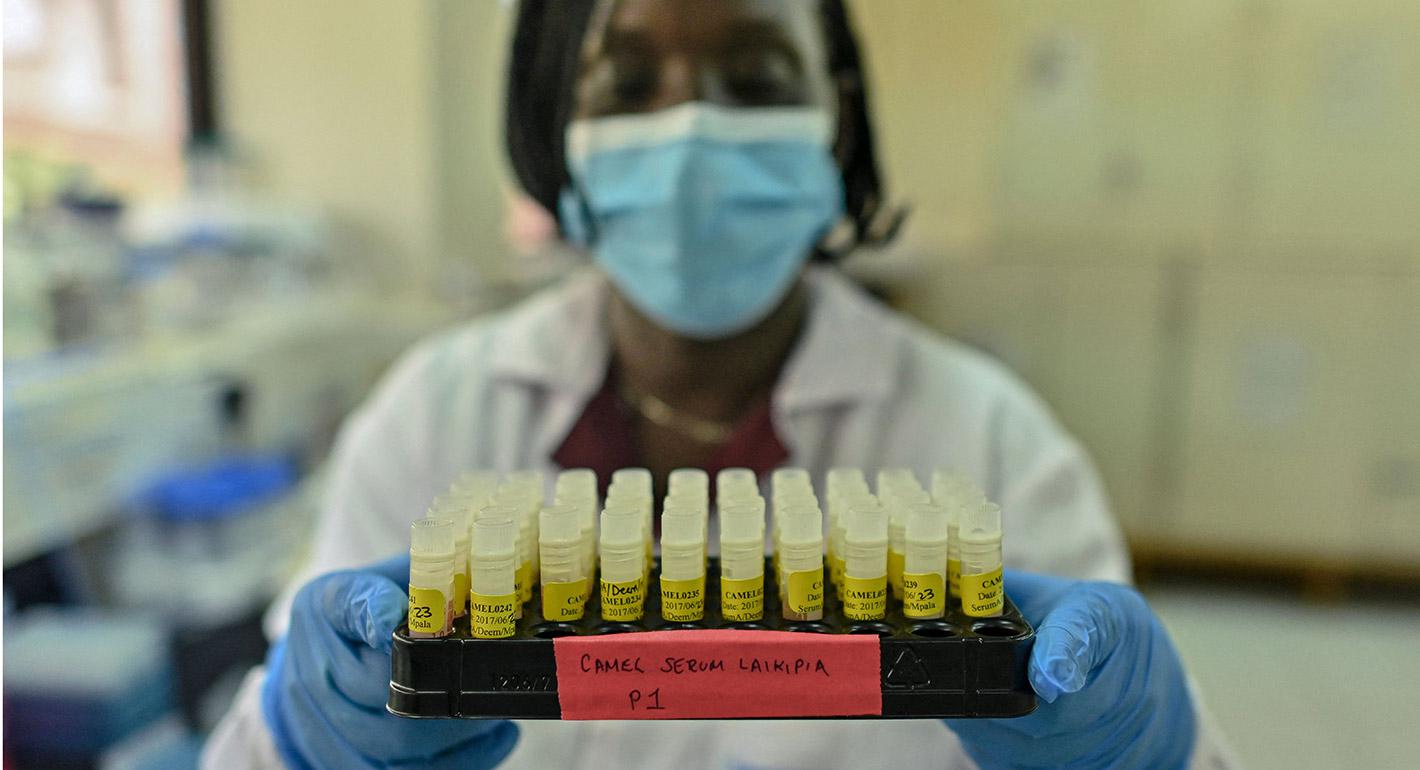
The uncertain origin of the coronavirus has focused attention on gain-of-function research—studying viruses to learn how they spread. How can countries work together to ensure stringent safety standards?
Shruti Sharma
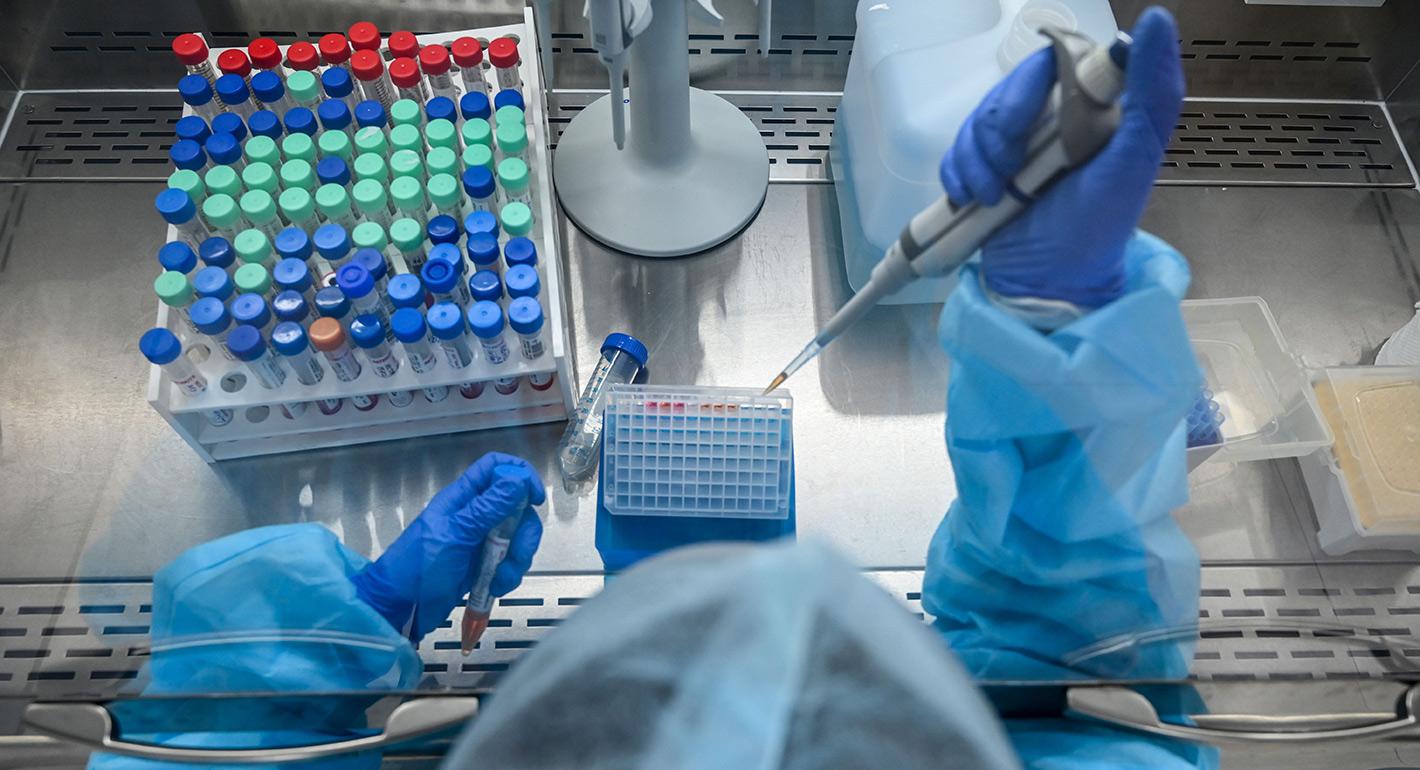
India faces a host of biological risk factors. Drawing lessons from the coronavirus pandemic and prior biological disasters, India’s government should pursue new safety protocols and develop new institutions to manage future biological risk.
Shruti Sharma