

In The Media
Branko Milanovic

Source: Getty
Despite the promises made by globalization, in the last twenty years the world's poorest countries have fallen further behind the rich. In a new Carnegie Paper, Branko Milanovic debunks current development theories that explain why poorer countries have not reaped the rewards of global economic integration.
Source: Carnegie Endowment
Summary
Despite the promises made by globalization, in the last twenty years the world’s poorest countries have fallen further behind the rich. In a new Carnegie Paper, Branko Milanovic debunks current development theories that explain why poorer countries have not reaped the rewards of global economic integration. Using statistical analysis, Milanovic finds that the higher likelihood of poor countries to be involved in wars and civil conflicts is the most important determinant for their lack of growth while, surprisingly, the effects of domestic reforms or international lending were minimal.
Why Did the Poorest Countries Fail to Catch Up? reaches surprising and valuable conclusions about the effects of globalization on those who feel it most.
Click on the link above for the full text of this Carnegie Paper.
About the Author
Branko Milanovic is a senior associate in the Trade, Equity and Development Project at the Carnegie Endowment. He is also a lead economist in the World Bank’s research department, where he works on the topics of income inequality and globalization.
This is a web-only publication.

Former Adjunct Scholar
Milanovic is a lead economist in the World Bank's research department,where he has been working on the topics of income inequality and globalization. Previously, he was a World Bank country economist for Poland and a research fellow at the Institute of Economic Sciences in Belgrade.
Recent Work
Branko Milanovic
Karla Hoff, Shale Horowitz, Branko Milanovic
Carnegie India does not take institutional positions on public policy issues; the views represented herein are those of the author(s) and do not necessarily reflect the views of Carnegie, its staff, or its trustees.

On March 10, 2026, India’s Union Cabinet approved amendments to Press Note 3, a regulation that mandated government approval on all foreign direct investment (FDI) from countries sharing a land border with India. This amendment raises questions primarily about whether its stated benefits will materialize and if the risks have been adequately weighed. This piece will address the same.

Konark Bhandari

This piece examines India’s response to U.S. sanctions and tariffs, specifically assessing the immediate market consequences, such as alterations in import costs, and the broader strategic implications for India’s energy security and foreign policy orientation.

Vrinda Sahai

This paper examines the evolution of India-China economic ties from 2005 to 2025. It explores the impact of global events, bilateral political ties, and domestic policies on distinct spheres of the economic relationship.

Santosh Pai
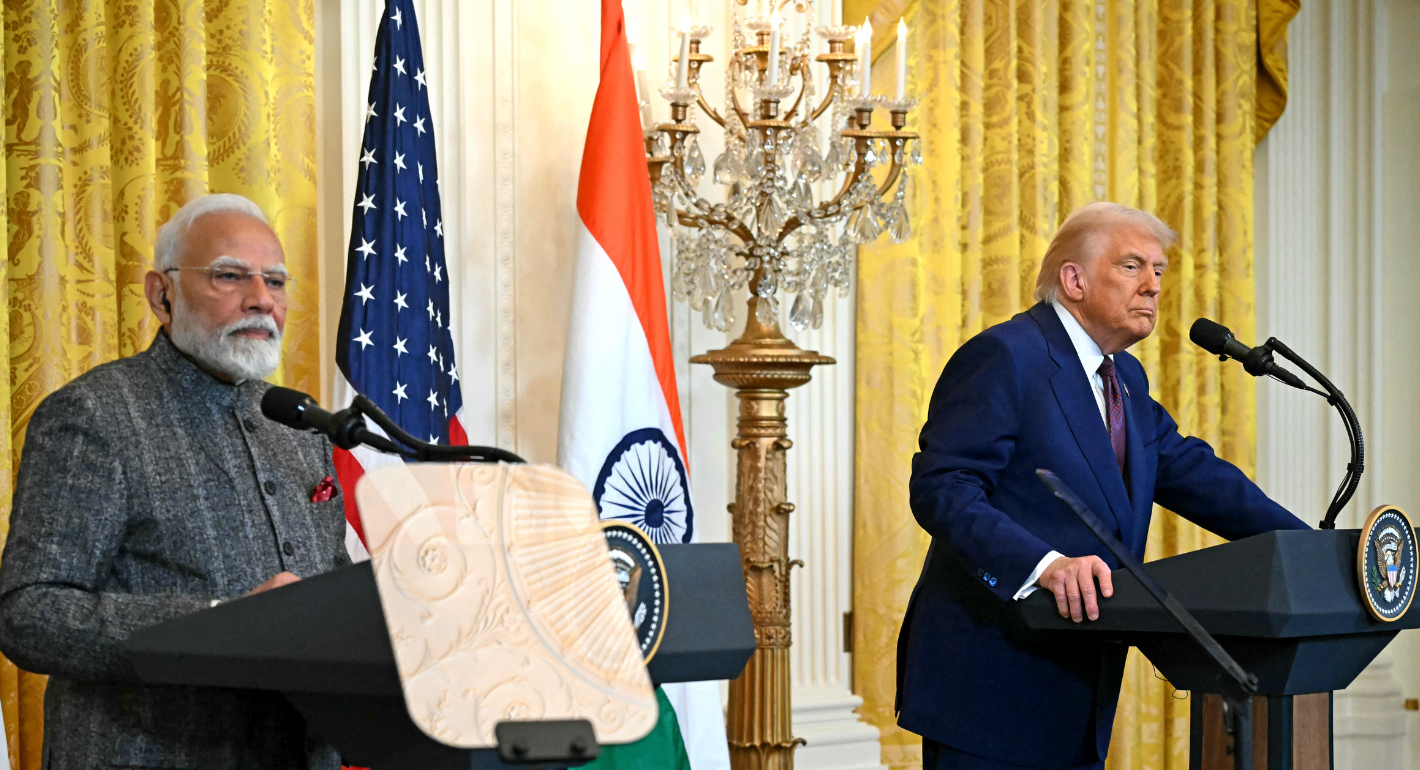
The India-U.S. relationship currently appears buffeted between three “Ts”—TRUST, Tariffs, and Trump.
Arun K. Singh
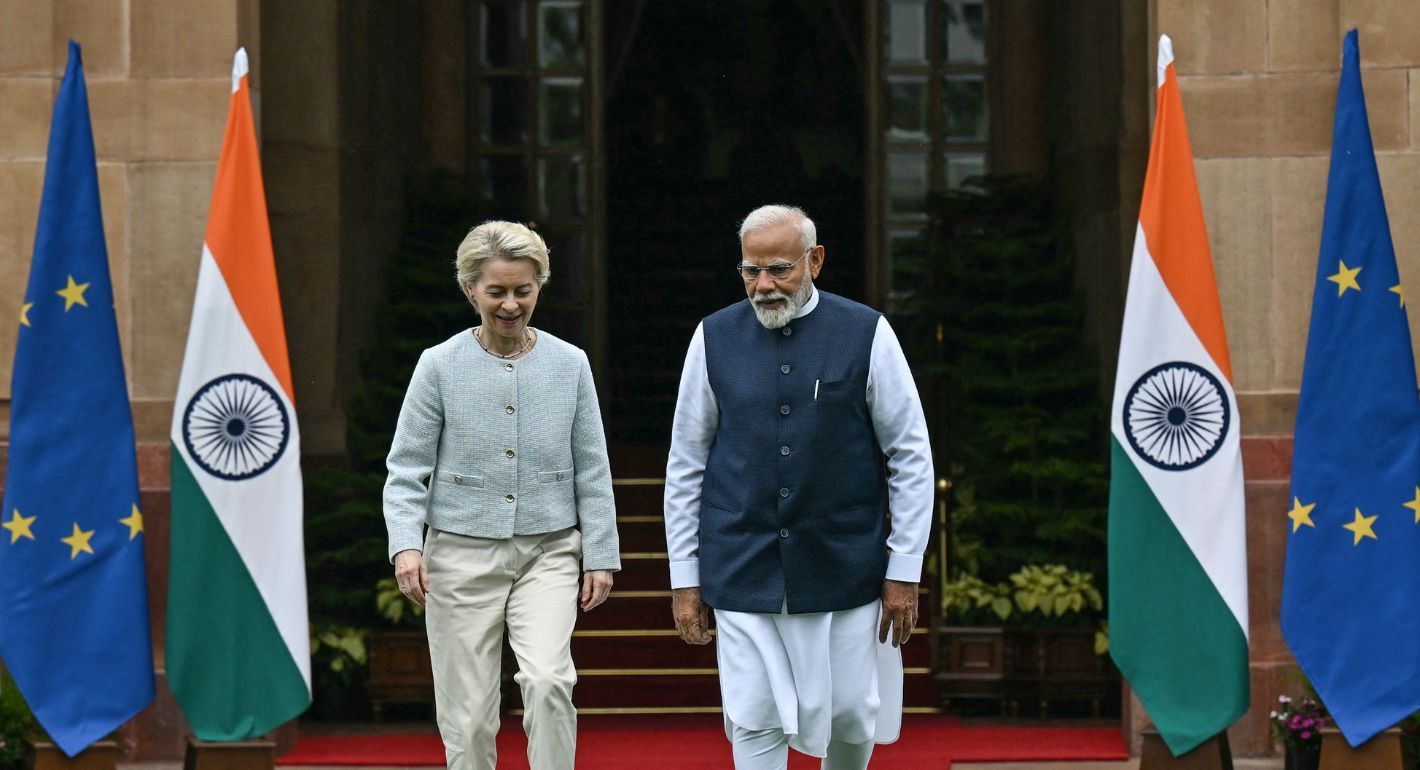
This article argues that the geopolitical circumstances have never been more conducive, not merely for the early conclusion of the free trade agreement (FTA) between India and the EU, but also for crafting a substantive and comprehensive strategic partnership.
Mohan Kumar