• Research
  • About
  • Experts
Carnegie India logoCarnegie lettermark logo
AI
The Impact of the Doha Round on Kenya
Report

The Impact of the Doha Round on Kenya

The ongoing Doha Round of trade negotiations could improve Kenya’s competitive position in processed food and agriculture, but long-term development requires the strengthening of other economic sectors.

Link Copied
By Eduardo Zepeda, Mohamed Chemingui, Hedi Bchir, Stephen Karingi, Christopher Onyango, Bernadette Wanjala
Published on Nov 4, 2009

Additional Links

Full TextBackground on Kenyan Trade

Kenya’s economy has yet to recover from the global financial crisis and the political upheaval and social violence that followed the disputed elections at the end of 2007. The implementation of a likely agreement of the ongoing Doha Round of trade negotiations would improve Kenya’s competitive position in processed food and agriculture, but would harm manufacturing and mining. Depending on the content of negotiations, the liberalization of trade in goods would boost the country’s GDP by 0.2 percent annually, placing Kenya on the winning side of Doha. However, the benefits would be small, according to the report from the Carnegie Endowment, United Nations Economic Commission for Africa, United Nations Development Programme, and Kenya Institute for Policy Research and Analysis.

Key Conclusions:

  • Eliminating export subsidies for agriculture in Europe and the United States would help Kenya more than partial reductions of domestic support to agriculture in these countries and cuts to tariffs around the world.
     
  • Kenya would enjoy gains in agriculture, processed food, and the service sector, but experience losses in manufacturing and mining.
     
  • Losses in manufacturing and mining follow the weakening of domestic protection in Kenya.
     
  • Changes in the Kenyan economy would decrease poverty, and income distribution in rural regions would fall slightly, but the gap between wages in urban versus rural areas would expand.
     
  • The Doha Round is likely to diminish the importance of Kenya’s regional partners in total trade as its exports of manufactured goods would fall—these goods are often destined for African countries. 
     
  • Countries in sub-Saharan Africa should not expect major net gains stemming from the current round of trade negotiations. This underscores the need for human development policies that will accompany trade liberalization.


“The impact of the Doha Round can lead the Kenyan economy to further specialize in agriculture and processed food. And specialization in these activities can help Kenya make good use of its unskilled labor, its most abundant factor,” write the authors. “But Kenya’s long-term development cannot rest on only these two activities. Kenya must aim to build dynamic comparative advantages in activities with higher value added that can support higher standards of living. Trade can help, but trade by itself will not do the job.”

About the Authors

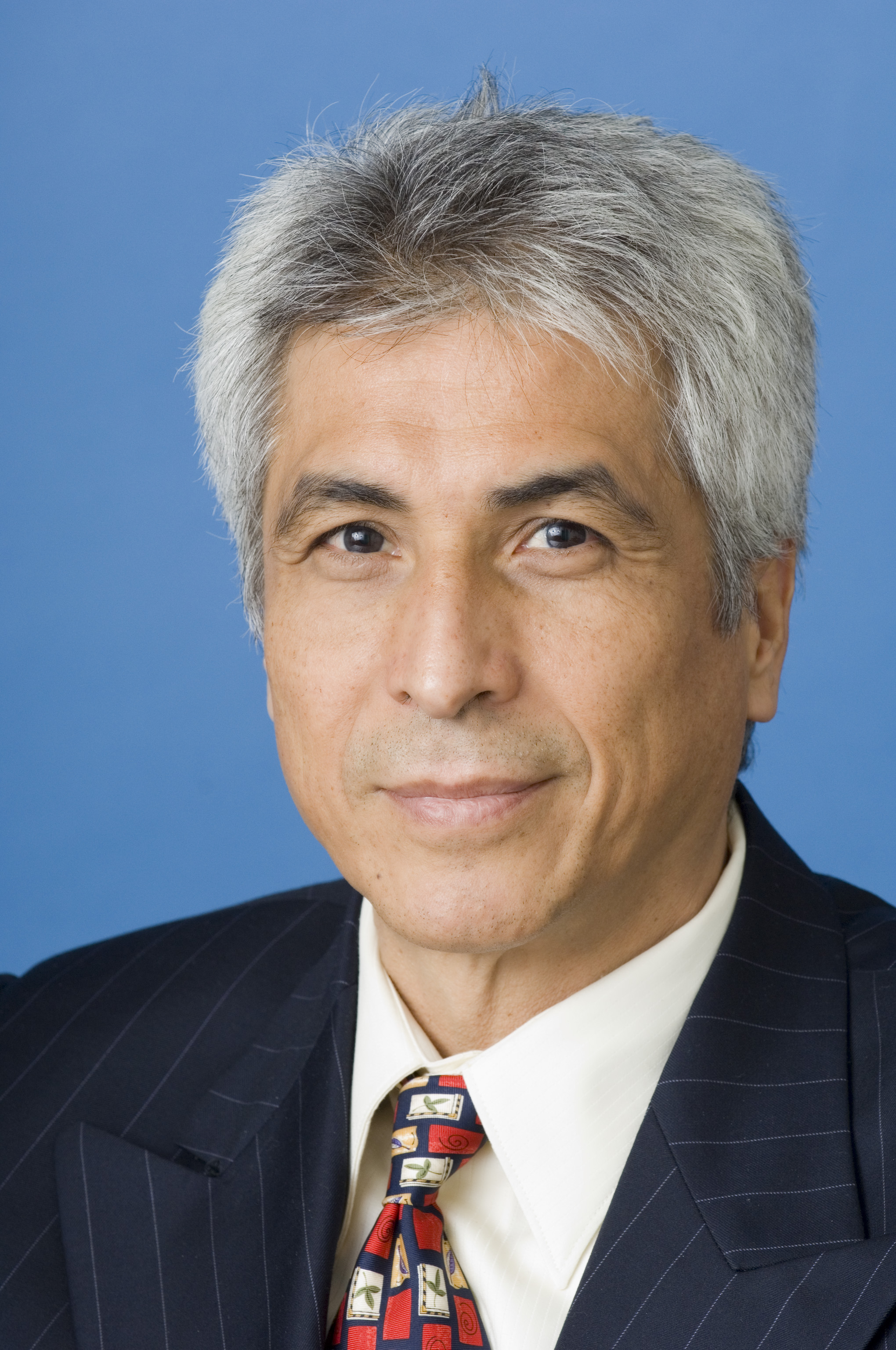
Eduardo Zepeda

Former Senior Associate, Trade, Equity and Development Program

Zepeda is inter-regional policy coordinator of the Development Policy and Analysis Division, Department of Economic and Social Affairs at the United Nations General Secretariat. He was previously a senior associate in the Trade, Equity, and Development Program at the Carnegie Endowment for International Peace.

Mohamed Chemingui

Hedi Bchir

Stephen Karingi

Christopher Onyango

Bernadette Wanjala

Authors

Eduardo Zepeda
Former Senior Associate, Trade, Equity and Development Program
Eduardo Zepeda
Mohamed Chemingui
Hedi Bchir
Stephen Karingi
Christopher Onyango
Bernadette Wanjala
Southern, Eastern, and Western AfricaNorth AmericaEconomyTrade

Carnegie India does not take institutional positions on public policy issues; the views represented herein are those of the author(s) and do not necessarily reflect the views of Carnegie, its staff, or its trustees.

More Work from Carnegie India

  • Commentary
    The Impact of U.S. Sanctions and Tariffs on India’s Russian Oil Imports

    This piece examines India’s response to U.S. sanctions and tariffs, specifically assessing the immediate market consequences, such as alterations in import costs, and the broader strategic implications for India’s energy security and foreign policy orientation.

      Vrinda Sahai

  • Paper
    India-China Economic Ties: Determinants and Possibilities

    This paper examines the evolution of India-China economic ties from 2005 to 2025. It explores the impact of global events, bilateral political ties, and domestic policies on distinct spheres of the economic relationship.

      Santosh Pai

  • Commentary
    TRUST and Tariffs

    The India-U.S. relationship currently appears buffeted between three “Ts”—TRUST, Tariffs, and Trump.

      Arun K. Singh

  • Article
    Can Geopolitical Alignment Seal the India-EU FTA?

    This article argues that the geopolitical circumstances have never been more conducive, not merely for the early conclusion of the free trade agreement (FTA) between India and the EU, but also for crafting a substantive and comprehensive strategic partnership.

      Mohan Kumar

  • Source: iStock
    Commentary
    What’s Next for U.S. AI Policy?

    This commentary explores the likely actions of the Trump administration and driving forces on issues of deregulation, the United States’ leadership in AI, national security, and global engagements on AI safety.

      Shatakratu Sahu, Amlan Mohanty

Get more news and analysis from
Carnegie India
Carnegie India logo, white
Unit C-4, 5, 6, EdenparkShaheed Jeet Singh MargNew Delhi – 110016, IndiaPhone: 011-40078687
  • Research
  • About
  • Experts
  • Projects
  • Events
  • Contact
  • Careers
  • Privacy
  • For Media
Get more news and analysis from
Carnegie India
© 2026 Carnegie Endowment for International Peace. All rights reserved.