

Commentary
Dmitri Trenin
Source: Getty
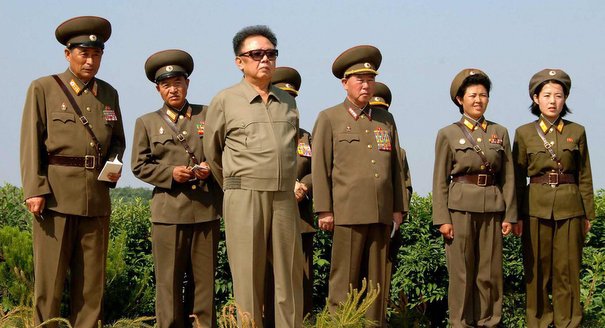
In order to gain China’s vote, the new UN Security Council resolution on the North Korean torpedo attack condemns the act of war, but does not name the perpetrator of the attack.
The “toothless” UN Security Council resolution on the North Korean torpedo attack is discouraging. The act of war is condemned, yet the perpetrator remains unnamed. Such is the price of bringing China aboard and ensuring unanimity among the five permanent members of the Security Council.
Beijing is Pyongyang’s only ally, but it is also the only outside power with a measure of influence in the Stalinist kingdom. North Korea is not a place for sprinters; progress there requires staying power. Whatever is behind the recent attack, it is not the last gasp of the regime.
The fate of the Kim dynasty is more or less known, but not the circumstances of its exit. To preserve peace on the Korean Peninsula, a modicum of unity among the five countries dealing with North Korea is a conditio sine qua non. Under these circumstances, taking account of China’s sensibilities makes sense.
Former Director, Carnegie Moscow Center
Trenin was director of the Carnegie Moscow Center from 2008 to early 2022.
Recent Work
Dmitri Trenin
Dmitri Trenin
Carnegie India does not take institutional positions on public policy issues; the views represented herein are those of the author(s) and do not necessarily reflect the views of Carnegie, its staff, or its trustees.

This piece examines the strategic implications of Bhutan’s diplomatic efforts amid its border dispute with China, highlighting the thin ice it walks on to achieve a resolution without compromising its vital relationships.

Shibani Mehta
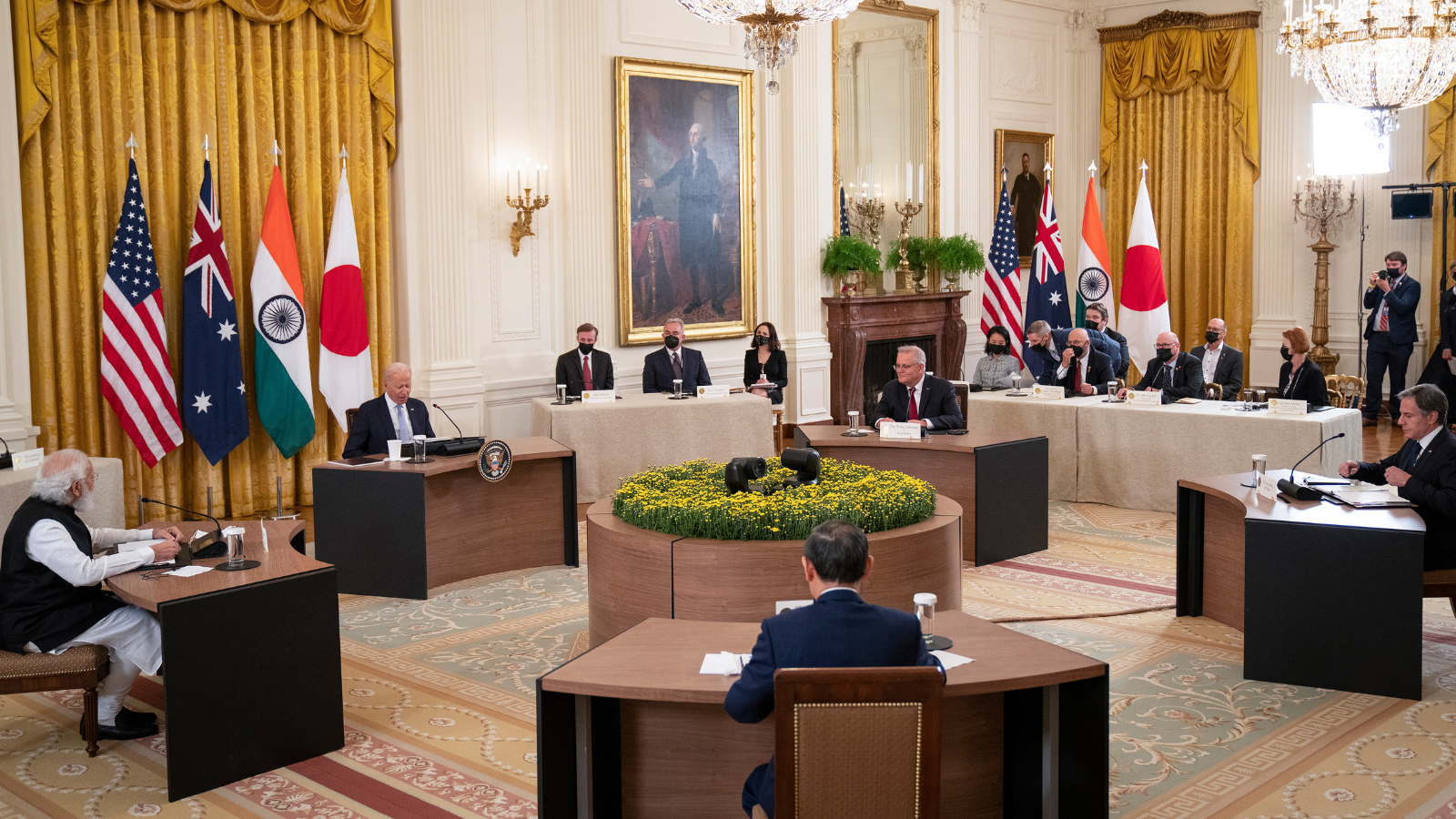
With India set to host the sixth Quad Leaders' Summit in 2024, there is every opportunity for this minilateral to not only develop a DPI initiative but also execute pilots in the Indo-Pacific. This essay shares a rationale for how the four Quad countries could achieve this goal.


Rudra Chaudhuri, Aadya Gupta

How can India navigate export control measures at a time when it is also entering into technology-centric partnerships with other nations to secure enhanced access to advanced technology?

Konark Bhandari
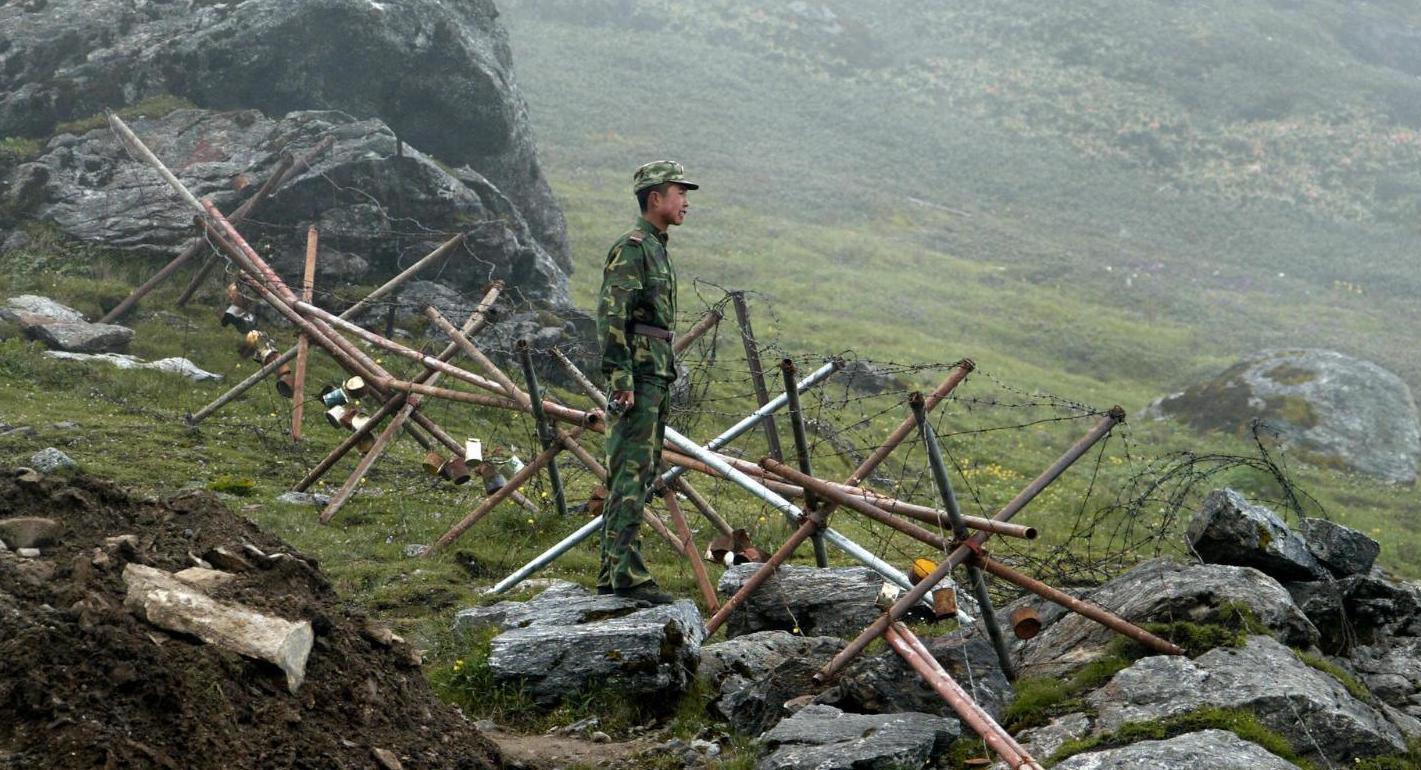
This article examines the significance of the 2013, 2014, and 2015 border standoffs between India and China. It presents a detailed account of the border crises and how the two countries tried to manage them.
Shibani Mehta
Contrary to some recent analyses, this commentary explains why a strategic détente between India and China is unlikely.

Saheb Singh Chadha